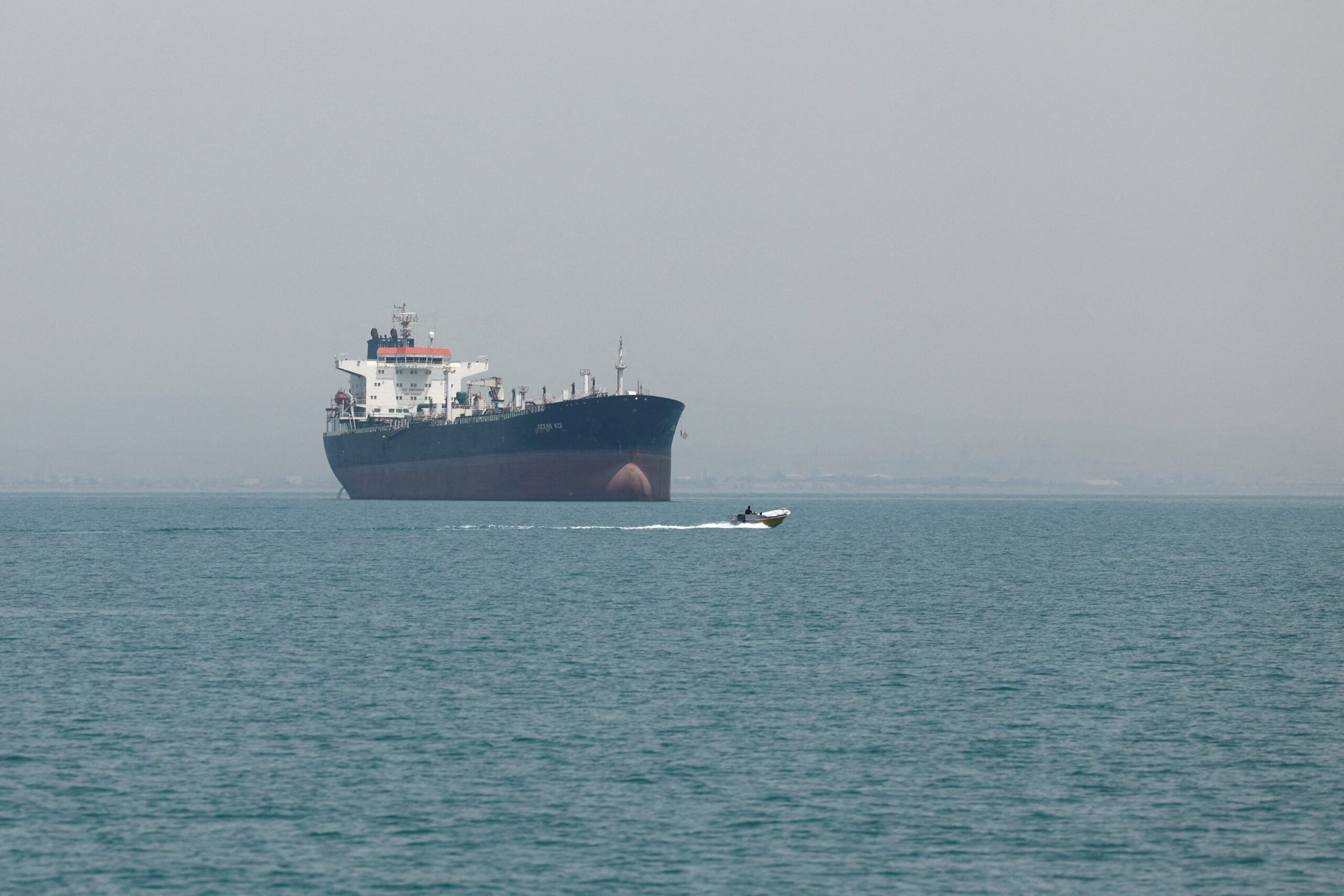
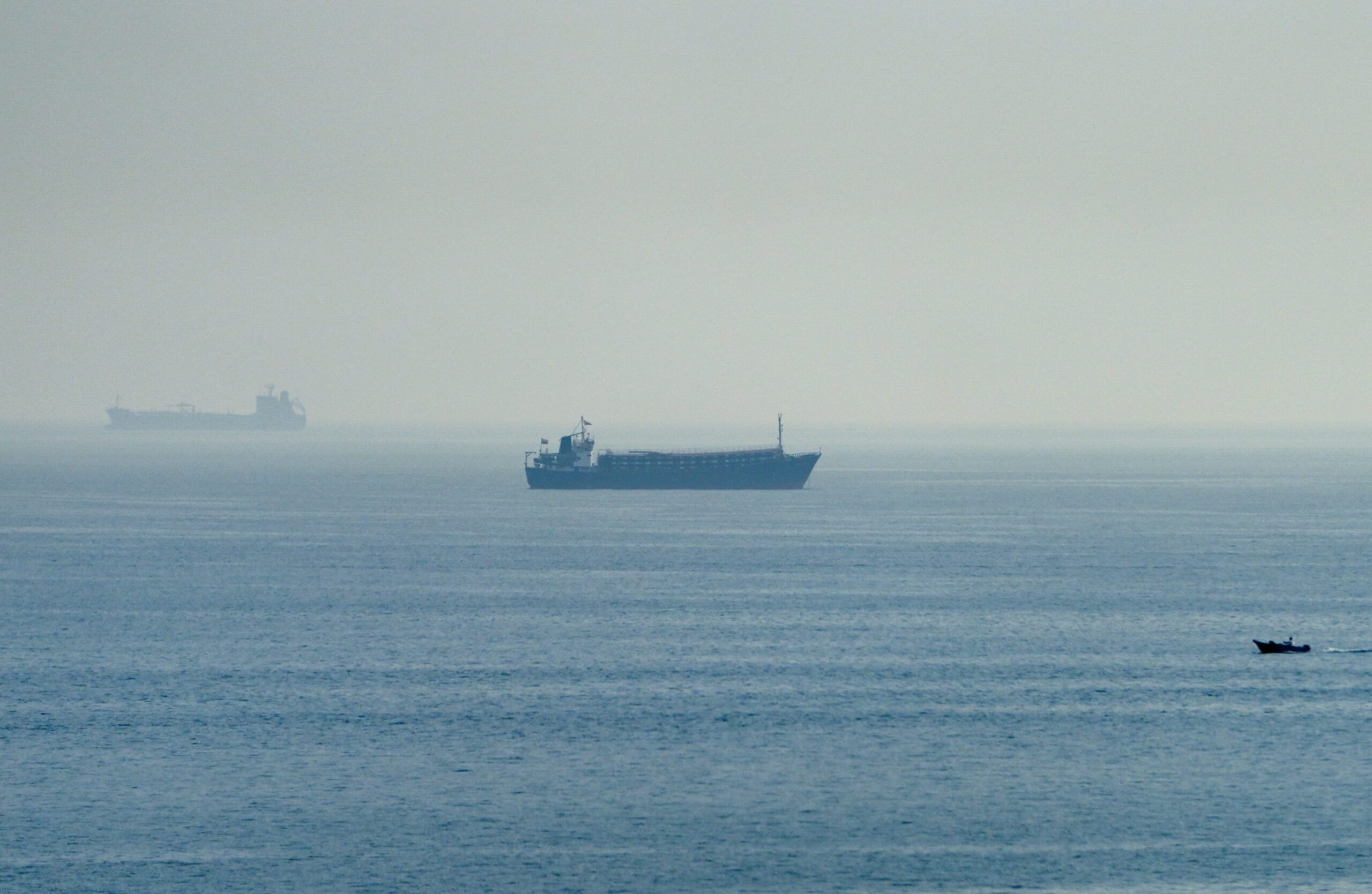
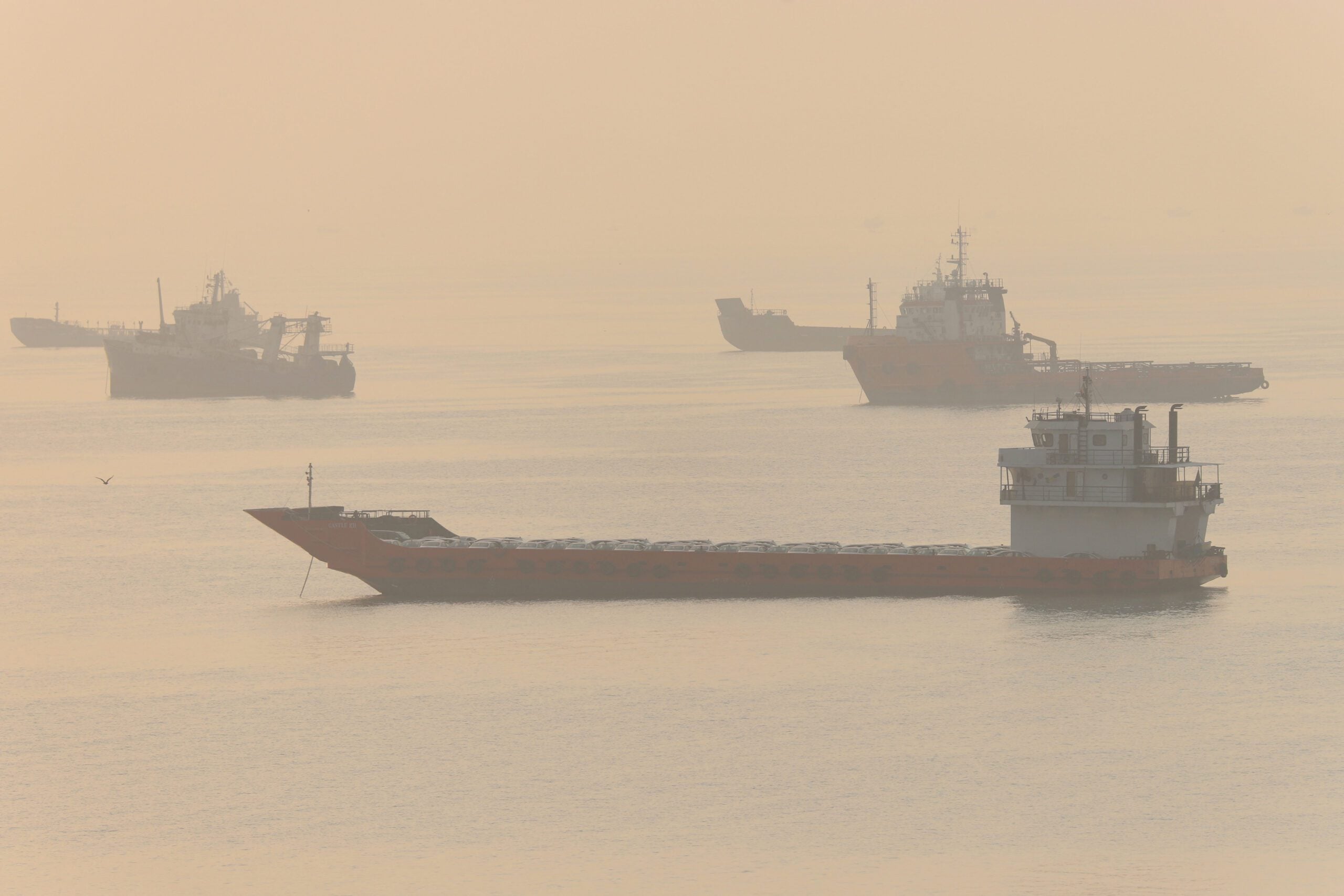
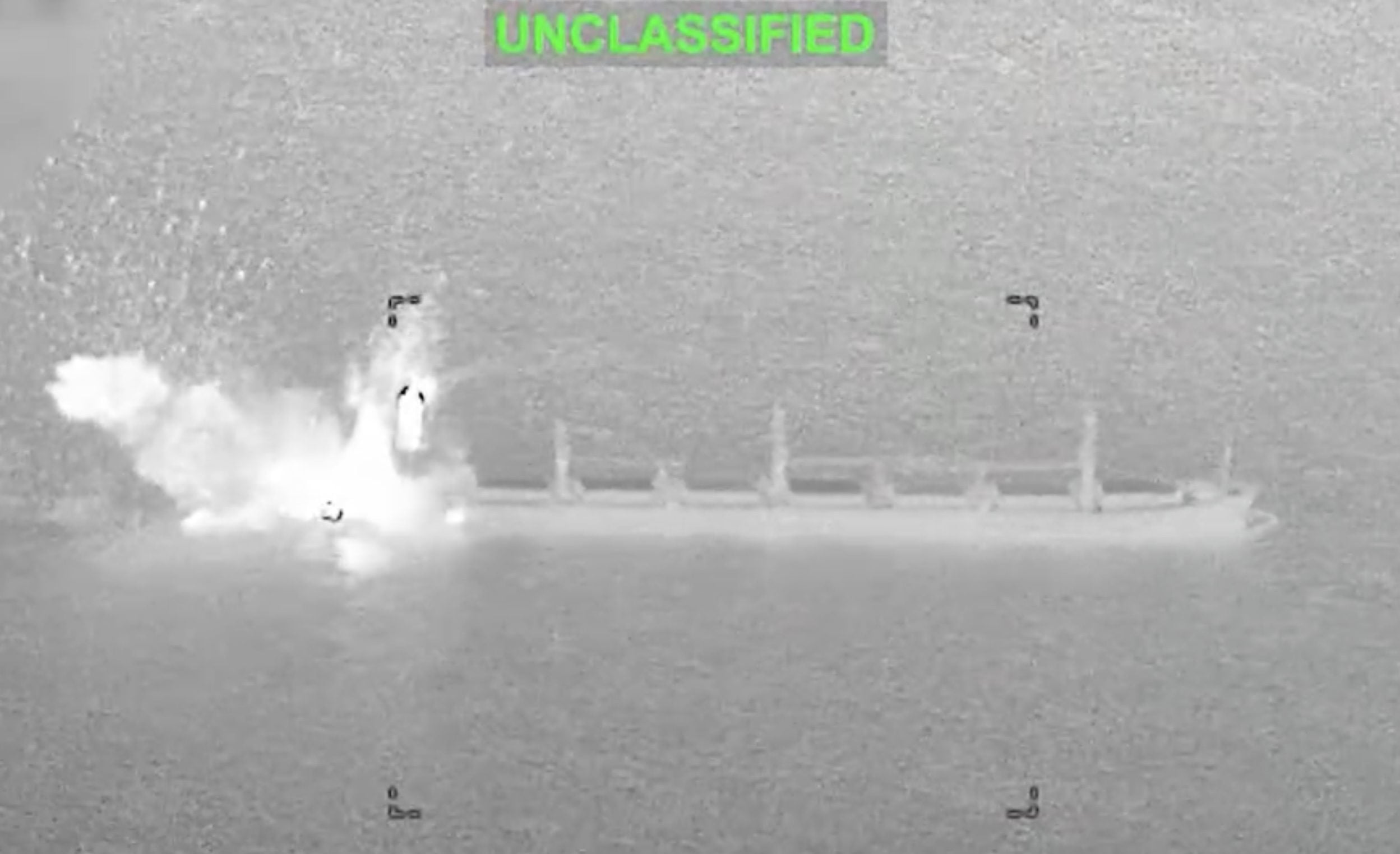
The U.S. Treasury Department on Wednesday formally sanctioned Iran’s so-called Persian Gulf Strait Authority (PGSA), accusing the organization of working with the Islamic Revolutionary Guard Corps (IRGC) to extort commercial vessels transiting the Strait of Hormuz.
The action by the Office of Foreign Assets Control (OFAC) marks a major escalation in Washington’s response to Iran’s emerging effort to impose a permission-based transit regime in one of the world’s most strategically important shipping chokepoints.
According to Treasury, the PGSA is coordinating directly with the IRGC and IRGC Navy to force vessels to follow Iranian-designated routes near Iran’s coastline while charging illegitimate fees for passage through the strait.
“Anyone cooperating with the so-called strait authority may be providing support to and receiving services from the IRGC,” Treasury warned, adding that such activity could expose companies to U.S. sanctions risk.
Treasury Secretary Scott Bessent said the move reflects growing financial pressure on Tehran under the Trump administration’s “Economic Fury” sanctions campaign.
“The Iranian military’s latest attempt to extort global maritime trade is proof that Economic Fury has left the regime desperate for cash,” Bessent said.
“Under President Trump’s leadership, we will remain relentless in our pursuit to constrict the network of vessels, intermediaries, and buyers through which Iran exports both its oil and malevolence,” he added.
The sanctions announcement comes after weeks of mounting concern across the maritime industry over Iran’s attempts to formalize control over commercial shipping through Hormuz.
Earlier this month, the PGSA launched a public account on X describing itself as the legal authority for managing transit through the Strait of Hormuz and warning that unauthorized passage could be considered “illegal.”
The organization claimed vessels must coordinate with Iranian authorities and armed forces to receive permission for passage.
Shipping executives and maritime security firms said the development amounted to an attempt by Tehran to create a de facto toll and control regime over international shipping lanes.
Treasury’s statement provided the clearest U.S. description yet of how the system allegedly works.
According to OFAC, vessels are required to submit sensitive operational information to Iranian authorities and follow routing instructions coordinated with the IRGC Navy in exchange for “safe passage.” Treasury alleges the resulting fees ultimately benefit the IRGC, which remains designated as a Foreign Terrorist Organization.
The sanctions action also expands prior U.S. warnings over so-called Hormuz “toll” payments.
Treasury said prohibited transactions may include not only direct cash payments, but also digital assets, offsets, informal swaps, charitable donations, and other in-kind arrangements tied to Iranian entities.
The guidance places growing pressure on shipowners, insurers, brokers, port agents, banks and maritime service providers operating in the region.
OFAC warned that non-U.S. companies and foreign financial institutions could also face secondary sanctions exposure for facilitating significant transactions involving the PGSA or related Iranian entities.
The designation was issued under Executive Order 13224, the U.S. counterterrorism authority used to target organizations linked to terrorist activity and financial support networks.
The move comes as commercial shipping traffic through the Strait of Hormuz remains far below prewar levels despite intermittent diplomatic signals suggesting possible de-escalation.
Industry groups and security analysts have repeatedly warned that traffic is unlikely to normalize until shipowners receive credible guarantees on mine clearance, freedom of navigation, insurance availability and legal exposure tied to Iranian transit demands.
The Strait of Hormuz normally handles roughly one-fifth of global oil and LNG trade, making the crisis one of the most consequential maritime disruptions in decades.

 Join The Club