The U.S. Department of Justice has indicted four of the world’s largest shipping container manufacturers and seven senior executives in what prosecutors describe as a sweeping global conspiracy to restrict container production and inflate prices during the COVID-era supply chain crisis.
The superseding indictment, unsealed Tuesday in the Northern District of California, alleges the companies conspired from at least late 2019 through early 2024 to limit output and fix prices for standard dry shipping containers — the steel boxes that move the vast majority of global trade.
Federal prosecutors allege the conspiracy roughly doubled container prices between 2019 and 2021, generating windfall profits as global supply chains buckled under pandemic disruptions. According to the indictment, profits at China International Marine Containers (CIMC) surged from about $19.8 million in 2019 to roughly $1.75 billion by 2021.
The case targets four major Chinese container manufacturing firms: China International Marine Containers, Singamas Container Holdings, Shanghai Universal Logistics Equipment, and CXIC Group Containers. Together, Chinese manufacturers account for more than 90% of global container production.
One executive, Singamas marketing director Vick Nam Hing Ma, was arrested in France on April 14 and is awaiting extradition to the United States. Six other executives remain at large, according to the Justice Department.
Prosecutors allege executives from the companies met at CIMC headquarters in Shenzhen in November 2019 and agreed to restrict production through a coordinated system of factory controls and quotas.
According to the indictment, the alleged cartel implemented strict production limits that included reducing factory shifts and working hours, installing 87 surveillance cameras across 49 production lines to monitor compliance, avoiding construction of new container factories, and creating financial penalty mechanisms for companies that exceeded agreed output levels.
The alleged conspiracy later evolved into customer allocation and cargo-volume caps affecting major container lessors, shipping lines, and logistics providers in the United States and globally, prosecutors said.
“Global price-fixing cartels strike at the heart of our economic liberty,” Acting Assistant Attorney General Omeed Assefi said in a statement. “The defendants held hostage the world’s supply of ocean shipping containers during the Covid pandemic when our supply chains needed it the most.”
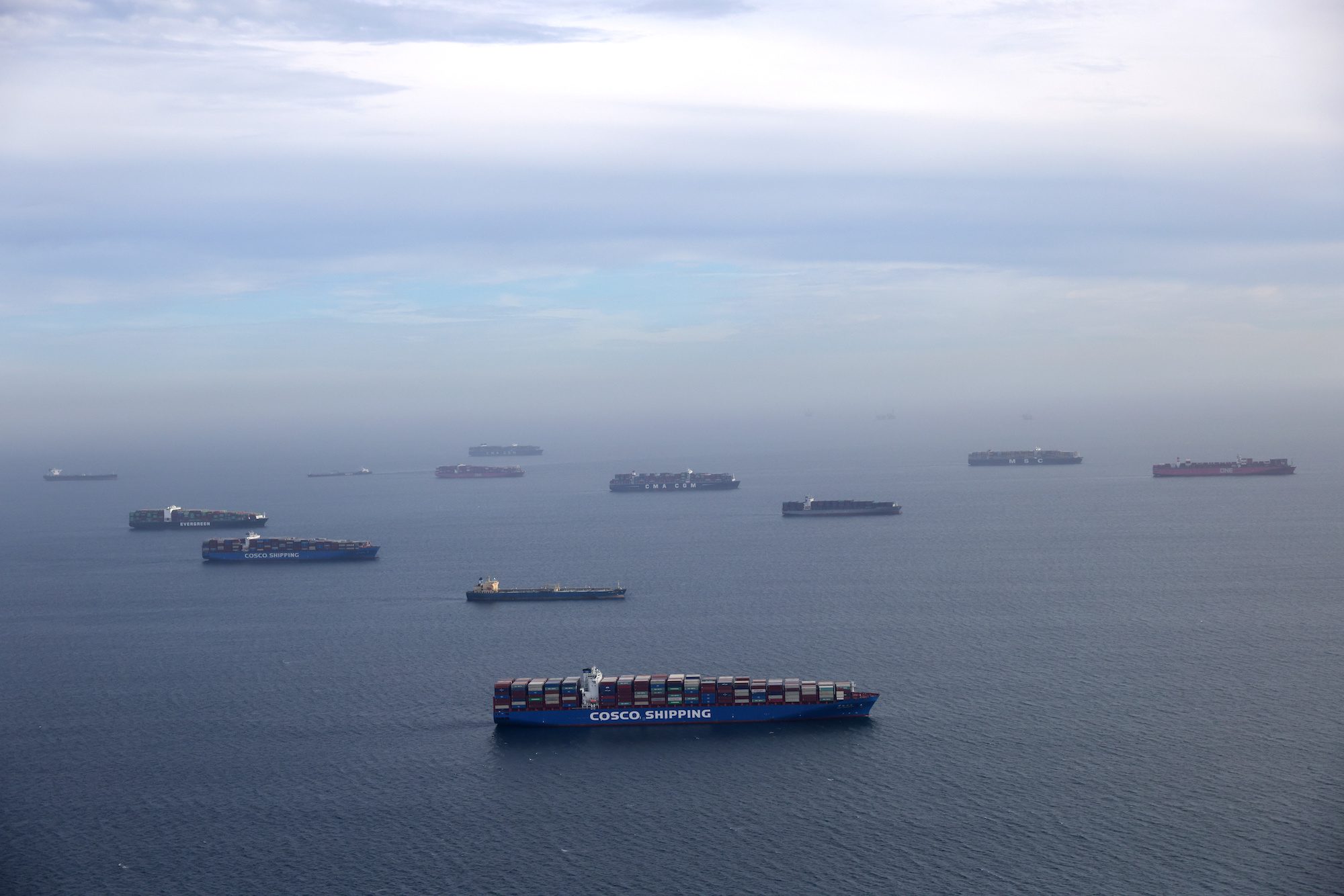
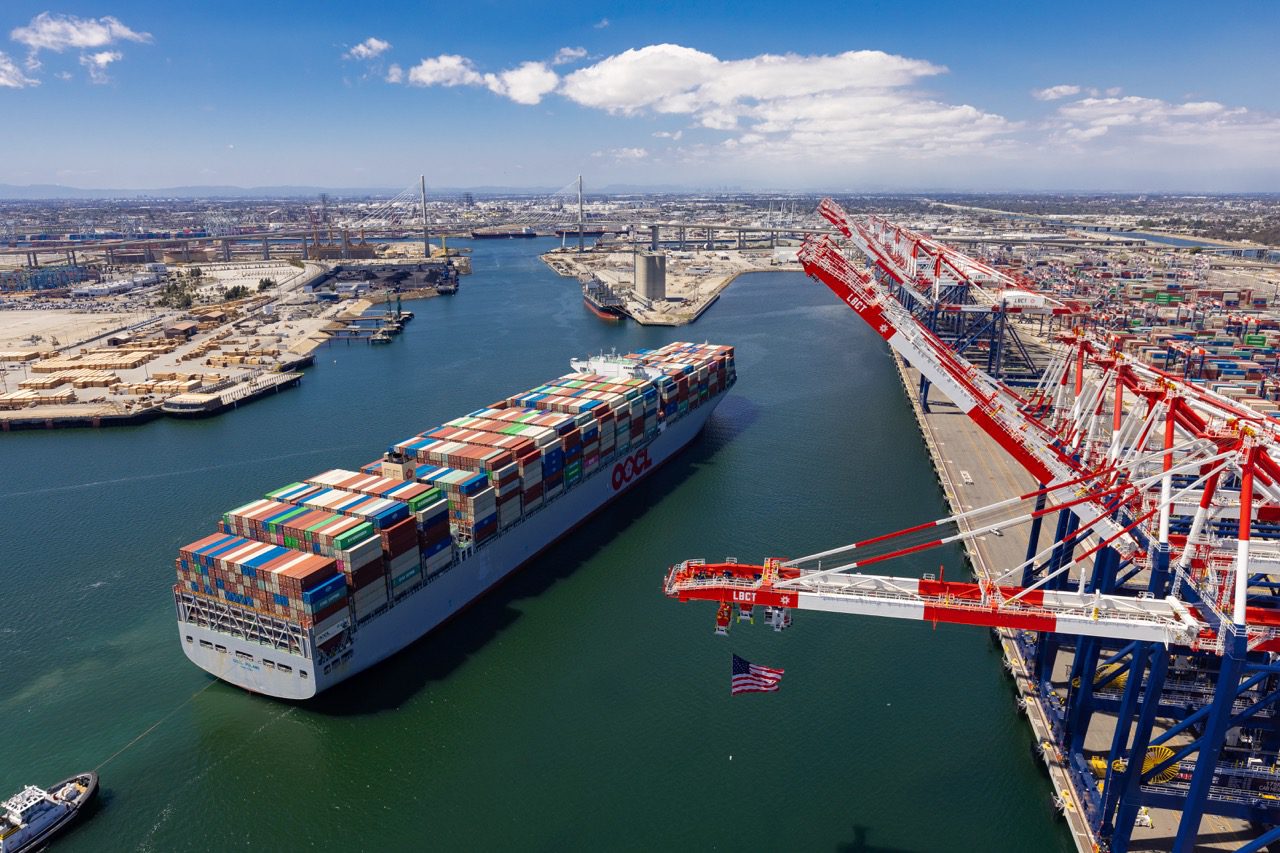
The allegations strike at the center of a maritime supply chain vulnerability that became painfully visible during the pandemic, when shortages of containers contributed to historic port congestion, soaring freight rates, and massive disruptions to global trade.
China dominates the global container manufacturing industry, accounting for more than 90% of world supply. During the pandemic-era shipping boom, container prices more than doubled as carriers and shippers scrambled for equipment.
The case also adds to mounting U.S. scrutiny of China’s dominance across maritime supply chains, including shipbuilding, port equipment, intermodal chassis, and container manufacturing.
A 2025 Section 301 investigation by the Office of the U.S. Trade Representative concluded that China’s maritime industrial strategy posed significant economic and national security risks to the United States, citing Beijing’s overwhelming control over container production and other critical shipping infrastructure.
The Sherman Act charges carry maximum penalties of 10 years in prison and $1 million fines for individuals, while corporations face fines of up to $100 million or twice the gains derived from the alleged conduct.

 Join The Club