Fresh concerns over a widening resurgence in Somali piracy intensified over the weekend after the United Kingdom Maritime Trade Operations reported two apparent vessel hijackings off Somalia within hours of each other, in what could mark a troubling shift from opportunistic attacks to successful seizures of commercial ships.
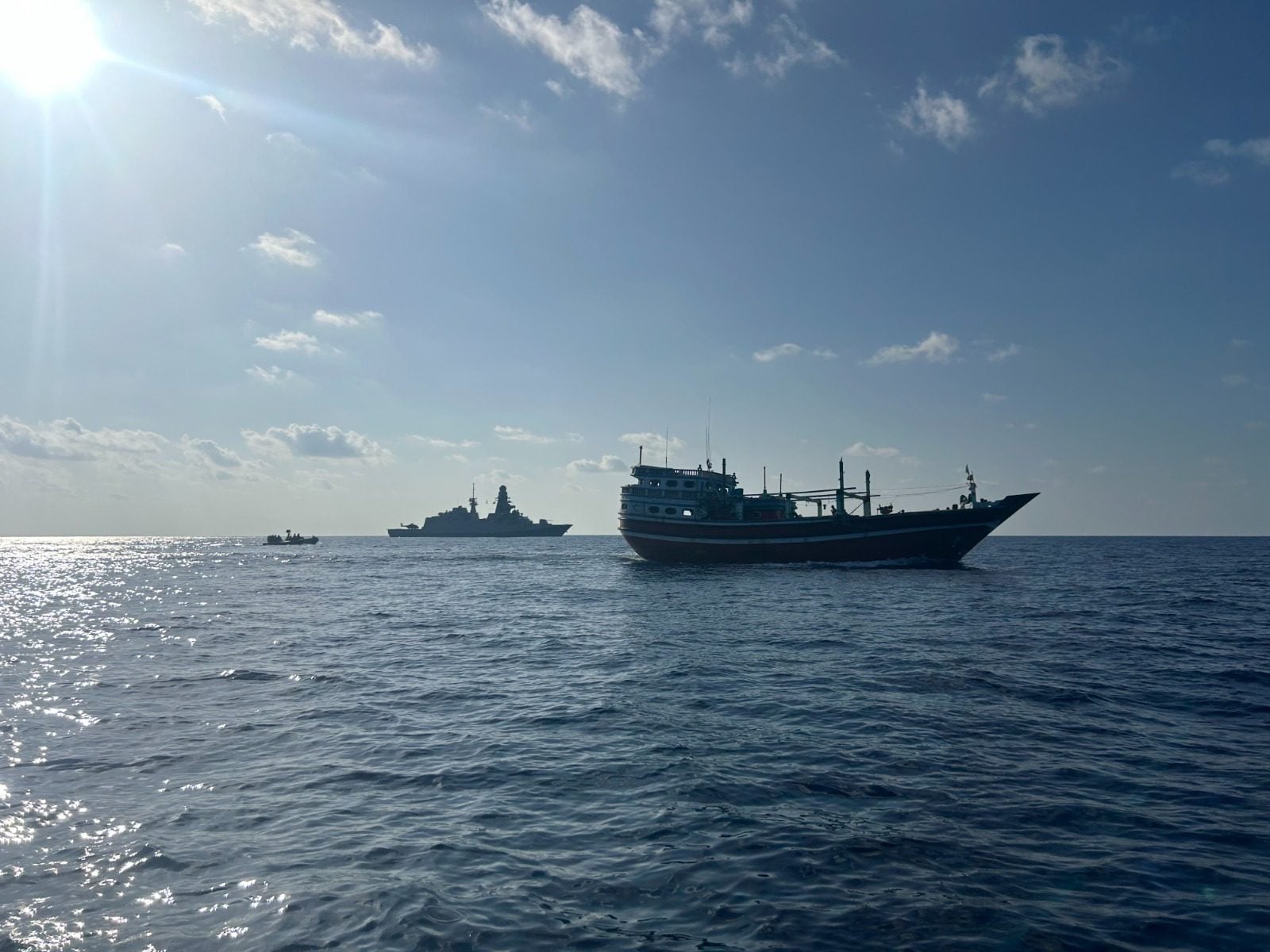
The incidents come just weeks after European naval forces disrupted the hijacking of the Iranian fishing dhow ALWASEEMI, which pirates had sought to use as a mothership for attacks on merchant shipping—an episode already viewed as a warning sign that pirate action groups were probing for openings in the western Indian Ocean.
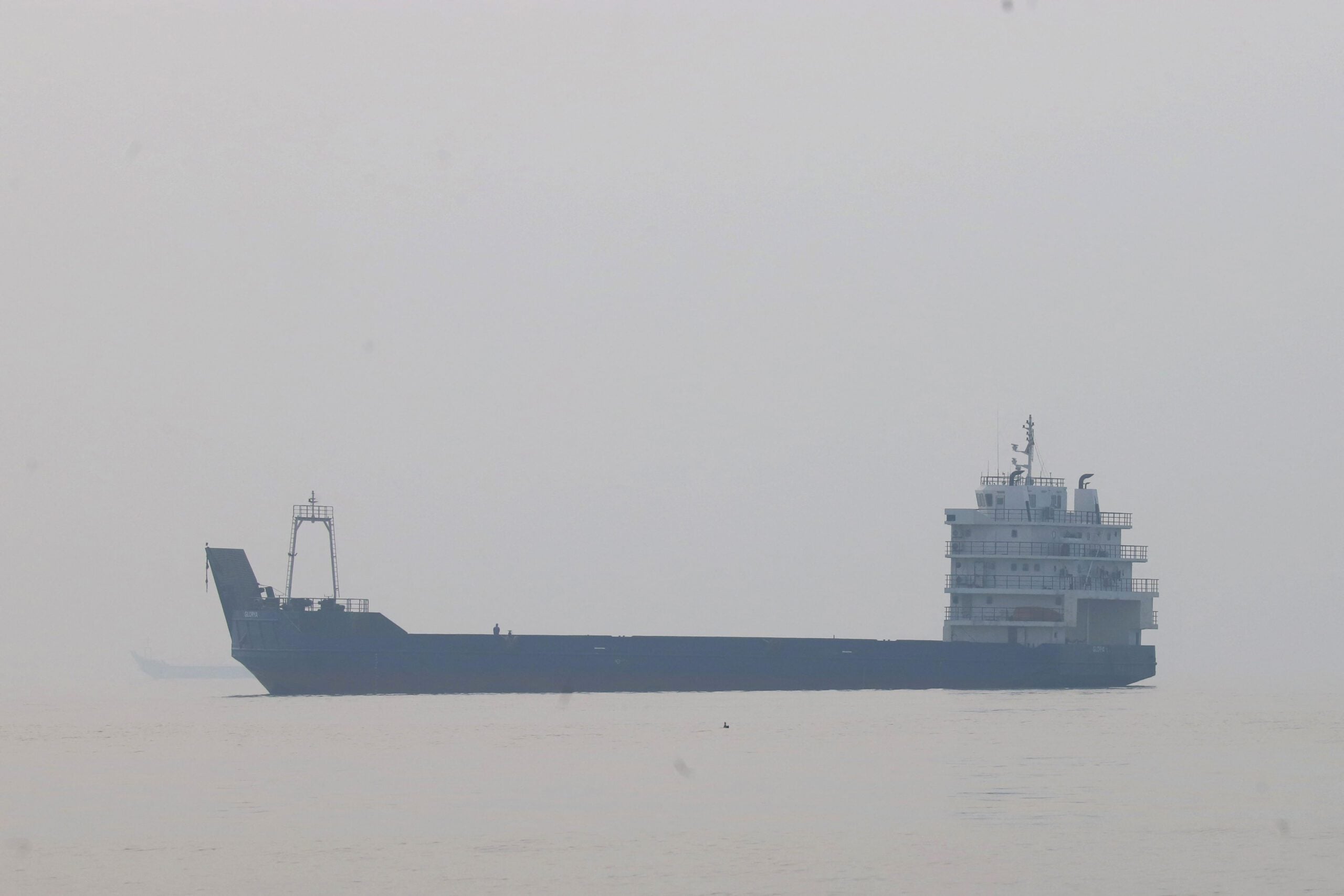
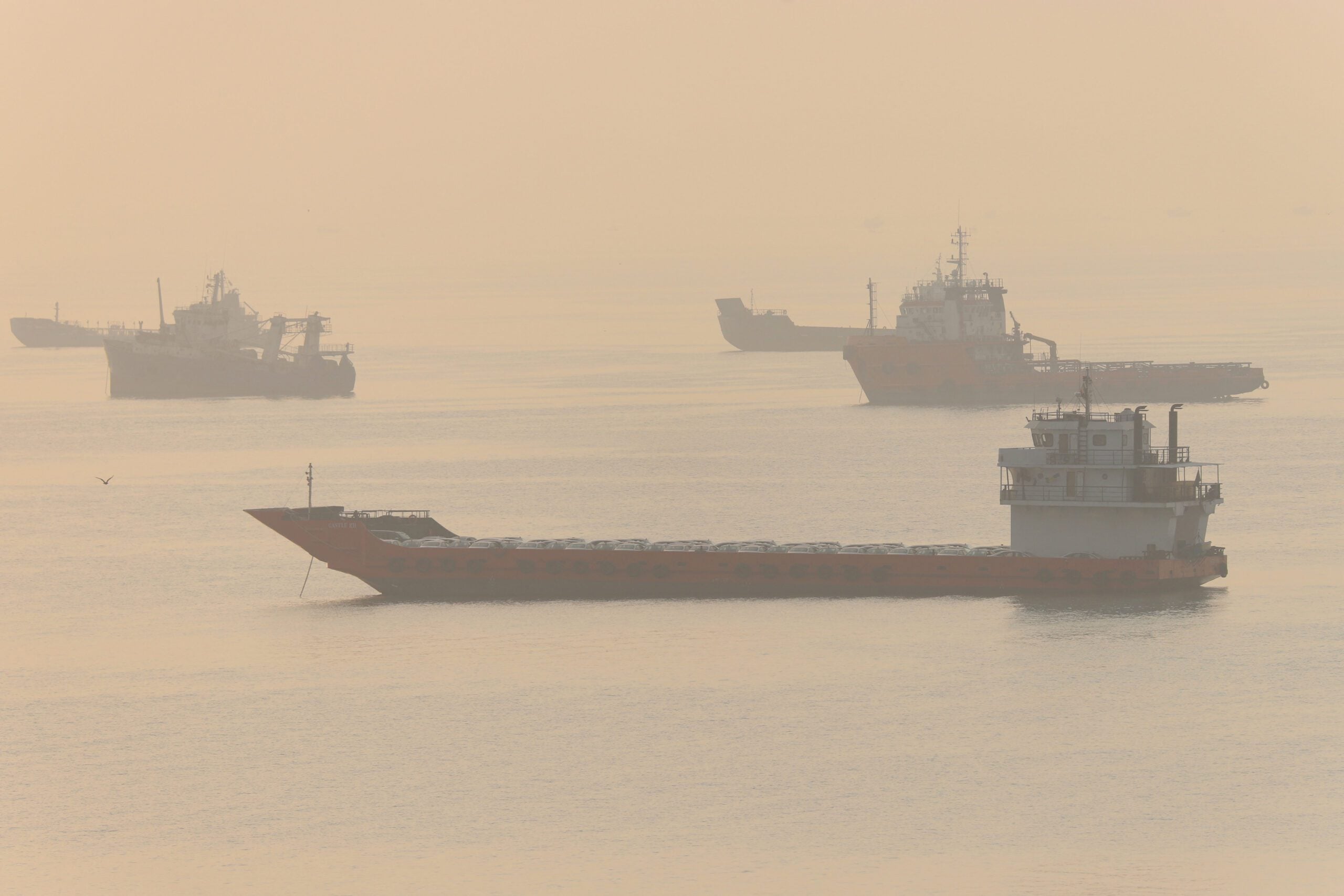
According to UKMTO Warning 046-26, unauthorized persons took control of a cargo vessel about six nautical miles northeast of Garacad on April 26 and redirected it into Somali territorial waters.
Hours earlier, UKMTO Warning 045-26 reported unauthorized persons seized a tanker roughly 45 nautical miles northeast of Mareeyo and maneuvered the vessel 77 nautical miles south into Somali territorial waters.
The two incidents followed another warning issued April 23 involving a likely failed pirate attack south of Eyl, where armed persons aboard two small craft approached a cargo vessel, exchanged gunfire with the ship, and withdrew.
Taken together, the sequence suggests something more serious than isolated criminal boardings.
The latest attacks also come against the backdrop of a piracy uptick that began re-emerging in 2024 alongside Houthi attacks on commercial shipping in the Red Sea. Several attempted hijackings and mothership-style incidents over the past two years had already suggested the threat never fully disappeared—only evolved.
Garacad and surrounding stretches of Somalia’s central and northeastern coast have long featured in piracy activity, and the apparent diversion of both vessels into territorial waters mirrors tactics used during Somalia’s piracy peak, when hijacked vessels were often anchored off the coast while ransom negotiations unfolded.
The incidents may also renew scrutiny on whether stretched naval resources are creating exploitable gaps. International maritime security attention has been heavily focused on crises in the Red Sea and Strait of Hormuz, while counter-piracy patrols in the western Indian Ocean have drawn less attention than during the height of Somali piracy a decade ago.
Yet international naval forces remain active.
EUNAVFOR Operation Atalanta earlier this month demonstrated that counter-piracy mechanisms remain capable of disrupting attacks, using sustained surveillance pressure to force pirates off the hijacked ALWASEEMI without an assault. But the apparent seizure of two larger commercial vessels may present a more serious test.
For shipowners and security planners, the developments could trigger renewed focus on Best Management Practices, armed protection measures, and regional risk assessments for transits near the Horn of Africa and western Indian Ocean.
The incidents also revive concerns that pirate groups may again be experimenting with layered tactics—using smaller hijacked vessels as motherships to extend range before targeting larger merchant ships farther offshore.
For an industry that spent years and billions suppressing Somali piracy, even a handful of successful hijackings carries outsized significance.

 Join The Club