By Jennifer A. Dlouhy
Nov 14, 2026 (Bloomberg) –President Donald Trump is giving energy companies and traders more time to transport oil and other commodities around the US on foreign-flagged ships, renewing a policy intended to lower fuel costs.
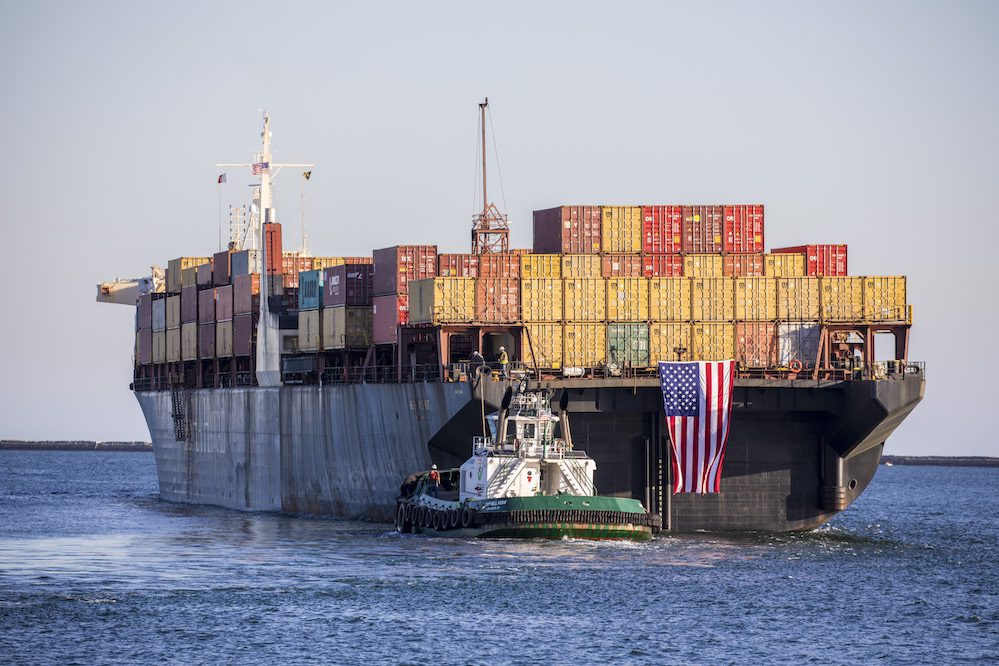
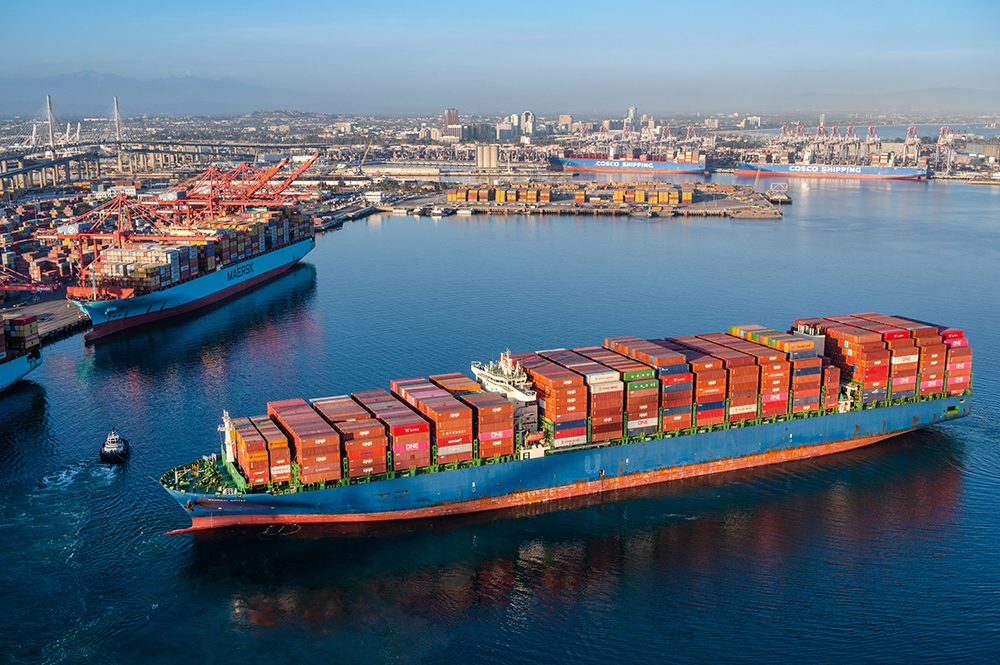
Trump has decided to extend by 90 days a waiver of mandates under the century-old Jones Act that otherwise require cargo carried between US ports to be transported on American-owned, -flagged and -operated vessels, according to a White House official speaking on condition of anonymity before the decision is public.
The extension comes just two days before a previous waiver was set to expire. It will take effect at 12 a.m. Monday New York time, ensuring no gap between the expiration of the prior one, the official said.
The decision underscores the administration’s continued concerns about high energy costs due to the war in Iran, after Democrats trounced Republicans in the November midterm elections that were dominated by voter concerns about the cost of living.
Trump did not change the breadth of the relief, after previously narrowing the waiver’s scope in August to require the government conduct case-by-case reviews of vessel availability.
Read more: Maritime Industry Urges Trump to Let Jones Act Waiver Expire November 15
Shipbuilders and their allies on Capitol Hill had argued against any extension, saying they have undercut longstanding protectionist mandates they see as critical to bolstering domestic shipbuilding capacity.
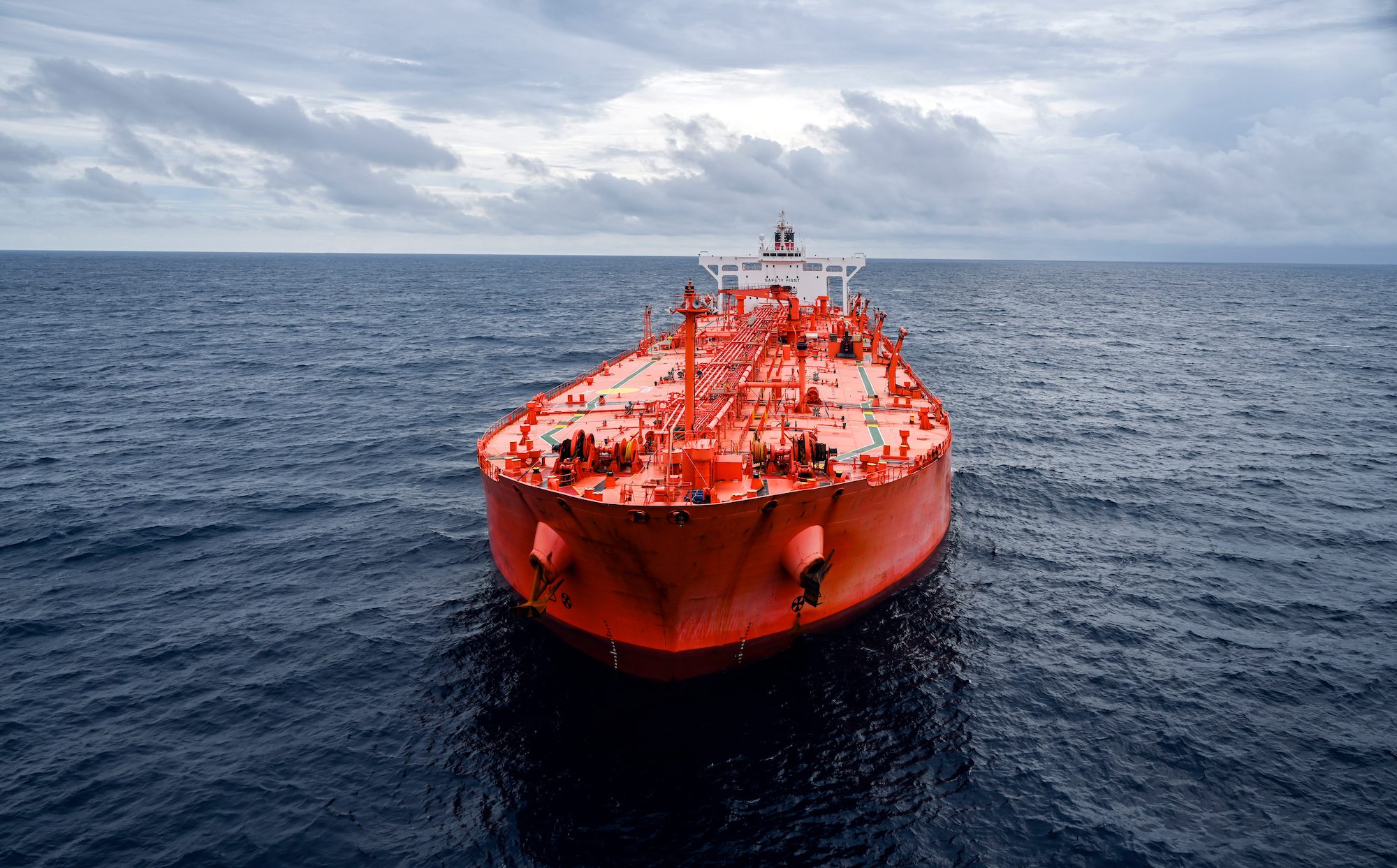
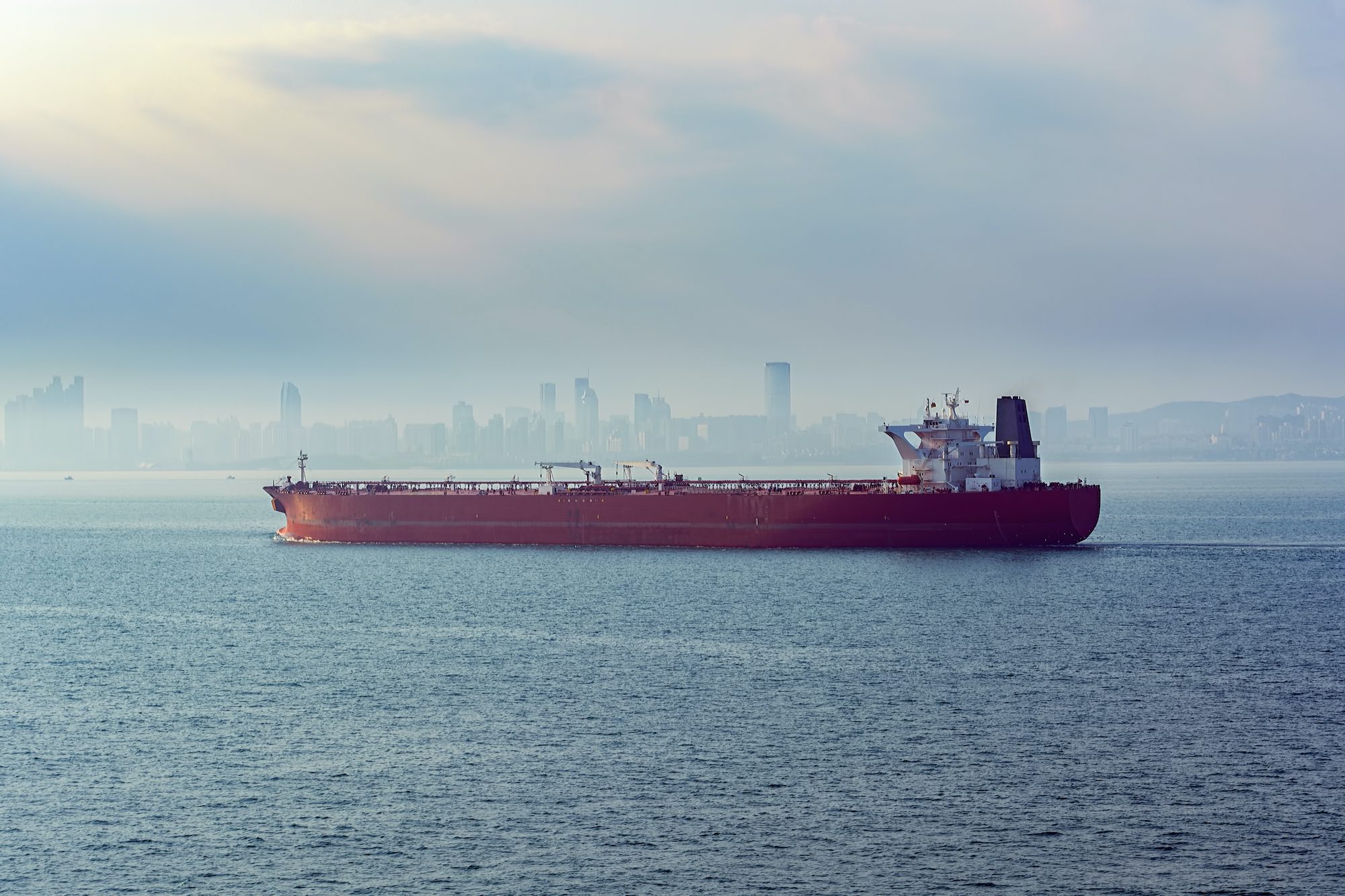
But oil and chemical companies said the waiver has helped move cargoes of crude, fertilizer and other commodities between US ports efficiently and at lower cost, helping counteract supply disruptions stoked by the war in Iran and refinery damage in Russia.
Some 338 voyages have taken place on foreign vessels since Trump first waived Jones Act restrictions in March, including shipments of Texas crude to Pennsylvania and propane to Puerto Rico, according to government data analyzed by the Cato Institute.
California has received the majority of shipments, with 23 million barrels of additional products carried to the state compared with 8 million barrels during the same period last year, the White House official said.
An additional 90 million barrels of products — mostly refined fuels — have been shipped between US ports since the waiver was first issued, with gasoline, crude oil and renewable fuel being the biggest beneficiaries, according to the official. The current waiver has helped enable the transport of some 13 million barrels of products, more than a third of which has been gasoline, with about 28% crude oil.
The waiver’s use, however, has shrunk after Trump limited its scope.
Under the new approach, the US Maritime Administration needs to be consulted on the availability of US-flagged, -owned and -operated vessels before the waiver is applied to individual voyages.
Products that benefit under the waiver include gasoline, jet fuel, crude oil, naphtha, liquefied natural gas, soy oil and fertilizers.
Trump’s Jones Act exemption has been the longest and broadest waiver of the law in more than seven decades. Previous presidents have discretely lifted Jones Act mandates for individual voyages and short periods in the wake of hurricanes and pipeline outages that disrupted fuel flows.
© 2026 Bloomberg L.P.

 Join The Club