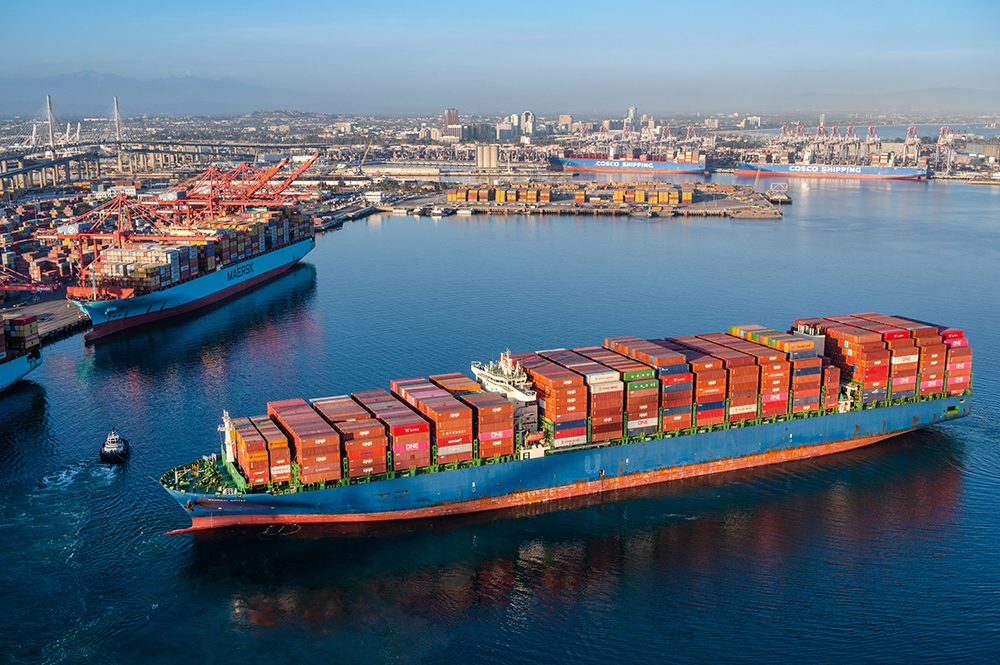
The Trump administration has formally extended its suspension of port fees targeting Chinese-built and Chinese-operated vessels for another two months, keeping the controversial measures on hold while Washington continues trade negotiations with Beijing.
The decision, published Tuesday in the Federal Register, extends the suspension through 11:59 p.m. Eastern Time on January 9, 2027, with the measures potentially resuming January 10 unless further action is taken.
The extension took effect November 9, preventing the fees from returning following the expiration of an earlier one-year suspension agreed to under a trade deal between President Donald Trump and Chinese President Xi Jinping in November 2025.
Under the notice issued by the Office of the United States Trade Representative (USTR), shipping companies will not accrue liability for or be required to pay the maritime transport fees established under the administration’s Section 301 investigation into China’s dominance of the maritime, logistics, and shipbuilding sectors. The extension also maintains the suspension of additional duties on Chinese ship-to-shore cranes and other cargo-handling equipment.
The measures were originally adopted in April 2025 and subsequently modified in October 2025 as part of a broader effort to counter China’s growing influence over global shipbuilding and maritime transportation.
The administration initially suspended the measures for one year beginning November 10, 2025, following a trade agreement between Trump and Xi. The latest extension provides another two months for negotiations.
USTR said the circumstances that justified the original suspension remain in place, with discussions between the two countries continuing.
The decision follows an October 26 proposal to extend the suspension, which drew approximately 60 unique public comments.
According to USTR, supporters argued that keeping the measures on hold would prevent higher shipping costs, avoid commercial disruptions and provide additional time for negotiations with China.
Opponents, however, warned that suspending the fees would weaken incentives to invest in American shipbuilding and related industries, potentially allowing China’s dominance of the sector to grow.
Other commenters urged the administration to permanently eliminate certain maritime service fees, citing potential disruptions to U.S. exports. Some also called for the tariffs on Chinese cargo-handling equipment to be considered separately from the vessel fees.
Despite the extension, USTR emphasized that rebuilding American shipbuilding capacity remains a priority.
During the suspension, the administration said it would continue working to expand domestic commercial shipbuilding, develop a more resilient maritime workforce and coordinate with allies to strengthen U.S. shipbuilding capabilities.
The extension also leaves open the possibility that the fees could return early next year.
USTR said it will continue monitoring China’s maritime and shipbuilding practices and consider whether to extend the suspension again or take further action before the January 10 deadline.
The decision comes as China has also extended its suspension of retaliatory port fees targeting U.S.-linked vessels until January 10, 2027, according to a Reuters report on Monday. China also extended its suspension of an investigation into the security of shipping and shipbuilding supply chains.

 Join The Club