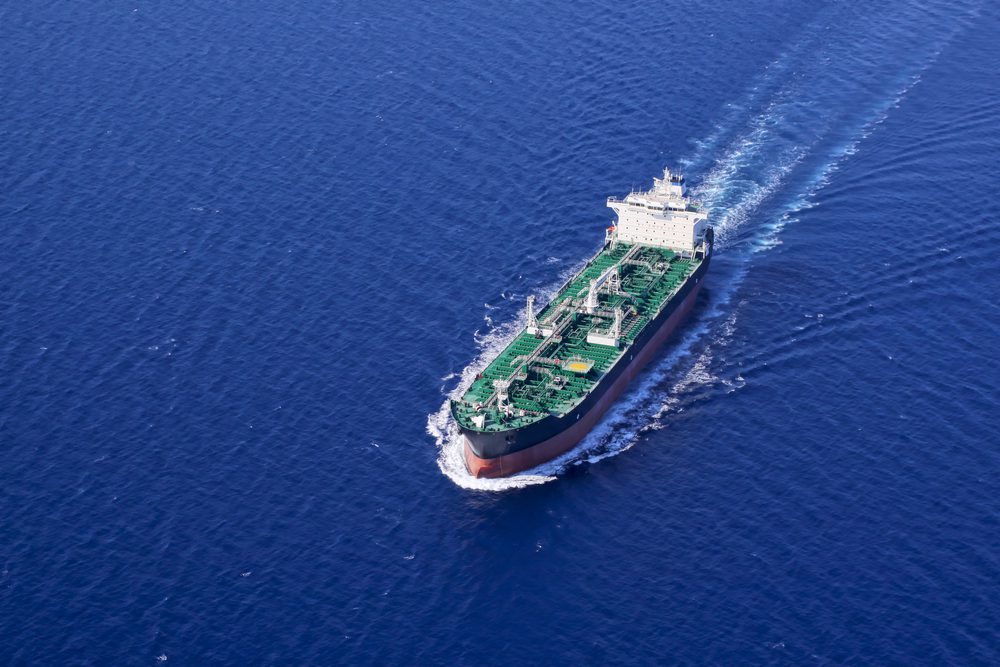
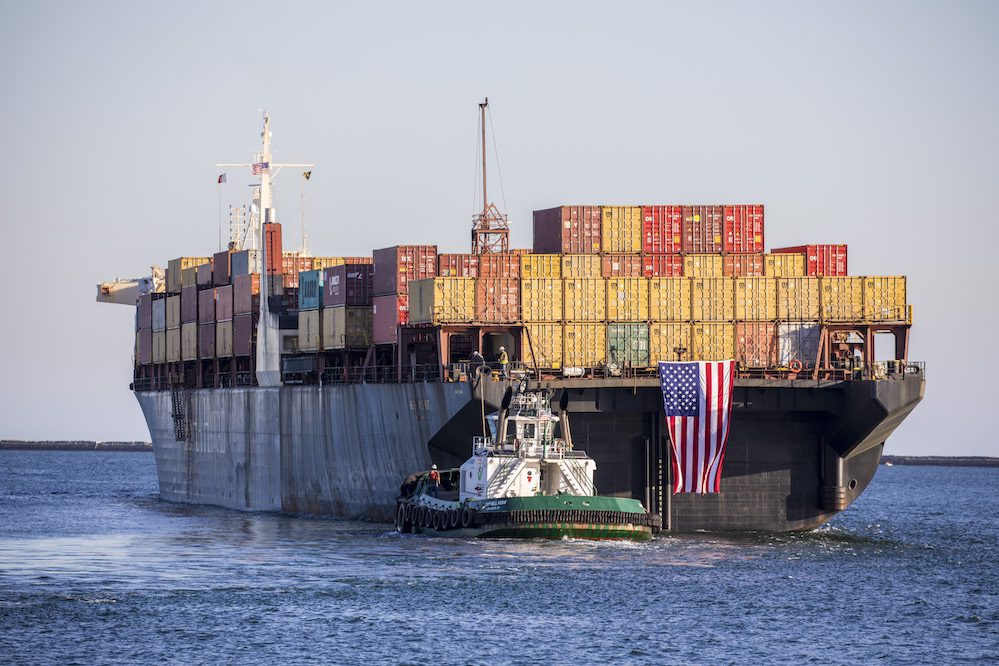
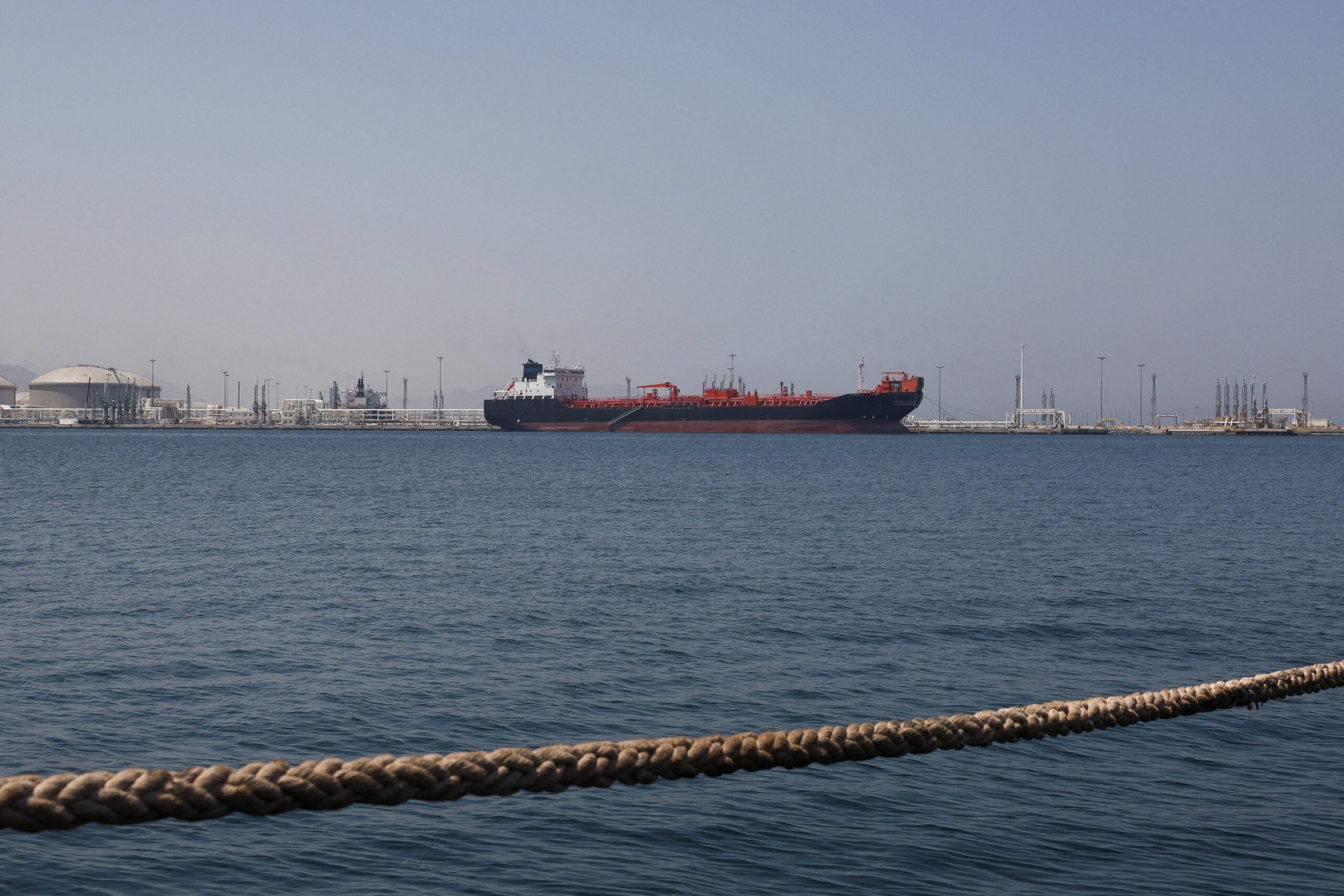
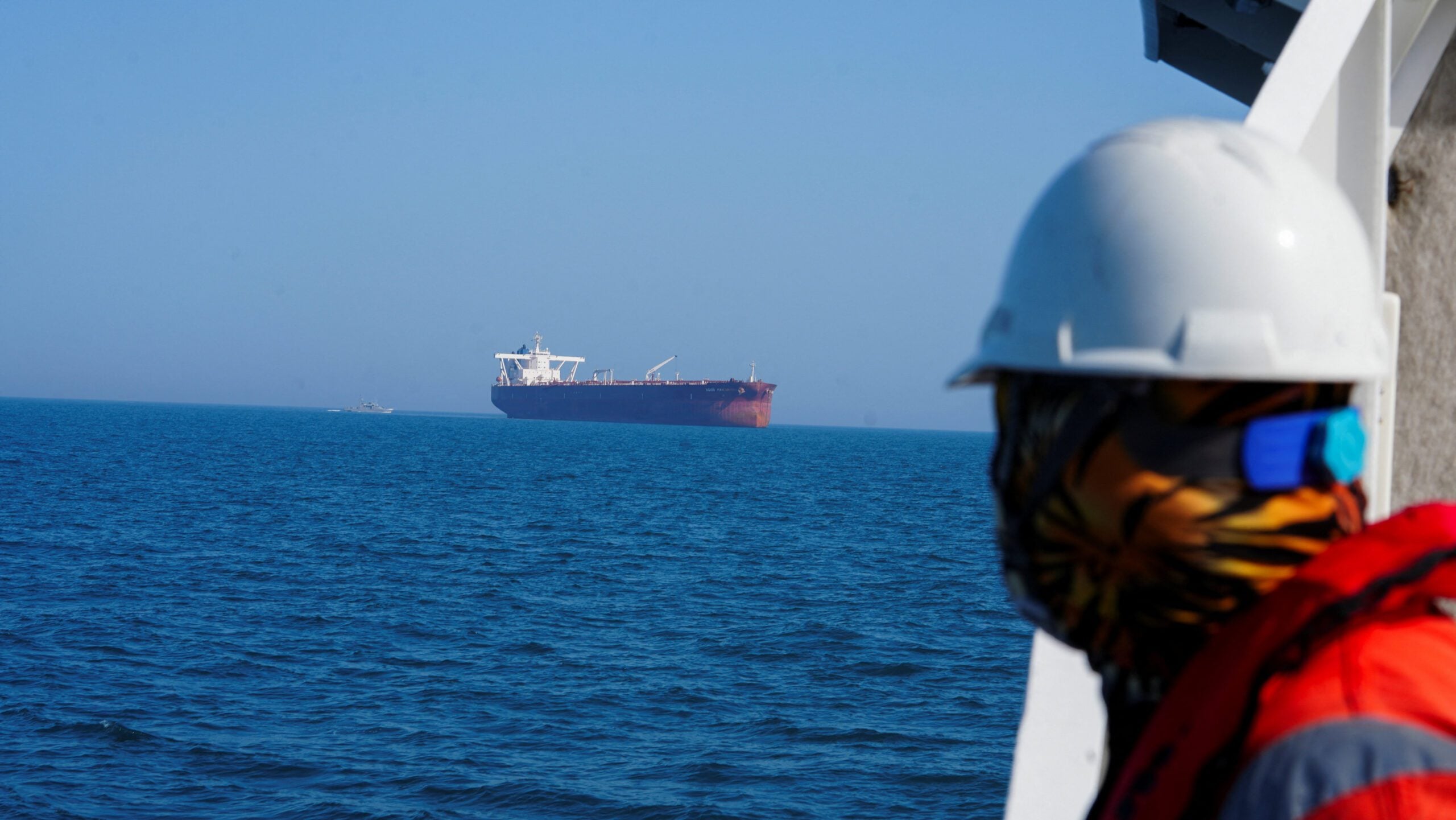
The Trump administration has extended its emergency Jones Act waiver for another 90 days, allowing foreign-flagged vessels to continue transporting oil and other commodities between U.S. ports under a case-by-case approval process, despite growing opposition from the domestic maritime industry.
The extension, confirmed Friday by U.S. Customs and Border Protection, takes effect November 16 and runs through February 14, 2027, prolonging what has become the longest-running waiver in the history of the century-old shipping law.
CBP said the Department of Homeland Security approved the third extension of the waiver originally issued March 17 at the request of the Department of War. Covered cargo must be loaded aboard an authorized vessel before 11:59 p.m. Eastern Time on February 14.
The Jones Act generally requires cargo transported between U.S. ports to move aboard American-built, American-owned and American-crewed vessels. The administration first suspended those requirements for certain commodities in March as the war with Iran disrupted global energy markets and pushed fuel prices higher.
The White House has defended the waiver as a way to ease transportation bottlenecks and increase shipping flexibility.
The administration initially issued a blanket waiver before moving in August to a more restrictive, voyage-by-voyage approval process following criticism from U.S. maritime operators, shipbuilders and lawmakers.
That process remains in place under the latest extension.
Companies seeking to use foreign-flagged vessels must first submit a request identifying the vessel, cargo, proposed voyage and national defense justification. The Maritime Administration (MARAD) then conducts a market survey to determine whether a Jones Act-qualified vessel is available to perform the transportation.
The Department of War makes the final determination on whether the waiver applies to the proposed voyage.
Maritime Industry Pushes Back
The extension drew immediate criticism from U.S. maritime industry groups, which argue that continued exemptions undermine the administration’s stated goal of rebuilding American shipbuilding and strengthening the domestic fleet.
The American Maritime Partnership (AMP) called for the waiver to end while urging strict enforcement of the existing approval process.
“AMP calls for a prompt end to the waiver and looks forward to working with the Administration to advance our shared goal of restoring American maritime dominance by unleashing investment in rebuilding and growing the U.S. domestic fleet,” the organization said.
AMP urged officials to ensure that individual exemptions meet the statutory standard of military necessity and are not used to displace American vessels and mariners on routine commercial voyages.
The group also stressed that foreign operators receiving waivers remain subject to applicable U.S. tax, immigration and employment laws.
The Offshore Marine Service Association (OMSA), which represents 170 companies and approximately 12,000 American workers, issued a sharper warning, arguing that repeated exemptions are eroding confidence in the domestic maritime industry.
“The offshore industry has seen this happen before. Every exception gets sold as temporary, and every one leaves fewer opportunities for American vessels and mariners,” said OMSA President and CEO Aaron Smith.
“What started as a 60-day measure is now heading into its ninth month, and it still hasn’t delivered. Every extension tells investors the market for American vessels can disappear on the whim of a bureaucrat, and that investment goes overseas.”
OMSA also raised concerns about transparency in the case-by-case approval process, arguing that information about approved movements is frequently published weeks or months after the cargo has moved.
Although MARAD publishes reports covering waiver voyages, OMSA says the delayed disclosure makes meaningful oversight difficult.
“The public still can’t see who is asking, what’s being approved, or why,” Smith said. “When the data does come out, it comes out in clumps, long after the cargo has moved. That isn’t an oversight. That’s a paper trail written after the fact.”
The association compared the current waiver to decades of regulatory exceptions affecting the U.S. offshore energy industry, which it argues have allowed foreign vessels to capture work that would otherwise support American operators and mariners.
The latest extension sets up another three months of tension between the administration’s efforts to ease domestic fuel transportation costs and its broader push to restore American maritime capabilities.
For now, foreign-flagged vessels will remain eligible for approved domestic shipments through mid-February, while U.S. maritime groups continue pressing Washington to bring the emergency exemption to an end.

 Join The Club