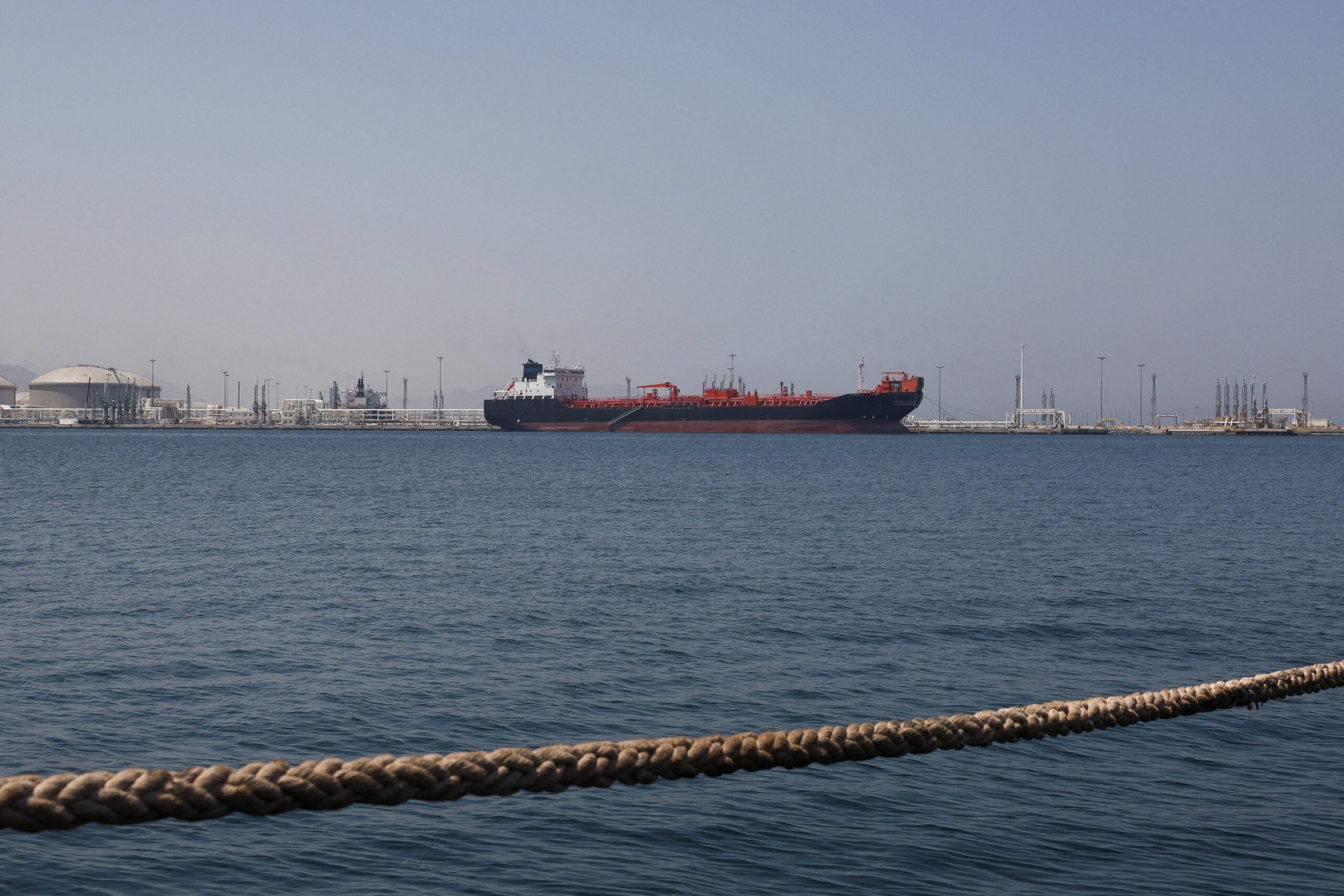
Global oil markets are beginning to recover from the Iran war, but shipping through the Strait of Hormuz remains severely disrupted, with vessel traffic roughly 65% below pre-conflict levels and tanker attacks continuing across the region.
Separate reports released Friday by the International Energy Agency (IEA) and UK Maritime Trade Operations (UKMTO) highlight the uneven recovery in energy trade nearly nine months after the conflict began.
The IEA said global oil supplies are on track to exceed demand by 1.7 million barrels per day in the fourth quarter, reversing its previous forecast of a deficit as Persian Gulf producers restore disrupted exports.
Gulf oil exports, excluding Oman, climbed to 18.4 million barrels per day in October, just 26% below pre-war levels. Crude shipments accounted for much of the recovery, reaching 15 million barrels per day, or about 82% of pre-war volumes.
Yet the rebound in oil shipments has not translated into a broader recovery in vessel traffic.
Hormuz Traffic Remains Deeply Disrupted
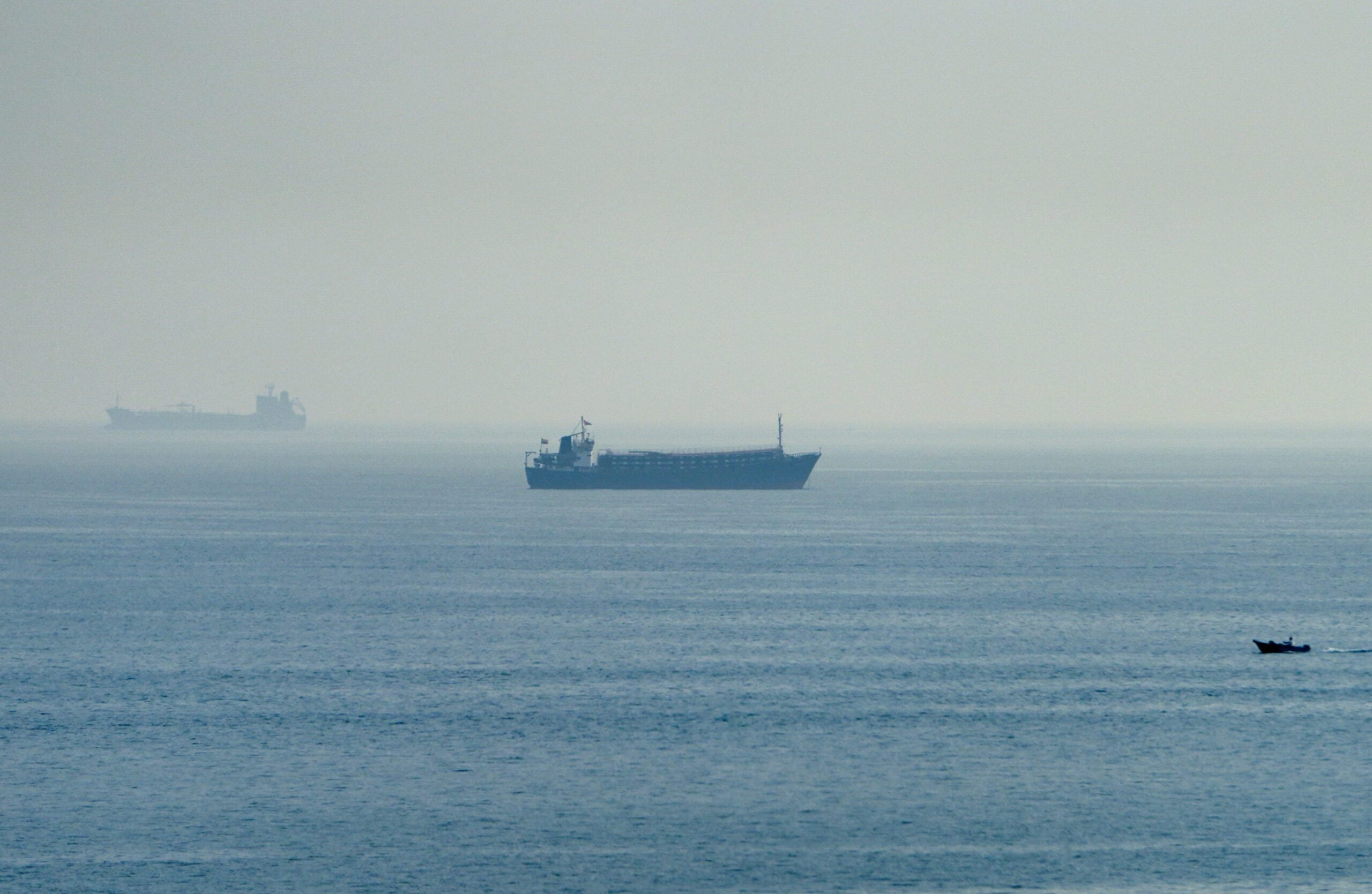
In its latest weekly assessment, UKMTO reported 139 outbound and 169 inbound transits through the Strait of Hormuz, with overall traffic still approximately 65% below pre-conflict levels.
The figures combine AIS-tracked vessel movements with U.S.-reported facilitated transits, including ships operating without broadcasting AIS signals. UKMTO cautioned that it could not independently verify the U.S. figures.
The security situation remains dangerous. UKMTO documented eight maritime security incidents during its latest reporting period, including seven tanker attacks. Five incidents occurred in the Strait of Hormuz, two in the Arabian Gulf and one in the Gulf of Oman.
Three vessels continued their voyages, three required assistance and the outcomes of two remained unknown. None was reported sunk.
UKMTO also noted that while most AIS-broadcasting vessels continue to use the Iranian route, more ships are using the southern passage. Most reported projectile strikes since July 6 have occurred along that southern route.
More Oil Moving, But Shipping Costs Remain High
The recovery in Gulf exports is beginning to ease pressure on global oil markets. According to the IEA, observed oil inventories increased by 52 million barrels in October, while oil volumes on the water jumped by 86 million barrels to their highest level since January.
For tanker operators, however, conditions remain difficult.
Freight rates for crude shipments from the Middle East to Asia remain near record levels, according to the IEA, even as rates for Aframax and Suezmax tankers have eased.
The contrast underscores the uneven recovery. While Gulf producers have restored substantial crude export volumes, commercial shipping continues to operate under significant security constraints. The IEA’s October export figures and UKMTO’s November vessel counts measure different periods and activity, but together point to a market recovering faster than normal shipping conditions.
The improvement has also been concentrated in crude oil. Gulf exports of refined products and liquefied petroleum gas remain at roughly half their pre-war levels, contributing to persistent shortages.
Diesel is particularly tight, with European prices still near $180 per barrel, roughly 77% above pre-war levels. To ease the shortage, IEA member countries plan to make another 71 million barrels of emergency stocks available by the end of February, including 15 million barrels of diesel.
Meanwhile, the recovery in oil supplies has helped push crude prices sharply lower. North Sea Dated crude has fallen from an October peak of $136 per barrel to around $93, although prices remain well above pre-war levels.
The latest reports suggest global oil supplies are recovering despite continued disruption to one of the world’s most important maritime chokepoints.
But with tanker attacks continuing, freight rates elevated and Hormuz traffic still far below normal, the recovery remains vulnerable to renewed disruption.

 Join The Club