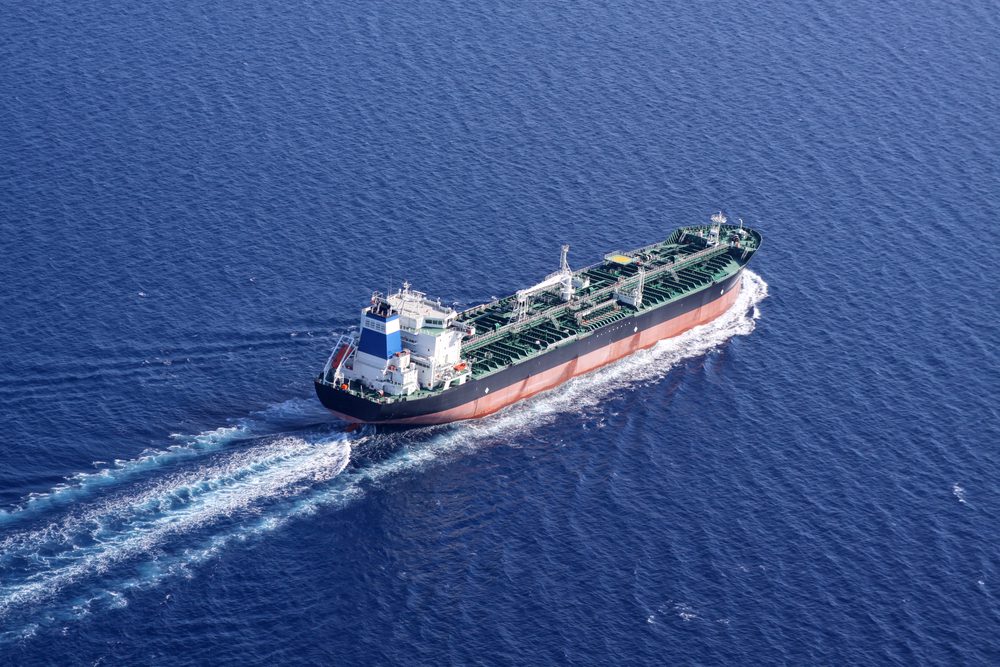
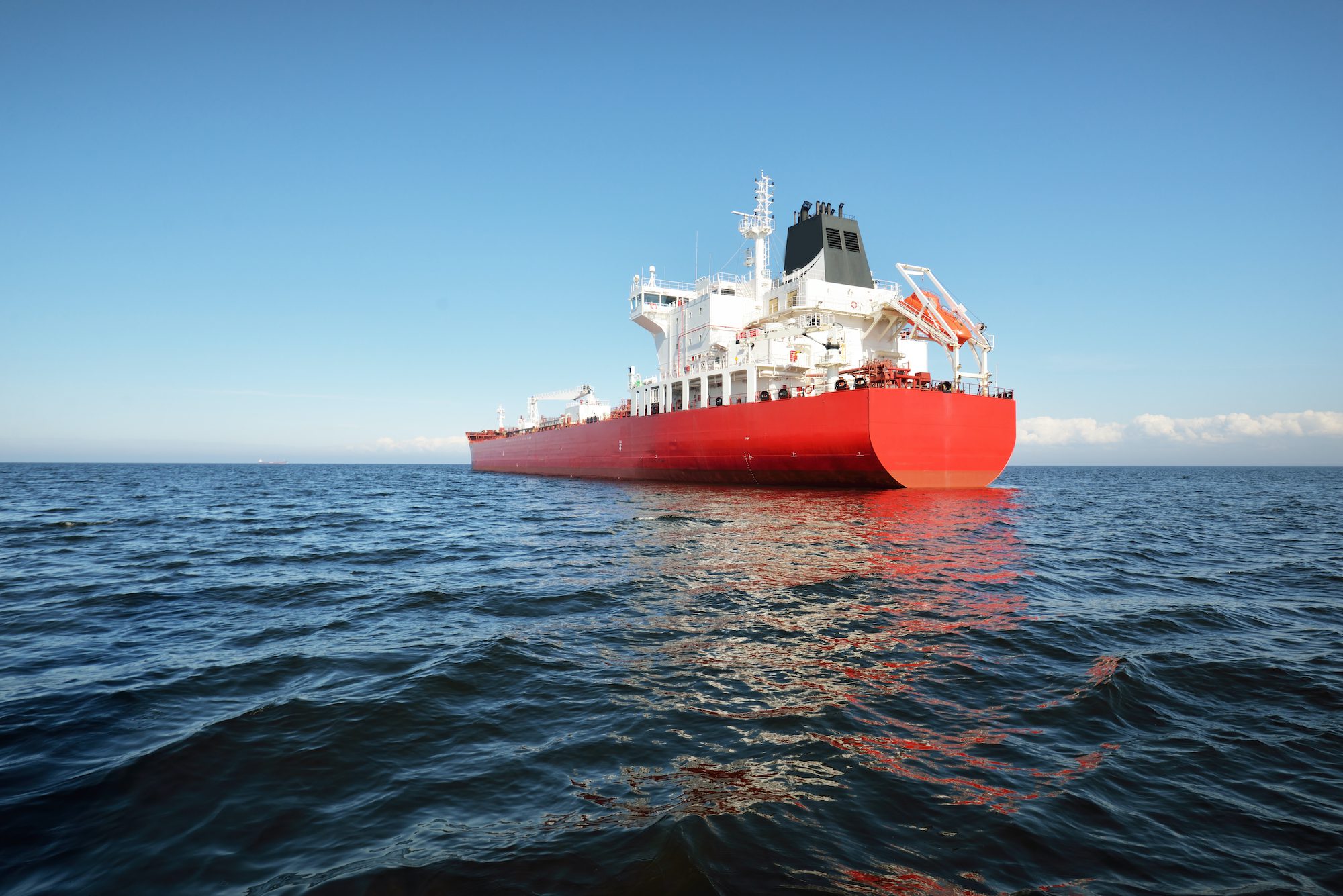
The Trump administration’s decision to extend its Jones Act waiver for another 90 days is drawing sharply divided reactions, with U.S. maritime and shipbuilding groups welcoming new restrictions on foreign vessels while warning that continued exemptions could undermine efforts to rebuild the domestic maritime industrial base.
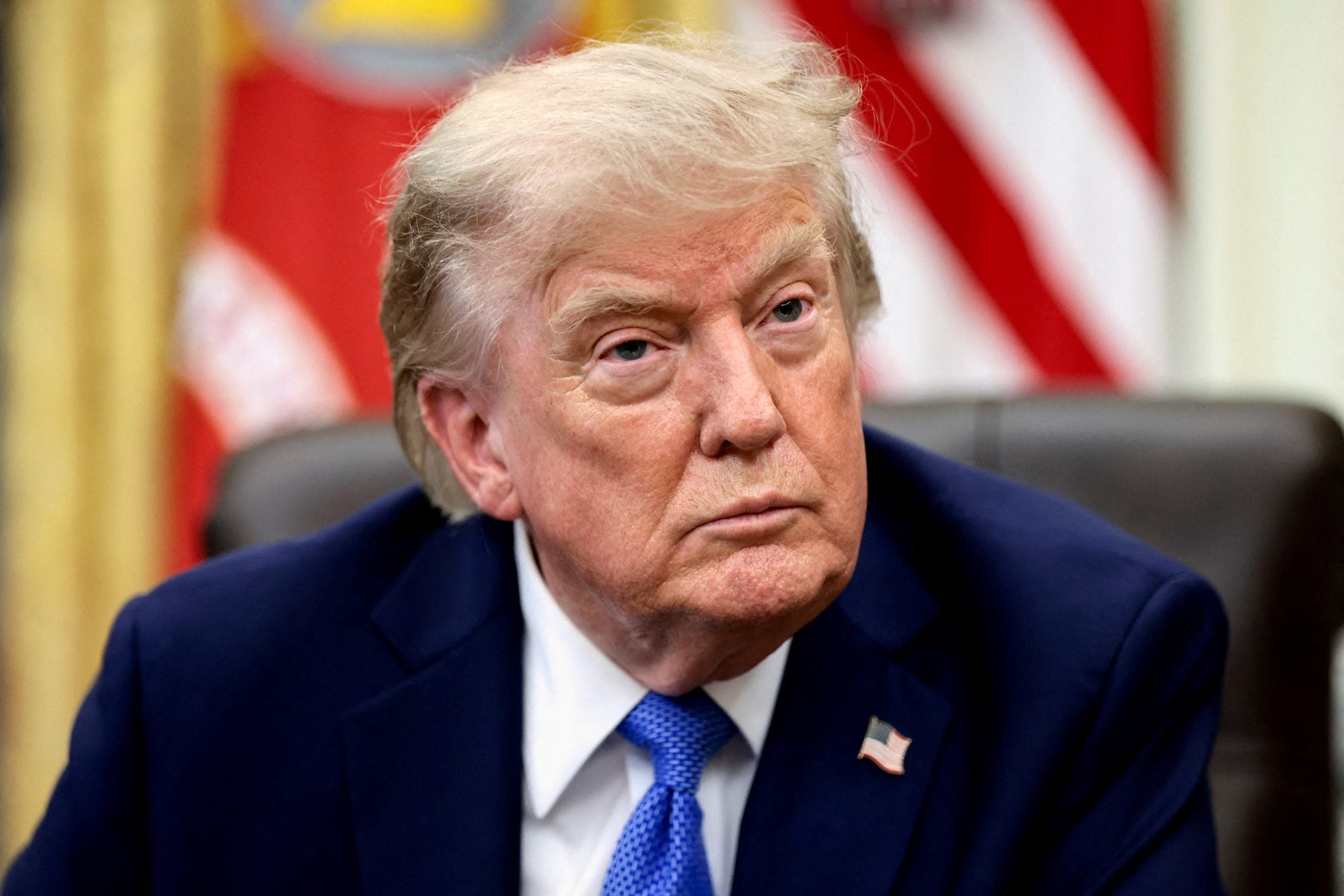
President Donald Trump on Monday extended the waiver allowing foreign-flagged vessels to transport oil and other commodities between U.S. ports, keeping the exemption in place for another 90 days beginning August 17.
The extension comes as the war with Iran continues to disrupt global energy flows and push up fuel prices, increasing pressure on the administration to ease transportation bottlenecks and keep domestic energy supplies moving.
The administration did, however, narrow the waiver following pressure from U.S. shipbuilders, vessel operators and their allies in Congress. Rather than continuing the blanket exemption, individual voyages will now undergo case-by-case review.
Matthew Paxton, President of the Shipbuilders Council of America, welcomed the shift toward a more limited waiver process, particularly requirements aimed at determining whether U.S. vessels are available before foreign ships are permitted to enter the domestic trade.
“While global instability highlights the critical need to strengthen the American maritime, shipbuilding, and supplier base, we are encouraged that the Administration is taking a key step forward by adopting a limited Jones Act waiver process—one that strictly verifies domestic ship availability and restricts eligible cargo to prevent foreign exploitation,” Paxton said.
He warned, however, that broad waivers could work against the administration’s push to revive U.S. shipbuilding by discouraging investment in new vessels and domestic maritime capacity, even as the Trump administration seeks to revitalize the domestic maritime industry after decades of decline.
“Broad Jones Act waivers stifle the long-term capital investments essential to our commercial shipbuilding markets, maritime fleet, and domestic supply chains,” Paxton said. “As the U.S. shipyard industrial base works alongside the Trump Administration to spark a generational revitalization of our maritime sector, any future waivers during this 90-day period must be strictly justified on a national security basis to safeguard this historic progress.”
The American Waterways Operators (AWO), representing the U.S. tugboat, towboat and barge industry, also welcomed the changes but said the administration should have allowed the broader waiver to expire.
“While AWO appreciates the dialogue with Administration officials that led to changes to this waiver – including the requirement that the Department of War consult with the Maritime Administration on the availability of Jones Act-qualified vessels and a narrowing of the scope of commodities covered by the waiver – we are deeply disappointed that the waiver has been extended,” the group said.
AWO argued that the public record from the past five months shows the waiver has not been driven by military needs, has failed to reduce gasoline prices and has allowed foreign vessels — including ships with links to China and Russia — to take business from American operators.
The group said it would now focus on ensuring individual waiver applications face close scrutiny, including determining whether a legitimate national defense need exists and whether a qualified U.S. vessel is available.
AWO also called for foreign vessels operating under exemptions to comply with applicable U.S. tax, immigration, labor and environmental laws.
The American Maritime Partnership (AMP), a coalition supporting the Jones Act, struck a similar tone.
AMP President Jennifer Carpenter called the shift to case-by-case reviews “an improvement over the previous blanket Jones Act waiver,” arguing the earlier policy had taken work from American mariners and shipbuilders while freezing investment in the domestic maritime industrial base.
But Carpenter said the coalition remained disappointed that the waiver itself had been extended.
“The waiver has not lowered fuel prices for American consumers and has been used to increase oil traders’ margins, not meet military needs,” Carpenter said.
AMP urged the administration to closely examine the national defense justification behind every application and determine whether U.S.-flagged vessels are available before granting exemptions to foreign ships.
The waiver has already generated significant foreign-flagged coastwise shipping activity. Maritime Administration data showed 212 voyages had been completed under the exemption as of August 8.
Supporters of Jones Act reform seized on those voyages as evidence that the law itself restricts U.S. domestic commerce.
Colin Grabow and Scott Lincicome of the Cato Institute said more than 54 million barrels of energy products had moved between U.S. ports on more than 200 voyages since the waiver began in March.
They argued the shipments revealed significant gaps in the Jones Act-qualified fleet, including a lack of suitable vessels for commodities such as bulk propane and asphalt. The waiver also facilitated nearly 15 million barrels of shipments to the West Coast and new movements of U.S. propane to Puerto Rico, according to Cato.
“The waiver has given us a trove of real-world data showing some of the commerce that this protectionist law has blocked for more than a century,” Grabow and Lincicome said.
But they described the temporary exemption as a “band-aid,” arguing Congress should pursue broader changes or repeal the Jones Act’s protectionist provisions altogether.
Americans for Prosperity went further, saying the record-long suspension demonstrated the case for eliminating the law altogether.
“President Trump deserves credit for putting American families ahead of a century-old protectionist mandate,” AFP Chief Government Affairs Officer Brent Gardner said. “Extending the Jones Act waiver will help keep energy moving during this critical time, while also furthering the case for the law’s repeal, because temporary waivers are no substitute for permanent reforms.”
The Jones Act, formally Section 27 of the Merchant Marine Act of 1920, requires cargo moving between U.S. ports to travel aboard vessels that are U.S.-built, U.S.-owned and U.S.-crewed.
The waiver was originally scheduled to expire August 16. With the additional 90 days, the exemption represents the longest suspension of the Jones Act in its more than century-long history.
The American Petroleum Institute, meanwhile, backed the extension, arguing targeted waivers provide needed flexibility to move American energy between domestic ports during a period of global market volatility. Analysts have cautioned that while additional tanker availability can reduce transportation constraints, the effect on gasoline prices is likely to amount to only pennies per gallon.
The reactions underscore the increasingly stark divide over what the unprecedented waiver means for the Jones Act itself.

 Join The Club