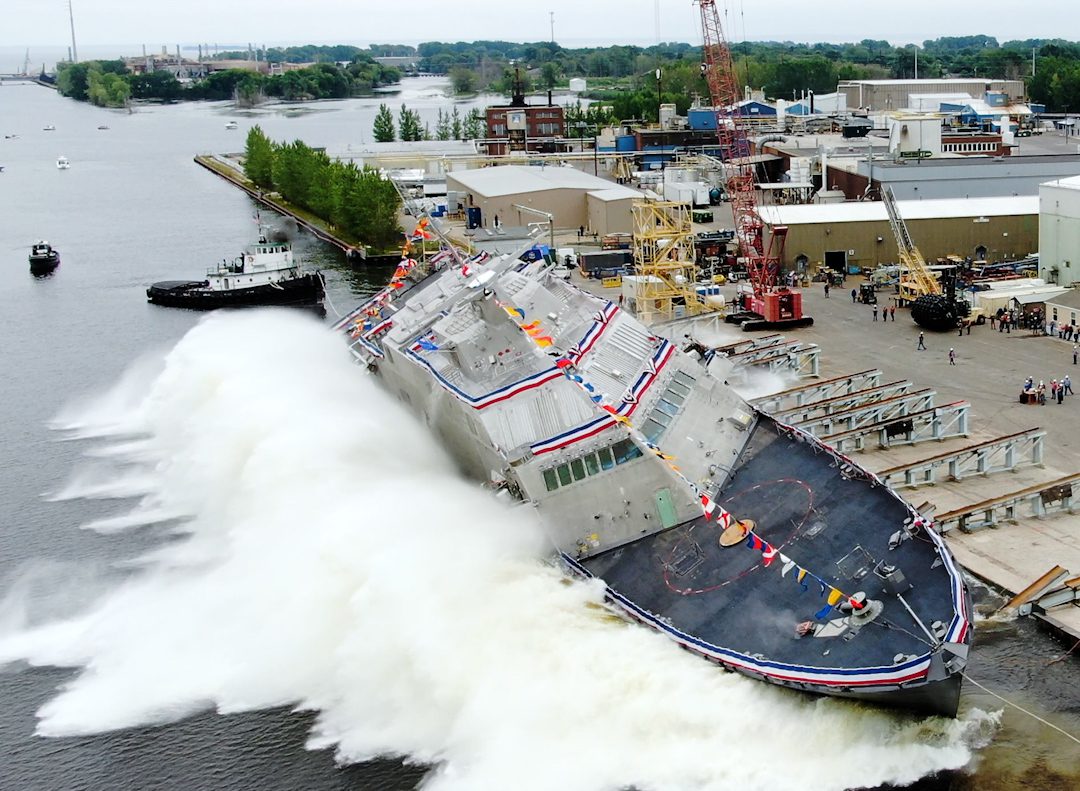
President Donald Trump’s push to open U.S. Navy shipbuilding to foreign yards is running into resistance from American shipbuilders and lawmakers who argue the policy risks sending jobs and critical industrial capacity overseas just as Washington is spending billions to rebuild the domestic maritime industry.
The pushback follows Trump’s August 13 national security memorandum creating a pathway for foreign shipbuilders to construct the first two vessels of certain U.S. Navy programs at their home yards before shifting follow-on production to the United States.
The administration calls the approach the “Finland Model,” borrowing from the U.S. Coast Guard’s Arctic Security Cutter program. To qualify, foreign shipbuilders must build or acquire a controlling stake in a U.S. shipyard, hire and train American workers, transfer proprietary shipbuilding technology and establish a U.S. supply chain.
The model could be applied to three vessel types: a new surface combatant capable of anti-submarine warfare, surface warfare and convoy escort missions; Consolidated Cargo Replenishment at Sea tankers; and roll-on/roll-off vessels.
The White House argues the arrangement can deliver ships more quickly while bringing foreign capital, technology and shipbuilding expertise into the United States. The administration has already used a similar strategy for icebreakers, describing overseas construction as a temporary bridge while domestic capacity is expanded.
But U.S. shipbuilders are warning that every vessel constructed abroad is work that could instead support American yards.
“While foreign investment into the U.S.-based shipyards and facilities is lauded to reach the Administration’s goals of revitalizing the shipyard industrial base, directing the DoW to build overseas only undercuts the federal Maritime Action Plan and generational investment into commercial and government shipbuilding,” Shipbuilders Council of America President Matthew Paxton said in a statement.
“Every hull built abroad is demand, jobs, and industrial capability diverted from American shipyards this Administration pledged to rebuild,” Paxton added. “We urge the Department to reverse course and redirect this funding to qualified U.S. shipyards.”
The opposition exposes a growing tension within Trump’s broader Maritime Dominance agenda.
The administration’s Maritime Action Plan itself acknowledges a role for foreign-built vessels as a stopgap while U.S. shipbuilding capacity is rebuilt, while maintaining that U.S.-built ships should ultimately take over that work.
Trump’s Navy directive takes that concept further by allowing qualifying foreign builders to construct Navy vessels overseas, provided the companies make substantial investments in American shipbuilding.
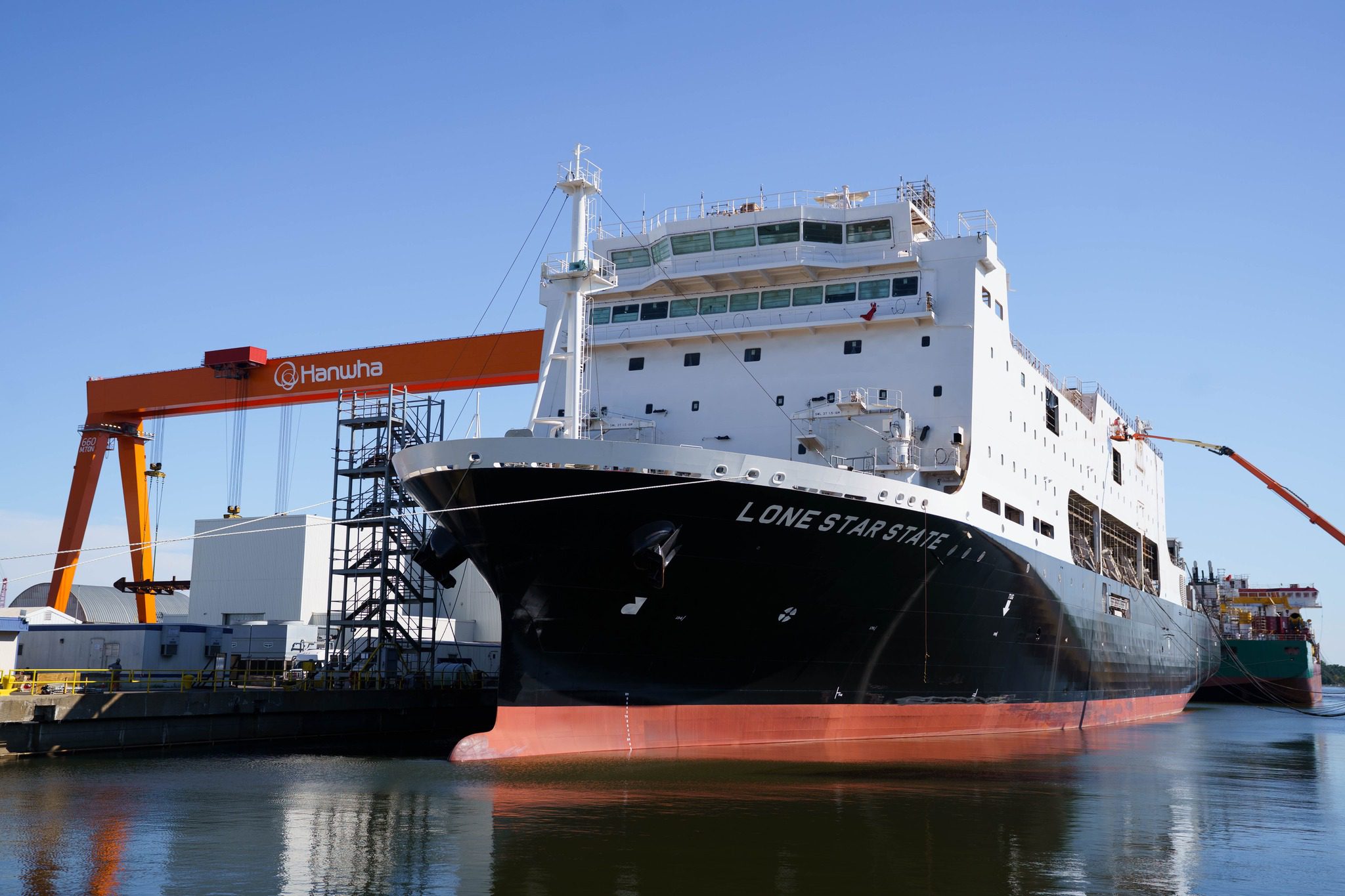
South Korea’s Hanwha and Italy’s Fincantieri have emerged as potential beneficiaries. Hanwha acquired Philly Shipyard in 2024 and has pledged $5 billion toward expanding the facility, while Fincantieri has invested more than $800 million in its U.S. shipyards over the past decade. Shares of both companies rose following Trump’s announcement.
Congress Pushes Back
Resistance is also building on Capitol Hill, where lawmakers have already moved to restrict the Navy’s ability to send ship construction overseas.
Rep. Jared Golden, a Maine Democrat whose district includes General Dynamics Bath Iron Works, blasted Trump’s directive as inconsistent with the administration’s “America First” message.
“I don’t know how we’re supposed to take any soaring ‘America-first’ language from this administration seriously when it appears to be bound and determined to send American shipbuilding jobs overseas and, now, to sell American shipyards to foreign corporations,” Golden said.
Golden pointed to language he successfully added to the House-passed fiscal 2027 National Defense Authorization Act that would prohibit funds authorized under the legislation from being used to enter into contracts for battle force ships constructed in foreign yards.
The provision was aimed at an earlier Pentagon shipbuilding proposal that contemplated allowing U.S. ships or portions of ships to be constructed overseas. The House passed its version of the NDAA in July.
Golden said the Senate is considering similar restrictions, potentially putting Congress on a collision course with the White House over the foreign construction strategy.
“Congress must take seriously its job to protect national security and American jobs,” Golden said.
If such restrictions survive the legislative process and become law, they could complicate the surface-combatant portion of Trump’s Finland Model. The precise impact on replenishment tankers and roll-on/roll-off vessels would depend on the final language and how those vessels are classified and funded.
The presidential memorandum itself recognizes Congress’ role. Trump delegated authority to the Secretary of War to make national security determinations allowing waivers from the general prohibition on Armed Forces vessels being constructed in foreign shipyards, but Congress must receive notice at least 30 days before a qualifying contract can be executed.
A Broader Maritime Debate
The dispute comes as the administration is already facing criticism over another policy involving foreign vessels: its record-long emergency Jones Act waiver.
The waiver has allowed foreign-flag vessels to transport energy products and other eligible cargoes between U.S. ports amid disruptions caused by the Iran conflict. U.S. maritime groups have argued that allowing foreign vessels into domestic trades can suppress demand for American ships and undermine investment in the very industrial base Trump’s Maritime Dominance agenda is intended to rebuild.
The administration recently tightened the waiver, moving toward voyage-by-voyage approvals and requiring a determination of whether Jones Act-qualified tonnage is available before a foreign vessel is authorized.
The disputes reflect the same underlying challenge confronting U.S. domestic shipbuilding industrial base.
Trump’s strategy is increasingly to use foreign capacity as a bridge while requiring foreign companies to invest in U.S. yards and transfer expertise. The White House says its goal is to restore capacity and competition after years of delays, cost increases and growing backlogs across Navy shipbuilding programs.
Opponents argue that sending even the first hulls overseas risks weakening the demand signal needed to rebuild that capacity at home.
That disagreement now appears headed for a larger fight between the White House, Congress and the U.S. shipbuilding industry over where the next generation of American naval vessels should actually be built.

 Join The Club