President Donald Trump has ordered a sweeping overhaul of U.S. Navy shipbuilding, including opening the door to foreign-built warships, establishing a fifth public naval shipyard and replacing key technologies planned for the Navy’s newest aircraft carrier.
The National Security Presidential Memorandum, titled “Rebuilding the United States Navy and America’s Shipbuilding Industrial Base,” takes direct aim at longstanding cost overruns, delays and capacity constraints across the Navy’s shipbuilding portfolio.
The White House says overly complex designs, repeated design changes and a lack of competition have contributed to large backlogs across six major Navy shipbuilding programs, while the broader U.S. commercial shipbuilding sector remains uncompetitive globally.
‘Finland Model’
Among the most significant changes is a new pathway for foreign shipbuilders to participate directly in U.S. naval construction. Under what the administration calls the “Finland Model,” foreign shipbuilders could initially construct up to two vessels overseas before shifting subsequent construction to the United States.
The approach is modeled on an October 2025 U.S.-Finland agreement covering icebreaker construction for the U.S. Coast Guard. Bollinger Shipyards is partnering with Finland’s Rauma Marine Constructions to build the first two Arctic Security Cutters in Finland before shifting production to Louisiana, while Canada’s Davie is taking a similar approach, building its first two cutters at Helsinki Shipyard before moving production to a new facility in Texas.
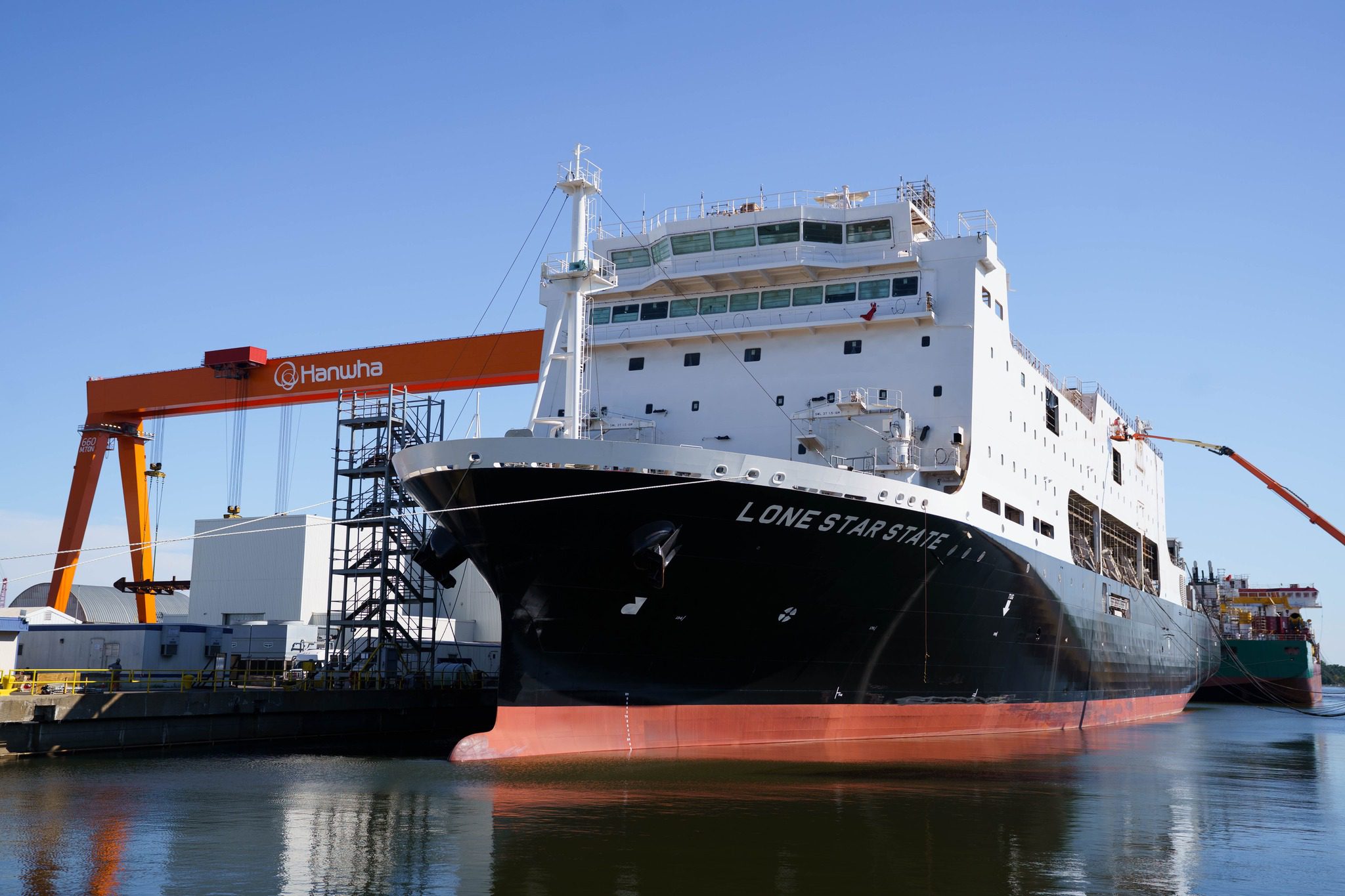
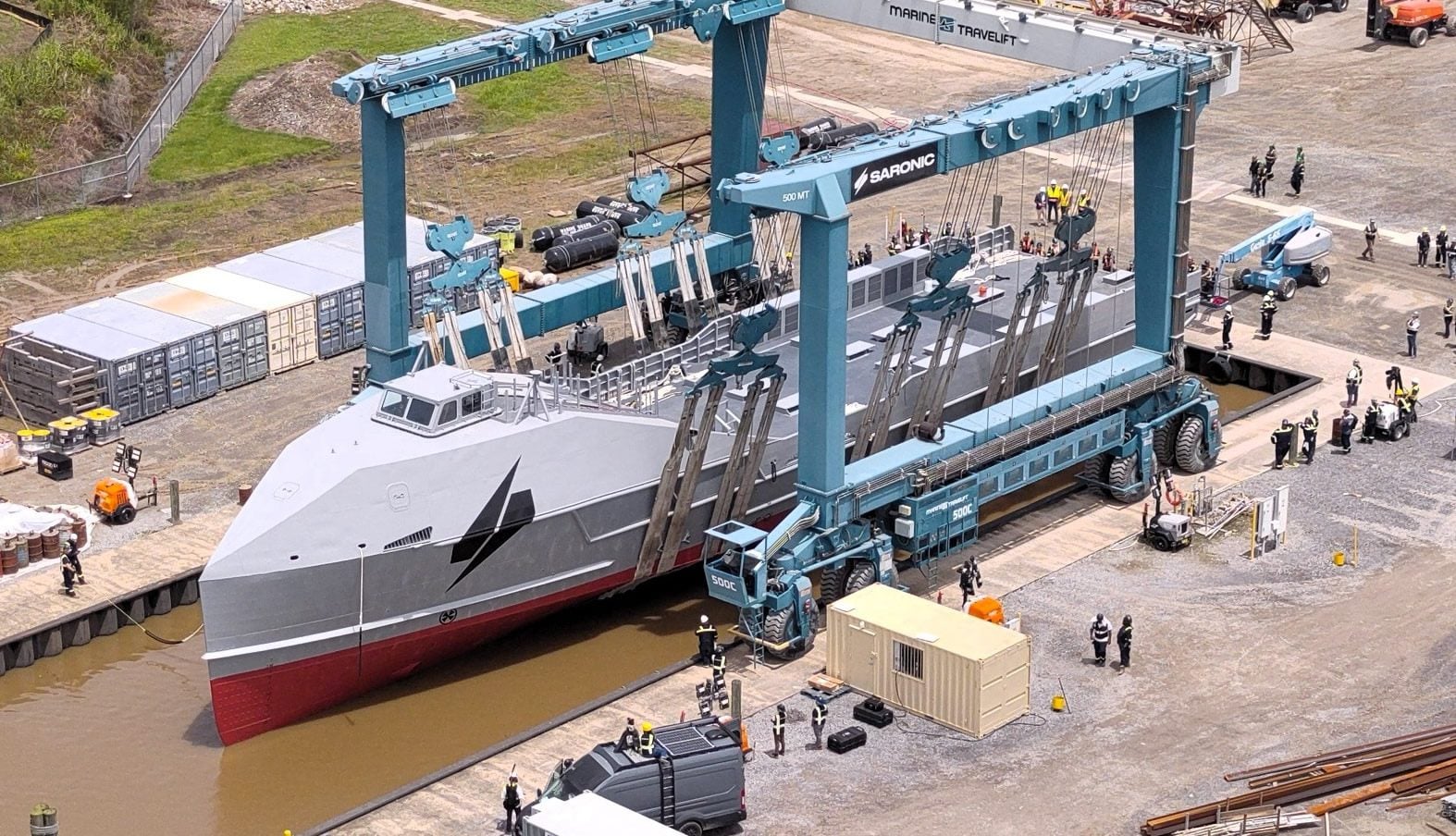
The new directive would extend that model to as many as three ship classes: a surface combatant capable of anti-submarine warfare, surface warfare and convoy escort missions; CONSOL tankers for at-sea replenishment; and roll-on/roll-off vessels for military sealift. The specific designs have not yet been selected and would be determined through new competitive acquisition programs.
To qualify, a foreign shipbuilder would have to build a new U.S. shipyard or acquire a majority stake in an existing one, hire and train American workers, transfer proprietary shipbuilding techniques and establish a U.S. supply chain. The goal is to use proven foreign designs and near-term overseas capacity while expanding U.S. shipbuilding capabilities over the longer term.
The memorandum gives the administration authority to waive the general prohibition on building Armed Forces vessels in foreign shipyards for qualifying projects. Congress must be notified of each national security determination, and a contract cannot be awarded until 30 days after lawmakers receive the notification.
The Shipbuilders Council of America said the directive to build overseas “only undercuts the federal Maritime Action Plan and generational investment into commercial and government shipbuilding.”
“Every hull built abroad is demand, jobs, and industrial capability diverted from American shipyards this Administration pledged to rebuild,” said SCA President Matthew Paxton. “We urge the Department to reverse course and redirect this funding to qualified U.S. shipyards and we remain committed to working with the Department of War, MARAD, and Congress to keep federal shipbuilding dollars strengthening – not bypassing – the domestic maritime industrial base.”
Trump Targets Navy Design Changes
The directive also attempts to tackle the Navy’s persistent problem of changing ship designs after construction programs are underway. The Navy would be prohibited from imposing iterative changes on mature foreign parent designs used under the new acquisition programs. Any changes would require approval from senior Pentagon, Navy, White House and Office of Management and Budget officials.
Trump also ordered a review and reorganization of Naval Sea Systems Command, or NAVSEA, aimed at tying leadership accountability more closely to the speed of vessel and systems deliveries, reducing bureaucracy and preventing unnecessary redesigns.
Fifth Public Navy Shipyard
Another major provision calls for the establishment of a fifth public Navy shipyard, which the White House says would be the first new public naval yard in more than 80 years.
Within 120 days, the administration is seeking a plan to expand submarine and aircraft carrier maintenance capacity using both private-sector capabilities and the new public yard.
Potential locations are to be considered near the Pacific Fleet, including sites in the continental United States, Alaska, Hawaii and U.S. territories. The plan could include as many as three new dry docks capable of handling current and future submarine classes and could use public-private partnerships to finance construction.
The administration is separately ordering creation of a centralized Component Repair Center capable of storing and refurbishing submarine equipment. The facility would maintain at least one “ship set” of spare equipment for the Los Angeles, Virginia, Seawolf, Ohio and Columbia classes.
Ford-Class Carrier Changes
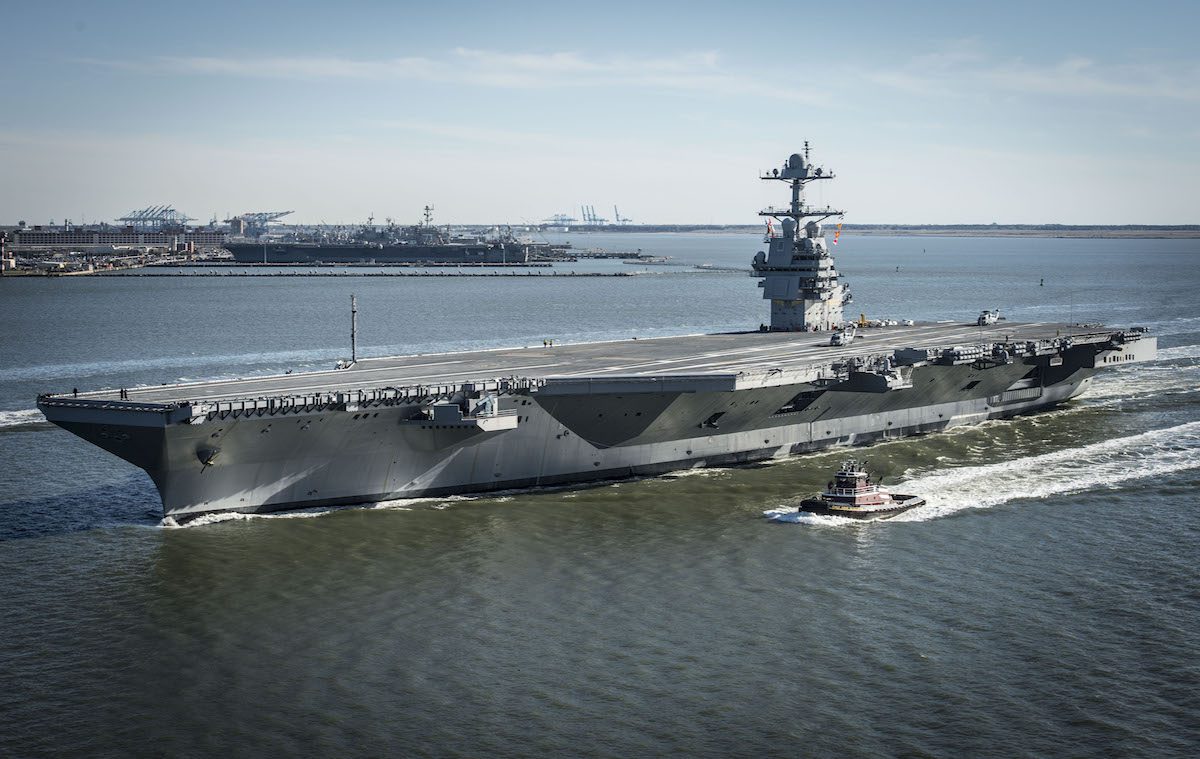
The memorandum also revives Trump’s longstanding criticism of electromagnetic systems aboard the Ford-class aircraft carriers.
Within 60 days, the Pentagon must develop a plan to replace the Electromagnetic Aircraft Launch System, known as EMALS, and Advanced Weapons Elevators with steam and hydraulic systems for construction of the future USS Doris Miller (CVN-81). The plan must include timelines and funding requirements.
The move would represent a major departure from the technologies introduced aboard the Ford class and potentially require significant redesign work on a carrier already under construction.
The broader directive builds on Trump’s April 2025 executive order on “Restoring America’s Maritime Dominance” and the administration’s February 2026 Maritime Action Plan, which expanded the definition of the maritime industrial base to encompass commercial and defense shipbuilding, repair, supply chains, ports and the maritime workforce.
Taken together, the memorandum represents one of the administration’s most aggressive attempts yet to address the Navy’s chronic shipbuilding problems, combining foreign construction and technology transfer in the near term with major investments intended to expand U.S. shipbuilding and repair capacity over the longer term.

 Join The Club