The U.S. government is once again under fire for a long-standing shipbuilding habit: starting construction before designs are fully baked. The practice has repeatedly led to cost overruns, delays, and technical setbacks across several major maritime programs, the Government Accountability Office (GAO) has repeatedly pointed out in its reports.
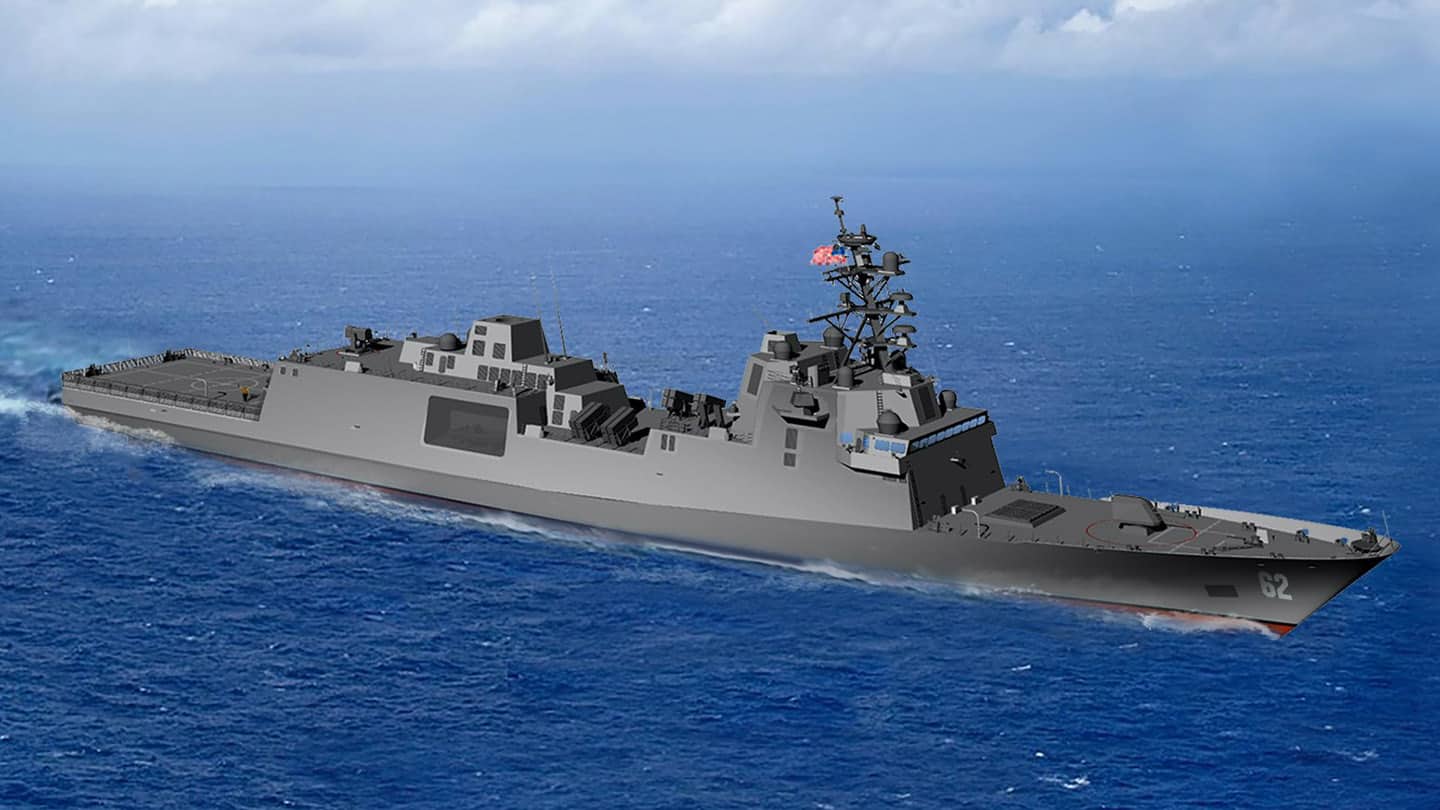
Earlier this week the Navy announced the termination of four ships from its troubled Constellation-class frigate program. Only the initial two vessels of the program will be completed following a 36-month delay pushing delivery to April 2029.
For more than a decade, the GAO has cautioned defense and homeland security officials against “concurrency,” the risky practice of overlapping design and construction phases. Yet despite repeated warnings, the pattern persists.
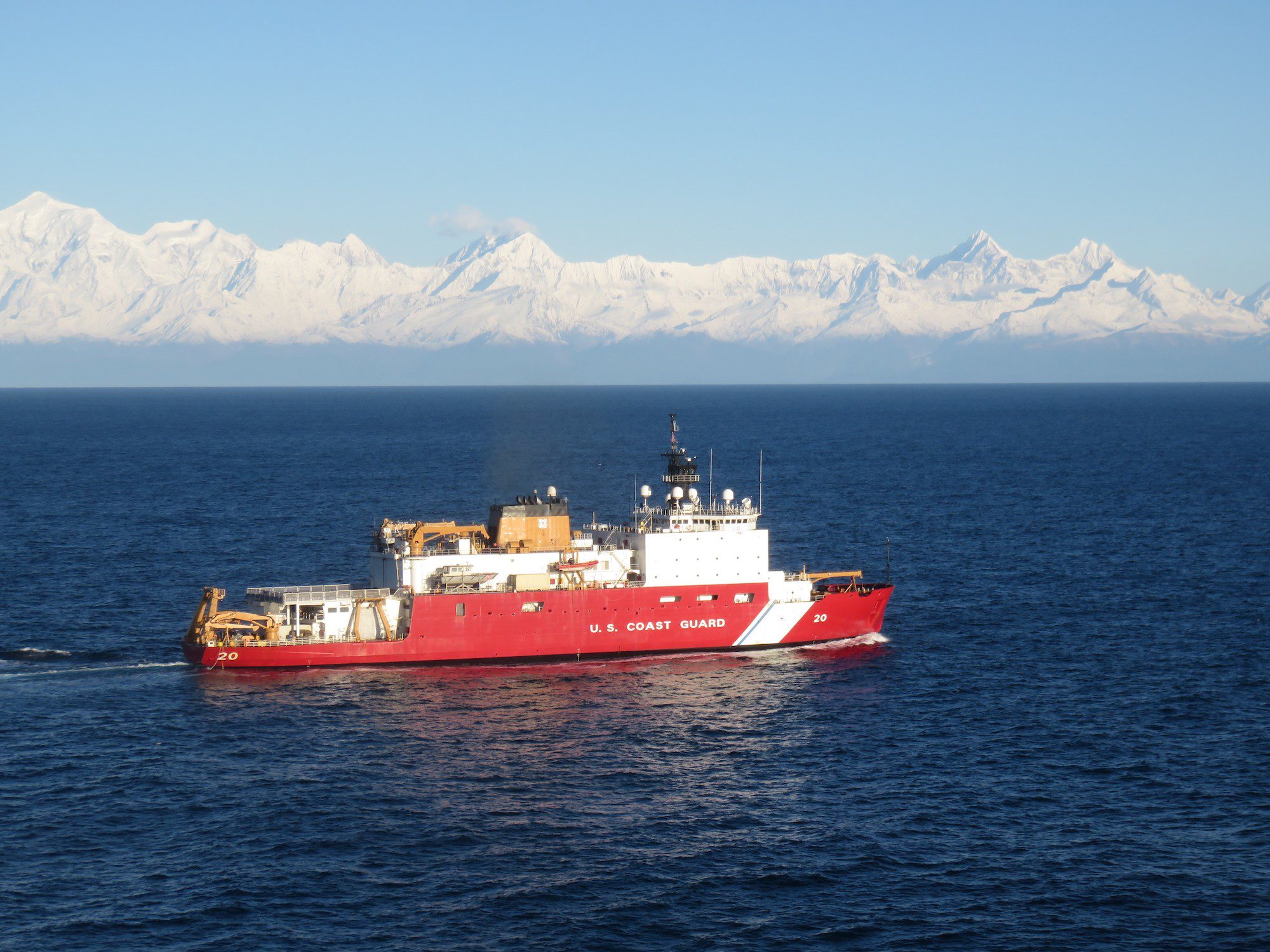
The Polar Security Cutter, which the Coast Guard desperately needs to replace its aging icebreaking fleet, has become a flagship case study. During repeated Congressional hearings on the issue expert witnesses urged Coast Guard leadership to achieve 100 percent design maturity before starting construction.
“We will not be at the level of design maturity that the GAO would like to see when we do [begin construction],” Vice Admiral Paul Thomas, Deputy USCG Commandant for Mission Support, stated in front of Congress last year.
GAO auditors noted that the vessel moved into construction before its design reached a stable maturity level, leading to significant redesign work. The Polar Security Cutter design, adopted from the upcoming German icebreaker Polarstern 2, was modified to such a degree that the eventual PSC vessel will be 40 percent larger, 14,000 tons vs 18,000 tons, than the design it is based on.
Those changes have compounded delays for a project that is now years behind schedule and with construction costs for the initial vessel nearly doubling from $1.3 billion to 2.4 billion. The first PSC is now not expected until at least 2030, putting it roughly six years behind schedule and 11 years after contract signing.
The Offshore Patrol Cutter, one of the Coast Guard’s largest acquisition efforts currently standing at $17 billion, has also been hampered by premature construction starts. A new Government Accountability Office report released this week reveals major issues in the OPC program, with no vessels delivered despite years of construction.
The GAO investigation found that the Coast Guard’s strategy of building ships before completing their designs has proven disastrous. Eastern Shipbuilding Group, the stage 1 contractor, has made minimal progress since GAO’s last assessment, leading the Coast Guard to terminate half of its original four-ship contract in July 2025. The situation deteriorated further when Eastern announced this month that it had suspended work on the remaining two vessels due to “severe financial strain.”
The GAO report states that “construction of OPCs 1-4 began without a stable design, contrary to shipbuilding leading practices,” which “led to rework, which delayed ship deliveries”. OPC 1’s delivery has been pushed back more than five years, from June 2023 to at least late 2026.
Concerningly, the stage 2 contractor Austal USA appears to be following the same path. According to GAO, “construction of OPC 5 began in August 2024 without a stable design.” The report warns that continuing to build additional stage 2 vessels before stabilizing the design “increases the risk that stage 2 will also encounter costly rework and schedule delays”.
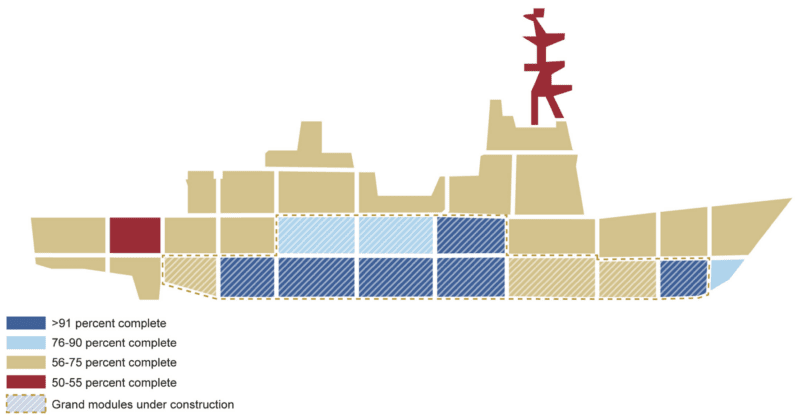
Frigate 3D design modeling progress by module in October 2023. (Source: GAO)
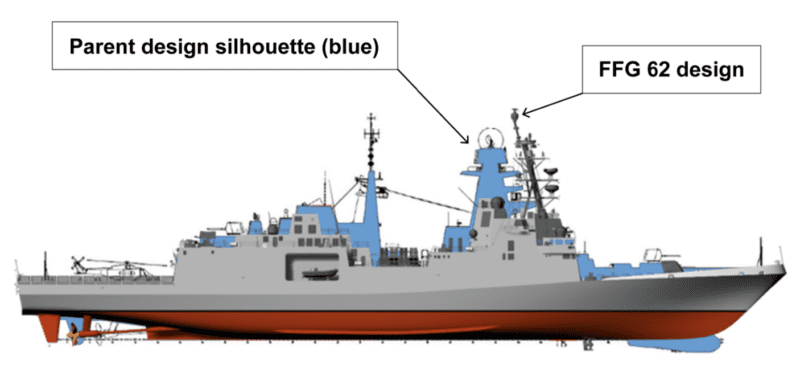
The Navy’s Constellation-class frigates show a similar pattern. While based on the Italian Navy’s version of the European multipurpose frigate (FREMM), the American variant has required substantial modifications. The changes resulted, among others, in an increase in size and displacement, changing the bow design to remove the sonar dome, and altering the topside to accommodate US combat systems.
Illustration of FFG 62 design changes from parent design. (Source: GAO)
The GAO found that design work lagged behind the start of fabrication, forcing the shipbuilder to rework completed sections and slowing production on a new ship class meant to be a cornerstone of the Navy’s fleet renewal.
According to the GAO, beginning work without finalized designs contributed to schedule disruptions and technical challenges that could have been avoided with a more disciplined sequencing approach. The watchdog has repeatedly stressed that “design stability before construction” is one of the most reliable predictors of a program’s success; advice that decision makers at Navy and Coast Guard acknowledge in principle but have struggled to follow in practice.
Together, the trio of troubled programs underscores a systemic issue across U.S. shipbuilding: political and public pressure to begin visible work and meet deadlines often outweigh the less glamorous aspect of finalizing design work.
The Coast Guard’s Polar Security Cutter is a prime example: facing expectations to demonstrate progress and meet end-of-year deadlines, the service ended up announcing the start of constructionseveral times across a six-month period. The episode highlights how the drive to show visible momentum on big-ticket shipbuilding programs can lead to almost farcical outcomes.
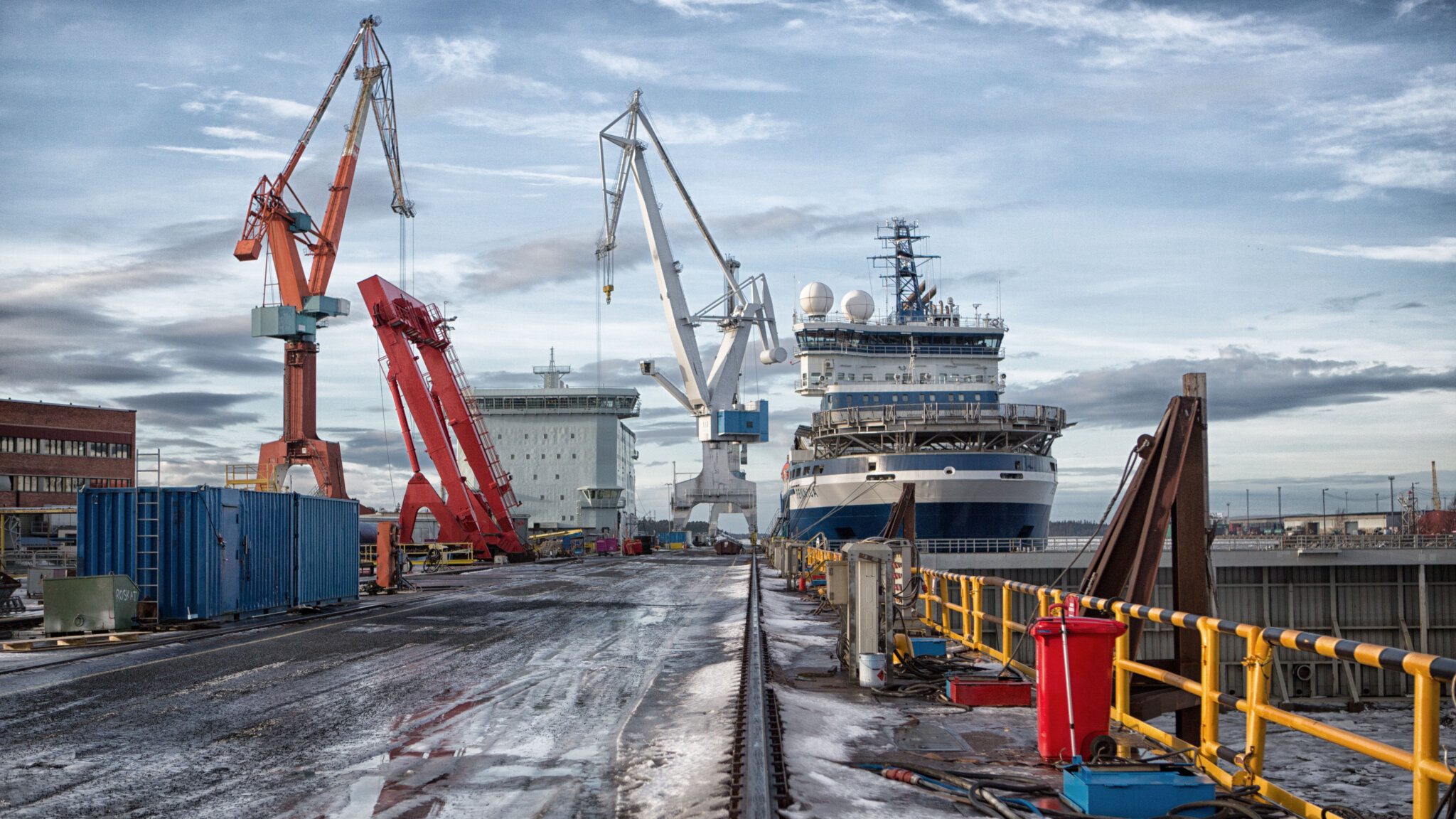
Rauma Marine Constructions in Finland has made rapid progress on the first of two Arctic Security Cutters it is building for the U.S. Coast Guard, with almost half of the vessel's blocks already launched and construction of the second ship approaching, according to the Finnish shipbuilder's chief executive.
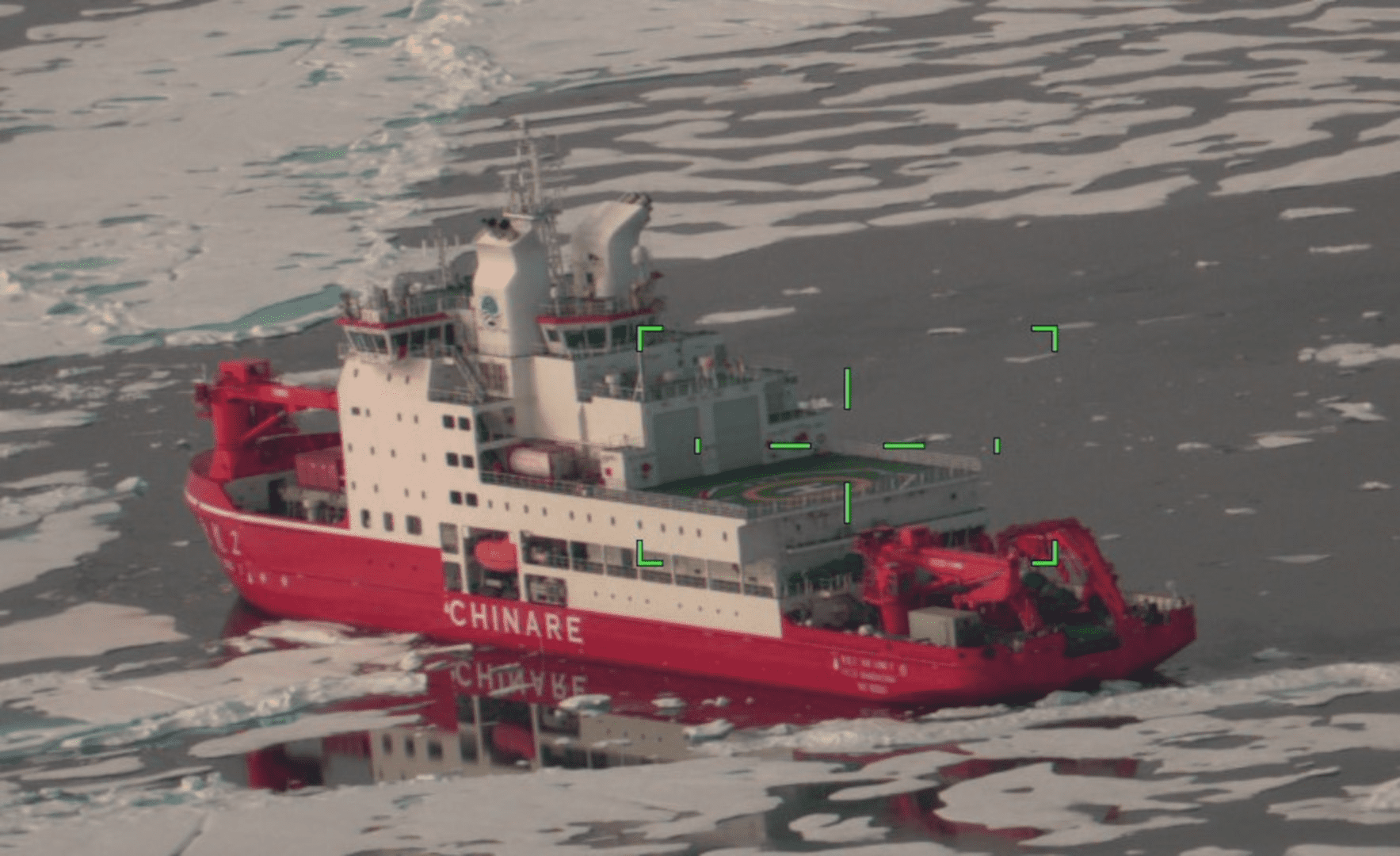
The United States is watching China's presence in its Arctic zone "very closely" amid concerns regarding the security of the US homeland, a senior US Arctic military official said.
The U.S. Coast Guard’s decision to end icebreaker Healy’s planned high-latitude mission has left the service leaning more heavily on its newest icebreaker during an increasingly active Arctic season. Healy has remained...
September 17, 2026
Total Views: 1912
Get The Industry’s Go-To News
Subscribe to gCaptain Daily and stay informed with the latest global maritime and offshore news
— just like 106,867 professionals
Secure Your Spot
on the gCaptain Crew
Stay informed with the latest maritime and offshore news, delivered daily straight to your inbox
— trusted by our 106,867 members
Your Gateway to the Maritime World!
Essential news coupled with the finest maritime content sourced from across the globe.

 Join The Club