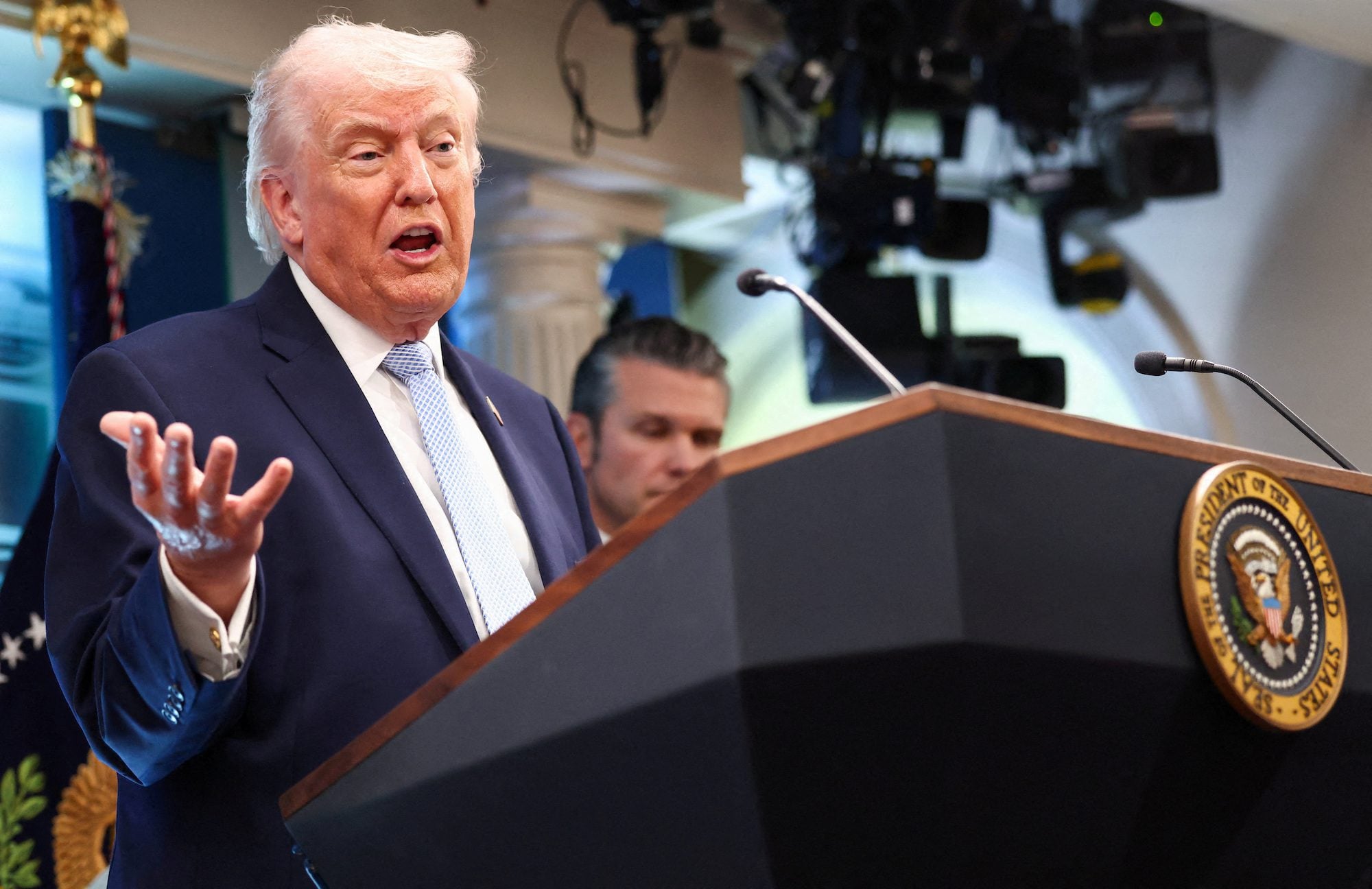
President Donald Trump has abandoned his proposal to charge a 20% fee on cargo moving through the Strait of Hormuz, saying the United States will instead seek trade and investment commitments from Gulf states in return for maintaining security in the strategic waterway.
In a Truth Social post Tuesday, Trump said the Strait of Hormuz was open to all shipping except vessels calling at Iranian ports or carrying Iranian cargo, as the United States prepared to resume its naval blockade of Iran.
“We will therefore have a FULL Blockade, but only on Ships coming to and from Iranian ports, or carrying anything have to do with Iranian cargo,” Trump wrote.
Trump on Monday had previously declared the United States the “Guardian of the Hormuz Strait” and proposed collecting a 20% reimbursement fee on all cargo shipped through the waterway to cover the cost of providing security.
He said Tuesday that the fee had been replaced following discussions with regional governments.
“Based on highly productive conversations with Middle East leadership, I have decided to replace the 20% United States Reimbursement Fee with Trade and Investment Deals that the various Gulf States will be making into the United States,” Trump wrote.
Trump did not identify the countries involved, provide investment amounts or explain whether formal agreements had been reached. The White House has not yet released supporting documents or details on how the proposed arrangements would be structured.
The shift removes, at least for now, a proposed shipping charge that would have conflicted with the IMO Council’s position that transit through the Strait of Hormuz should remain free of tolls and charges under international law.
Blockade Takes Effect
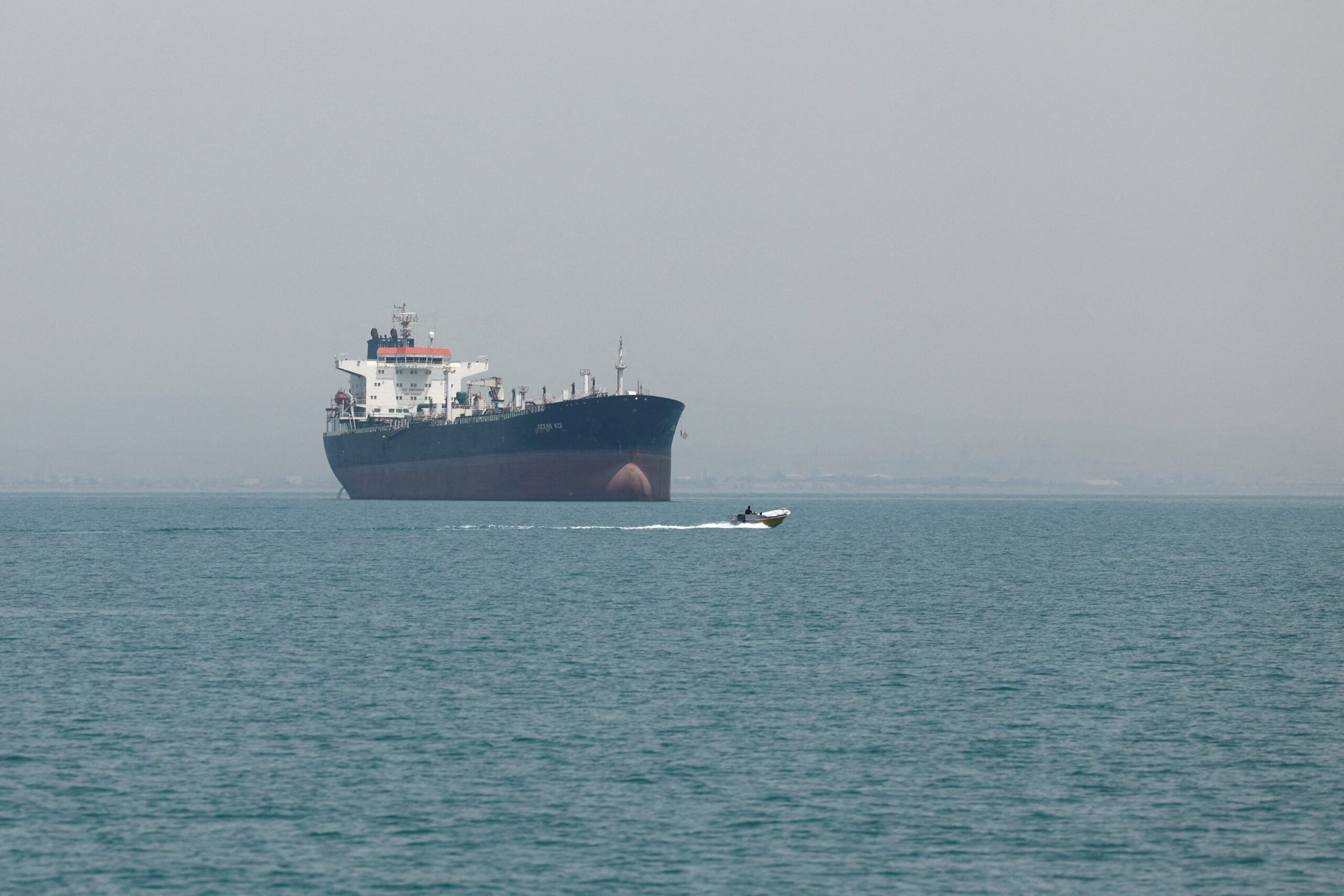
The announcement came as U.S. Central Command prepared to begin enforcing a renewed blockade of all Iranian ports and coastal areas at 4 p.m. ET Tuesday.
Under U.S. naval guidance, vessels suspected of entering or departing Iranian ports without authorization may be intercepted, diverted, boarded or captured. Neutral vessels traveling through the Strait of Hormuz between non-Iranian destinations are still permitted to transit, although they may be stopped and searched to determine whether they are carrying contraband or attempting to breach the blockade.
Humanitarian shipments of food, medicine and other essential goods may be approved following U.S. Navy vetting and remain subject to inspection.
The Joint Maritime Information Center said vessels should expect heavy naval activity, increased VHF hailing and continued monitoring by Iran’s Islamic Revolutionary Guard Corps. JMIC recommended that ships maintain a 30-nautical-mile standoff from U.S. naval units to reduce the risk of misidentification.
Trump Says Oil Is Flowing
Trump opened his statement by claiming that “oil is flowing like never before” because of U.S. military operations and praised senior Pentagon and CENTCOM leadership for keeping the strait open.
The available traffic data, however, shows commercial movements remain sharply reduced compared with normal conditions.
JMIC reported only four Strait of Hormuz transits on July 12 and 12 on July 13, compared with a historical average of about 138 vessels per day. Tanker traffic was particularly limited, with one tanker transit recorded July 12 and three on July 13. Several operators have delayed passages following repeated attacks on merchant vessels.
JMIC maintained its SEVERE threat assessment for the Strait of Hormuz, saying deliberate hostile action remains highly likely. It cited 10 Iranian attacks since June 25, continuing mine risks, navigation interference and pressure on AIS-active ships.
The threat level in the Gulf of Oman was also raised to SUBSTANTIAL following a tanker attack northeast of Qalhat, Oman, meaning another attack is considered a strong possibility.
The latest JMIC update confirmed attacks on three tankers on July 13, including the Mombasa B and Al Bahyah on the southern Omani route. One attack resulted in a fatality and another caused multiple injuries, some serious.
The renewed blockade and Trump’s reversal on the cargo fee mark another sharp turn in U.S. policy since the June memorandum of understanding briefly halted hostilities and reopened Iranian maritime trade. Washington lifted its previous blockade on June 18, only to restore it less than four weeks later after renewed attacks on commercial shipping and several rounds of U.S. strikes against Iranian military targets.

 Join The Club