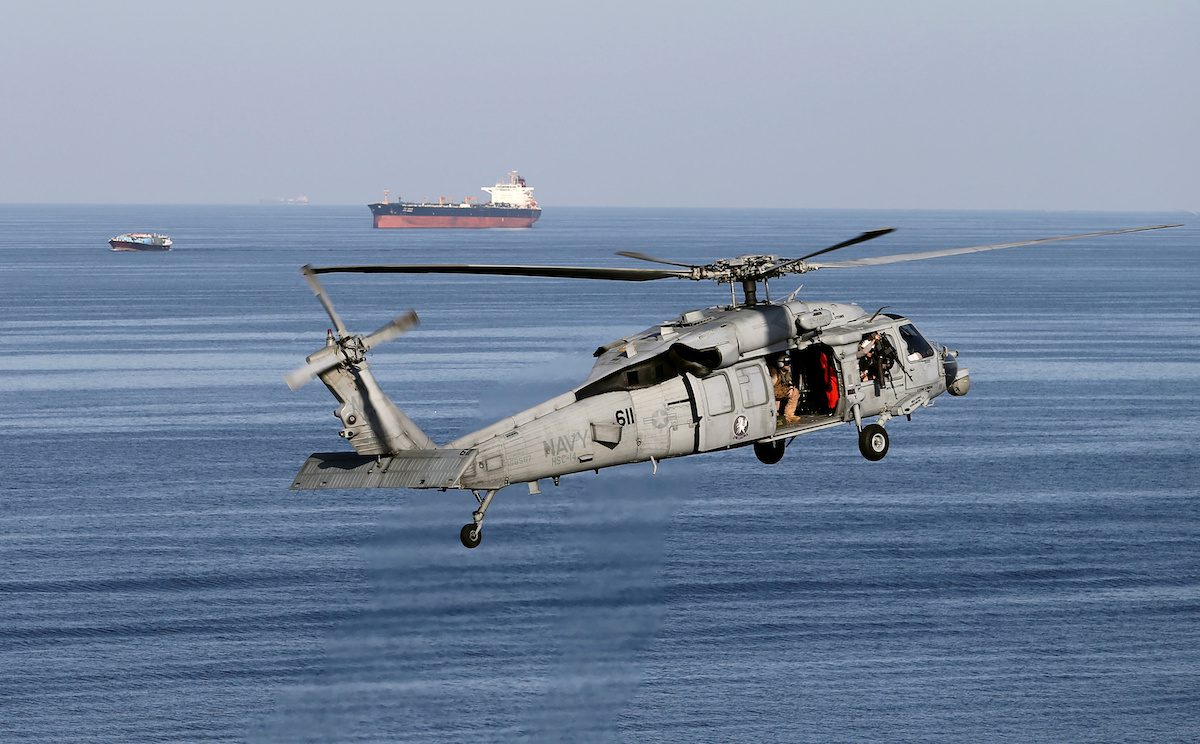
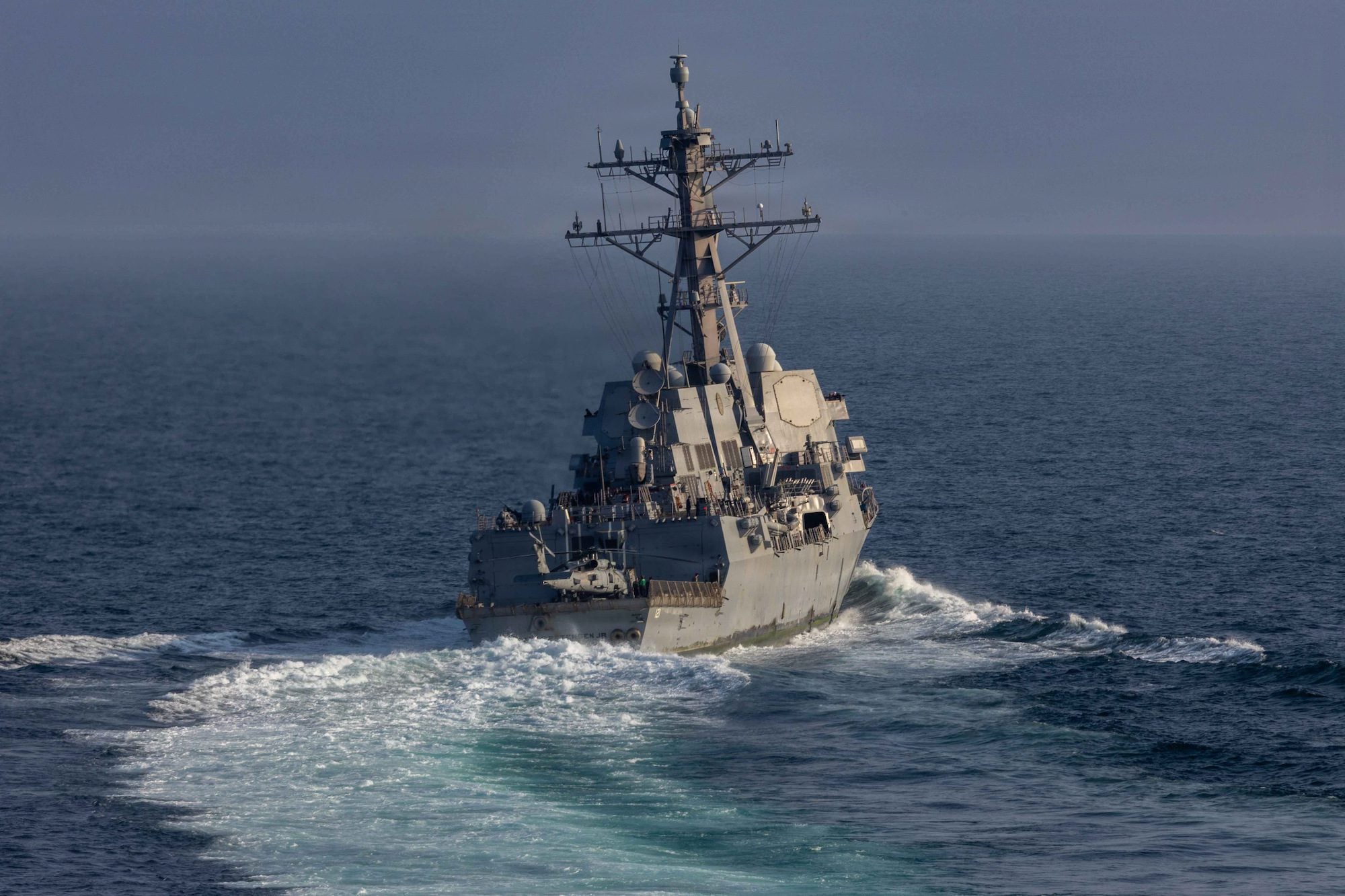
President Donald Trump said Tuesday that NATO allies have refused to support U.S. military operations against Iran, publicly acknowledging growing divisions within the Western alliance as efforts to assemble a naval coalition to secure the Strait of Hormuz appear to falter.
In a post on Truth Social, Trump said “most” NATO countries declined to participate in the operation, accusing allies of benefiting from U.S. security guarantees while failing to contribute in a time of need. He added that the United States ultimately does not “need, or desire” allied assistance, citing what he described as the destruction of Iran’s military capabilities.
The remarks follow mounting evidence that Washington’s push to build a multinational naval escort mission through the Strait of Hormuz has failed to gain traction.
According to reporting from Reuters, several key U.S. partners—including Germany, Spain, and Italy—have rejected requests to deploy warships to help secure commercial shipping through the critical waterway, which has been largely shut following weeks of missile, drone, and maritime attacks linked to the U.S.–Israel conflict with Iran.
Germany Draws a Hard Line
Germany, Europe’s largest economy and a central NATO member, delivered one of the clearest rejections yet.
“We will not participate in ensuring freedom of navigation in the Strait of Hormuz by military means,” German Chancellor Friedrich Merz said, adding that the conflict “is not a matter for NATO.”
German Defense Minister Boris Pistorius was even more direct, questioning the logic of allied involvement: “This is not our war… What does Donald Trump expect a handful of European frigates to do… that the powerful U.S. Navy cannot do?”
Berlin also pointed to the lack of a United Nations, European Union, or NATO mandate, as well as the absence of prior consultation before U.S.–Israeli strikes on Iran.
Coalition Effort Stalls
Other European allies have taken similar positions. Spain and Italy have indicated they have no plans to contribute naval forces, while additional partners—including the United Kingdom and Denmark—have stopped short of committing ships, instead signaling they are still evaluating options.
The reluctance underscores the political and military risks of escorting merchant vessels through a narrow waterway where Iranian forces retain the ability to launch missiles, deploy drones, and potentially lay naval mines—all within close proximity to transiting ships.
For now, the vision of a NATO-style coalition to restore freedom of navigation through Hormuz appears increasingly unlikely.
Shipping Crisis Continues
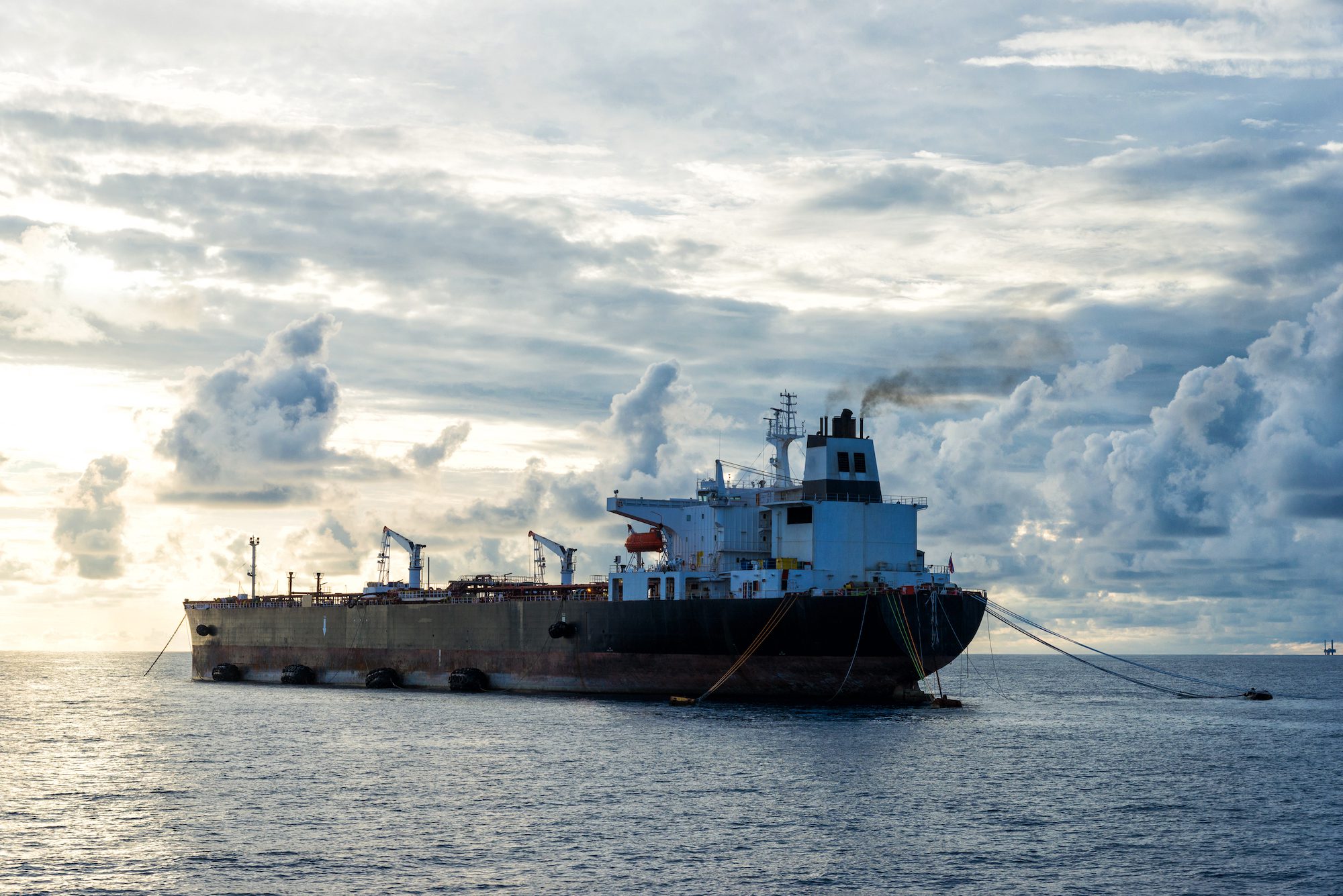
The diplomatic rift comes as commercial shipping through the Strait of Hormuz remains severely disrupted.
The waterway, which typically carries roughly 20% of global oil and liquefied natural gas flows, has seen traffic collapse in recent weeks, with only a handful of vessels transiting daily compared to more than 100 under normal conditions.
Although maritime security advisories indicate a temporary lull in attacks, the threat environment remains elevated. Missiles, drones, electronic interference, and the risk of naval mines continue to deter shipowners and insurers from re-entering the region.
Even with a $20 billion U.S.-backed maritime insurance facility aimed at stabilizing war-risk coverage, confidence has yet to return.
From Pressure to Pivot
Trump’s latest comments mark a notable shift in tone from recent days, when the administration was actively pressing allies to contribute naval assets to a Hormuz escort mission.
The president had argued that countries dependent on Gulf energy flows should share responsibility for protecting the shipping lanes. Now, his assertion that the United States does not need allied support suggests a rhetorical pivot following the lack of commitments.
Implications for Maritime Security
For the shipping industry, the breakdown in coalition-building efforts raises serious questions about how—and how quickly—traffic through the Strait of Hormuz can resume.
Without a broad multinational escort framework, any effort to secure the waterway is likely to rely on unilateral U.S. naval operations or smaller, ad hoc coalitions, both of which may struggle to provide the scale of protection needed to restore commercial confidence.
Until then, the world’s most critical energy chokepoint remains effectively closed—caught between a fragile pause in attacks and the absence of a clear path to reopening.
Updated: April 14, 2026 (Originally published March 17, 2026)
Editorial Standards · Corrections · About gCaptain

 Join The Club