Germany has ruled out participating in any military effort to secure shipping through the Strait of Hormuz, marking one of the clearest rejections yet of U.S. calls for allied naval support as attacks on commercial vessels continue to disrupt traffic through the critical energy chokepoint.
German Chancellor Friedrich Merz said Monday that Berlin will not join a naval mission to enforce freedom of navigation in the Gulf.
“We will not participate in ensuring freedom of navigation in the Strait of Hormuz by military means,” Merz wrote on social media. “The war in the Middle East is not a matter for NATO. Therefore, Germany will also not become involved militarily.”
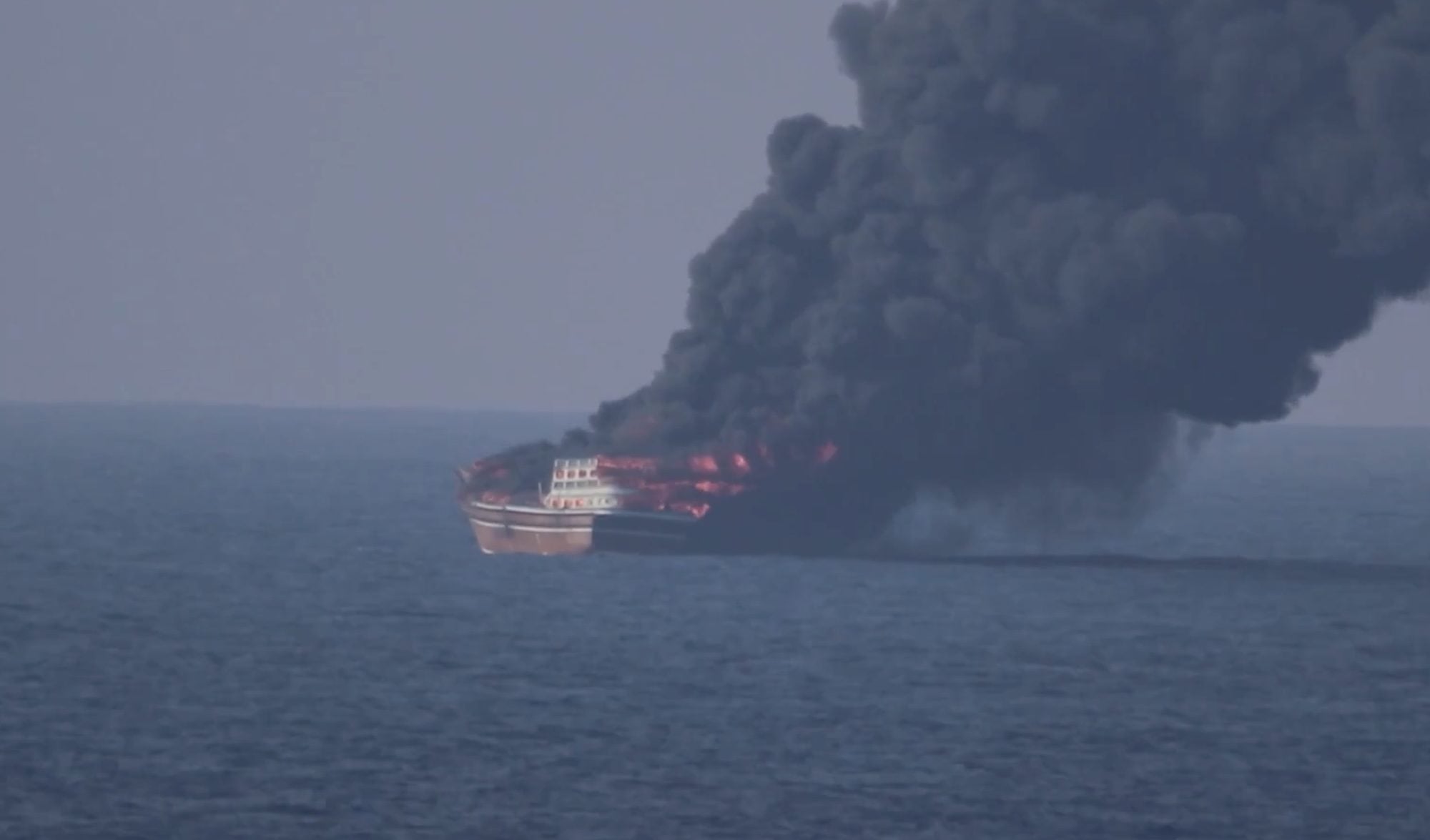
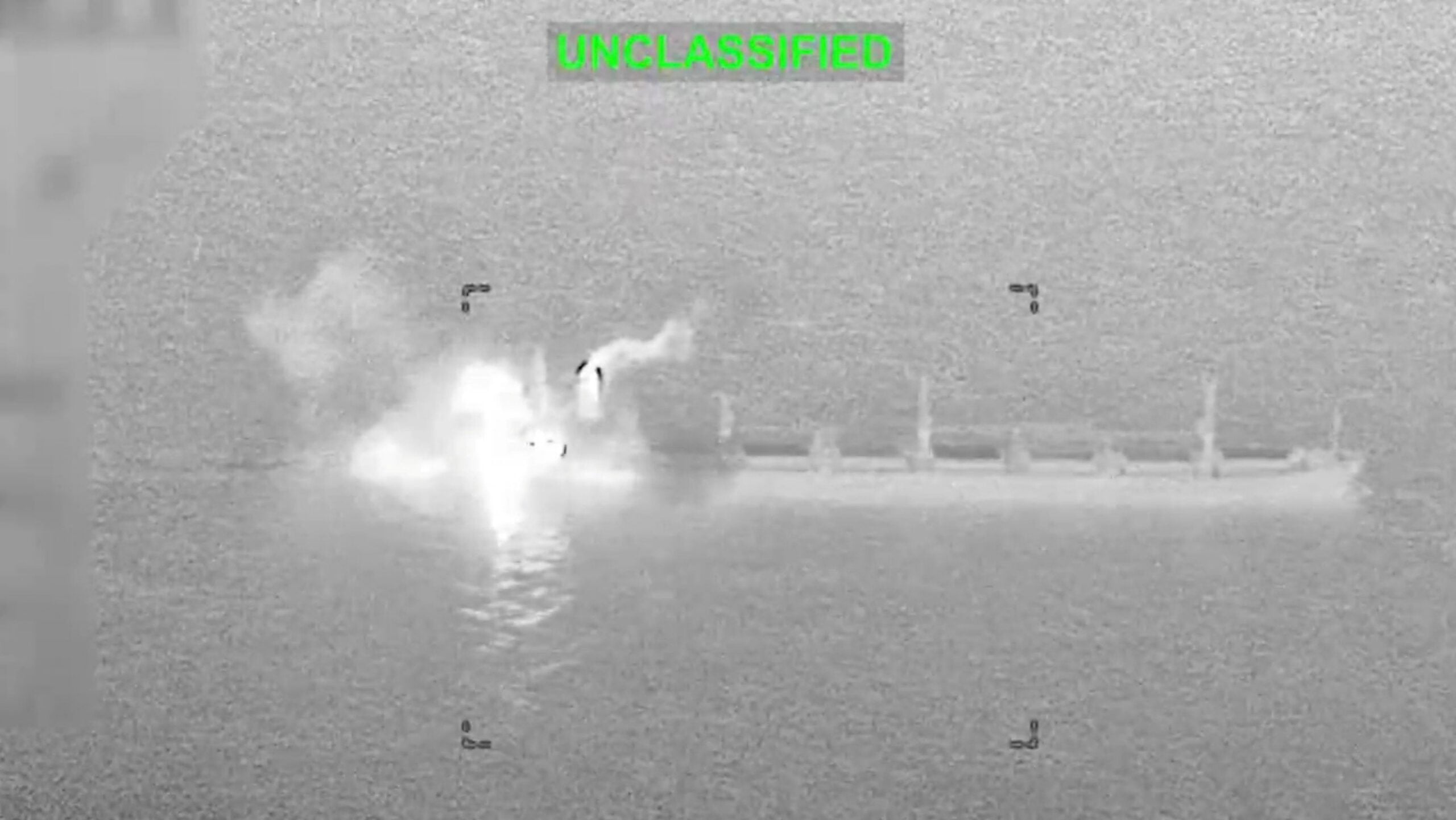
The comments come as President Donald Trump has urged allies to contribute warships to help secure the strait following Iranian drone and missile attacks that have sharply reduced tanker traffic through the waterway.
Berlin: “This Is Not Our War”
Earlier on Monday, Germany’s defense leadership stressed that Berlin does not view the conflict as a NATO responsibility. “What does Donald Trump expect a handful or two handfuls of European frigates to do in the Strait of Hormuz that the powerful U.S. Navy cannot do?” said German Defense Minister Boris Pistorius.
“This is not our war. We have not started it,” he added.
A German government spokesperson also noted that European allies were not consulted prior to the U.S.–Israeli strikes that triggered the conflict, and said Washington initially indicated European military assistance was neither required nor requested.
As Europe’s largest economy and a major member of the North Atlantic Treaty Organization, Germany’s refusal could complicate U.S. efforts to assemble a multinational naval coalition aimed at restoring commercial shipping through one of the world’s most strategically important maritime chokepoints.
Wider Conflict
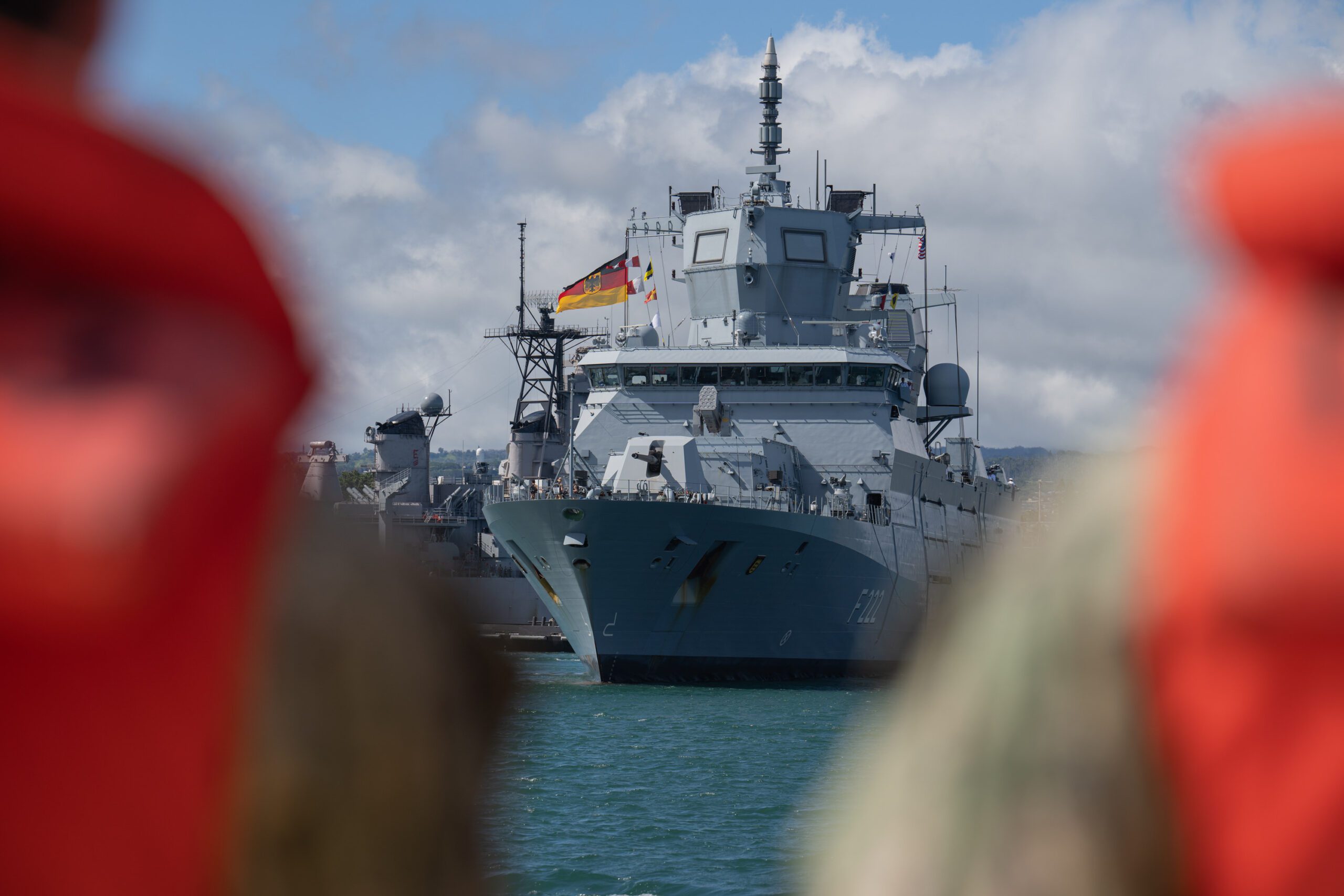
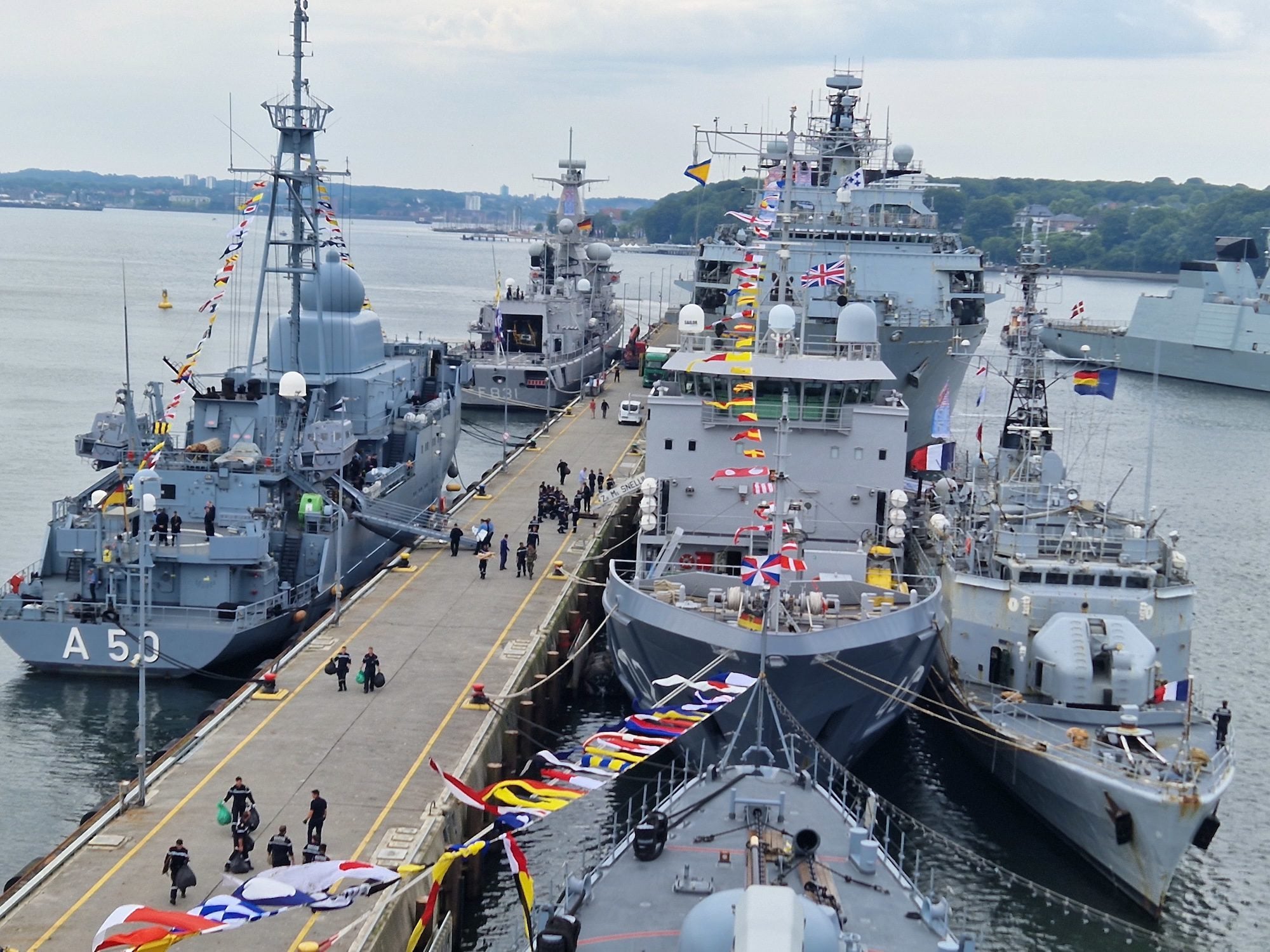
The German Navy operates modern air-defense frigates and multi-role warships capable of escorting merchant vessels through contested waters, like it did during the EU’s Red Sea naval operation in the Red Sea, known as Operation ASPIDES. The EU operation was designed to protect commercial shipping from Houthi missile and drone attacks in the Red Sea, but it had a strictly defensive mandate.
German Foreign Minister Johann Wadephul warned that disruptions in the Gulf could have far-reaching global consequences.
Germany’s stance was further reinforced by comments from Johann Wadephul, who warned that the conflict is already having far-reaching global consequences but said a military role for Europe remains off the table for now.
“The blockade of the Strait of Hormuz is sending shockwaves around the world,” Wadephul said in a statement posted by Germany’s Foreign Office. “The Persian Gulf is not only a key transit route for oil and gas—fertilizers are shipped through it as well. If these deliveries are disrupted, global food security will be at risk.”
“We first need to hear from the US & Israel when they expect to have achieved their military objectives in Iran before we can jointly define a future security architecture for the region. Until then, there is no role for NATO or the EU’s Operation Aspides,” he said.
Berlin’s position also highlights broader European caution about becoming directly involved in a conflict that risks escalating into a wider regional war with Iran.
Germany is not alone in expressing reluctance. Spain and Italy have also indicated they have no plans to deploy naval forces to the Gulf, while other allies such as the United Kingdom and Denmark say they are still evaluating possible ways to contribute without escalating the conflict.
European officials are also discussing whether the EU’s existing Red Sea naval mission, Operation Aspides, could potentially be expanded to cover the Strait of Hormuz, though no decision has been made.
Whether the United States can assemble a multinational escort coalition—or whether shipping companies remain unwilling to re-enter the region even with naval protection—could determine how quickly traffic through one of the world’s most critical energy corridors resumes.

 Join The Club