Global seaborne crude oil shipments have fallen 16% since the start of the Iran war, according to the BIMCO, highlighting the scale of disruption rippling through energy and tanker markets as traffic through the Strait of Hormuz remains severely constrained.
“This represents a reduction of 7.6 million barrels per day… to 38.4 mbpd,” said BIMCO Chief Shipping Analyst Niels Rasmussen, noting that flows over the past six weeks have likewise remained 16% below last year’s levels.
That drop means roughly 9.5% of expected global crude production is currently not reaching markets, based on earlier projections from the U.S. Energy Information Administration prior to start of the conflict.
“The reduction in shipments has naturally been driven by the effective closure of the Strait of Hormuz,” Rasmussen added.
Gulf Exports Collapse Despite Workarounds
The disruption is most visible in the Persian Gulf, where seaborne crude shipments have dropped sharply: down 12.7 mbpd versus early 2026 levels, marking a net decline of 9.0 mbpd after partial rerouting.
Some producers have managed limited workarounds. “The United Arab Emirates has managed to increase loadings from ports east of the Strait of Hormuz by 0.7 mbpd while Saudi Arabia has increased shipments from Yanbu in the Red Sea by 3.0 mbpd,” says Rasmussen. However, those gains have been nowhere near enough to offset lost Gulf flows.
Outside the region, supply response has also been muted. Global exports have risen just 1.4 mbpd, led largely by Venezuela (+0.4 mbpd) and Russian Black Sea shipments (+0.8 mbpd), with India absorbing much of the redirected crude.
Ceasefire Fails to Restart Flows
Despite a recent slight uptick in tanker transits, traffic through Hormuz has yet to recover in any meaningful way. Global oil flows through Hormuz have collapsed from more than 20 million bpd pre-conflict to just a fraction of that level, contributing to one of the largest supply disruptions on record.
All Eyes on Hormuz as U.S. Maritime Blockade on Iran Enters Enforcement Phase
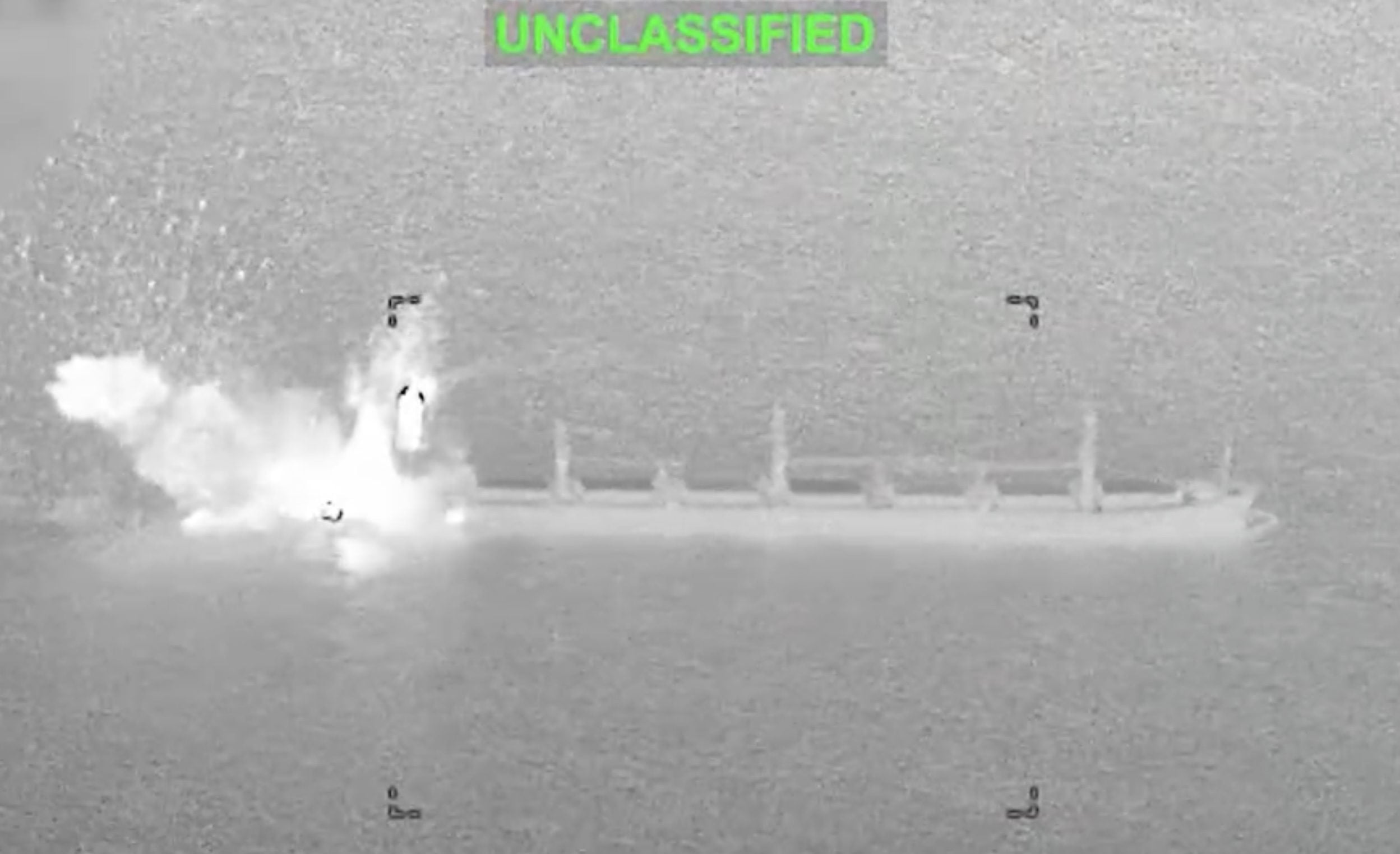
The situation could deteriorate further with U.S. enforcement of its naval blockade targeting vessels linked to Iranian ports, which risks tightening flows even more, particularly if operators remain unwilling to re-enter the region.
Structural Damage Points to Long Recovery
Even if the strait fully reopens, BIMCO warns that a quick rebound is unlikely.
“Even if the Strait of Hormuz is fully reopened, it may take a long time for crude oil and other energy shipments to return to previous volumes,” Rasmussen said, citing damage to regional energy infrastructure particularly in Saudi Arabia and Qatar, which has lost nearly one-fifth of its LNG output.
“At the same time, refinery capacity of about 2.4 mbpd is currently estimated to be offline,” says Rasmussen.

 Join The Club