Washington’s effort to restore commercial shipping through the Strait of Hormuz took a key step forward Wednesday after the U.S. International Development Finance Corporation announced that Chubb Limited will serve as the lead insurance partner for the government’s $20 billion maritime reinsurance program aimed at reviving vessel traffic through the conflict-hit Gulf.
The program, first unveiled last week as missile and drone attacks triggered a collapse in commercial transits, is designed to provide a federal backstop for war-related maritime risks that private insurers have increasingly struggled to cover amid the escalating conflict with Iran.
Under the arrangement, Chubb will act as the lead underwriter issuing policies for eligible vessels, while DFC will provide reinsurance support behind the coverage alongside several American insurance companies identified to help expand market capacity. Additional reinsurance partners may be announced in the coming days, officials said.
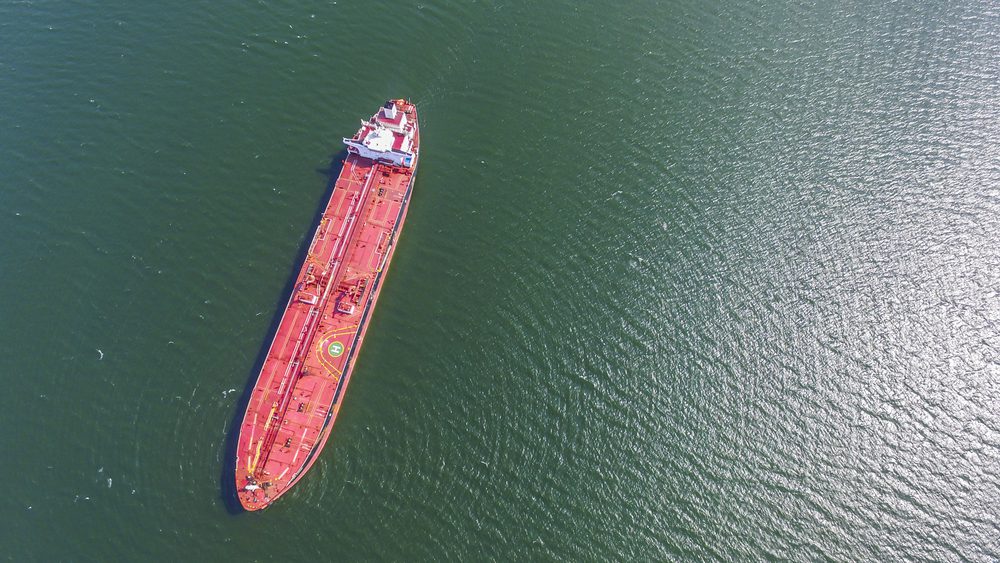
The facility is structured as a rolling insurance program capable of covering losses of up to approximately $20 billion, with initial policies focused on Hull & Machinery and Cargo coverage.
“DFC is pleased to partner with Chubb, one of the world’s leading insurance companies, to help get energy and trade flowing again through the Strait of Hormuz,” said DFC Chief Executive Officer Ben Black in a statement. “DFC’s Maritime Reinsurance plan combines Chubb’s premier underwriting expertise with the financial commitment of the U.S. Government. With today’s announcement, we are one step closer to restoring market confidence and resuming energy and commercial trade disrupted by the conflict with Iran.”
Chubb Chairman and CEO Evan Greenberg said the insurer was proud to lead the effort alongside the U.S. government.
“The commerce passing through the Strait of Hormuz plays a vital role in the global economy, and providing vessels with insurance protection is essential for resuming trade flows,” Greenberg said.
The announcement represents the first major operational step in deploying the maritime insurance facility announced by the Trump administration last week as part of a broader effort to stabilize global energy markets and restore maritime trade flows through the Gulf.
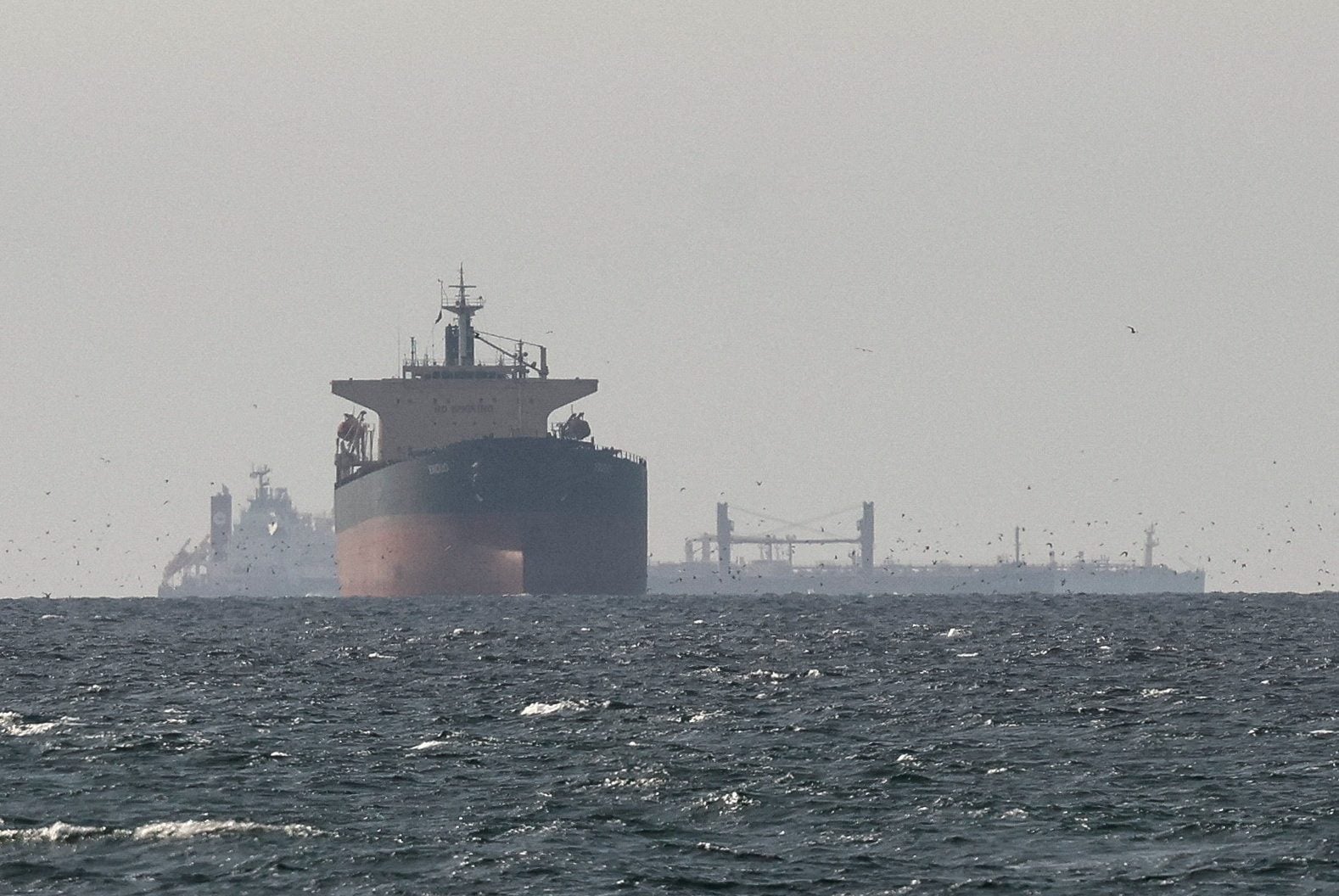
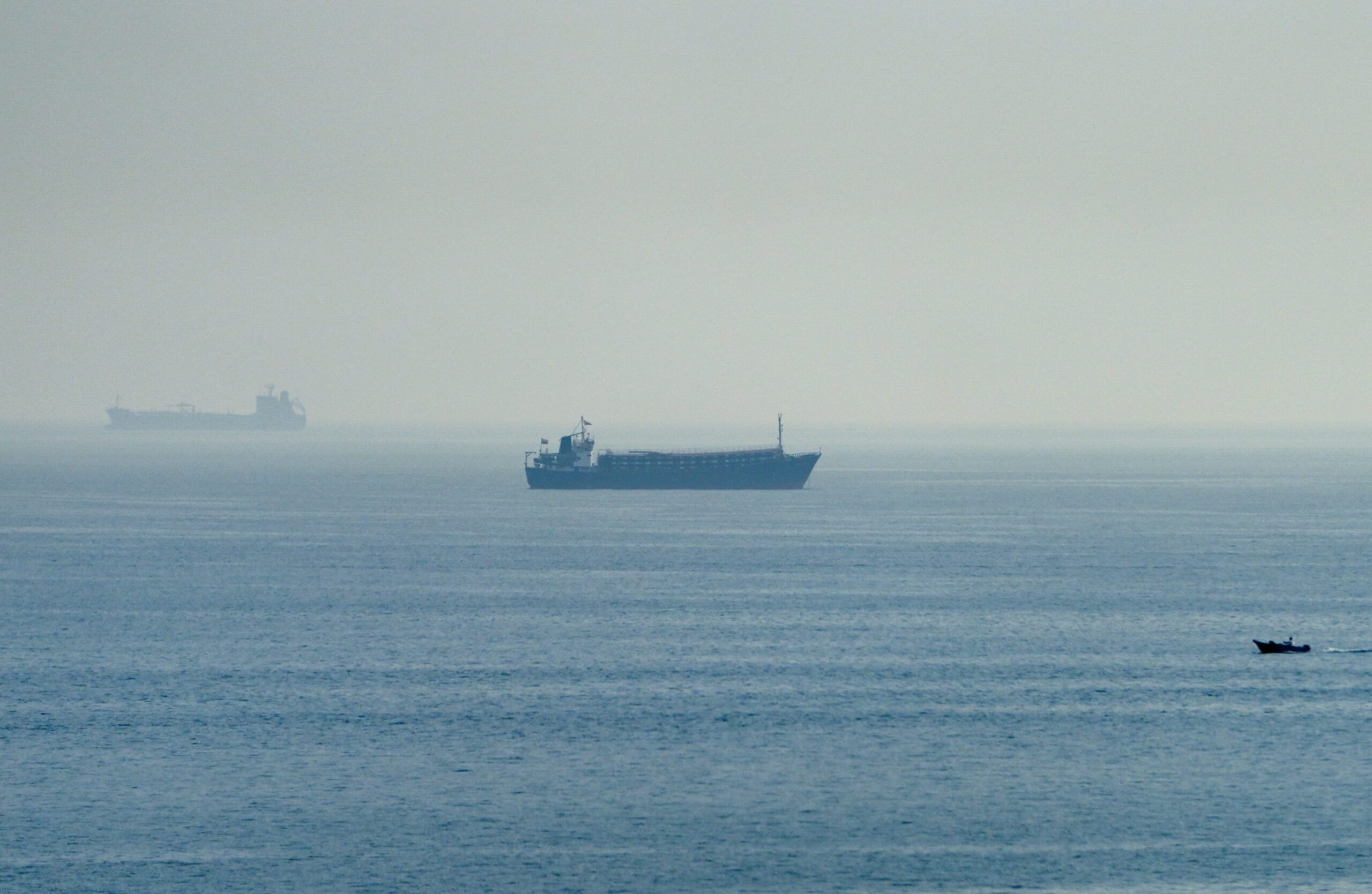
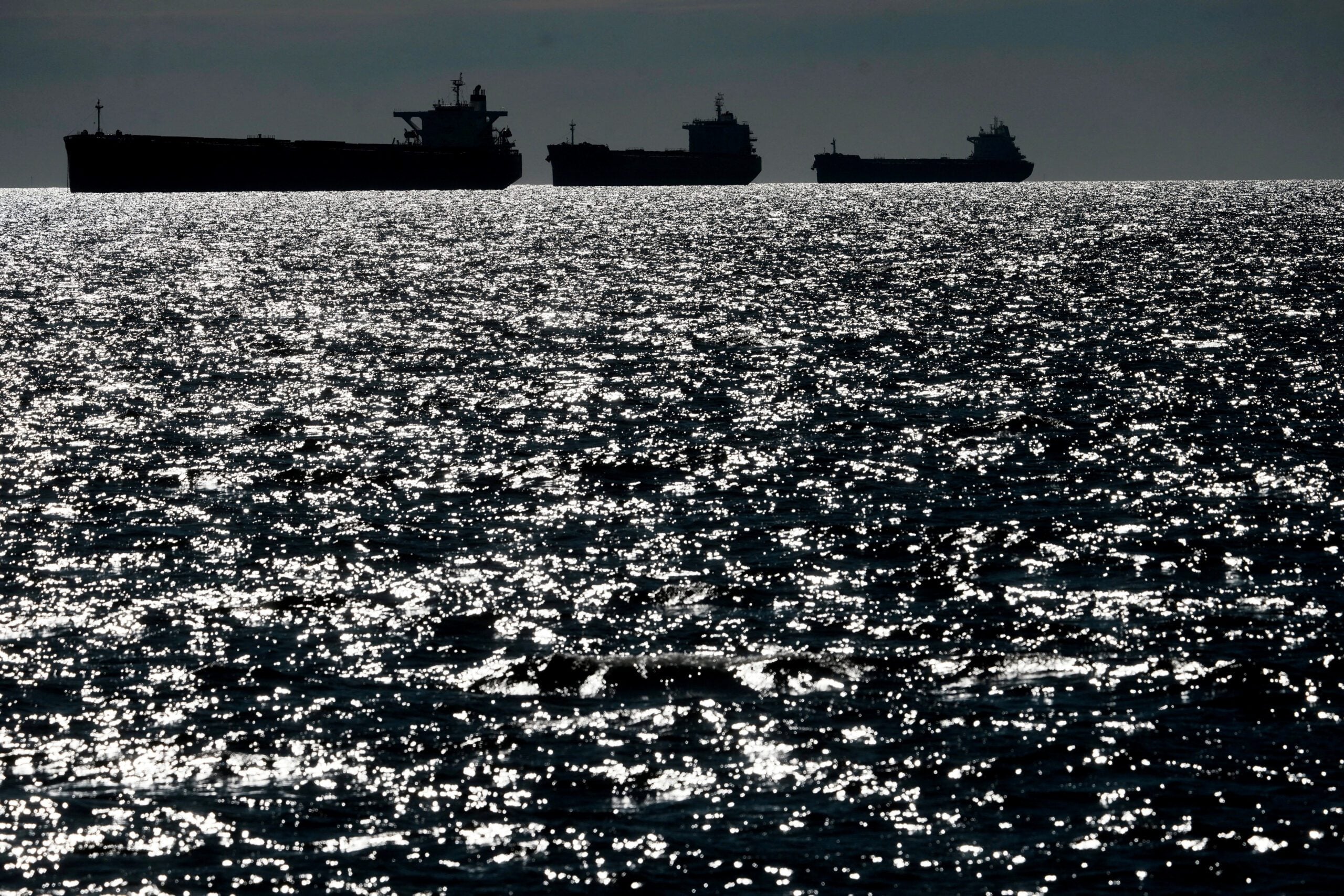
Traffic through the Strait of Hormuz—one of the world’s most critical energy chokepoints—has slowed dramatically since the conflict erupted late last month. Vessel transits through the narrow waterway have fallen sharply from historical averages of roughly 130–140 ships per day as shipowners weigh security risks, insurance availability, and escalating operational costs.
The deteriorating security environment has pushed the regional maritime threat level to “CRITICAL,” according to the Joint Maritime Information Center, as commercial vessels face the risk of missile strikes, drone attacks, electronic navigation interference, and potential naval mine threats.
The tightening insurance market has emerged as one of the primary barriers preventing ships from returning to the region. Several members of the International Group of P&I Clubs recently issued cancellation notices for certain war-risk coverages tied to Gulf waters after reinsurers withdrew capacity following a surge in attacks on merchant vessels.
By stepping into the market with a federally backed reinsurance facility, Washington is attempting to restore confidence among shipowners, insurers, and charterers that voyages through the Gulf can proceed despite the ongoing conflict.
Whether the program succeeds in bringing vessels back into the region will likely depend on how quickly policies can be issued and whether shipowners judge the combined security and insurance environment to be sufficient for safe transit.

 Join The Club