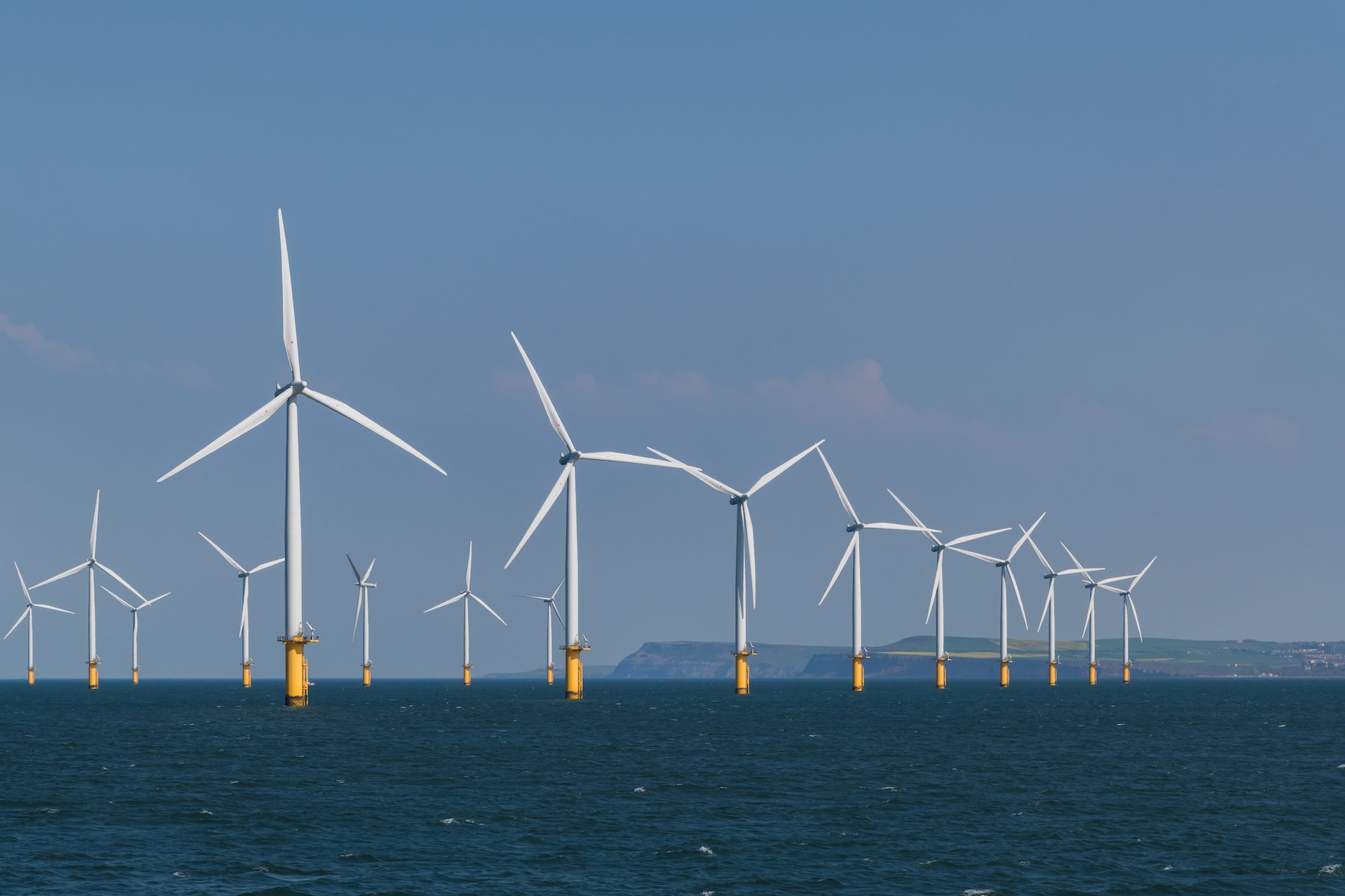
The Trump administration has reached another agreement to unwind a U.S. offshore wind project, this time with Duke Energy, which will voluntarily terminate its lease off the Carolinas and redirect $129 million toward new power generation and grid investments.
The Department of the Interior announced Monday that Duke Energy will surrender its offshore wind lease in the Carolina Long Bay area under a negotiated settlement that allows the company to reinvest an equivalent amount in generating capacity to serve customers across the Carolinas.
According to Interior, the investment could include new nuclear generation, natural gas-fired power plants and electric grid improvements designed to improve reliability and accommodate growing electricity demand.
Interior Secretary Doug Burgum said the agreement advances President Donald Trump’s energy agenda while lowering costs for consumers.
“President Trump’s vision of unleashing affordable, reliable American energy for our country’s communities and using common sense to put the American people first is being implemented,” Burgum said. “Duke Energy will now be able to convert a national security concern into projects that will lower the costs for its customers in North Carolina and surrounding states.”
Duke characterized the agreement as a way to redirect capital toward projects with more immediate benefits for customers.
“This settlement allows Duke Energy to refocus $129 million in ways that directly benefit our customers and communities in the Carolinas,” said Kodwo Ghartey-Tagoe, executive vice president and CEO of Duke Energy Carolinas. “Under the agreement, Duke Energy will reinvest nearly $129 million in additional generating capacity, which may include advancing new nuclear and natural gas generation, and grid enhancements to strengthen reliability, support continued growth in the Carolinas and keep costs as low as possible.”
Carolina Long Bay Lease
The Carolina Long Bay lease was awarded during a Bureau of Ocean Energy Management auction in 2022, when Duke Energy Renewables Wind submitted a winning bid of approximately $155 million for one of two lease areas offered off North Carolina and South Carolina. At the time, the auction was viewed as another sign of growing industry interest in U.S. offshore wind.
The Duke agreement is the latest in a series of negotiated settlements through which the Trump administration has encouraged offshore wind developers to relinquish leases in exchange for redirecting investment into conventional energy projects.
Earlier this month, the administration announced a $765 million agreement with Invenergy covering four offshore wind leases in New York, California and the Gulf of Maine. That followed similar deals with TotalEnergies, Bluepoint Wind and Golden State Wind, bringing the total value of offshore wind lease capital redirected under the program to well over $2.5 billion.
Rather than relying primarily on litigation or regulatory action to halt offshore wind development, the administration has increasingly used negotiated settlements to reshape the industry’s future while steering private investment toward natural gas, LNG, nuclear and other energy infrastructure that it considers critical to its “Energy Dominance” agenda.
The negotiated settlements mark a sharp reversal from the Biden administration, which held six offshore wind lease sales that generated roughly $5.6 billion in winning bids and expanded leasing to the Pacific Coast, Gulf of Mexico, Central Atlantic and Gulf of Maine.
The strategy remains controversial. Several states have challenged earlier agreements in federal court, arguing the administration lacks authority to unwind offshore wind leases through negotiated settlements instead of established offshore leasing procedures.
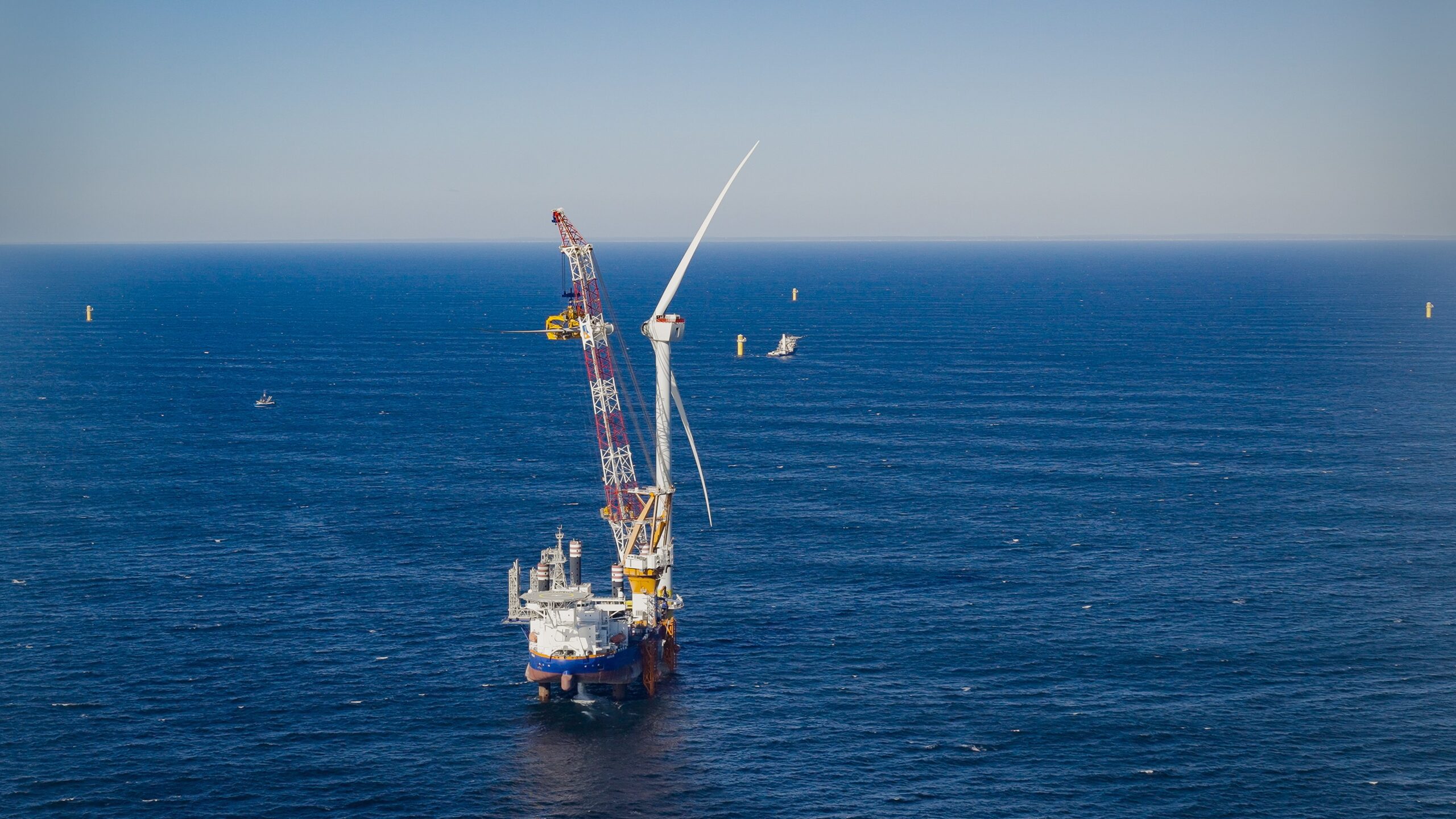
For the maritime industry, each canceled lease further reduces the pipeline of future offshore wind projects that would have supported demand for Jones Act-compliant installation vessels, feeder barges, port infrastructure and domestic supply chains along the U.S. East Coast.

 Join The Club