The U.S. Department of the Interior has proposed targeted changes to federal regulations governing exploratory oil and gas drilling in Alaska’s Arctic offshore, arguing the revisions will reduce unnecessary regulatory burdens while maintaining safety and environmental protections.
The proposal, announced Monday through the newly established Marine Minerals Administration (MMA), would revise portions of the 2016 Arctic Exploratory Drilling Rule adopted during the Obama administration. Interior officials said the changes are intended to reflect technological advances, operational experience, and lessons learned since the rule was implemented.
“President Trump has made clear that America must fully avail itself of Alaska’s extraordinary resource potential for the benefit and security of the Nation and the citizens who call Alaska home,” Interior Secretary Doug Burgum said in a statement. “This proposed rule reflects a disciplined, mission-focused approach that strengthens regulatory efficiency, reduces unnecessary barriers and ensures that Arctic energy exploration proceeds safely, responsibly and under strong federal oversight.”
According to the Interior Department, the proposed revisions would update requirements covering blowout preventer real-time monitoring, Arctic source control and containment equipment, relief rig capability, subsea isolation devices, mudline cellars, oil spill response plans, crane operations on artificial islands, and suspensions of operations and production.
The agency also proposes eliminating the separate Integrated Operations Plan requirement, instead incorporating key Arctic planning information into the existing Exploration Plan process.
According to the Interior Department, the changes are designed to provide operators with greater flexibility while preserving the federal government’s authority to impose additional safeguards or conditions on Arctic drilling activities as needed.
“The Alaskan Outer Continental Shelf contains some of America’s most promising offshore resources,” said MMA Acting Director Matt Giacona. “These targeted updates would provide clear, practical compliance options for Arctic Outer Continental Shelf exploration while preserving safeguards to protect workers, the environment and Alaska’s precious natural resources.”
The proposal does not authorize any new lease sales, exploration plans, drilling permits, or production activities. Any future projects would still be subject to existing environmental reviews, permit approvals, oil spill response planning, inspections, and compliance oversight.
The proposed rule implements President Donald Trump’s Executive Order 14153, Unleashing Alaska’s Extraordinary Resource Potential, which directs federal agencies to expand responsible development of Alaska’s natural resources. It also aligns with Interior Secretary’s Order 3451 establishing the Marine Minerals Administration, which assumed offshore energy regulatory responsibilities previously handled by the Bureau of Ocean Energy Management and the Bureau of Safety and Environmental Enforcement.
The proposal marks the latest chapter in a decade-long political battle over Arctic offshore development.
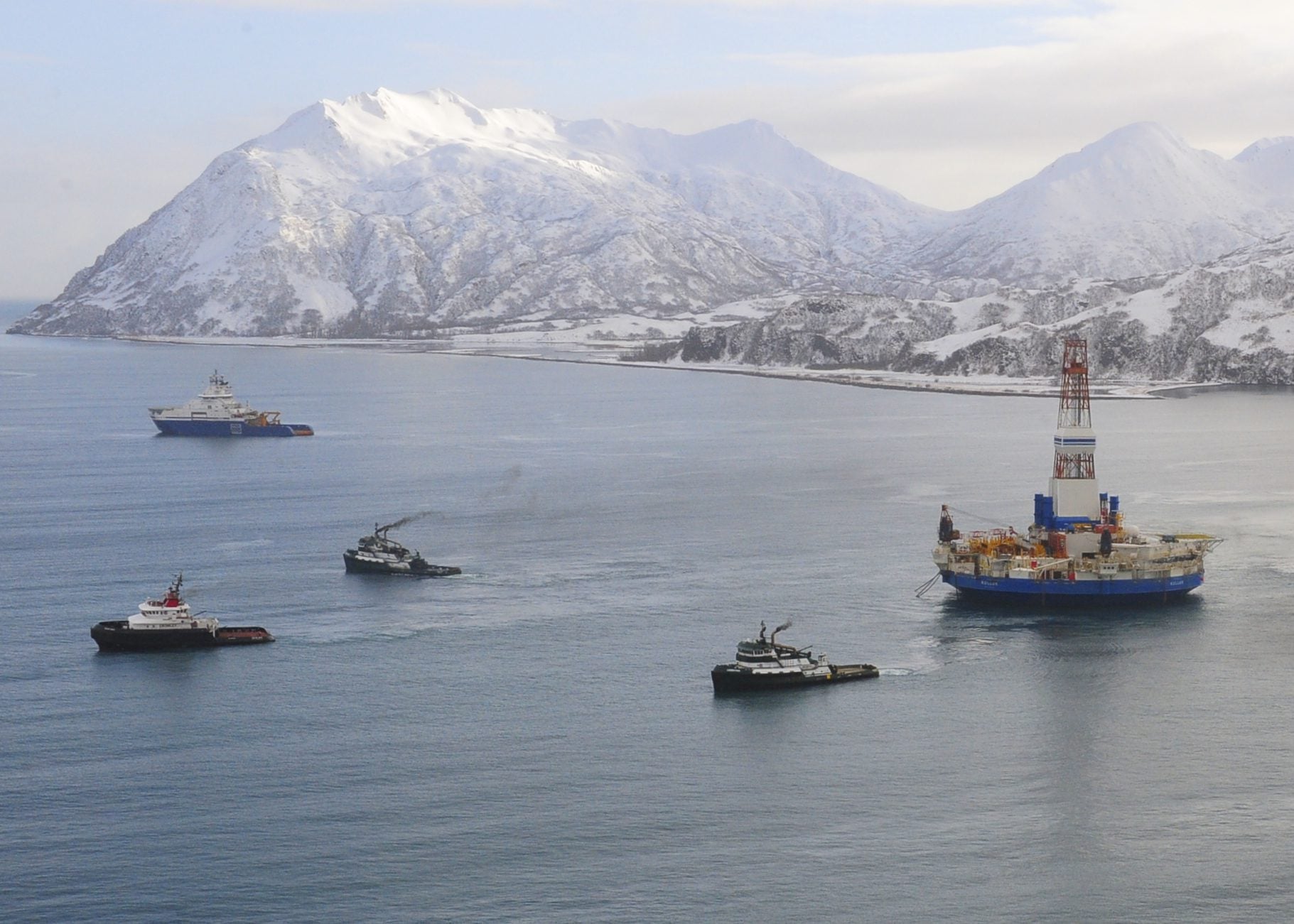
The 2016 Arctic Exploratory Drilling Rule was developed after years of review following Shell’s failed Arctic drilling campaigns in 2012 and 2015. It established a suite of Arctic-specific safety requirements for exploratory drilling in the Beaufort and Chukchi seas, including standards for well control, blowout preventers, source control and containment equipment, relief rig capability, real-time operational monitoring, and integrated planning designed to address the region’s remote location, seasonal ice conditions, and limited emergency response infrastructure
That same year President Barack Obama used the Outer Continental Shelf Lands Act to permanently withdraw large areas of the Chukchi Sea, most of the Beaufort Sea, and portions of the Atlantic coast from future oil and gas leasing, citing the environmental risks of operating in remote Arctic waters and the challenges of responding to a major oil spill.
The latest proposal will be published in the Federal Register, triggering a 90-day public comment period.

 Join The Club