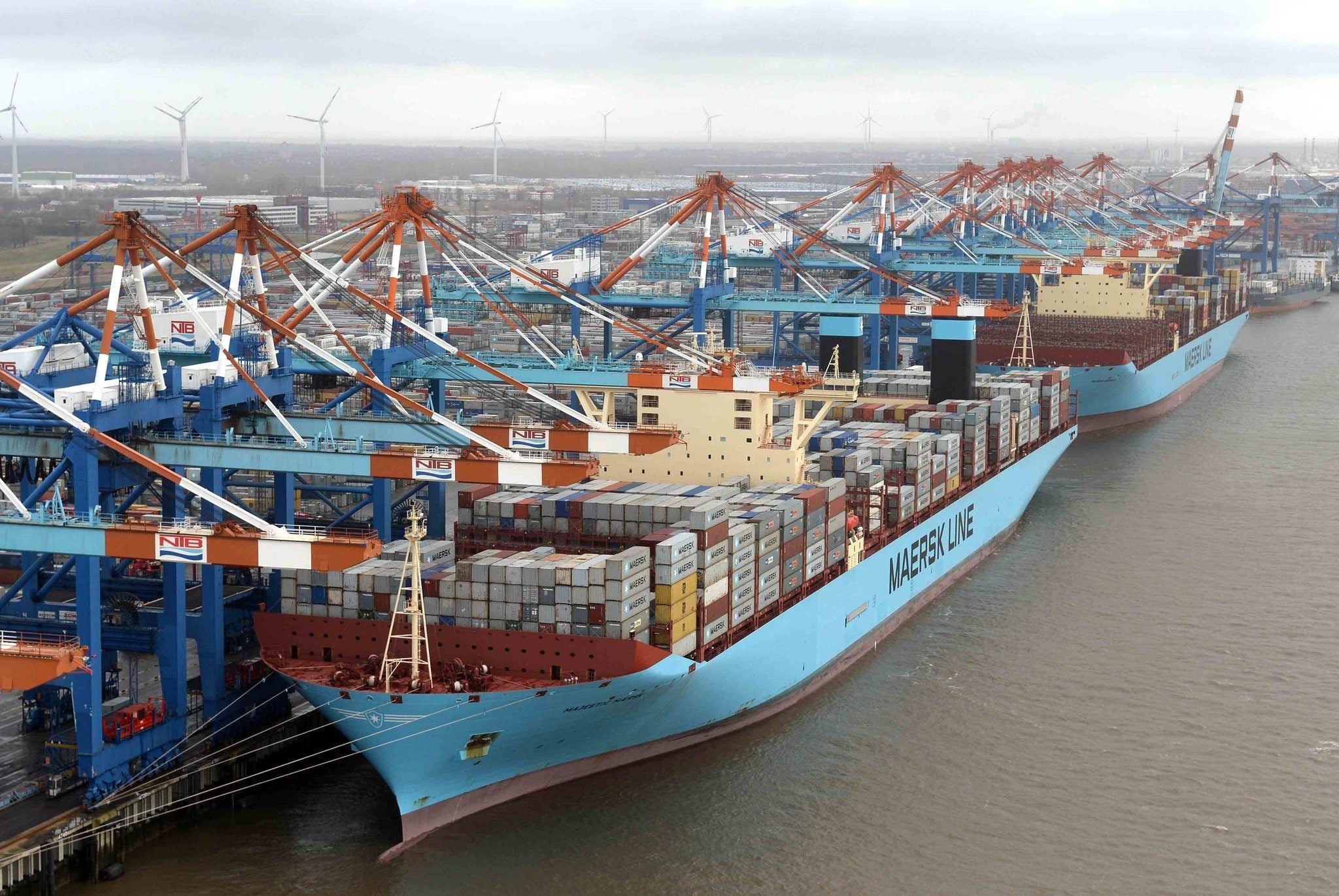
A.P. Moller-Maersk has sharply upgraded its financial guidance for 2026, citing stronger-than-expected demand in the global container shipping market and a sustained rise in spot freight rates, particularly on trades out of the Far East.
The Danish shipping giant now expects underlying EBITDA of $8 billion to $10 billion for the year, up from its previous forecast of $4.5 billion to $7 billion. Underlying EBIT is now projected at $2 billion to $4 billion, compared with prior guidance ranging from a $1.5 billion loss to a $1 billion profit.
Maersk also improved its free cash flow outlook, saying it now expects free cash flow of at least negative $1.5 billion, versus its previous guidance of at least negative $3 billion.
The company said the stronger outlook reflects continued resilience in container demand and a sustained increase in spot freight rates. Maersk also raised its forecast for global container market volume growth this year to about 4%, from its previous expectation of 2% to 4%.
The upgraded outlook comes as container shipping continues to benefit from an extended period of supply chain disruption that has kept freight rates elevated across major east-west trade lanes. While geopolitical tensions have created significant challenges for carriers and shippers alike, they have also tied up vessel capacity through longer voyages and network disruptions, helping support freight rates.
Last week, Allianz Commercial warned that global shipping has entered a new era of heightened geopolitical risk, arguing that disruptions such as those in the Red Sea and Strait of Hormuz are becoming structural rather than temporary. The insurer said carriers should expect greater volatility and a lasting shift toward more resilient—but more expensive—global supply chains.
Maersk continues to operate under extensive contingency measures in the Middle East. In its latest operational advisory, the carrier said it continues to restrict bookings to several Gulf markets, reroute cargo through alternative hubs and inland transport corridors, and levy emergency freight surcharges to cover additional storage, charters and rerouting costs.
Maersk is scheduled to report its second-quarter results on August 13.

 Join The Club