By Philip J. Heijmans and Alberto Nardelli
Jun 1, 2025 (Bloomberg) –Defense officials from Europe and Southeast Asia called for stronger collaboration to protect the global network of subsea cables as concerns grow over threats to this vital infrastructure.
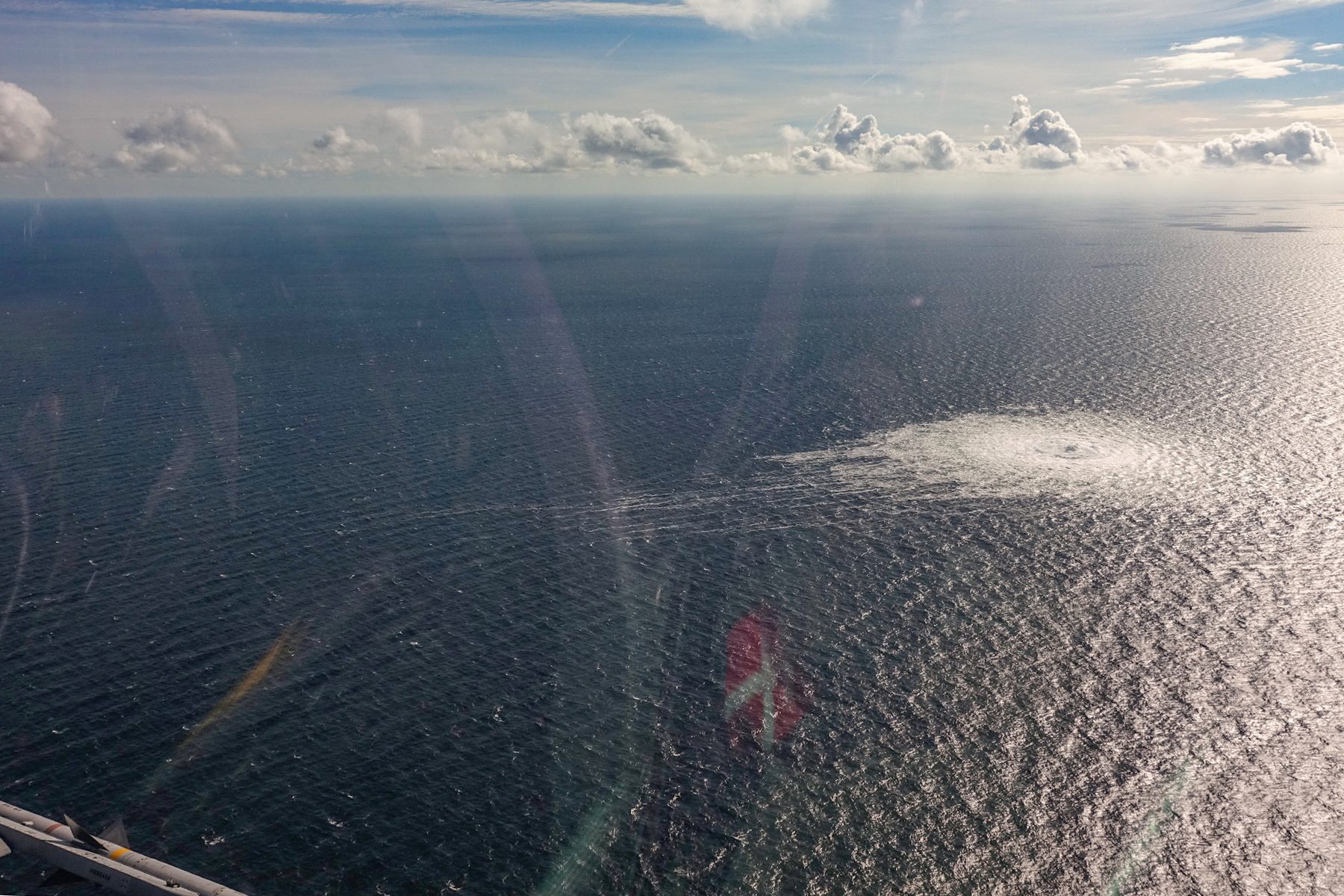
Countries like Singapore and Malaysia are becoming key hubs for the roughly 600 fiber-optic cables that carry nearly all of the world’s data. Meanwhile, a spike in cable damage in European waters, particularly in the Baltic Sea, has heightened fears about the network’s vulnerability.
“We need to work together to defend the entire network,” Singapore Defense Minister Chan Chun Sing said at the IISS Shangri-La Dialogue security forum on Sunday. “There’s no point trying to defend the integrity and security of a submarine cable by looking at a point. We need both ends to be secure.”
The issue came up repeatedly during the two-day summit in Singapore, with European officials keen to share what they’ve learned from the recent rise in subsea cable damage. Today, the global undersea cable network stretches about 1.4 million kilometers (870,000 miles).
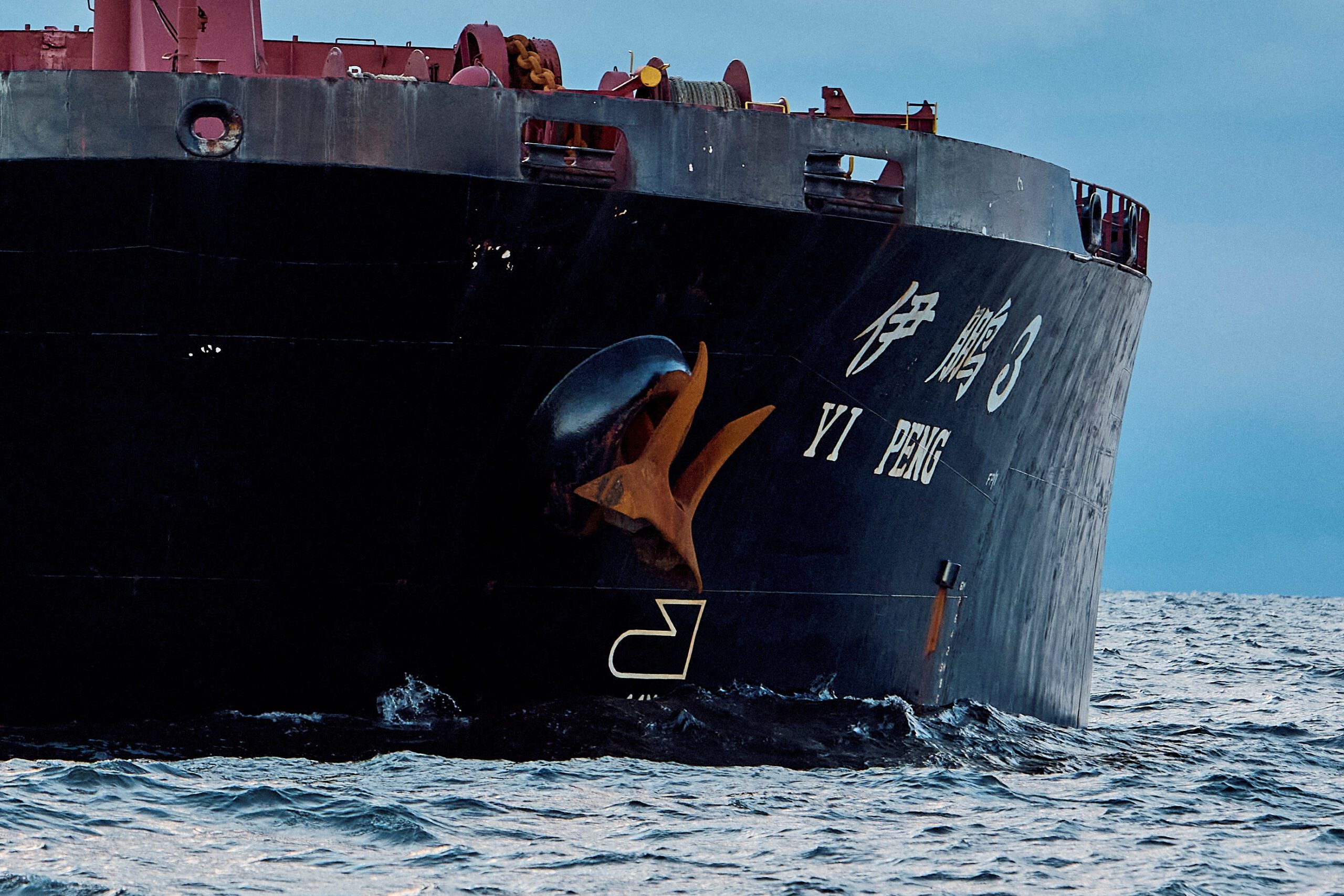
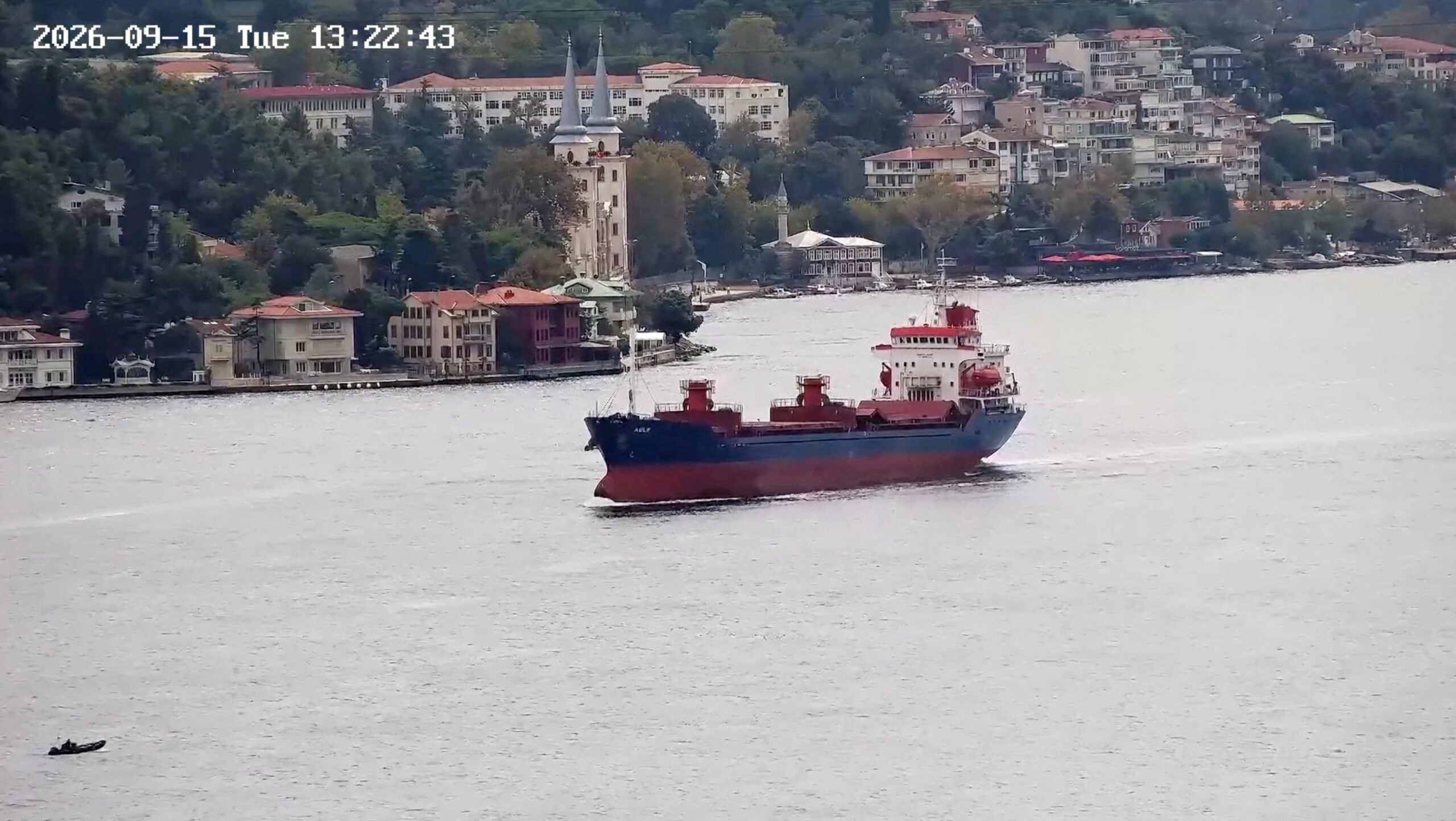
With the demand for data center power projected to surge significantly with the advent of intensive AI platforms, more cables are essential. Protecting them has become a key imperative in Europe since Russia’s full-scale invasion of Ukraine, with incidents in its waters mostly involving tankers traveling to and from Russia, and in at least one case, a Chinese vessel.
Despite suspicions of sabotage, there’s been no strong evidence pointing to deliberate attacks, with the incidents more likely to be accidents or careless behavior. Still, NATO countries have increased patrols in key areas to ensure the safety of undersea infrastructure.
Read more: China Discloses Powerful Deep-Sea Cable Cutter, SCMP Reports
The European Union’s top diplomat Kaja Kallas urged European and Asian partners to work together at sea to tackle covert “shadow fleets” of tankers and review maritime security laws.
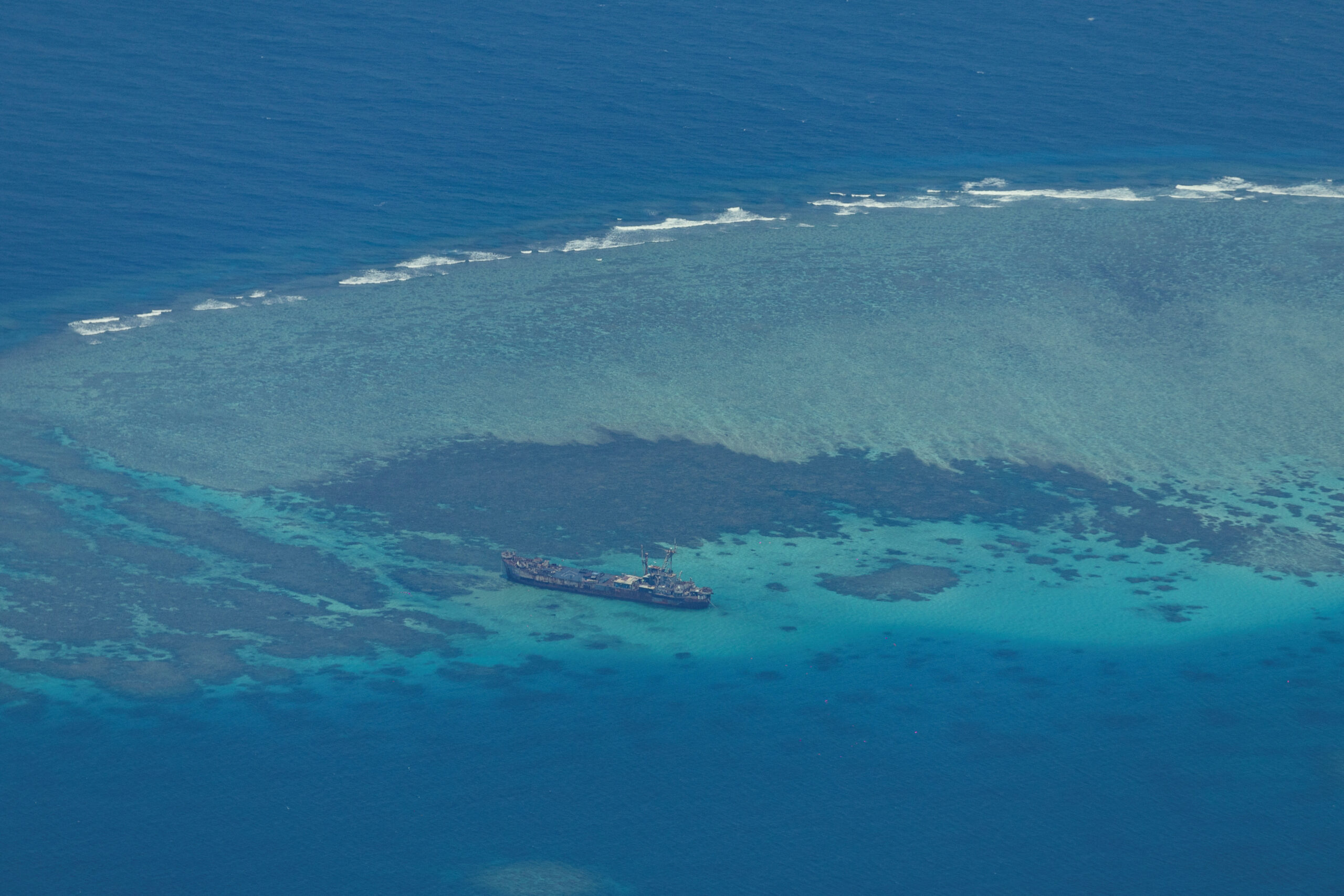
Protecting digital cable infrastructure is important for the Philippines too, Defense Secretary Gilberto Teodoro said in an interview. He added that his country, which is locked in a long-running dispute with China in the South China Sea, is working to build up its capabilities to address the threat.
Thailand also called the issue a pressing concern, with Defense Minister Phumtham Wechayachai saying the country is collaborating with Singapore and Brunei. He added undersea infrastructure faces risks not only from sabotage, but also from accidents and natural disasters.
© 2025 Bloomberg L.P.

 Join The Club