Don’t Miss Your Daily Briefing for the Maritime Industry
Join the leading maritime news network
— trusted by our 106,867 members
South Korean President Lee Jae Myung delivers his speech during a ceremony marking the pilot voyage of the first South Korean container ship to sail through the Arctic route to Europe, The PanStar Acro, in Busan, South Korea, October 13, 2026. Yonhap via REUTERS THIS IMAGE HAS BEEN SUPPLIED BY A THIRD PARTY. NO RESALES. NO ARCHIVES. SOUTH KOREA OUT. NO COMMERCIAL OR EDITORIAL SALES IN SOUTH KOREA.
South Korean President Hails Arctic Container Shipping Trial, but Commercial and Sanctions Questions Remain
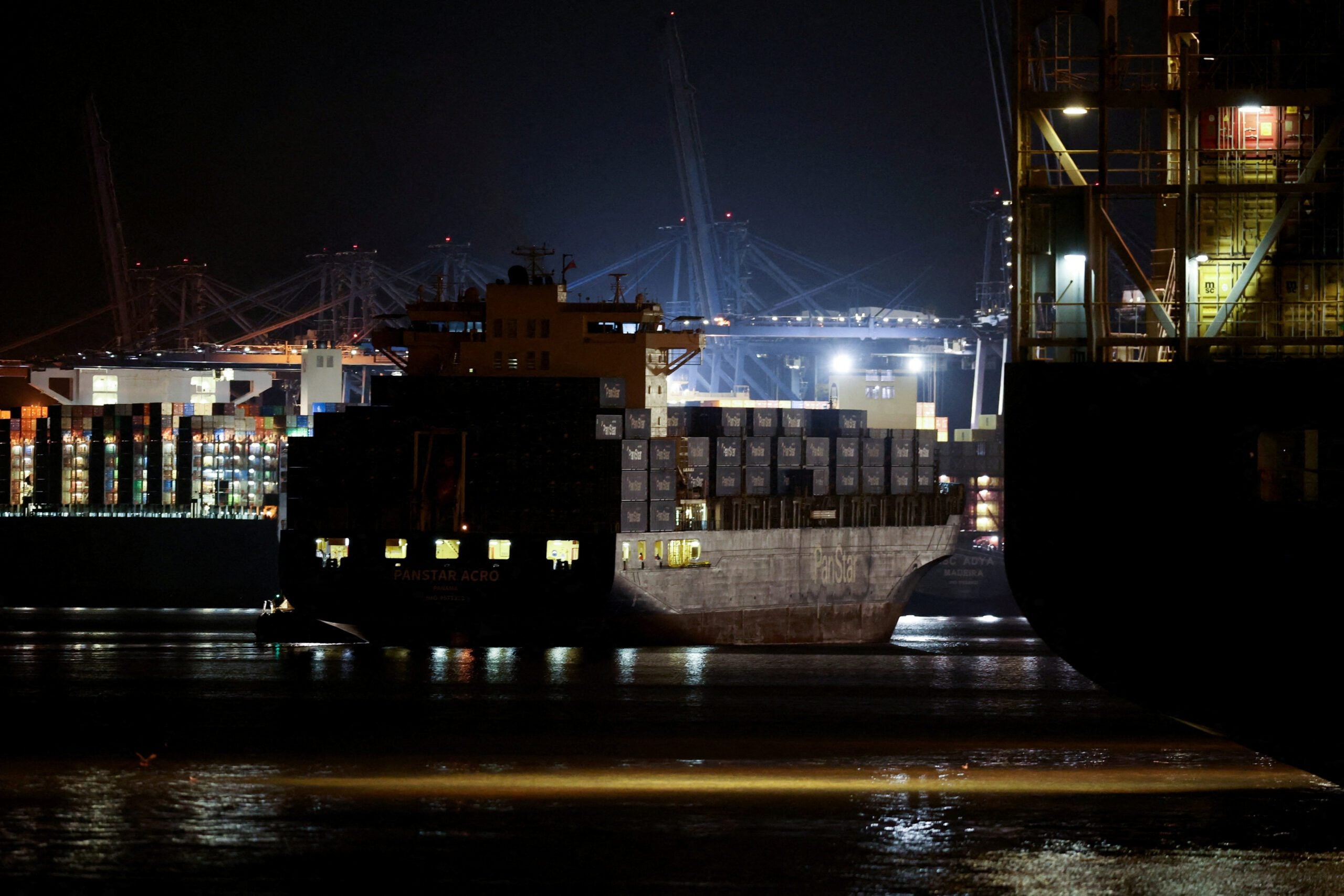
South Korean President Lee Jae Myung welcomed the PanStar Acro and its crew home on Tuesday after the container ship completed the country’s first round-trip commercial trial through the Arctic to Europe, hailing the voyage as a potential alternative to traditional shipping lanes even as questions remain over commercial viability and cooperation with Russia.
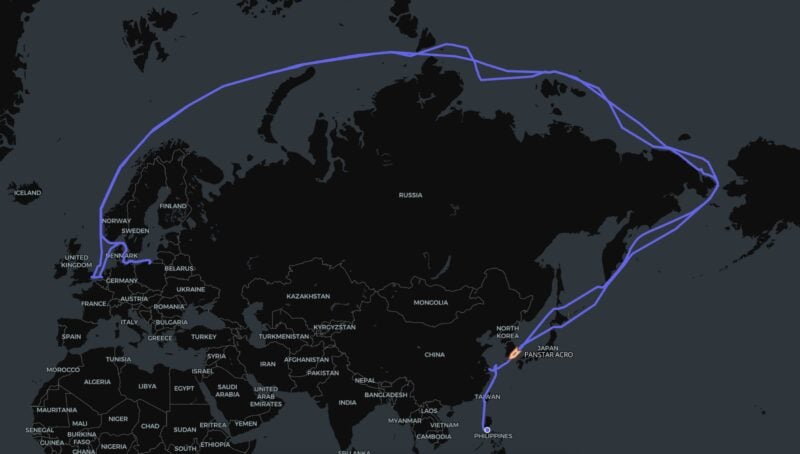
The 2,758-TEU vessel returned to Busan on Sunday after a 50-day voyage that included stops in Felixstowe, Rotterdam and Gdansk. The ship reached Europe in about 20 days via the Northern Sea Route, roughly a third faster than a comparable journey through the Suez Canal, according to South Korean authorities.
“We have clearly learned how badly the Korean economy is shaken when existing sea lanes are blocked,” Lee said at the welcoming ceremony, referring to disruptions to shipping caused by conflict in the Middle East.
“The newly opening Arctic route can become another sea lane, another option…to rely on in a crisis,” he said.
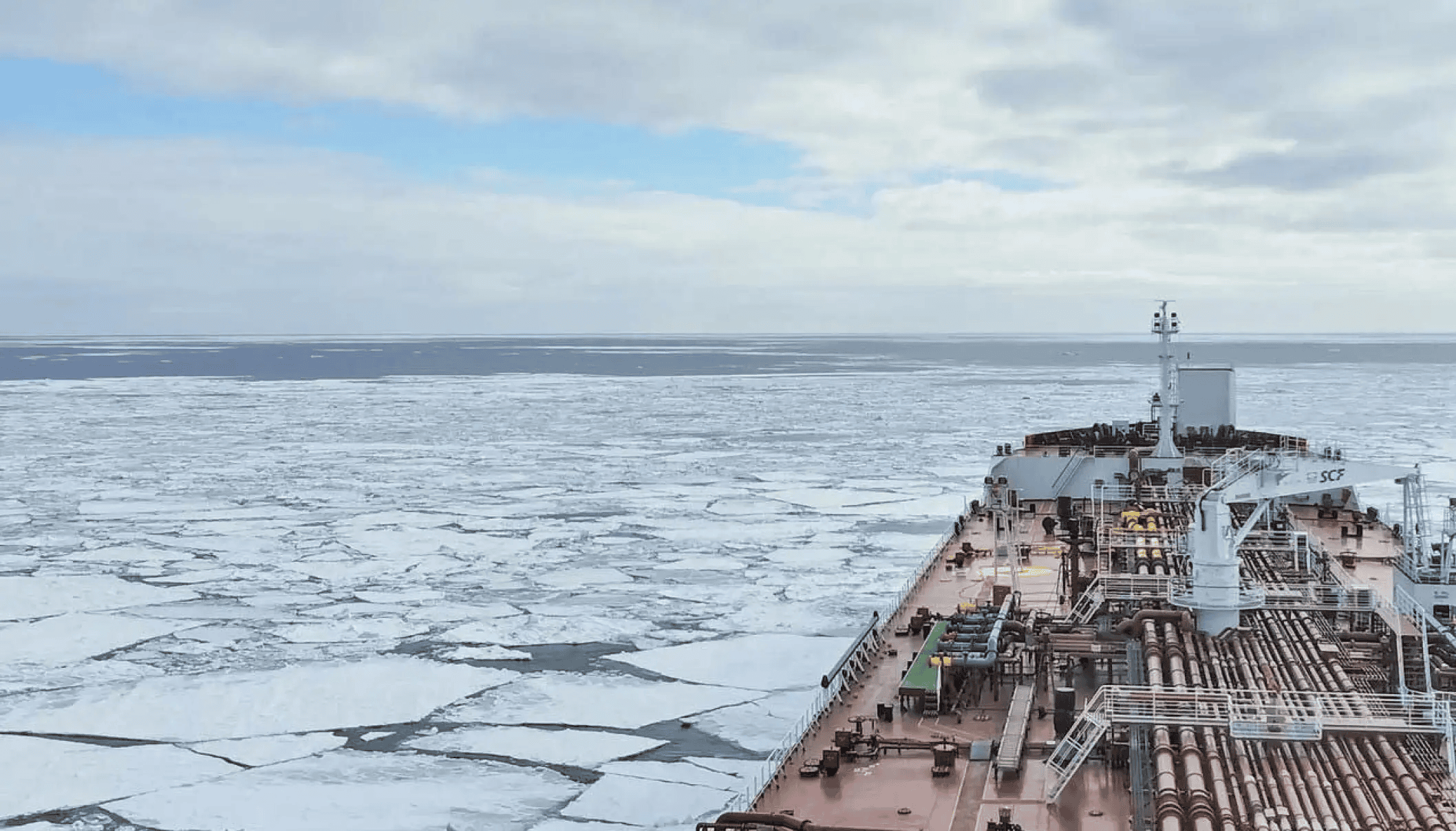
Lee described the voyage as a meaningful test of the route’s potential, highlighting the crew’s experience navigating Arctic waters in summer without icebreaker assistance and dealing with floating ice. Seoul plans additional trial voyages involving container ships and automobile carriers in 2027, with the goal of establishing regular services by 2030.
But the trial offered limited evidence that the route can support commercially sustainable container services. The PanStar Acrodeparted with 737 twenty-foot equivalent units (TEU) of export cargo, well below its target of 1,300 TEU, and returned with 1,743 TEU of empty containers and no imports, according to data cited by opposition lawmaker Kang Seung-kyoo.
Panstar Acro‘s AIS track during its roundtrip Arctic voyage. (Source: MagicPort.ai)
Lee acknowledged that securing return cargo after unloading in Europe remains a challenge. Consolidating shipments and building operational experience could gradually lower costs and improve service reliability, he said. South Korea’s oceans minister has suggested the route may not become economically viable until around 2040.
The voyage also highlights the diplomatic complications of developing a shipping corridor that runs along Russia’s Arctic coast. Ships using the Northern Sea Route require Russian authorization, while access to icebreaker escorts can involve Russia’s state-controlled nuclear icebreaker operator, Rosatomflot, which is subject to Western sanctions.
Lee sought to reassure allies that Seoul would not compromise its sanctions commitments. “We will strictly observe international norms and the international community’s sanctions principles,” he said, adding that South Korea would communicate with partner countries and “responsibly address concerns related to the voyage.”
Yet Lee also made clear that Seoul intends to preserve room for engagement with Moscow. At a Cabinet meeting, he described the Arctic route as a priority for South Korea’s national interests and said diplomacy must continue even with adversaries. “There are no eternal enemies or allies,” he said.
The broader context has raised further questions about South Korea’s evolving relationship with Russia. According to recent reporting by the Guardian South Korea shipped more than 176,000 metric tons of petroleum products to Russia in July and August, including cargoes carried by tankers subject to Western sanctions. Seoul has denied that the exports themselves violated its controls, saying it is investigating whether any laws were broken.
By Joyce Lee SEOUL, Oct 11 (Reuters) – A South Korean container ship completed the country’s first commercial round trip to Europe via the Arctic on Sunday, as authorities bank on the...
The United Kingdom on Thursday sanctioned 12 oil tankers it identified as part of Russia's shadow fleet, including the 22-year-old Dakar that is currently making an unusual late-season voyage on the Northern Sea Route.
A 22-year-old product tanker sanctioned by the European Union is making an unusual late-season voyage along Russia's Northern Sea Route, highlighting the growing use of older, lower-specification vessels to move petroleum products through the Arctic.
October 7, 2026
Total Views: 1700
Get The Industry’s Go-To News
Subscribe to gCaptain Daily and stay informed with the latest global maritime and offshore news
— just like 106,867 professionals
Secure Your Spot
on the gCaptain Crew
Stay informed with the latest maritime and offshore news, delivered daily straight to your inbox
— trusted by our 106,867 members
Your Gateway to the Maritime World!
Essential news coupled with the finest maritime content sourced from across the globe.

 Join The Club