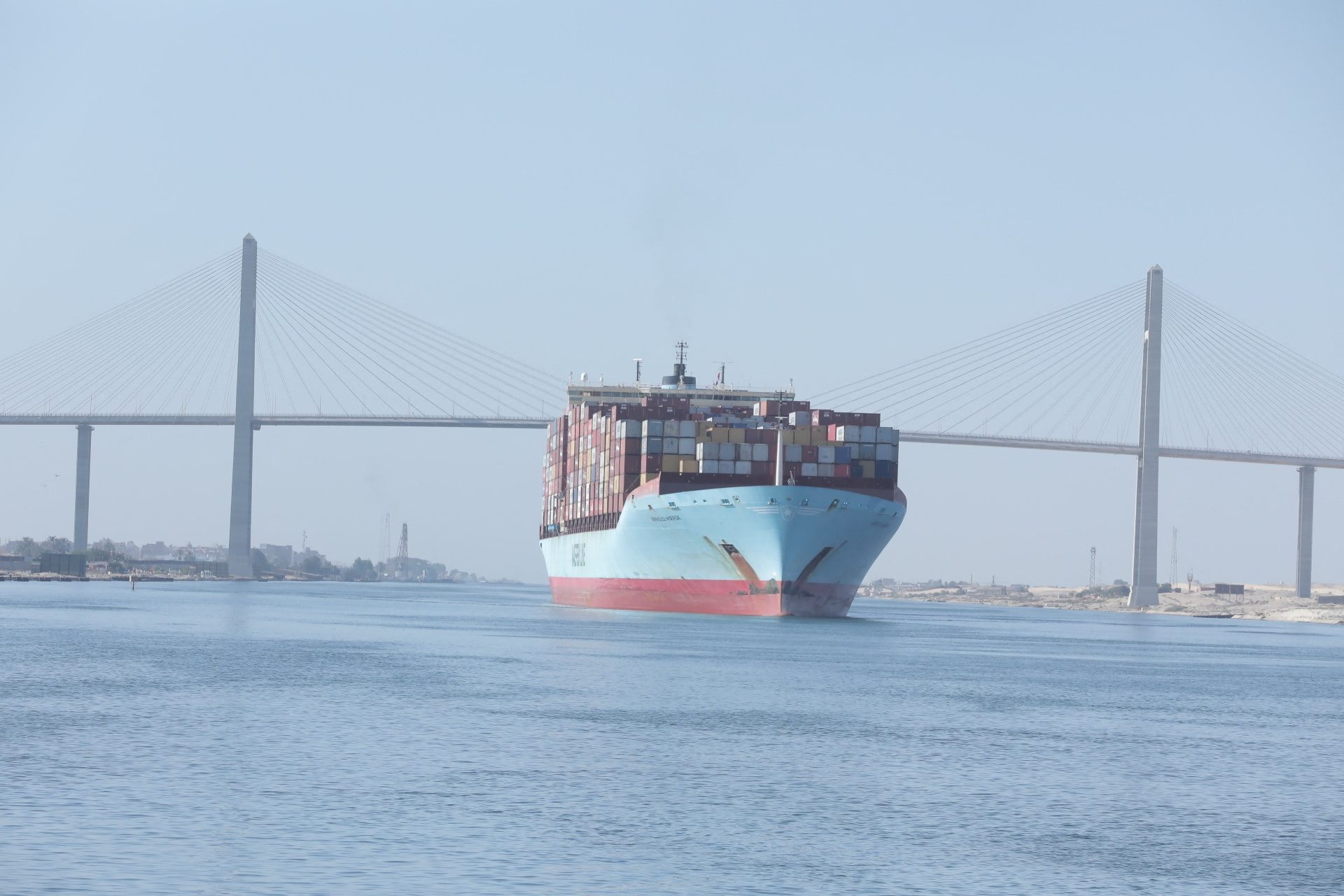
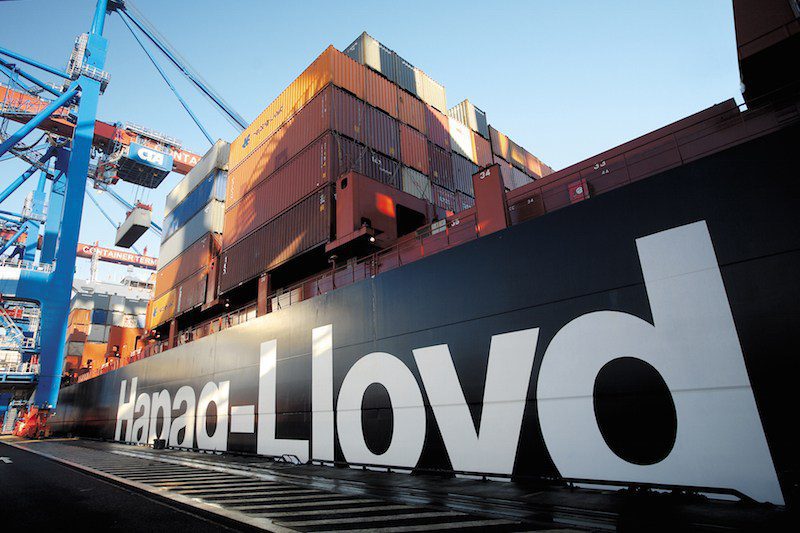
Maersk and Hapag-Lloyd are bringing three more Gemini Cooperation services back through the Red Sea and Suez Canal, marking another major step in the container shipping industry’s gradual return to the shorter route between Asia and Europe.
The carriers announced Monday that their AE1, AE2 and AE3 services will shift from sailing around Africa’s Cape of Good Hope to transiting the Suez Canal, with the changes taking effect between December 2026 and January 2027.
The announcement builds on a series of earlier routing changes as the partners progressively restore Suez transits across their shared network.
According to Maersk’s November 16 advisory, the transitions will begin with the AE2 service on December 4, followed by AE3 on December 20 and AE1 on January 14, 2027.
The AE2 service, connecting Asia, Europe and the Middle East, will begin its revised rotation with the Mary Maersk departing from Ningbo. The AE3 service will follow with the Alette Maersk from Shanghai, while the AE1 transition will begin with the Damietta Express, also from Shanghai.
The decision follows a broader return to the Suez corridor that has gathered momentum in recent months. In September, the two carriers announced the rerouting of four additional Gemini services — AE5, AE11, AE12 and ME2 — joining two services already using the canal.
Earlier this month, Maersk and Hapag-Lloyd also announced the return of their ME1 service connecting India and Europe, with the first revised sailings scheduled for November 4 and 13.
The latest changes extend that shift to more of the carriers’ main Asia-Europe services, reducing reliance on the significantly longer route around southern Africa.
For container lines and shippers, the Suez route offers shorter voyages, lower fuel consumption and faster transit times compared with Cape of Good Hope diversions. Returning services to the canal can also free up vessel capacity that has been tied up by longer voyages.
Still, the carriers stressed that the return remains dependent on regional security conditions.
Maersk and Hapag-Lloyd said they will continue closely monitoring developments in the Middle East, with any further changes to the Gemini network dependent on continued stability in the Red Sea.
The announcement underscores the industry’s growing willingness to restore regular Suez Canal operations, while stopping short of suggesting that security risks in the region have disappeared.

 Join The Club