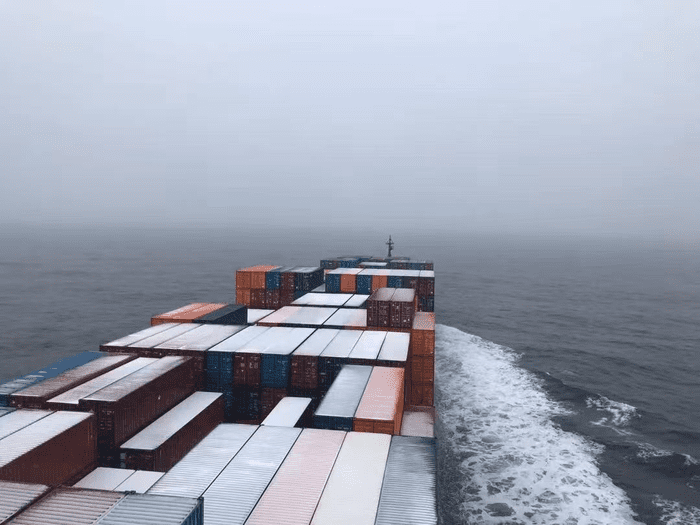
Container shipping via the Arctic is set for a massive boost in 2026. After completing the first-ever Arctic Express voyage from Ningbo-Zhoushan, China to Felixstowe, UK in a record 20 days earlier this month, Chinese operator Sealegend plans to conduct 16 voyages via the Arctic next year.
“Overall, the inaugural voyage of the Northeast Passage of the Arctic Seaway has basically met expectations. The Arctic Seaway has natural advantages and is indeed worthy of vigorous promotion,” said the company’s Chief Operating Officer, Li Xiaobin, in a recent interview.
Sealegend plans to take full advantage of next year’s summer “ice-free” season between July and November to conduct its voyages. It is unclear if the company plans to acquire additional ice-class container vessels. Istanbul Bridge’s low Ice1 ice classification proved sufficient to cross the Arctic Ocean in late September.
Istanbul Bridge’s arrival in Europe was delayed by two days due to severe weather in northern Europe and a strike at the port of Rotterdam. In contrast, the conditions in the Arctic were as expected, with relatively calm seas, confirmed Li. The vessel completed one of the fastest Arctic transits on record, traveling 3,500 nautical miles from the Bering Strait to the Barents Sea at close to 17 knots.
A full roundtrip voyage via the Arctic with loadings and unloadings at several ports in China and Europe takes around two months. Thus, Sealegend would need to dedicate 5-6 vessels to complete 16 voyages in a 4-5 months period.
The company thinks that if the shipping window can be expanded to 8-10 months in the future through the use of high ice-class containerships it’s Arctic Express will become a very interesting economic proposition.
“High-level icebreaking ships are already being designed or are in operation, but the investment is relatively high. If the Arctic Express can operate for about ten months, its commercial value will be very high.”
Customer perceptions related to Arctic shipping may also be shifting, reports Sealegend. The company is already noticing an uptick in customer inquiries following Istanbul Bridge’s successful voyage. Prior to the voyage the company had embarked on a promotion campaign across Chinese media outlets.
Sealegend advertisement highlighting the speed of the Arctic Express compared to the Suez Canal and South Africa route. (Source: Sealegend WeChat)
“The Arctic Express has been studied for a long time. Many people have thought about it, but no one has actually put it into practice. After making some preparations, Haijie Shipping [Sealegend] bravely took the first step,” says Li.
The route may prove especially attractive for vendors of high-value products and customers preferring fast delivery times. Li referenced electric vehicles, lithium batteries, photovoltaics and other electronic equipment as possible future cargoes.
But the learning curve will be steep, especially for new operators with little experience in Arctic waters.
“How to plan routes and arrange emergency plans will still be a long-term challenge facing operators,” cautions Li.
Some of the challenges relate to the need for specialized training, seasonal icebreaker escorts and higher insurance costs. Especially during the later part of the year the high latitudes experience permanent darkness posing additional challenges for crews.
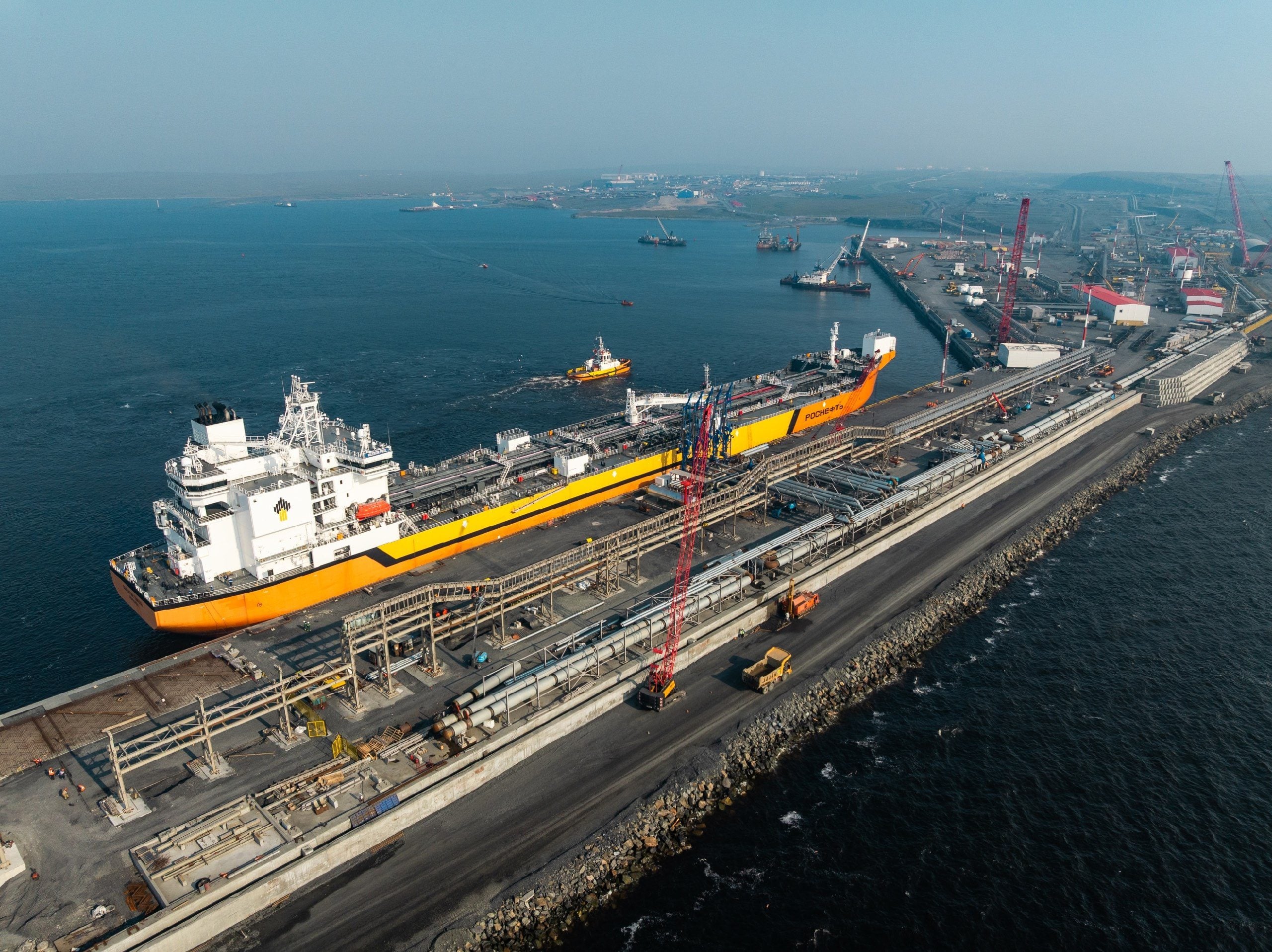
Along Russia’s remote Arctic coast last month, Igor Sechin stood beside a waiting tanker in the freezing cold with a message for Vladimir Putin: After years of construction, the country’s next great oil frontier was finally coming to life.
The European Union unveiled a new Arctic strategy Tuesday aimed at strengthening maritime security, expanding icebreaker capacity and protecting critical infrastructure as melting sea ice opens new shipping routes and...
Russia's oil exports through its Northern Sea Route (NSR) in 2026 have already exceeded last year's by nearly 50%, with some 20 million barrels shipped to Asia from the start of navigation in July to mid-October, traders said and data showed.
October 19, 2026
Total Views: 686
Get The Industry’s Go-To News
Subscribe to gCaptain Daily and stay informed with the latest global maritime and offshore news
— just like 106,492 professionals
Secure Your Spot
on the gCaptain Crew
Stay informed with the latest maritime and offshore news, delivered daily straight to your inbox
— trusted by our 106,492 members
Your Gateway to the Maritime World!
Essential news coupled with the finest maritime content sourced from across the globe.

 Join The Club