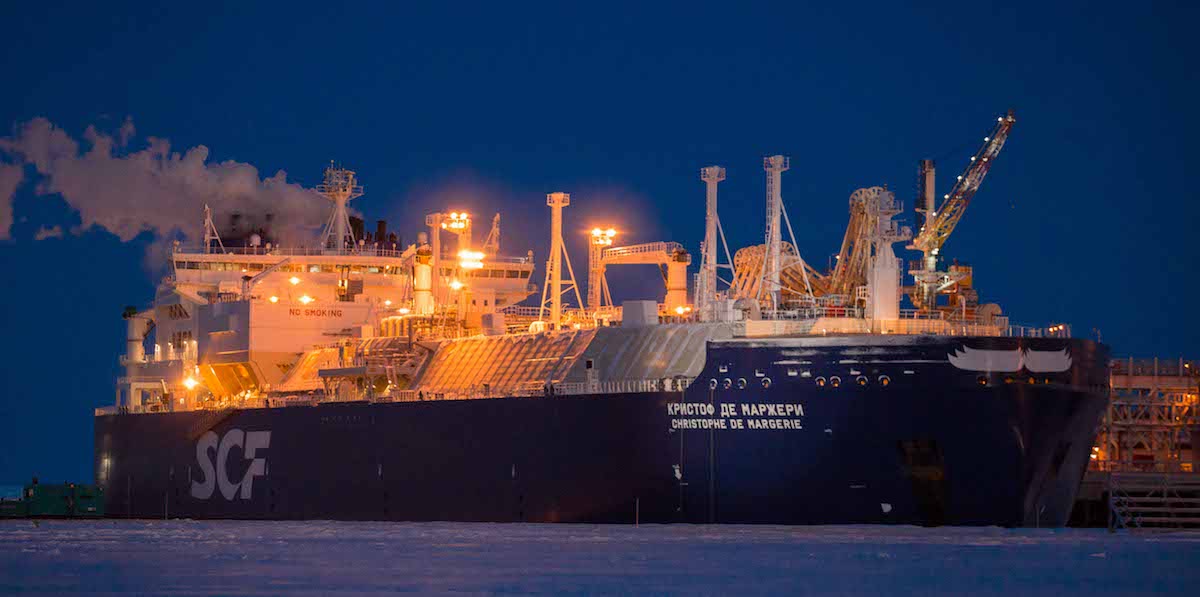
The icebreaking LNG carrier Christophe de Margerie appeared to be attempting an unusually early eastbound transit of Russia’s Northern Sea Route (NSR) this week after loading liquefied natural gas from the sanctioned Arctic LNG 2 project, highlighting both favorable ice conditions and mounting pressure on Moscow to sustain exports to Asia.
Ship-tracking data showed the Arc7 carrier sailing eastward in the Kara Sea as of midday May 28 after loading cargo at Arctic LNG 2 on May 26. If completed, the voyage would rank among the earliest eastbound LNG transits ever attempted along the NSR, where commercial shipping seasons traditionally begin in mid- or late June once Arctic sea ice retreats further.
Only a handful of May transits by Arc7 LNG carriers have previously been recorded. The Christophe de Margerie itself completed the first experimental May eastbound voyage in 2020, delivering LNG from Yamal LNG to China in what was then considered a milestone for Arctic shipping.
The vessel’s current voyage suggests sea ice conditions in the Russian Arctic are again sufficiently limited to permit earlier navigation. Satellite imagery and ice charts this spring have shown below-average ice concentrations across parts of the Kara Sea and eastern Arctic shipping corridor, potentially extending the operational window for Russia’s fleet of icebreaking LNG carriers.
But the transit also underscores growing logistical pressures facing Novatek, the majority owner of Arctic LNG 2, as Western sanctions and vessel shortages complicate exports from the project.
Since late 2024, Arctic LNG 2 cargoes have struggled to consistently reach buyers due to sanctions on the project and a limited pool of available ice-class LNG carriers. The situation tightened further following the recent incident involving the LNG carrier Arctic Metagaz in the Mediterranean, which effectively curtailed the use of the Suez route for Russian Arctic LNG deliveries to Asia, according to shipping sources and industry analysts.
That has increased pressure on Moscow and Novatek to maximize use of the Northern Sea Route despite difficult ice conditions early in the season, as well as sending vessels with no ice-class along the route.
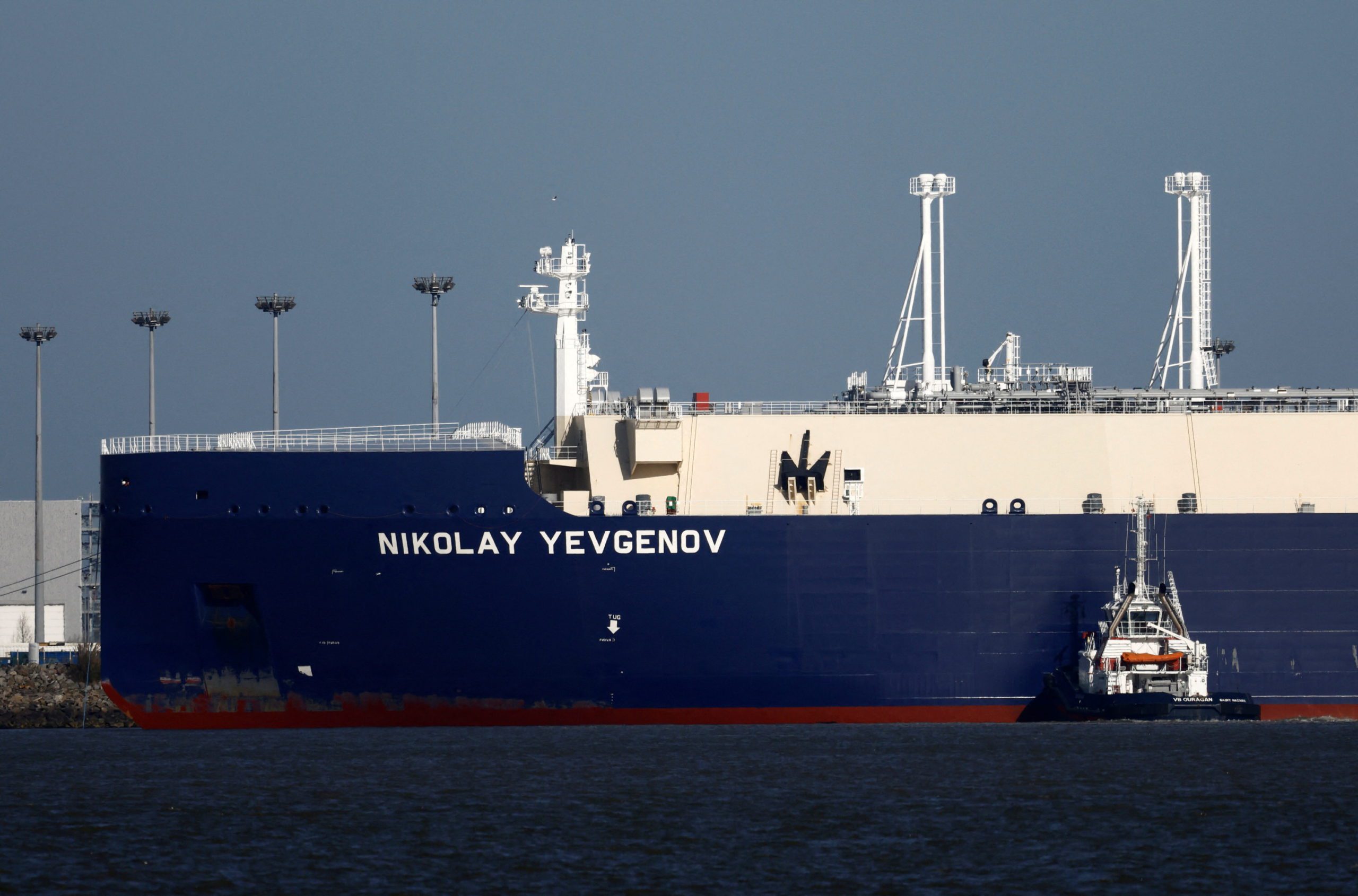
Industry estimates suggest Novatek may require more than 30 additional LNG carriers over the next 12 months to maintain year-round export capacity to Asian markets from Arctic LNG 2 and Yamal LNG as new EU sanctions come online. Western sanctions have sharply constrained access to newbuild vessels and financing, forcing Russia to rely heavily on its existing Arc7 fleet and shadow shipping arrangements.
Russia has long promoted the NSR as a strategic export corridor linking Arctic energy projects with Asian markets. The Kremlin aims to sharply increase cargo volumes along the route this decade, supported by a growing nuclear icebreaker fleet and expanded Arctic infrastructure.

 Join The Club