Don’t Miss Your Daily Briefing for the Maritime Industry
Join the leading maritime news network
— trusted by our 106,968 members
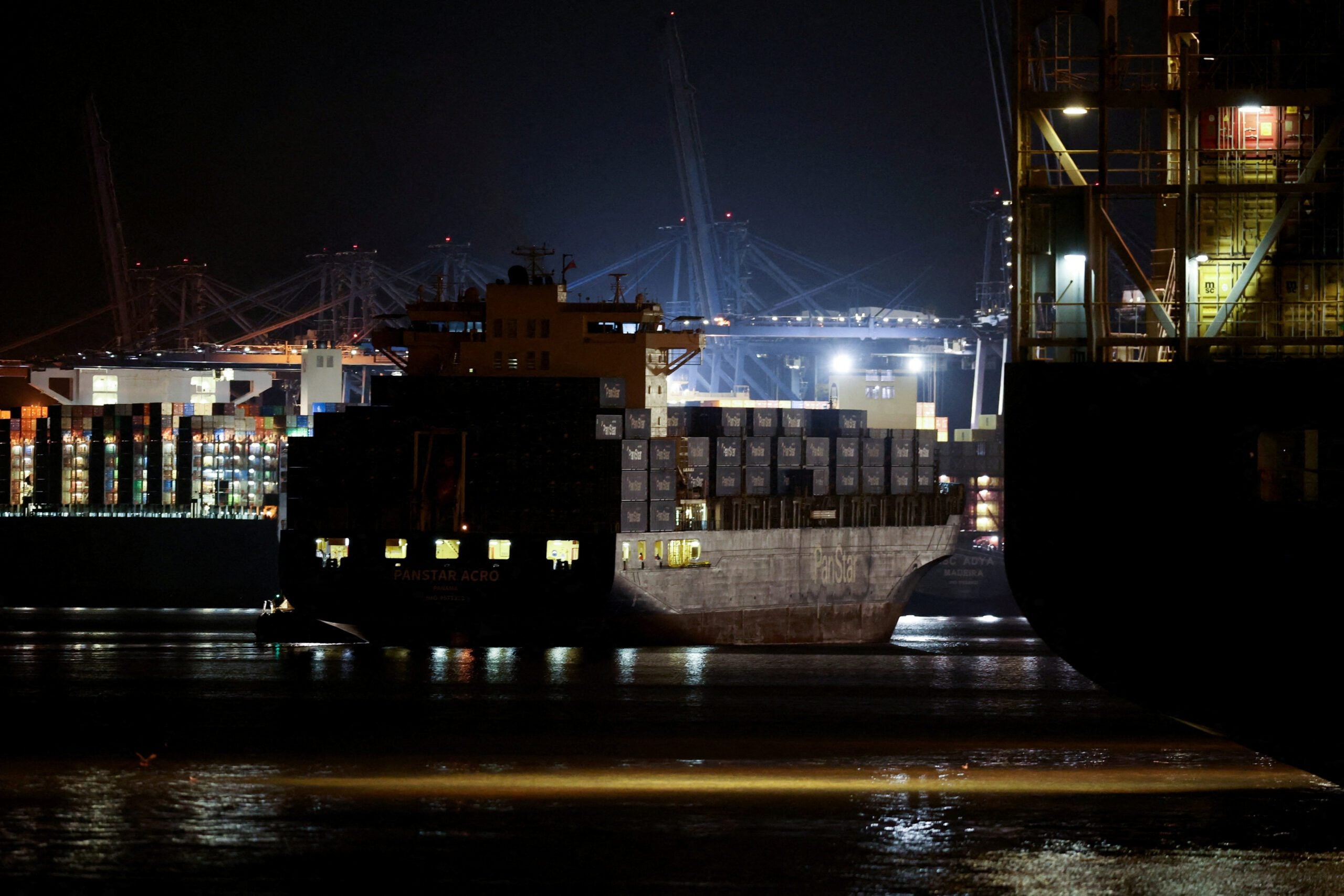
Chinese containership Istanbul Bridge arrived at the UK’s largest terminal Felixstowe early on October 13. The Panamax vessel completed the 7,500 nautical mile voyage via the Arctic Northern Sea Route in just 20 days. A comparable voyage through the Suez Canal measures 11,000 nautical miles and routinely takes between 40-50 days.
Chinese Containership ‘Istanbul Bridge’ Reaches UK via Arctic Route in Record 20 Days
Chinese containership Istanbul Bridge is scheduled to arrive at the UK’s largest terminal Felixstowe during the afternoon of October 13. The Panamax vessel completed the 7,500 nautical mile voyage from China via the Arctic Northern Sea Route in just 20 days. A comparable voyage through the Suez Canal measures 11,000 nautical miles and routinely takes between 40-50 days.
Istanbul Bridge’s voyage is the first liner-type service via the polar region connecting Asia and Europe and calling at several Chinese and European ports. It is also the first time a container ship has traveled from China to the UK via the Arctic.
Sealegend, the operator of the Istanbul Bridge, calls the new service “China-Europe Arctic Express”. The company laid the foundation for the route with the acquisition of the Ice-1 ice-class containership last year.
The company’s Chief Operating Officer Li Xiaobin highlighted the reduced emissions of the shorter Arctic voyage. But environmental advocates warn of the local impact of emissions, especially if vessels are using heavy fuel oil resulting in black carbon emissions. It is unclear what type of fuel the Istanbul Bridge was using during its transit and if it was in full compliance with the IMO’s Polar Code.
Istanbul Bridge’s Arctic voyage aims to beat the Fall rush into European terminals when containerships arrive delivering Asian goods for the holiday season.
“[The Arctic route] greatly enhances supply chain speed, reduces required business inventory by 40 percent and cuts capital costs for businesses,” Sealegend’s Li explained.
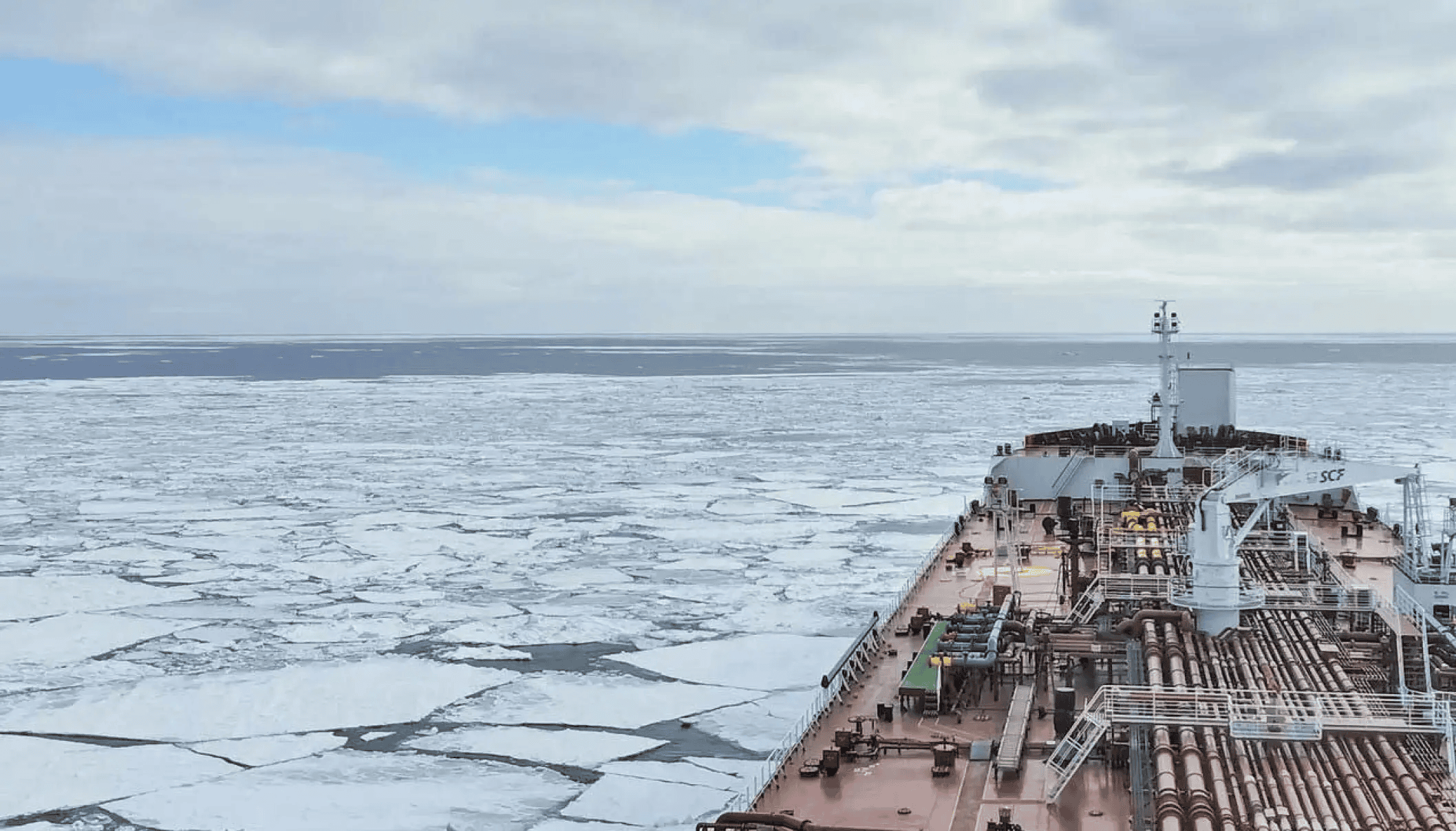
Loaded with up to 4,843 standard containers (TEU) the box carrier departed from Ningbo-Zhoushan on September 22. It crossed Russia’s Northern Sea Route in just 5 days at an average speed of 17 knots. This late in the summer navigation season very little sea ice remains along the main Arctic shipping lane. The vessel did not receive any icebreaker escort and navigated independently along the entire length of the route.
Timelapse of Istanbul Bridge‘s route from China to the UK. (Source: MagicPort Maritime Intelligence)
After the Felixstowe port call the carrier will continue onward to Rotterdam, Hamburg and Gdansk. While Istanbul Bridge has received much of the public media attention in recent weeks, it is not the only container shipping company testing the Arctic waters. A least three other box carriers were active on the route at the same time conducting point-to-point voyages. Russia’s Northern Sea Route has set a new record for containership activity this summer surpassing more than 20 transits.
While the route remains very niche – in 2024 it saw around 100 vessel transits compared to 13,000 for the Suez Canal – a number of companies have continuously expanded their Arctic operations.
By Joyce Lee SEOUL, Oct 11 (Reuters) – A South Korean container ship completed the country’s first commercial round trip to Europe via the Arctic on Sunday, as authorities bank on the...
The United Kingdom on Thursday sanctioned 12 oil tankers it identified as part of Russia's shadow fleet, including the 22-year-old Dakar that is currently making an unusual late-season voyage on the Northern Sea Route.
A 22-year-old product tanker sanctioned by the European Union is making an unusual late-season voyage along Russia's Northern Sea Route, highlighting the growing use of older, lower-specification vessels to move petroleum products through the Arctic.
October 7, 2026
Total Views: 1673
Get The Industry’s Go-To News
Subscribe to gCaptain Daily and stay informed with the latest global maritime and offshore news
— just like 106,968 professionals
Secure Your Spot
on the gCaptain Crew
Stay informed with the latest maritime and offshore news, delivered daily straight to your inbox
— trusted by our 106,968 members
Your Gateway to the Maritime World!
Essential news coupled with the finest maritime content sourced from across the globe.

 Join The Club