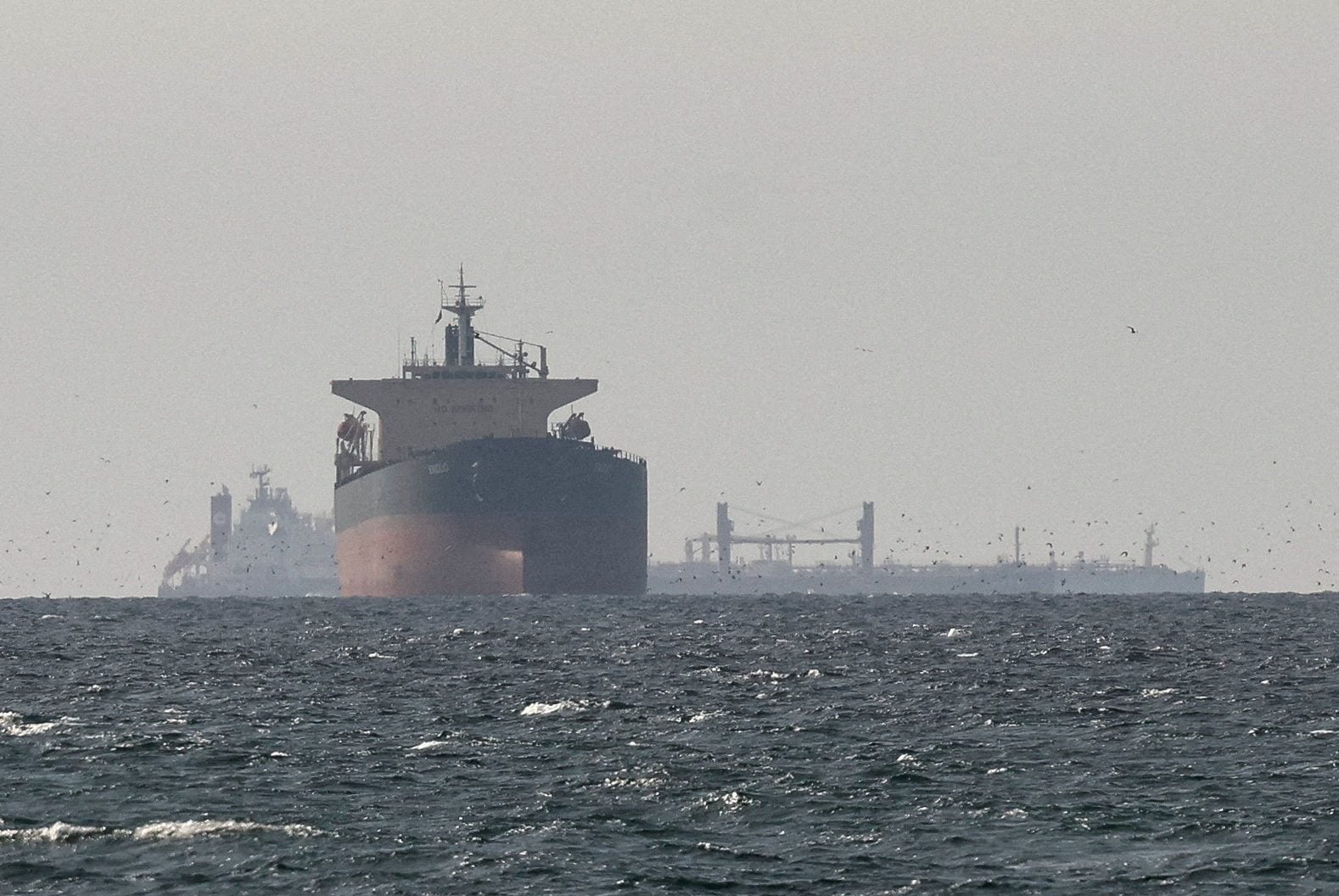
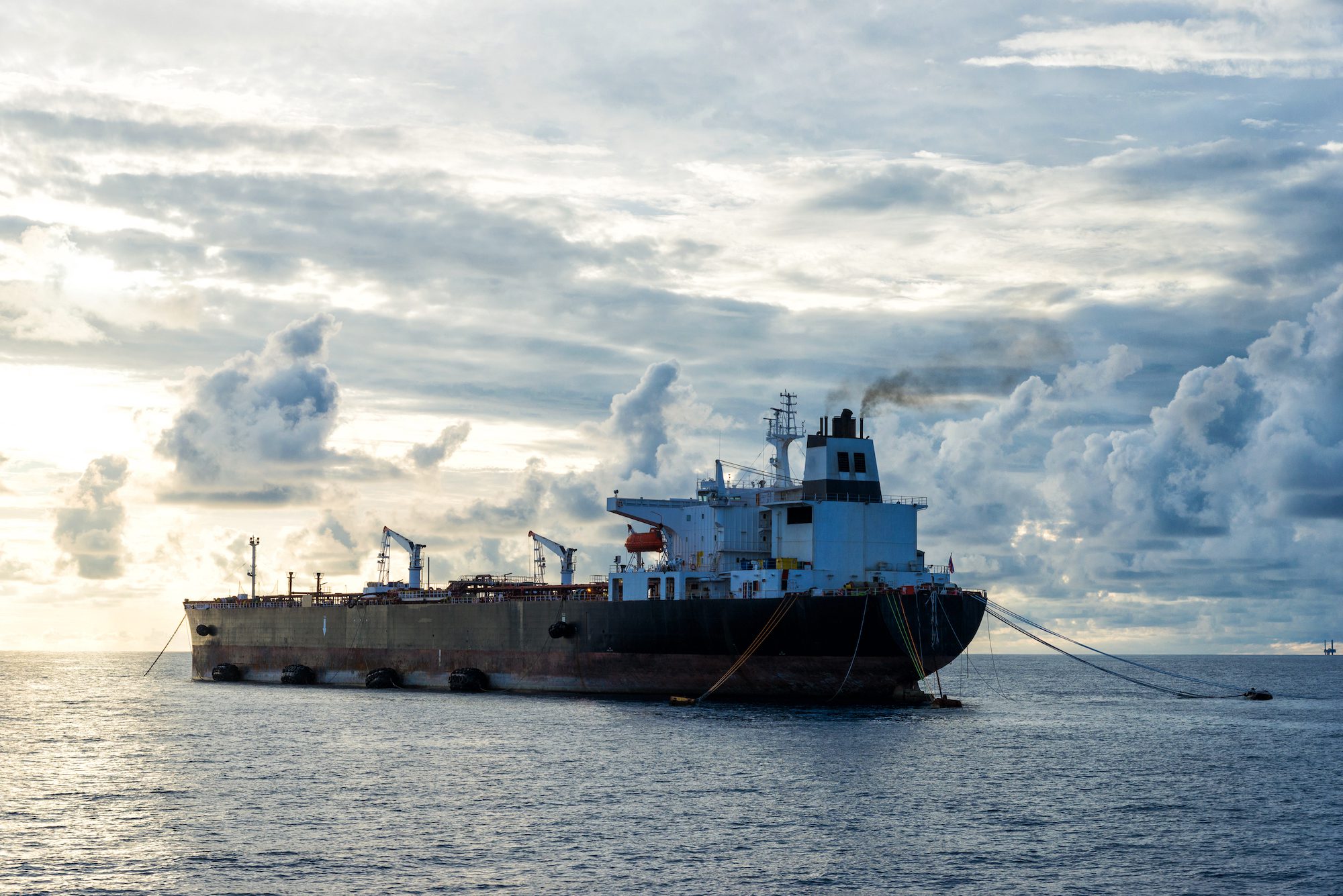
A mounting humanitarian crisis is unfolding at sea as tens of thousands of seafarers remain trapped aboard vessels across the Persian Gulf, Gulf of Oman, and Arabian Sea, with reports emerging of ships running dangerously low on basic supplies—including drinking water.
The situation, once framed primarily as a security crisis, is now rapidly evolving into what maritime leaders are calling a “human crisis at sea.”
Maritime expert Sal Mercogliano said he recently heard directly from a crewmember aboard one of the roughly 3,000 vessels stranded in the region, describing increasingly desperate conditions.
“A ship called the local port authority requested permission to dock as they had run out of water—and they were denied,” he said. “Multiple ships are in the same condition, with stores, food and fuel running low.”
According to the account, ports are overwhelmed and operating under heightened security restrictions, preventing even distressed vessels from docking, while crew changes remain effectively frozen.
Tens of Thousands of Seafarers Stranded
The scale of the crisis is staggering. Industry groups estimate that more than 20,000 seafarers remain stuck in high-risk waters as attacks on commercial shipping continue and vessel traffic through the Strait of Hormuz has collapsed.
The International Maritime Organization (IMO) has warned the situation poses a “grave danger to life,” with confirmed fatalities and injuries already reported in recent attacks.
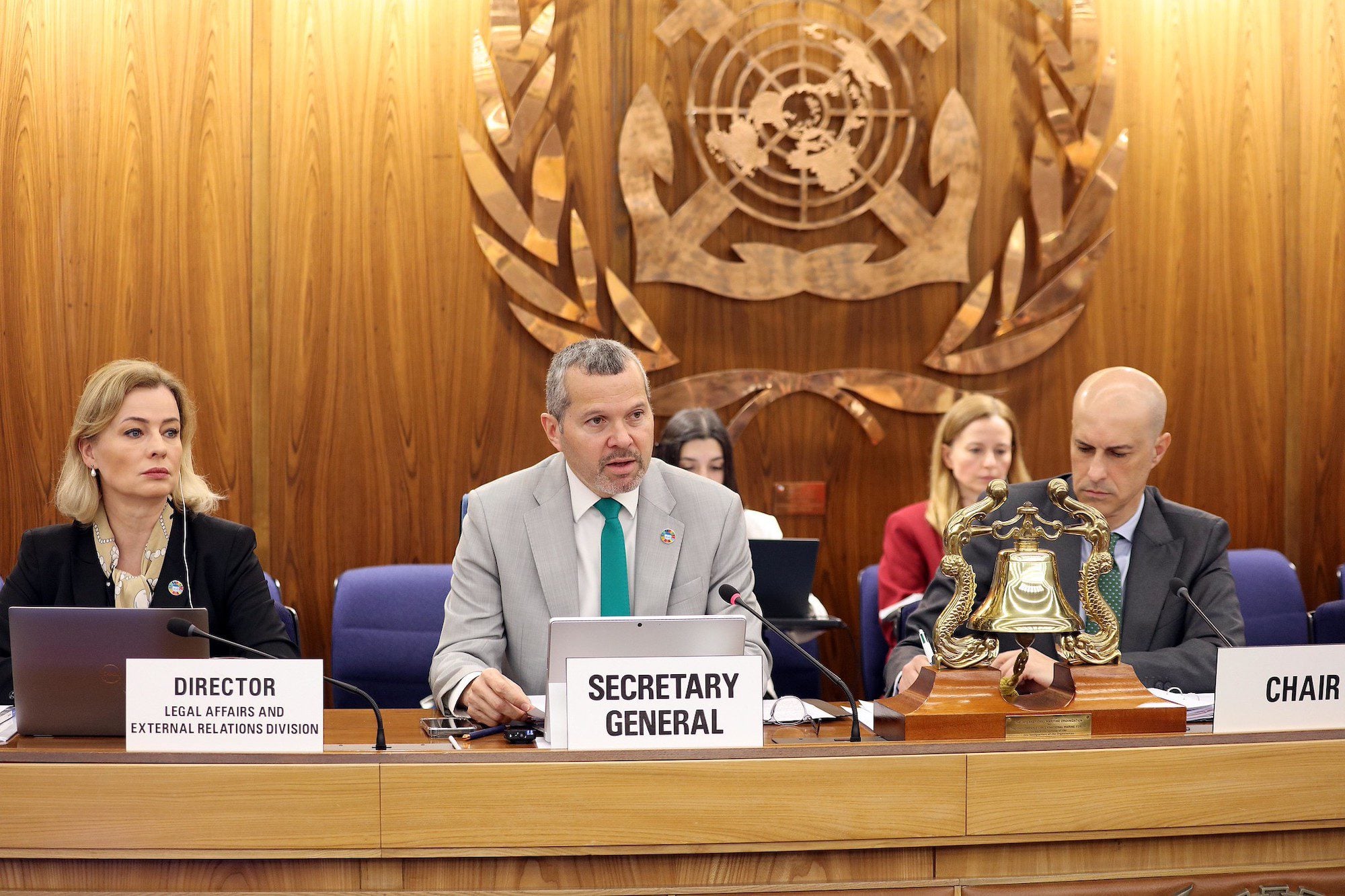
The growing humanitarian crisis was a central focus of the IMO’s 36th Extraordinary Council session in London on Thursday, where Secretary-General Arsenio Dominguez warned that seafarers are increasingly being caught in the crossfire of the escalating conflict.
Opening the session, Dominguez said he was “gravely concerned” by the recent attacks on commercial shipping, noting that multiple seafarers have been killed and others seriously injured in incidents across the region.
“Seafarers must not become victims of broader geopolitical tensions,” he said, calling for immediate action to protect crews and restore safe navigation.
The IMO Council ultimately condemned attacks on merchant vessels and backed urgent measures to support seafarers, including ensuring access to essential supplies, facilitating crew changes, and advancing plans for a safe maritime corridor to allow ships and crews to exit high-risk areas.
“This is not an abstract geopolitical crisis – it is a human crisis,” said Lydia Ferrad of the International Transport Workers’ Federation (ITF). “Seafarers have been killed. Others have been injured. Thousands remain stranded onboard vessels in conditions of fear, fatigue and uncertainty.”
The Joint Maritime Information Center, operating under the 47-nation Combined Maritime Forces (CMF) naval partnership, has confirmed more than 20 attacks on ships and seven seafarer fatalities since the conflict erupted on March 1.
Nearly three weeks later, crews are now facing a combination of threats rarely seen at this scale with missile and drone attacks, widespread GPS interference, supply shortages, and mounting psychological strain from prolonged confinement in a war zone.
Supplies, Safety, and Survival
Access to basic necessities is becoming one of the most urgent concerns. The International Chamber of Shipping (ICS) has called on governments to ensure the continuous provision of food, water, fuel, and medical care to vessels unable to leave the region, warning that the welfare of crews is rapidly deteriorating.
At the same time, labor groups say seafarers are being placed in an impossible position—expected to continue operating vessels in an active conflict zone while lacking the ability to safely disembark.
“Seafarers are civilian workers. They are not parties to this conflict,” Ferrad said. “They must never be treated as expendable.”
Industry and IMO Push for Safe Evacuation
In response to the crisis, at this week’s session the IMO Council backed the creation of a safe maritime corridor aimed at allowing ships and crews to exit the region.
Shipping groups, including the World Shipping Council (WSC), have endorsed the proposal, calling it a critical step toward protecting seafarers and restoring safe navigation.
“We strongly support measures to support seafarers… including access to food and essential supplies, as well as the need to establish a safe maritime corridor,” said WSC CEO Joe Kramek.
But industry leaders caution that any corridor must be truly secure.
“The ITF supports safe evacuation corridors—but only if they are genuinely safe in practice,” said ITF General Secretary Stephen Cotton.
Pressure Mounts on Governments
Despite broad agreement across governments and industry, implementation remains uncertain—and time is running short for crews already facing critical shortages.
The ITF has urged flag states to issue clear guidance to avoid sending vessels into the conflict zone, while calling for coordinated international action to enable resupply, crew changes, and repatriation.
Meanwhile, shipping organizations are pressing for immediate steps to halt attacks and restore freedom of navigation through one of the world’s most vital energy and trade corridors.
With vessels stranded, ports overwhelmed, and crews increasingly cut off from basic necessities, the crisis has moved beyond questions of maritime security into a test of global responsibility.
For the seafarers still onboard, the danger is no longer just the risk of attack—but the slow erosion of essential supplies.
Editorial Standards · Corrections · About gCaptain

 Join The Club