Oct 3, 2025 (Bloomberg) –Russia’s ability to divert its crude to the global market is diminishing fast as the nation’s oil refineries come under attack from Ukrainian drones.
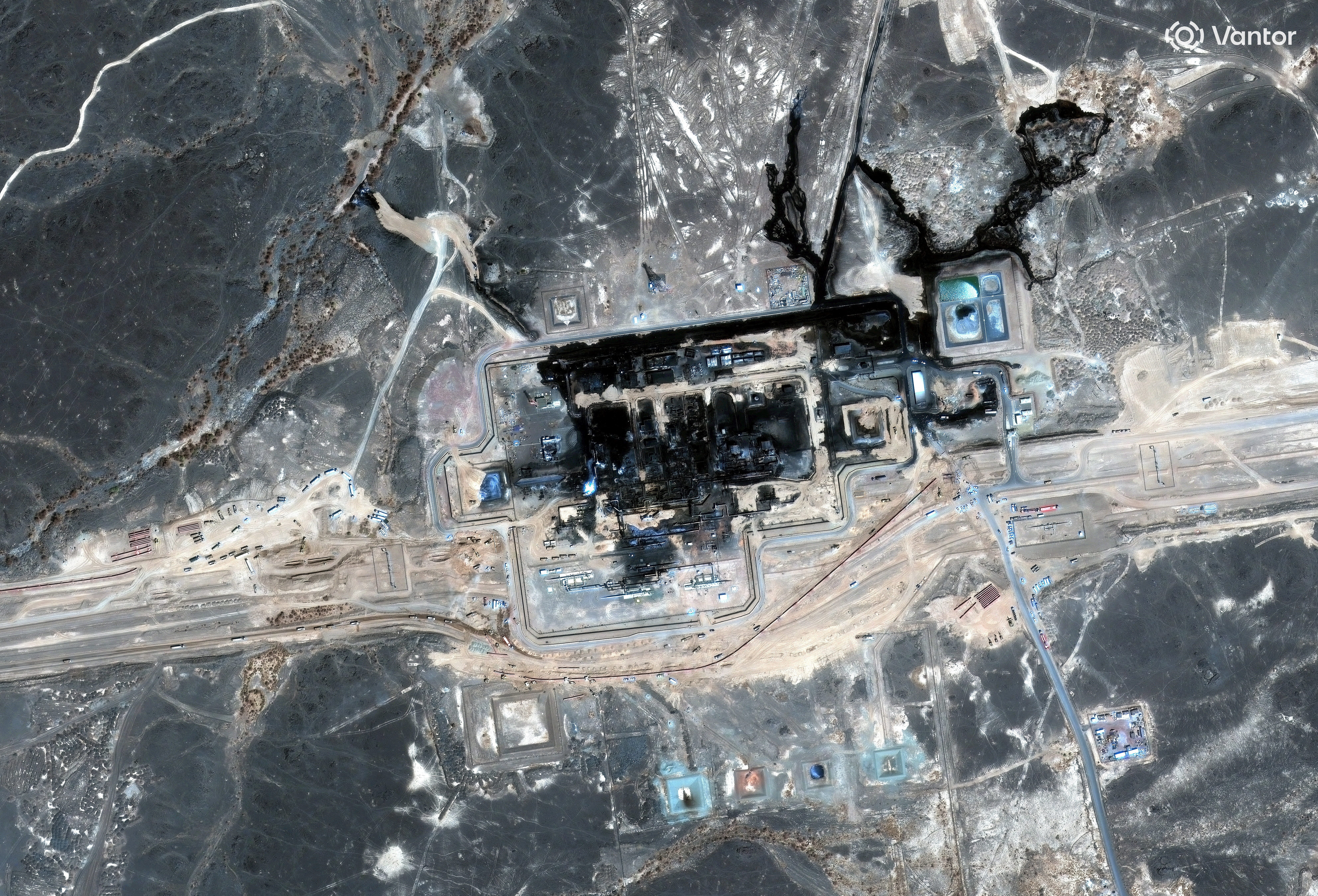
Since the start of August, Ukraine has targeted at least 15 refineries across the European part of Russia. Some of the drone assaults succeeded, with Russian refinery runs falling below 5 million barrels a day, according to estimates from JPMorgan Chase & Co. That means about 500,000 barrels a day of processing have been curtailed, based on historic data.
The strikes haven’t drawn the same criticism from the US or the European Union that greeted attacks on Russian energy infrastructure when Joe Biden was US president. Western powers see targeting Russia oil revenues as crucial. However, there may be some nervousness in Washington and Brussels if the global supply of petroleum starts to become constrained.
While the attacks have coincided with a ramp up in the Moscow’s seaborne crude sales — suggesting some cargo diversion could already be underway — a review of the nation’s peak export flows suggests there’s limited scope for them to go much higher.
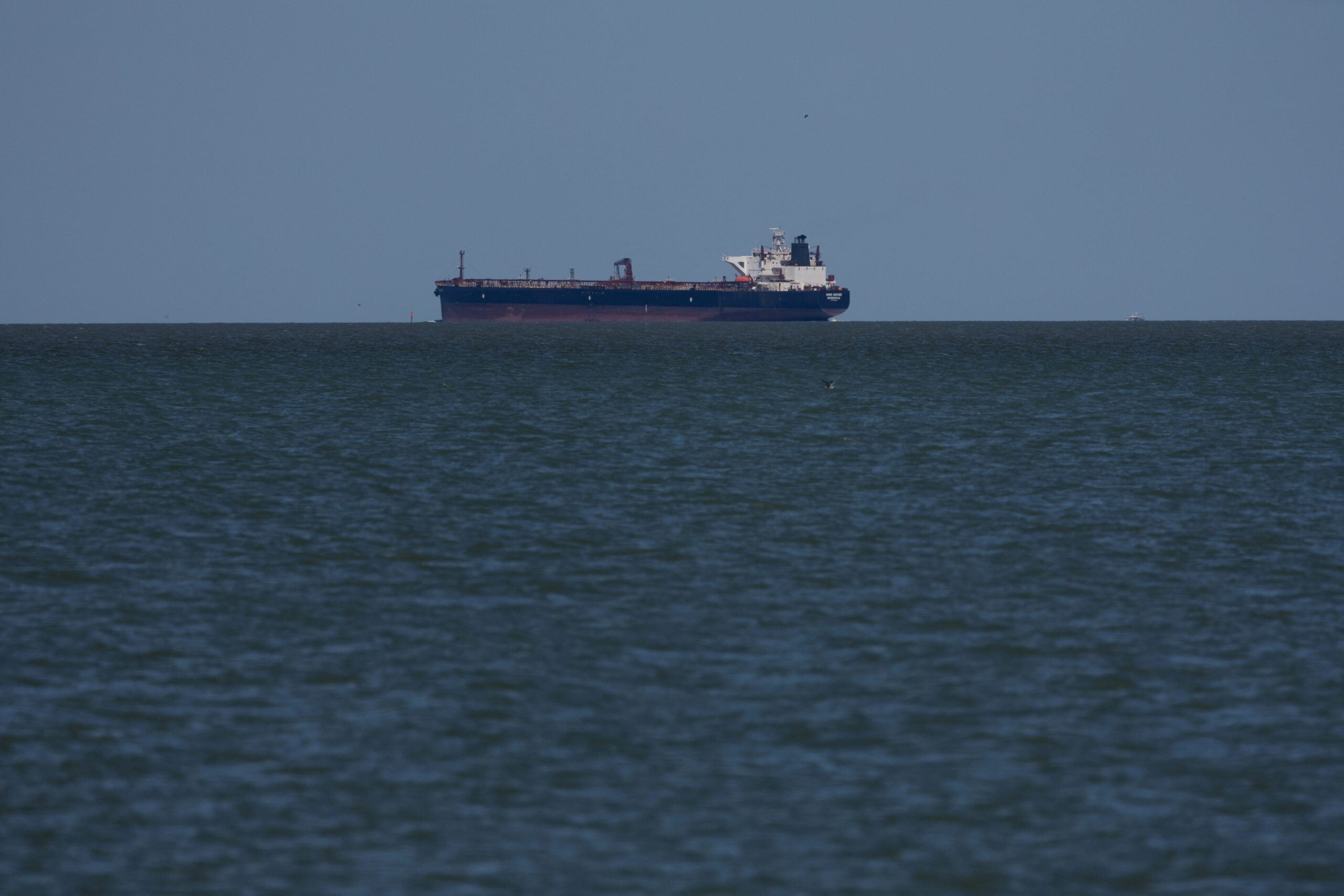
Two of the three ports that are most likely to handle barrels from disrupted refineries — Primorsk in the Baltic, and Novorossiysk in the Black Sea — are now close to their upper limits. Both are now shipping close to the largest number of barrels on a four-week rolling basis in 18 months.
And while the third — Ust-Luga, also on the Baltic — has nominal capacity to export more, its shipments all year have been stuck well below their peak, set back in October 2024. It’s not clear why, although it’s notable that Ukraine has repeatedly targeted pumping stations on the pipelines that feed the port.
If Russia’s overall sales of hydrocarbons are curtailed, it may have a greater incentive to discourage its partners within the Organization of the Petroleum Exporting Countries to boost supply to global markets. The group meets on Sunday to discuss its next production decision.
Based on peak shipments since the war in Ukraine began, Ust-Luga should have about 235,000 barrels a day of spare capacity. Based on this year’s shipments, that figure would be closer to 130,000.
It implies that the three western ports that can realistically handle diverted barrels have about 165,000 to 265,000 barrels a day of spare capacity between them.
Other Ports
Russia also has crude-export outlets in the Arctic and the Pacific oceans, but these are less likely to be useful if crude has to be diverted from damaged refineries.
The one major port that so far appears to have been immune to attack and may physically be able to take some diverted crude from Siberian oil fields is Kozmino on Russia’s Pacific coast. Served by both the ESPO pipeline and a rail link from Siberia, the terminal can handle more than 1 million barrels a day.
The problem for Moscow is that it’s already operating close to capacity and winter is approaching, when storms and freezing temperatures have previously hampered operations for several days at a time.
Other key Pacific ports — De Kastri and Prigorodnoye — are linked directly to the Sakhalin 1 and 2 oil projects. They can’t handle crude from elsewhere.
In the Arctic, the Murmansk oil terminal is also disconnected from Russia’s pipeline system. It is used to build up cargoes from several projects along the country’s north coast operated by Lukoil PJSC and Gazprom Neft PJSC. Export rates from the port are linked directly to the production from those fields.
That may rise in the coming weeks, with flows typically curtailed by maintenance work during the warmer summer months. But Murmansk wouldn’t offer a means to divert crude from damaged refineries.
By Jan Wolfe Oct 11 (Reuters) – Republican US Senator Thom Tillis on Sunday said President Donald Trump’s diesel supply deal with Russia may be illegal and will put American lives at risk, adding to bipartisan...
South Korea's presidential office on Wednesday dismissed a Ukrainian report that Russia has imported petroleum products from South Korean ports, calling the accusation inappropriate.
By Alex Lawler and Dmitry Zhdannikov LONDON, Sept 13 (Reuters) – Saudi Arabia will run out of oil stocks for exports if it doesn’t restart its major pipeline to the Red Sea within days,...
September 13, 2026
Total Views: 1973
Get The Industry’s Go-To News
Subscribe to gCaptain Daily and stay informed with the latest global maritime and offshore news
— just like 106,899 professionals
Secure Your Spot
on the gCaptain Crew
Stay informed with the latest maritime and offshore news, delivered daily straight to your inbox
— trusted by our 106,899 members
Your Gateway to the Maritime World!
Essential news coupled with the finest maritime content sourced from across the globe.

 Join The Club