Russia’s oil export revenues have climbed to their highest levels since the early months of the Ukraine war, driven by a surge in global crude prices and a partial recovery in shipment volumes, according to tanker-tracking data.
The rebound comes as conflict in the Middle East pushed oil prices to multi-year highs, tightening global supply after disruptions to flows through the Strait of Hormuz. The resulting supply squeeze boosted demand for Russian crude and lifted benchmark prices, increasing the value of Moscow’s exports even as physical shipments remained volatile.
On a four-week average basis, the gross value of Russian crude exports rose to about $2.02 billion per week in the period to April 5, the highest since June 2022. Weekly revenues also jumped sharply to around $2.1 billion, supported by a steep rise in Urals crude prices, which climbed above $116 a barrel by the end of the reporting period.
The price rally was compounded by a narrowing of discounts on Russian oil, particularly in Asian markets, as buyers including India returned to the market. Indian refiners increased purchases to about 1.9 million barrels per day – following a US waiver for Russian oil – while flows to China eased slightly from recent highs.
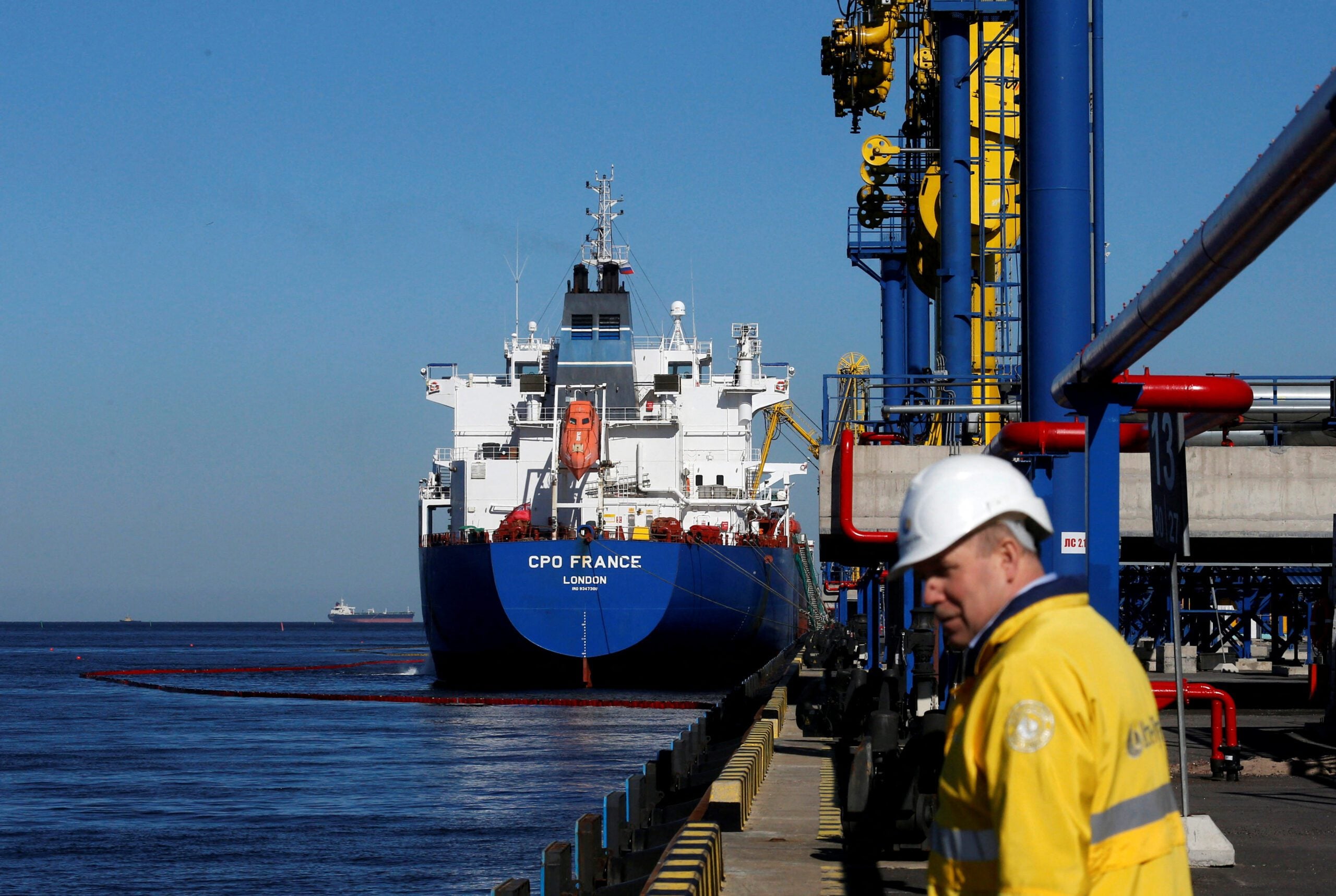
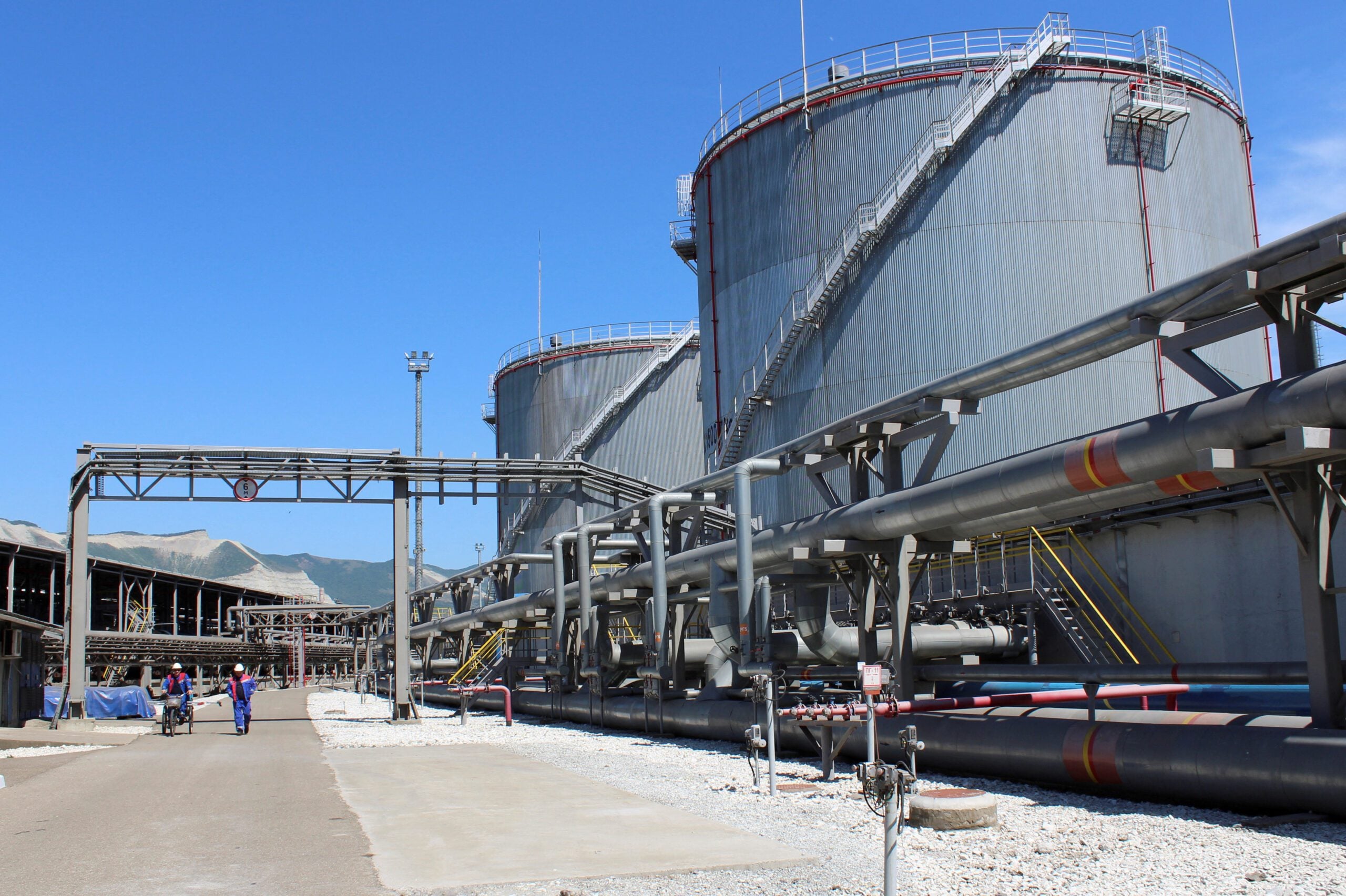
However, Ukraine has continued efforts to curb Russia’s oil income through drone attacks targeting key export infrastructure on the Baltic and Black Sea coasts. Strikes on the Ust-Luga terminal have halted shipments for more than a week and disrupted storage facilities, while repeated attacks have affected loading operations at Primorsk.
As a result, overall crude flows remain below recent norms despite a weekly rebound. Shipments averaged just under 3 million barrels per day in the week to April 5, with four-week average exports largely flat at around 3.35 million barrels per day.
The disruption to port operations has limited Russia’s ability to fully capitalize on higher prices, even as it draws down floating storage. The volume of crude held on tankers has fallen sharply in recent weeks, dropping by about 26 million barrels to around 105 million, as stranded cargoes are released to the market.
Outlook for Russian revenues remains uncertain. A temporary ceasefire linked to the Middle East conflict has already triggered a decline in oil prices, which could reduce export earnings if sustained and if flows through Hormuz resume.

 Join The Club