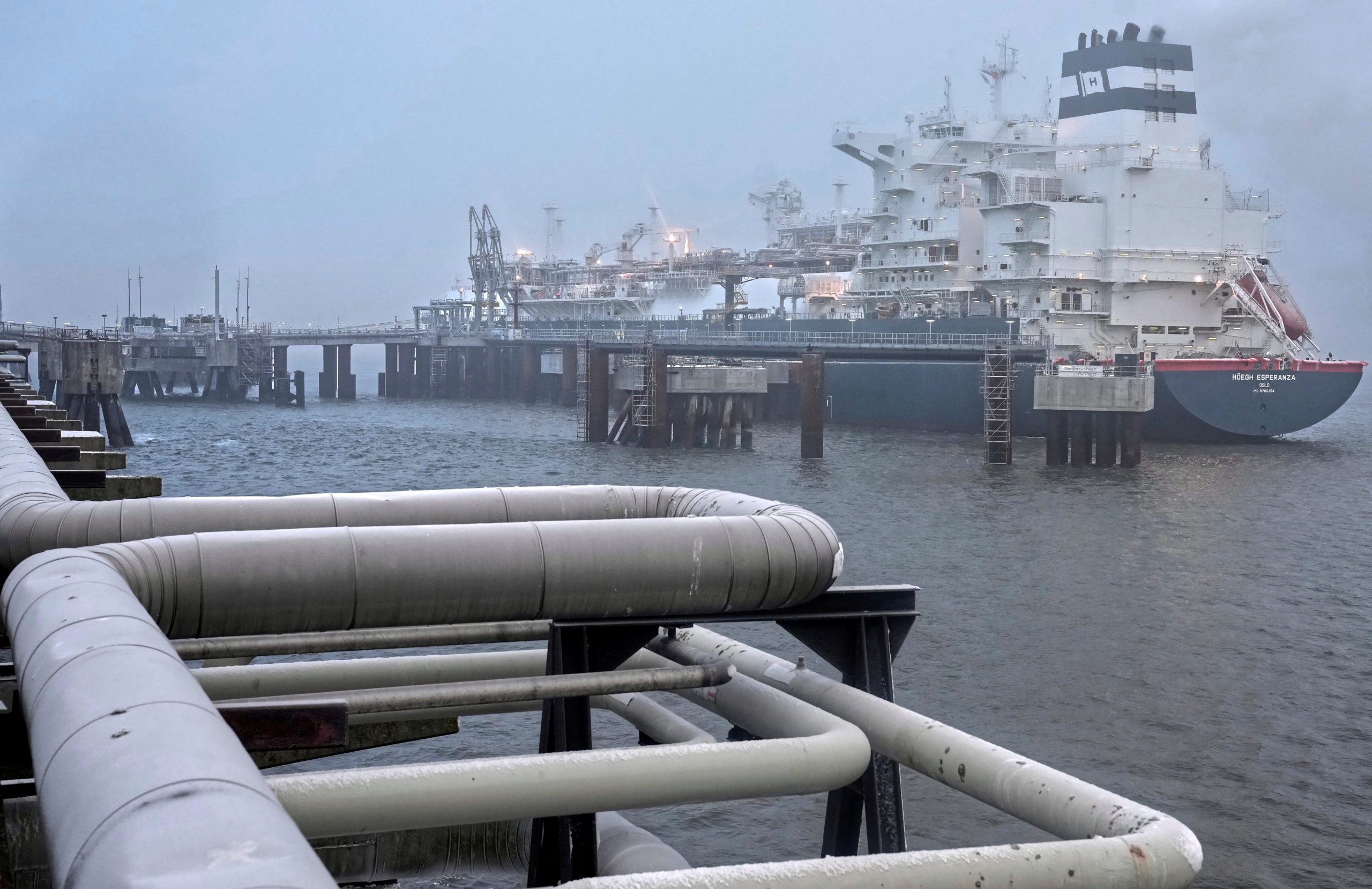
Europe’s rush to quit Russian pipeline gas has created a new energy vulnerability: growing dependence on U.S. liquefied natural gas, as war-linked supply disruptions in the Middle East push the continent deeper into reliance on seaborne fuel.
Europe is on track to source roughly two-thirds of its LNG imports from the United States in 2026, according to new data from the Institute for Energy Economics and Financial Analysis (IEEFA), up from 63% in the first quarter and from 57% a year earlier. U.S. LNG imports into Europe have more than tripled since 2021, after Russia’s invasion of Ukraine triggered a scramble to replace pipeline gas.
That dependence could deepen further. IEEFA forecasts Europe could source 80% of its LNG from the United States by 2028 or 2029, underscoring how Europe may be swapping one geopolitical energy exposure for another.
“Europe’s shift from pipeline gas to LNG was meant to provide security of supply and diversification,” said Ana Maria Jaller-Makarewicz, lead energy analyst at IEEFA. “Yet disruptions caused by the war in the Middle East and an overreliance on U.S. LNG show that Europe’s plan has failed on both counts.”
The latest crisis has sharpened that risk. Disruptions linked to conflict in the Middle East and threats to shipping through the Strait of Hormuz have hit Qatari exports and disrupted around 20% of global LNG supply, forcing European buyers to lean harder on Atlantic Basin cargoes, particularly from the United States.
For shipping markets, that means longer-haul transatlantic voyages, tighter tanker availability and continued strength in LNG carrier demand as Europe’s import model shifts decisively toward seaborne fuel.
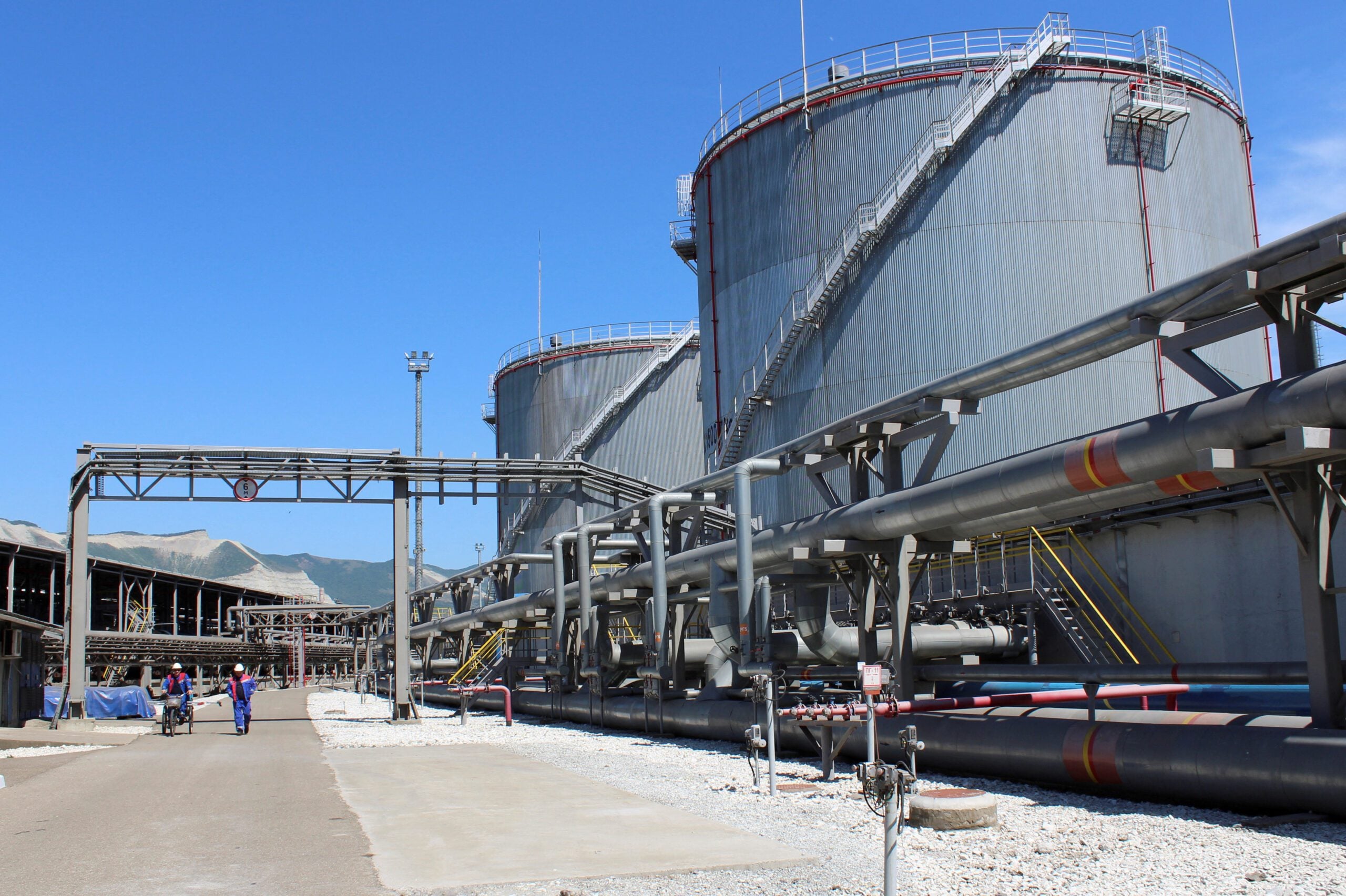
Yet even as Brussels pushes to phase out Russian gas imports – with long-term Russian LNG contracts due to be banned from January 2027 – Europe is importing more Russian LNG, not less.
Russian LNG imports into Europe rose 16% year-on-year in the first quarter, reaching a record for the period and making Russia Europe’s second-largest LNG supplier with a 13% market share.
France has become the clearest symbol of that contradiction. The country imported more Russian LNG than any other European buyer in the first quarter, with 35% of its LNG coming from Russia, while accounting for 41% of Europe’s total Russian LNG imports. Its January purchases hit a monthly record.
The result is an increasingly paradoxical European gas market: politically committed to ending Russian energy dependence, yet commercially more reliant than ever on LNG cargoes from both Washington and Moscow.
The trend comes even as Europe’s gas demand is forecast to fall 14% by 2030, raising questions over a planned 32% expansion in LNG regasification capacity that could leave ports and floating import terminals underutilized across the continent.
As Jaller-Makarewicz put it: “As long as European countries choose to rely on gas, they must accept the geopolitical risks that come with it.”

 Join The Club