Don’t Miss Your Daily Briefing for the Maritime Industry
Join the leading maritime news network
— trusted by our 107,230 members
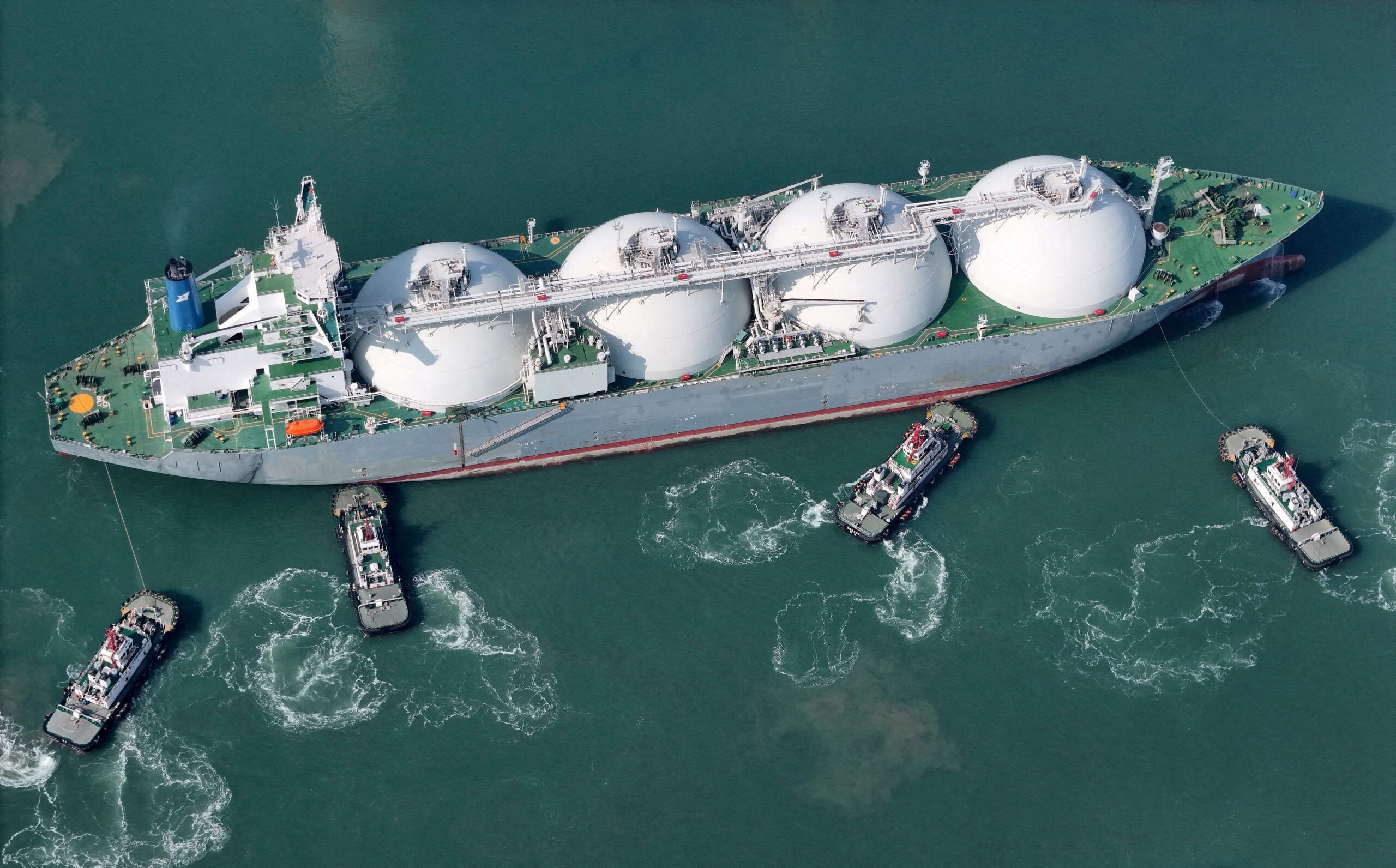
A drone view shows tugboats assisting a liquified natural gas (LNG) tanker to dock at a port in Yantai, Shandong province, China February 14, 2025. cnsphoto via REUTERS
Russia’s Gazprom Ships Sanctioned LNG to China Signaling Deepening Energy Ties
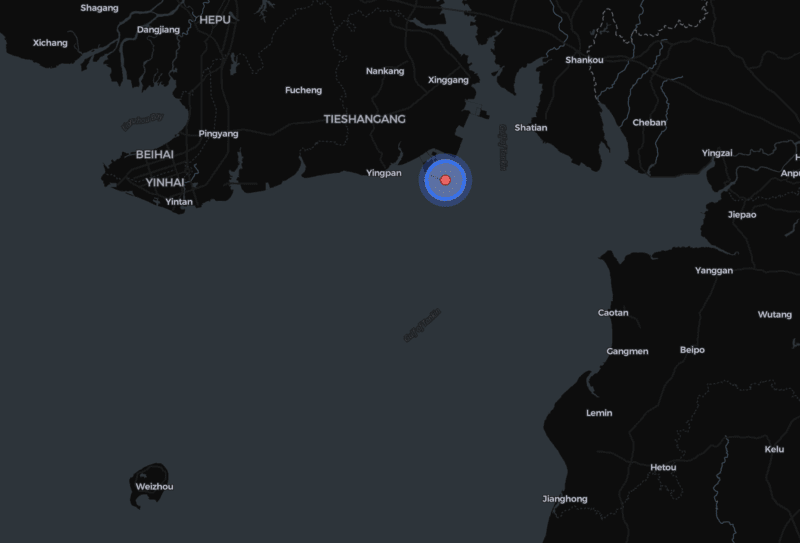
LNG carrier Valera has arrived at PipeChina’s Beihai Terminal carrying a load of sanctioned liquefied natural gas (LNG) from Gazprom’s Portovaya LNG plant. This marks the first delivery to China from the blacklisted plant since U.S. sanctions targeted the facility in January 2025. This latest shipment underscores the further expansion of Sino-Russian energy cooperation.
Valera’s arrival at Beihai cements the terminal’s growing role as a preferred destination for sanctioned Russian LNG. Since August, the facility has been receiving cargoes from the blacklisted Arctic LNG 2 project, and nearly 20 such shipments of Russian origin have been offloaded there since. Several additional cargoes are currently en route.
The latest shipment began on October 25 when Valera departed the Baltic Sea terminal. The vessel itself is also under sanctions by the U.S. and UK for its involvement in Russia’s “shadow fleet” transporting Russian energy.
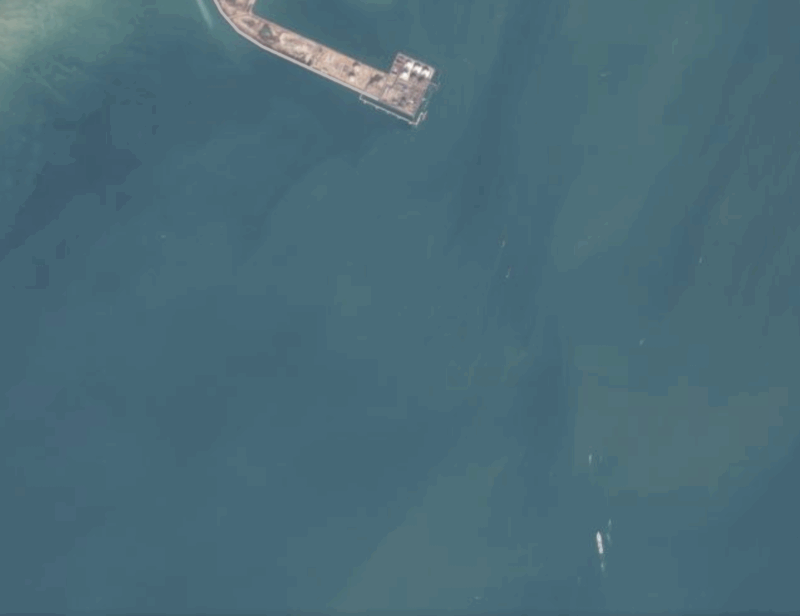
LNG carrier Valera approaching the Beihai terminal on December 8. (Source: Sentinel 2)
Valera remained docked at the Beihai terminal on December 8. Unlike several other Russian-controlled carriers that recently returned to transiting the Suez Canal, Valera opted for the longer route around the Cape of Good Hope.
Valera broadcast continuous AIS signals throughout its journey and during its approach to Beihai, a departure from the increasingly common practice of AIS spoofing designed to mask the origin of sanctioned oil or gas.
The transparency of the Valera delivery is a sign of further reduction in Chinese reservations to receive sanctioned Russian products. For Moscow, it demonstrates a viable export outlet despite tightening Western sanctions. For Beijing, it signals a willingness to continue its energy engagement with Russia, reinforcing a strategic energy partnership that shows no signs of cooling.
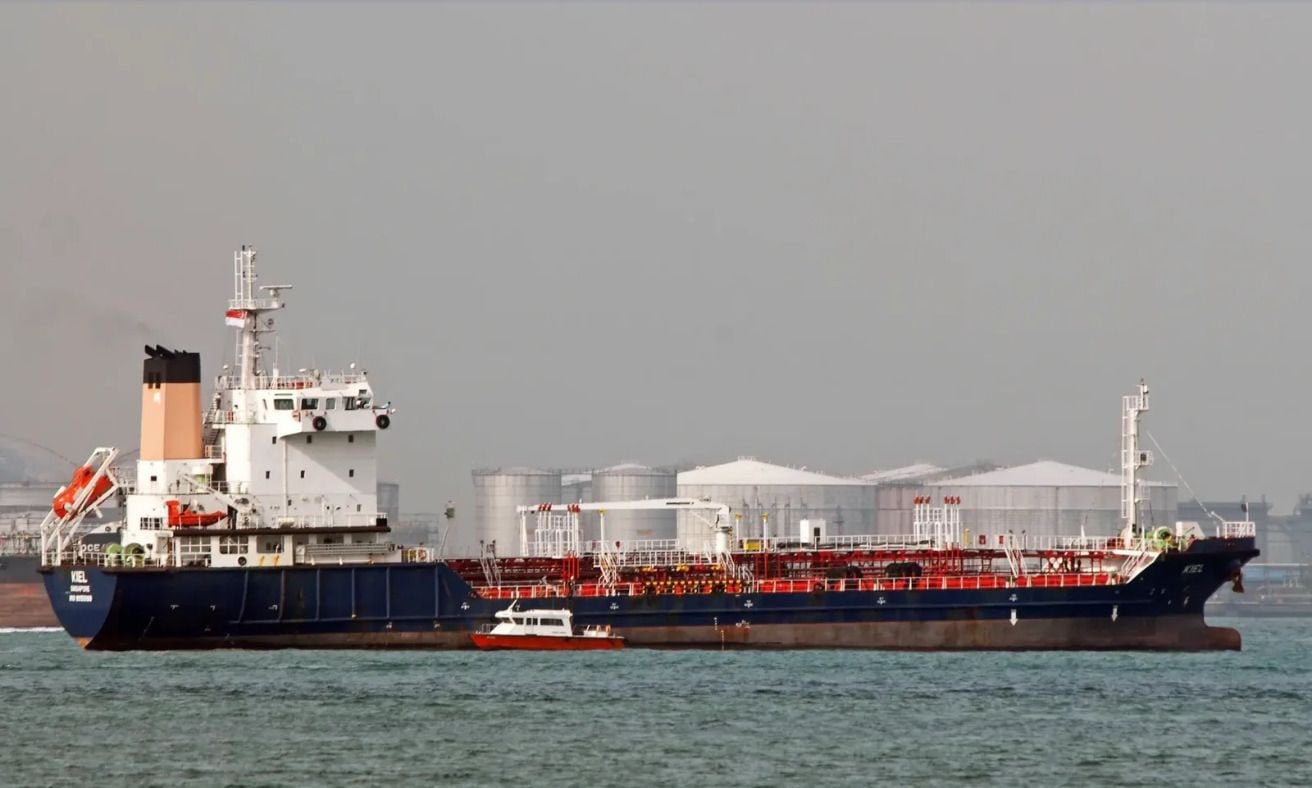
ndia has seized three U.S.-sanctioned tanker ships linked to Iran this month and stepped up surveillance in its maritime zone to curb illicit trade, a source with direct knowledge of the matter said on Monday.
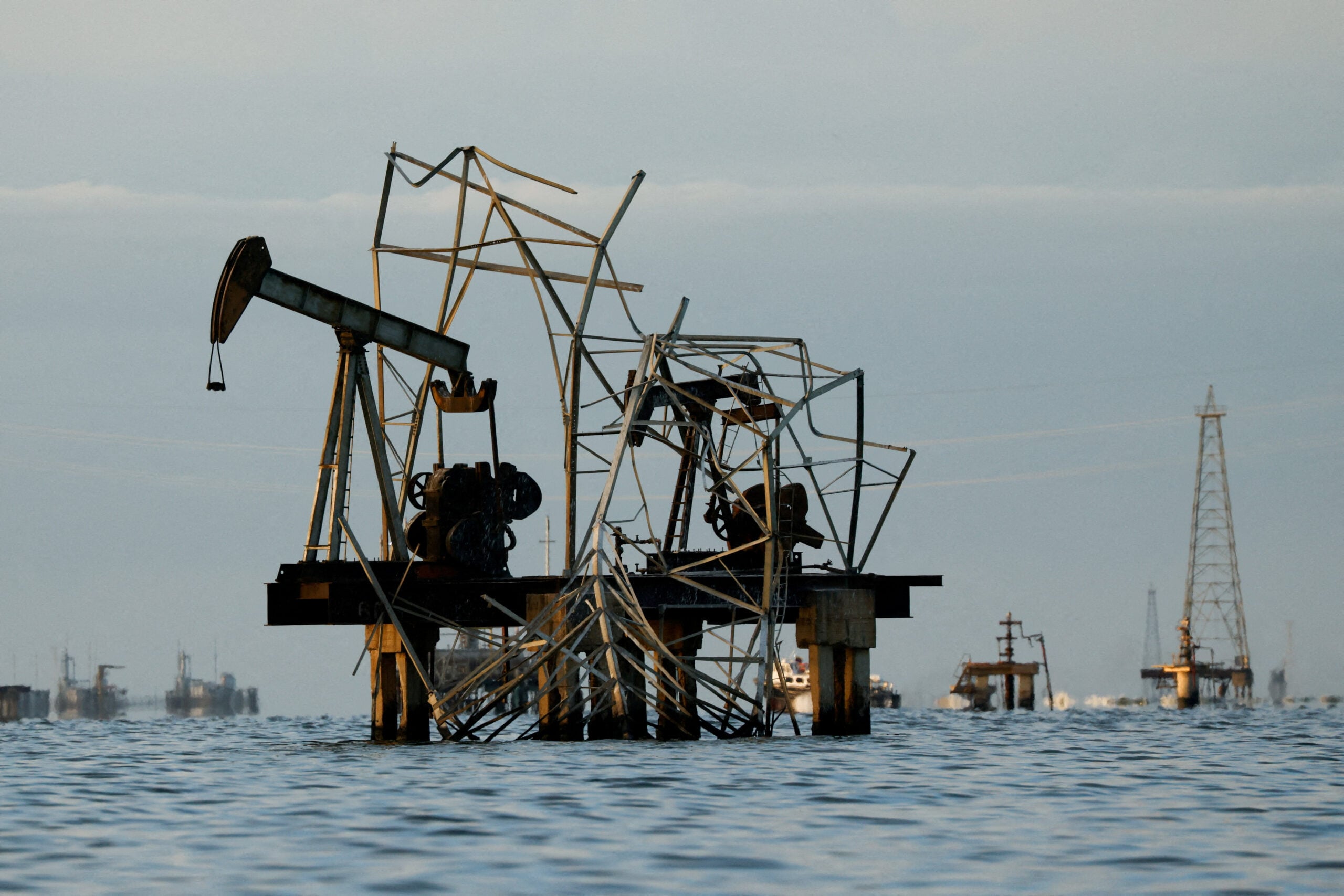
The U.S. eased sanctions on Venezuela's energy sector on Friday, issuing two general licenses that allow global energy companies to operate oil and gas projects in the OPEC member and for other companies to negotiate contracts to bring in fresh investments.
A liquefied natural gas shipment reloaded from China — the world’s top buyer of the fuel — is heading to Europe, a rare move that highlights the continent’s push to refill dwindling inventories.
February 12, 2026
Total Views: 847
Get The Industry’s Go-To News
Subscribe to gCaptain Daily and stay informed with the latest global maritime and offshore news
— just like 107,230 professionals
Secure Your Spot
on the gCaptain Crew
Stay informed with the latest maritime and offshore news, delivered daily straight to your inbox
— trusted by our 107,230 members
Your Gateway to the Maritime World!
Essential news coupled with the finest maritime content sourced from across the globe.

 Join The Club