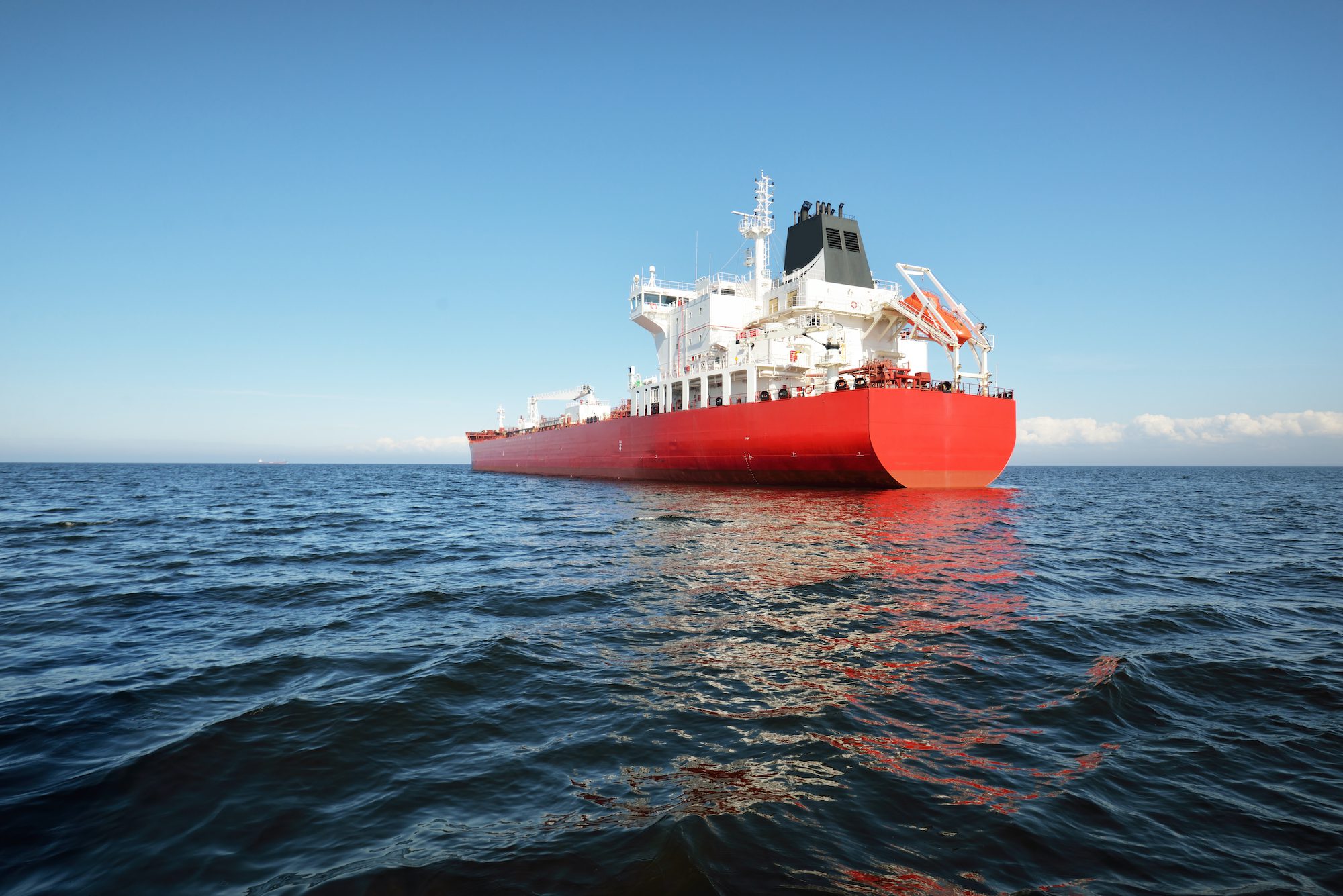
Russia has threatened to deploy its navy to protect merchant tankers linked to its oil trade, marking a sharp escalation in the contest over Western sanctions enforcement that is increasingly moving from financial and legal mechanisms into the physical operating environment of commercial shipping.
By Paul Morgan (gCaptain) – The warning was delivered by Nikolai Patrushev, former director of the Federal Security Service (FSB), current chairman of Russia’s Maritime Board, and one of President Vladimir Putin’s closest security allies.
Speaking to the Russian newspaper Argumenty i Fakty, Patrushev said the navy should be ready to counter what he characterised as “western piracy.” His words were unambiguous: “If this situation cannot be resolved peacefully, the navy will break any blockade and move to eliminate it. And let’s not forget that many vessels sail the seas under European flags, we, too, may take an interest in what they are carrying and where they are headed.”
Patrushev made clear that the threat carries a retaliatory dimension, arguing that any maritime blockade of Russia would be illegal under international law and that the EU’s use of the term “shadow fleet” has no legal basis. He expects Western enforcement actions to intensify, and he places the blame for the deteriorating situation squarely on British initiative. The Maritime Board, which he chairs, had already proposed in early February that naval vessels should be deployed to protect Russian shipping interests in the world’s oceans, and Patrushev told the newspaper that “significant naval forces should be permanently stationed in key areas of the World Ocean, including in regions far removed from Russia, ready to cool the ardour of Western corsairs.”
The remarks were timed with notable precision. European defence ministers were meeting on the sidelines of the Munich Security Conference when Patrushev spoke, where UK Defence Secretary John Healey and counterparts from Northern European and Baltic states discussed the possibility of systematic detentions of shadow fleet vessels. More than 600 ships have been targeted by sanctions from the EU, UK, and US, measures that have helped curb Russian oil revenues.
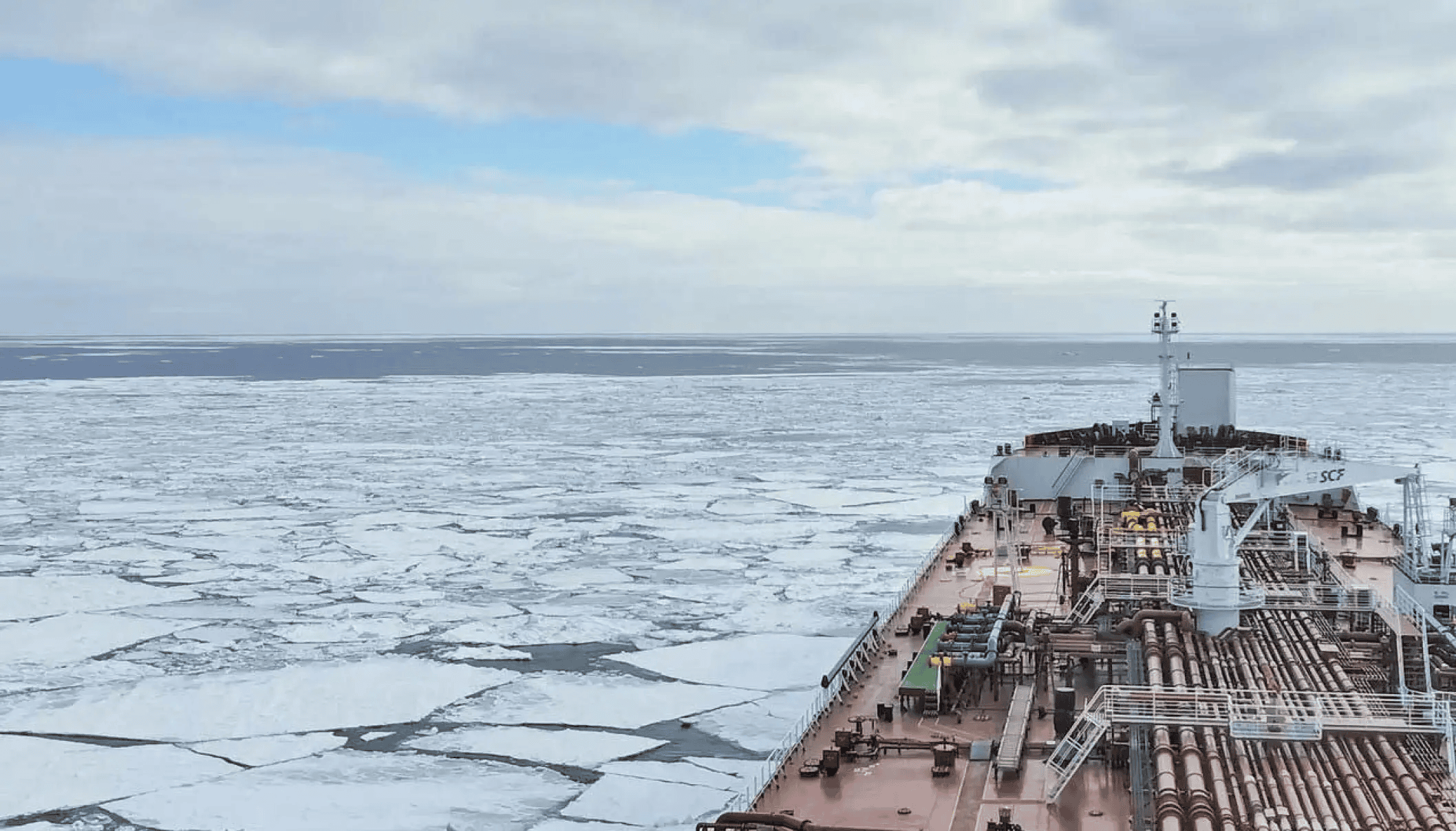
The “shadow fleet” itself is substantial. The term refers to an estimated 1,500 ageing or lightly regulated oil tankers operating under opaque ownership structures that facilitate Russia’s export of crude oil to buyers such as China and India while circumventing Western sanctions. The fleet has more than tripled in size since the start of 2022, and a significant proportion operates outside the international insurance system, frequently relying on Russian or offshore insurers, while investigations have repeatedly documented vessels presenting falsified or expired certificates.
Physical enforcement against this network has been escalating for months, providing the immediate backdrop for Patrushev’s remarks. In late December 2025, Finnish authorities boarded and seized the cargo ship Fitsburg in the Baltic Sea. US forces subsequently took action against the tanker Marinera in the North Atlantic. On 22 January, the French Navy boarded the tanker Grinch, deploying naval commandos by helicopter, as the vessel sailed from Murmansk to the Mediterranean, suspecting it of flying a false flag. The tanker was held for three weeks before being released, having paid a penalty of several million euros. Finnish Defence Minister Antti Häkkänen subsequently confirmed that Russia had already begun providing military presence in the Gulf of Finland, with armed escort activity observed around shadow fleet tankers transiting the narrow waters there.
Patrushev’s comments focused primarily on Europe rather than Washington, a distinction that appears deliberate. The Kremlin’s calculus is complicated by ongoing Ukraine peace negotiations, with delegations meeting in Geneva under Trump administration mediation. The US has moved to physically interdict and seize several tankers linked to shadow fleets carrying sanctioned oil from Russia, Venezuela, and Iran, but Patrushev’s comments appeared to focus primarily on Europe, suggesting the Kremlin is cautious about escalating tensions with Washington while negotiations over Ukraine continue.
For the commercial shipping industry, the immediate practical risk is not a declared convoy system but something potentially more dangerous: miscalculation. Even without formalised escort operations, the presence or proximity of Russian naval units changes the risk calculus around any enforcement boarding. A routine port-state inspection becomes politically combustible if naval forces are shadowing the vessel. Ambiguous manoeuvres, close approaches, or disputed radio exchanges can be read differently by each side in the water, and those ambiguities are precisely what war-risk underwriters and P&I clubs price aggressively.
Shipowners with no exposure to Russian-linked trades are not insulated. If retaliatory action against European-flagged vessels becomes Russian policy rather than rhetoric, the baseline risk for European shipping broadly rises. Vessels with clean documentation trails, consistent AIS practices, verifiable insurance arrangements, and transparent ownership structures will be better placed to withstand scrutiny, from any quarter.
Russia’s naval threat does not transform the shadow fleet crisis overnight. What it does is signal that Moscow is prepared to contest sanctions enforcement in navigational space, not merely in legal arguments or diplomatic channels. In a market already operating under elevated geopolitical risk, the threshold between incident and policy has rarely been lower.

 Join The Club