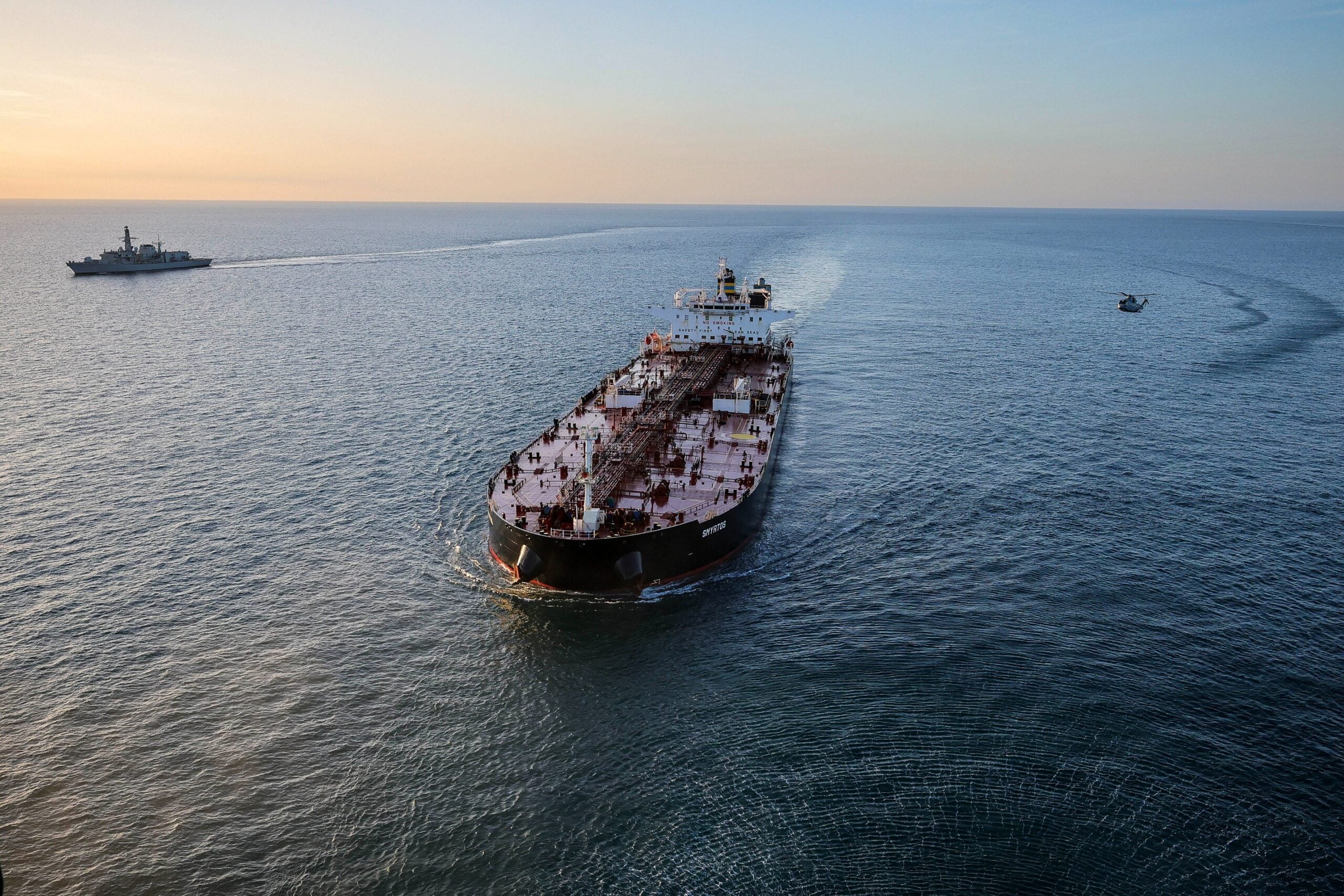
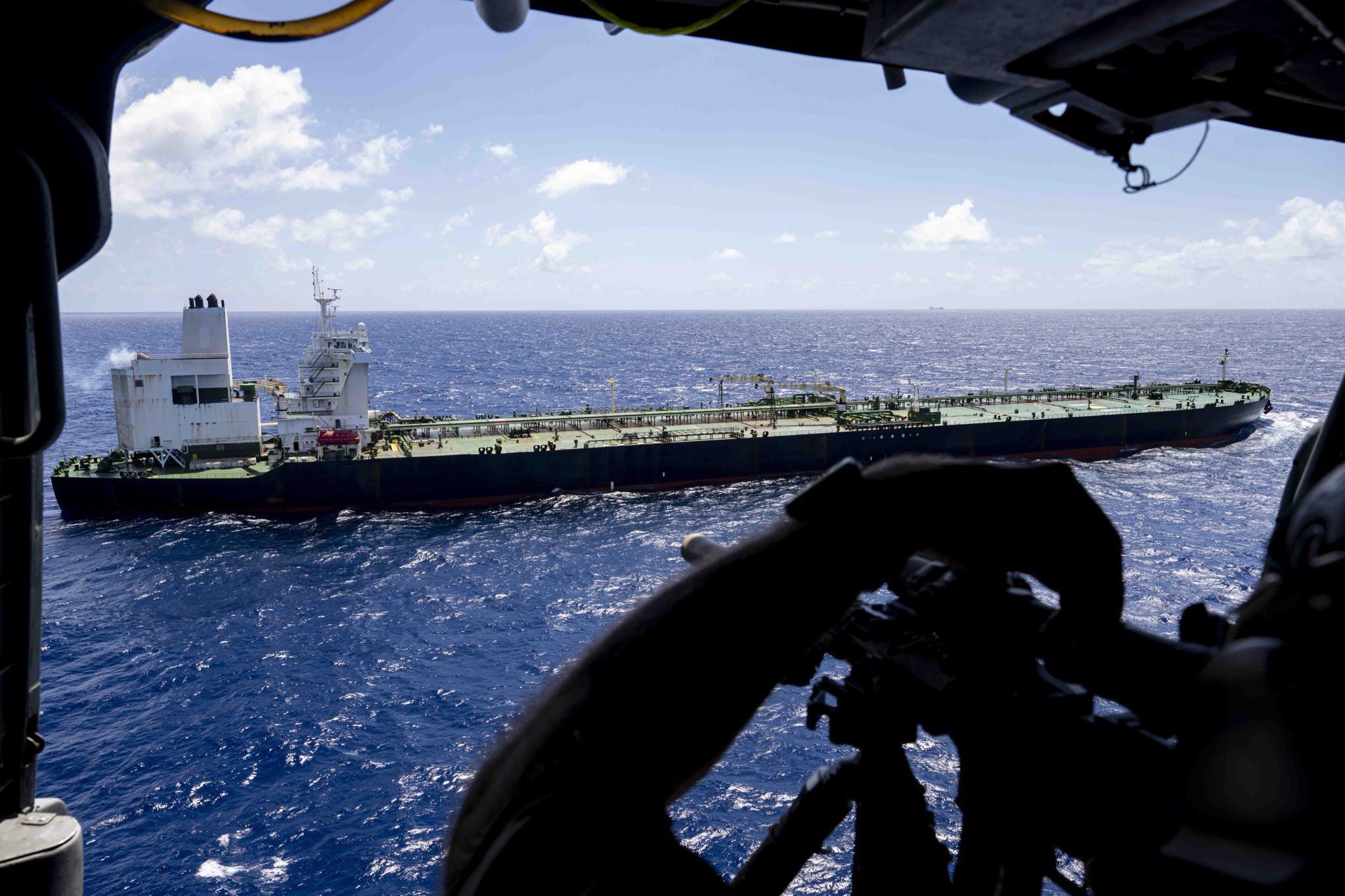
French naval forces intercepted and diverted a Russian oil tanker in the Mediterranean Sea this week, marking the latest escalation in Western efforts to disrupt Moscow’s shadow fleet operations through direct maritime enforcement.
French President Emmanuel Macron announced the boarding operation via social media, declaring that “we will not tolerate any violation.” The vessel, suspected of flying a false flag and subject to international sanctions, was boarded on the high seas with support from allied nations, Macron confirmed.
“A judicial investigation has been opened. The vessel has been diverted,” Macron stated, adding that France remains “determined to uphold international law and to ensure the effective enforcement of sanctions.”
In a statement, the French Navy identified the tanker as the MT GRINCH (IMO 9288851), sailing from Murmansk, Russia.
“Conducted on the basis of Article 110 of the United Nations Convention on the Law of the Sea, this operation aimed to verify the nationality of a vessel suspected of flying a false flag. After the boarding of the inspection team, the examination of documents confirmed the doubts regarding the validity of the flag flown,” the Navy said.
The tanker was reportedly intercepted off Spanish waters in the Mediterranean while sailing towards the Strait of Gibraltar. The operation was conducted with help from the UK and is now under French naval escort.
The French president directly linked the operation to the war in Ukraine, stating that “the activities of the ‘shadow fleet’ contribute to financing the war of aggression against Ukraine.”
Ukrainian President Volodymyr Zelenskyy said the seizure is “exactly the kind of resolve needed to ensure that Russian oil no longer finances Russia’s war.”
“Russian tankers operating near European shores must be stopped. Sanctions against the entire infrastructure of the shadow fleet must be tough. Vessels must be apprehended. And wouldn’t it be fair to confiscate and sell the oil carried by these tankers?,” Zelenskyy added.
The Mediterranean seizure represents a strategic shift in European sanctions policy. Since 2022, Western governments have primarily relied on designations and financial restrictions to combat Russia’s shadow tanker operations. Now the UK and several EU states are testing operational tools including expanded insurance checks at maritime chokepoints, refusing innocent passage for suspect vessels, and targeting the broader ecosystem of ship owners, managers, brokers, and insurers.
Germany set a precedent last week when it denied Baltic Sea entry to the tanker Tavian, citing forged identifiers and deficient documentation characteristic of sanctions evasion. Following an inspection by federal police, the vessel turned north toward the Norwegian Sea.
The enforcement actions come as the EU has dramatically expanded its sanctions list. December’s sanctions round added 41 vessels, bringing the total number of ships barred from EU ports and services to nearly 600.
The timing of France’s operation is significant. Just two days earlier, on January 20, 2025, U.S. military forces seized the sanctioned tanker Sagitta in the Caribbean as part of Operation Southern Spear—the seventh tanker apprehended in recent weeks. The vessel had been sanctioned by the U.S. Treasury on January 10, 2025, for moving Russian crude above the G7 $60 price cap before shifting to Venezuelan fuel oil exports.
The Sagitta seizure followed President Trump’s December 16, 2025 announcement of a “complete blockade of all sanctioned oil tankers entering or leaving Venezuela,” with recent seizures including the Veronica on January 15 and the Olina on January 9.
Russia has condemned the Western operations as “illegal use of force” and warned of potential retaliation.
The coordinated transatlantic enforcement suggests that Western allies are increasingly willing to enforce sanctions at sea rather than rely solely on paper measures—fundamentally changing the risk calculus for operators of the shadow fleet.
Britain has expanded its sanctions against Russia’s oil industry, targeting two more energy companies, a dozen shadow-fleet tankers and financial networks used to move money around Western restrictions. The measures,...
By Timothy Gardner and Jarrett Renshaw WASHINGTON, Oct 14 (Reuters) – The Trump administration is considering easing sanctions on so-called shadow fleet vessels that have transported oil and petroleum products...
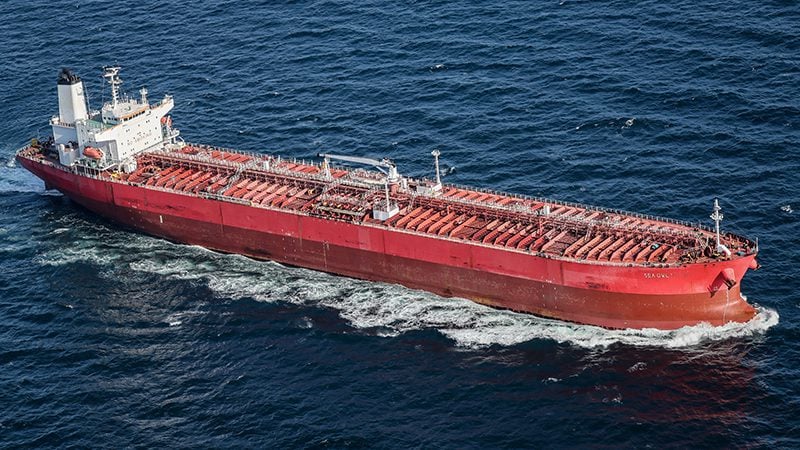
Swedish authorities have cleared the sanctioned tanker Sea Owl 1 to leave the country after nearly seven months at anchor, following confirmation that the vessel is now legitimately registered under...
October 12, 2026
Total Views: 1466
Get The Industry’s Go-To News
Subscribe to gCaptain Daily and stay informed with the latest global maritime and offshore news
— just like 106,723 professionals
Secure Your Spot
on the gCaptain Crew
Stay informed with the latest maritime and offshore news, delivered daily straight to your inbox
— trusted by our 106,723 members
Your Gateway to the Maritime World!
Essential news coupled with the finest maritime content sourced from across the globe.

 Join The Club