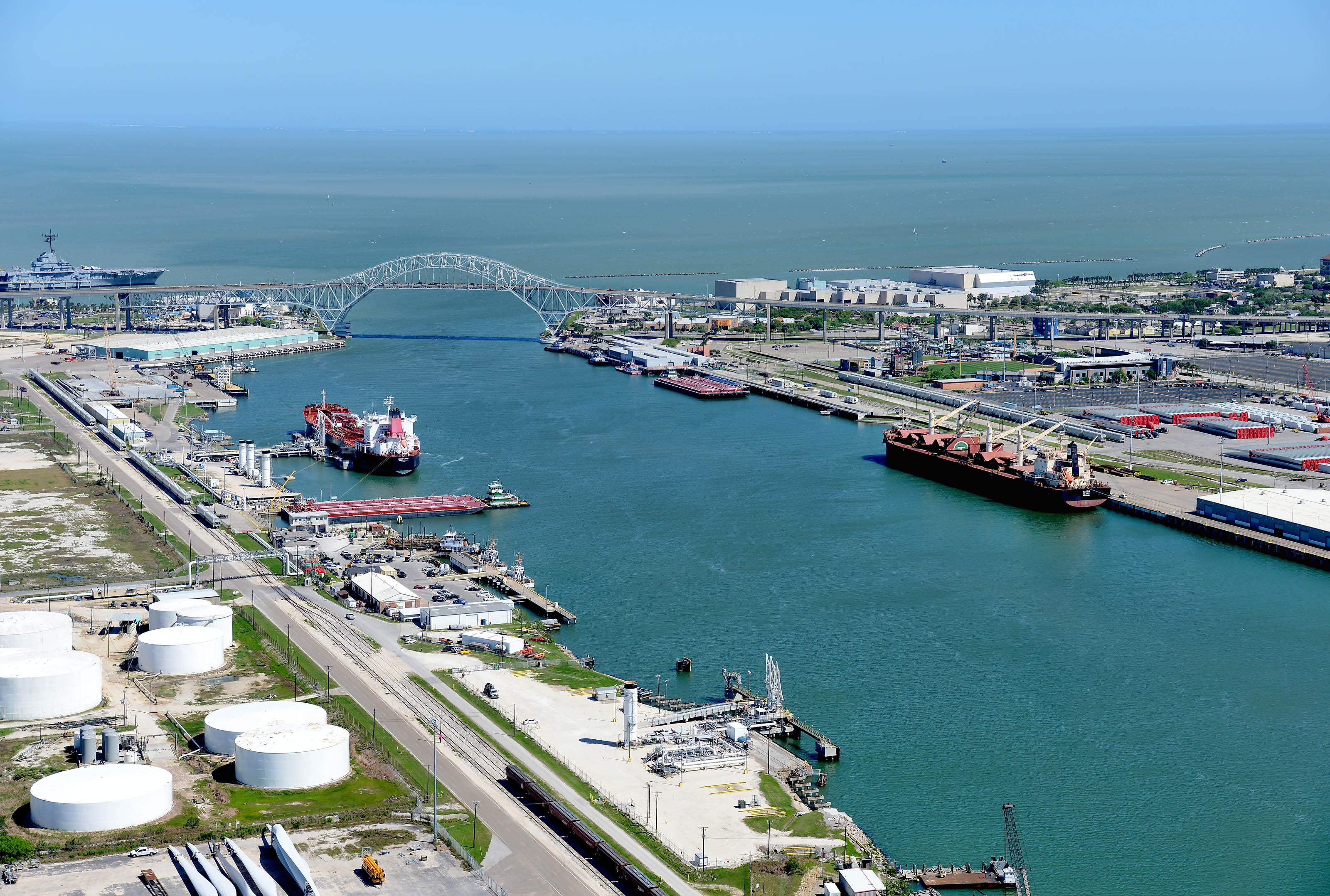
The Port of Corpus Christi has joined the Trump administration’s push to bring nuclear technology into the U.S. maritime sector, signing an agreement with the U.S. Maritime Administration to explore small modular reactors, port microgrids and nuclear-powered vessel concepts.
Transportation Secretary Sean Duffy joined Maritime Administrator Stephen Carmel, Rep. Michael Cloud of Texas and port officials Wednesday to announce the partnership, the second agreement signed under a MARAD small modular reactor initiative launched in May.
Under a Memorandum of Cooperation, MARAD and the Port of Corpus Christi will examine the potential integration of small modular reactor technology into maritime energy systems. The work will include resilient port microgrids, shoreside power infrastructure, facilities capable of supporting new vessel propulsion systems and workforce development.
“Small modular reactors have the potential to reshape America’s maritime sector, lower shipping costs, and bolster our supply chains,” Duffy said. “I’m thrilled that the Port of Corpus Christi is embracing this exciting partnership with the Trump Administration to ensure the United States leads the way in innovation.”
The agreement expands an effort that began in May, when Duffy and MARAD launched an initiative aimed at developing commercially viable SMRs for the U.S. marine transportation system. The government has framed nuclear technology as one potential way to lower shipping costs, strengthen domestic shipbuilding and improve the resilience of U.S. maritime infrastructure.
Corpus Christi brings a different operating environment to the program. The Texas port is the nation’s largest petroleum export port and a major LNG gateway, making it a potentially significant location for studying how advanced nuclear power could support energy-intensive port and industrial operations.
“This agreement with the Port of Corpus Christi demonstrates that the leading energy port in the nation understands the significance of this technology,” Carmel said. He said SMRs could help reduce costs and make Gulf Coast maritime supply chains more resilient to disruptions ranging from extreme weather to power-grid failures.
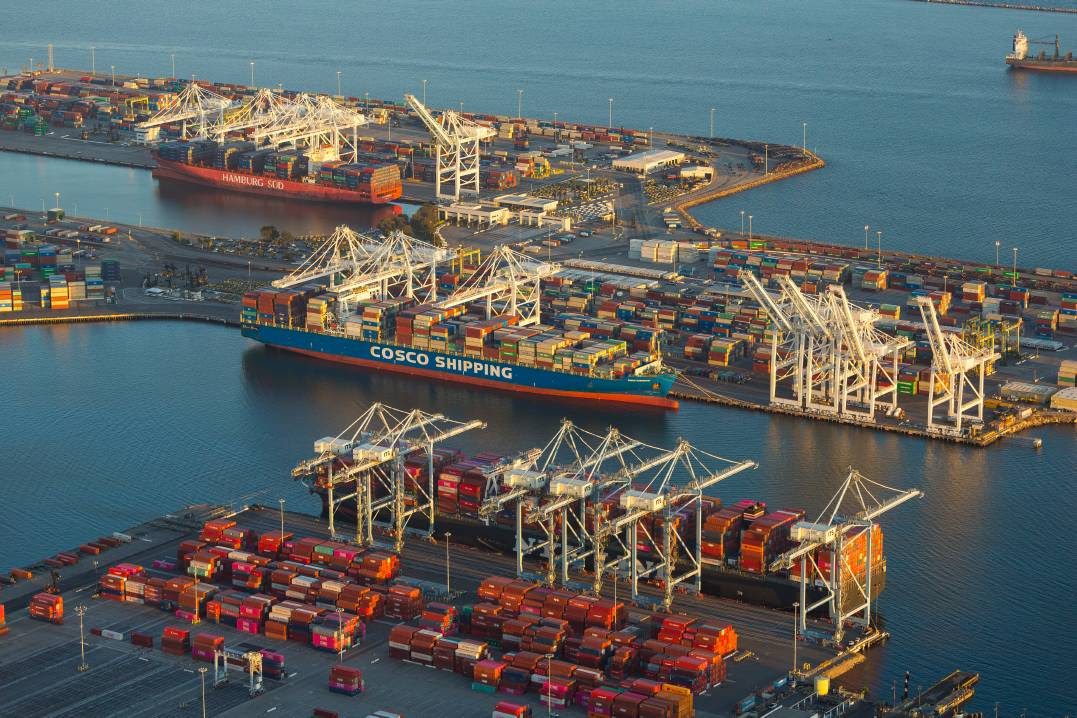
The Corpus Christi agreement follows MARAD’s partnership with the Port of Long Beach, which became the first U.S. seaport to formalize cooperation with the agency on SMR technology for commercial maritime applications.
The Long Beach agreement establishes a framework for work on nuclear technology for vessels, port operations and other maritime assets, including coordination with the U.S. Coast Guard, Department of Energy and Nuclear Regulatory Commission on safety standards, inspections and operating protocols.
The agreements are exploratory and do not themselves authorize construction of nuclear-powered ships or commit the government or ports to deploying a particular reactor design.
Interest in maritime nuclear power has accelerated as shipowners, shipbuilders and governments look for alternatives to conventional marine fuels. Nuclear propulsion has been used aboard naval vessels and icebreakers for decades, but commercial deployment has faced substantial barriers, including high upfront costs, complex regulation, liability and insurance questions, port-access concerns and public acceptance.
MARAD’s initiative is intended to begin addressing some of those hurdles while also examining how reactor construction could eventually be integrated into U.S. shipyards.
For Corpus Christi, the potential applications extend beyond ships themselves. “Small modular reactor technology has the potential to power port operations, support the broader industrial complex, and advance maritime propulsion capabilities in ways that will benefit the entire Gulf Coast and the nation,” Cloud said.

 Join The Club