The Trump administration has expanded sanctions targeting Cuba’s maritime and energy sectors, identifying five Cuban-flagged vessels as blocked property and opening the door to further sanctions against foreign companies operating in the country’s marine industry.
The measures, announced Thursday by the State Department, target eight companies and two individuals accused of supporting the Cuban government through petroleum shipments, offshore business networks and military procurement.
The action also includes a new Treasury Department determination allowing sanctions against foreign persons operating in Cuba’s marine, manufacturing, electronics and technology sectors.
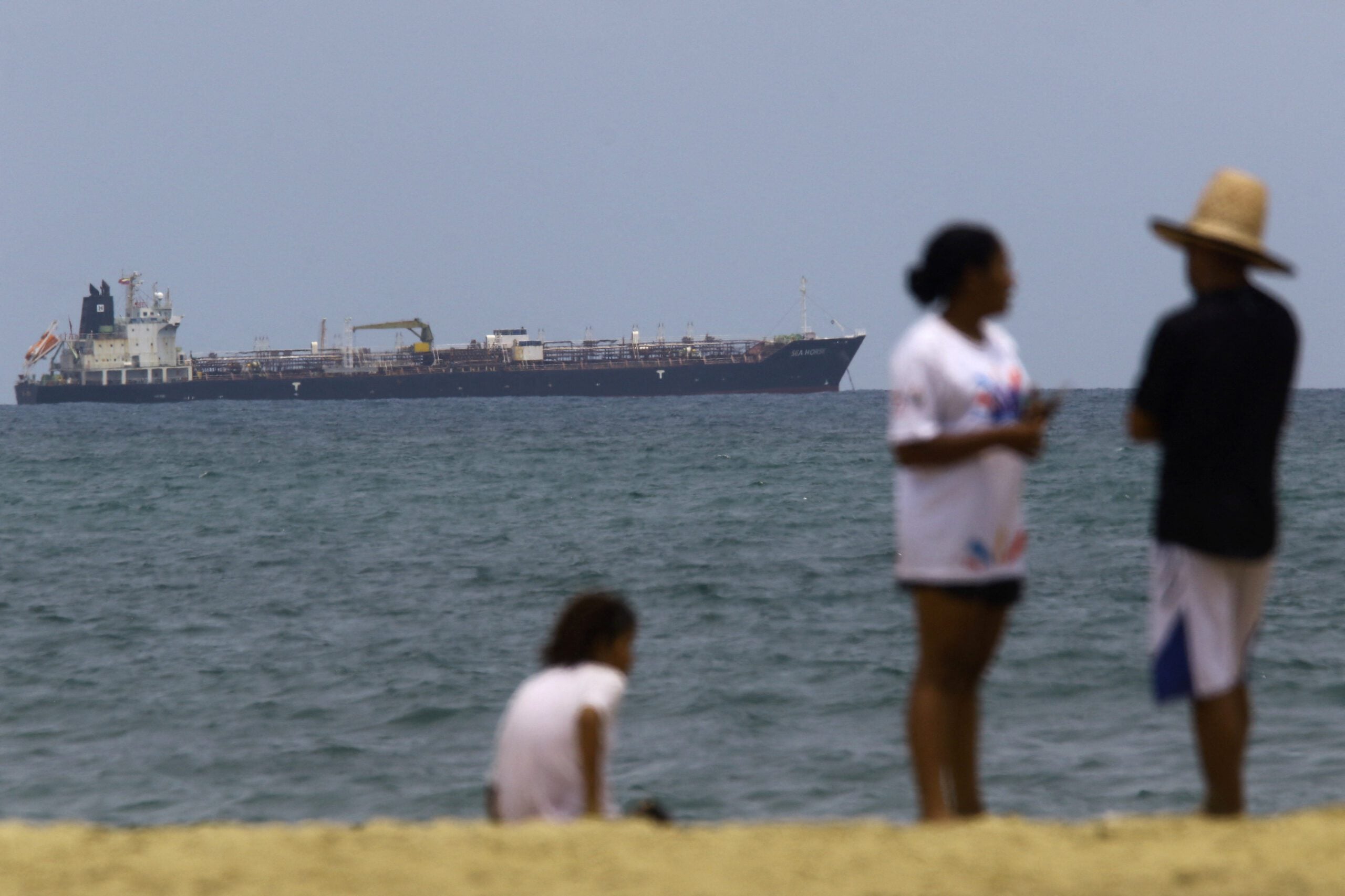
Among those targeted is Cyprus-based Caroil Transport Marine Ltd., which manages Cuban-flagged tankers involved in transporting energy products. The company was previously sanctioned in 2019 under U.S. measures targeting Venezuela.
Three vessels associated with Caroil were identified as blocked property: the crude oil tanker Esperanza, chemical and products tanker Gloria C, and products tanker Maria Cristina.
Washington also sanctioned Panama-based Tentacool Commercial Inc., the registered owner of Gloria C, and Cuba-based Internacional Maritima SA, which owns Esperanza.
Another Cuban shipping company, Petroleos Maritimos del Caribe S.A. (Petromarca), was designated alongside two vessels it manages: the LPG carrier Emilia and crude oil tanker Lourdes.
Three of the five vessels were already listed under earlier Venezuela-related sanctions, while Emilia and Gloria C were newly added.
The administration also targeted Guillermo Faustino Rodriguez Lopez Calleja, whom the State Department linked to a network of maritime shipping companies transporting petroleum products to and from Cuba.
The sanctions come as Cuba continues to struggle with fuel shortages and electricity outages, making imported energy supplies increasingly important.
Under the measures, property belonging to designated entities under U.S. jurisdiction is blocked, and U.S. persons are generally prohibited from conducting business with them. Foreign shipping operators and maritime service providers could also face additional sanctions exposure.
The State Department said existing authorizations for humanitarian trade, including food and medicine, remain in place.
The latest action adds another layer of restrictions to Cuba’s energy trade, potentially complicating the financing, management and operation of vessels serving the island.

 Join The Club