(Capital Link) – Navigator Gas posted the strongest quarterly results in its 25-year history as booming U.S. gas exports and longer trade routes helped lift vessel earnings and terminal volumes to record levels.
The handysize gas carrier operator reported second-quarter net income attributable to stockholders of $53 million, or 86 cents per share, while EBITDA reached $101.6 million. Adjusted EBITDA was $86.4 million. Average time charter equivalent earnings climbed to a record $33,946 per day, with fleet utilization reaching 90.8%.
Speaking during a Capital Link webinar, Navigator Gas CEO Mads Peter Zacho said the quarter highlighted the earnings potential of the company’s combined shipping and terminal platform at a time when geopolitical disruptions are reshaping global gas trade flows.
A major driver was the handysize ethylene market, where longer voyages and strong demand have tightened available vessel capacity. Navigator’s average TCE earnings were up from $28,216 per day a year earlier.
The company has also benefited indirectly from disruptions in the Middle East. Navigator does not currently transit the Strait of Hormuz, and only about 3% of its export volumes originated in the Gulf before the conflict, limiting its direct exposure.
But the broader disruption has pushed some Asian buyers toward suppliers farther west, increasing sailing distances and absorbing more vessel capacity.
Zacho said those longer voyages have supported utilization and freight rates while making North American LPG, ethane and petrochemical exports increasingly attractive to buyers looking to diversify their supply chains.
U.S. Ethane Exports Drive Growth
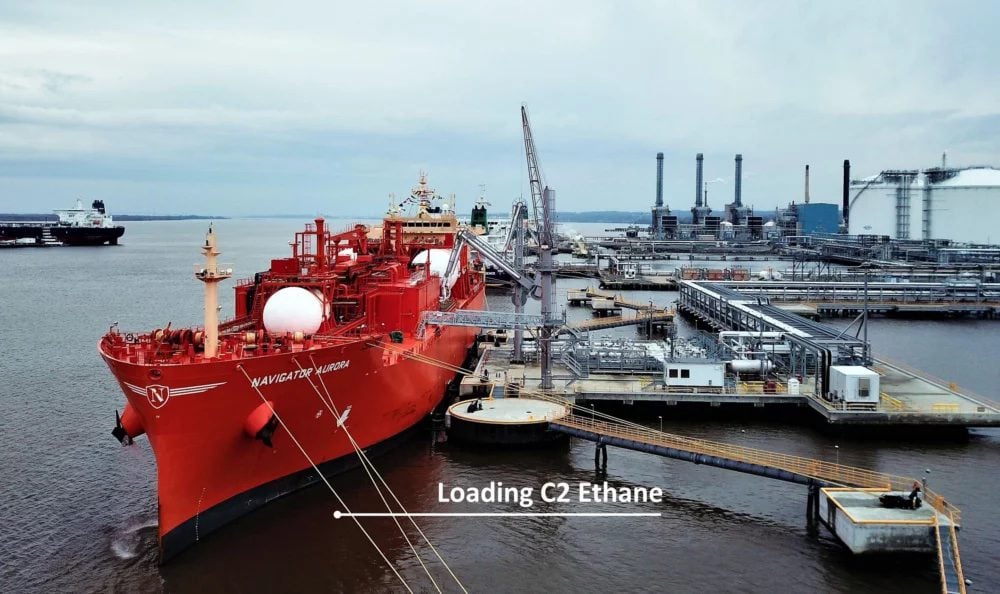
Navigator sees ethane as offering the strongest structural growth prospects among its core cargoes, which also include LPG, ethylene and ammonia.
U.S. ethane remains a relatively low-cost petrochemical feedstock compared with naphtha, while expanding export infrastructure is opening the door to greater volumes moving from North America to Asia. Ethylene benefits from many of the same economics, with U.S. ethane-based production remaining competitive in European and Asian markets.
Navigator is positioning its fleet accordingly.
Four ethane- and ethylene-capable newbuildings are scheduled for delivery between December 2026 and December 2027, giving the company additional capacity to participate in the expanding trades. Overall, Navigator has six newbuildings on order, with financing already secured. The supply side also remains relatively favorable. The handysize gas carrier orderbook stands at about 11% of the existing fleet, while roughly 17% of vessels are more than 25 years old.
Navigator believes scrapping and other retirements could leave the segment with limited — and potentially negative — net fleet growth over the coming years. Combined with rising U.S. exports and longer sailing distances, that could continue supporting freight rates even as the unusually strong conditions seen during the second quarter normalize.
Morgan’s Point Hits Record Volumes
Navigator’s 50%-owned Morgan’s Point ethylene export terminal near Houston also delivered record results.
Throughput reached 374,278 tons during the quarter, close to the facility’s nameplate capacity, generating $7.1 million in equity earnings for Navigator. Management expects the terminal to achieve record annual throughput in 2026.
Four new offtake agreements have been signed since the start of the year, with discussions underway with additional customers.
The terminal could also provide Navigator with another source of capital. The asset is currently debt-free, and Zacho said adding debt could potentially release as much as $150 million, although he characterized the possibility as financial flexibility rather than an announced transaction.
Fleet Renewal Accelerates
Navigator has meanwhile been selling older and non-core vessels as it refreshes the fleet.
The company sold the Navigator Pegasus for net proceeds of $30.5 million, recording a $15.3 million gain. It has also agreed to sell eight gas carriers along with its stake in Unigas International B.V. for approximately $183 million, with an expected gain of between $66 million and $69 million.
Management expects the combination of newbuildings and newer secondhand tonnage to lower the fleet’s average age, improve fuel efficiency and increase earnings capacity.
Navigator entered the second half with substantial financial flexibility. It had $225.9 million of unrestricted cash at June 30, rising to roughly $362 million including restricted cash by Aug. 3. Net debt to trailing 12-month Adjusted EBITDA stood at 2.2 times.
The stronger balance sheet is allowing Navigator to pursue growth while continuing to return cash to shareholders.
Its capital-return policy targets a combination of fixed dividends and a variable component equal to 35% of net income attributable to stockholders. The board has approved an increase in the fixed quarterly dividend to 8 cents per share beginning with third-quarter 2026 results.
Including its recently announced capital return, Navigator expects to have returned about $306 million to shareholders since December 2022.
Looking ahead, the company is considering additional secondhand vessel purchases, newbuildings and energy infrastructure investments, with management emphasizing that future projects must complement its shipping business or strengthen its position in the ammonia, ethane and ethylene supply chains.
For Navigator, the broader bet is that growing U.S. gas exports, constrained handysize fleet growth and increasingly long and complex global trade routes will continue creating opportunities well beyond its record second quarter.
The Capital Link webinar, Navigator Gas: Building on a Record Quarter, can be viewed below or here on Youtube.
Cheniere Energy has signed a 22-year agreement to supply Brazil’s Petrobras with U.S. liquefied natural gas, adding another long-term customer as the company looks to support further expansion of its...
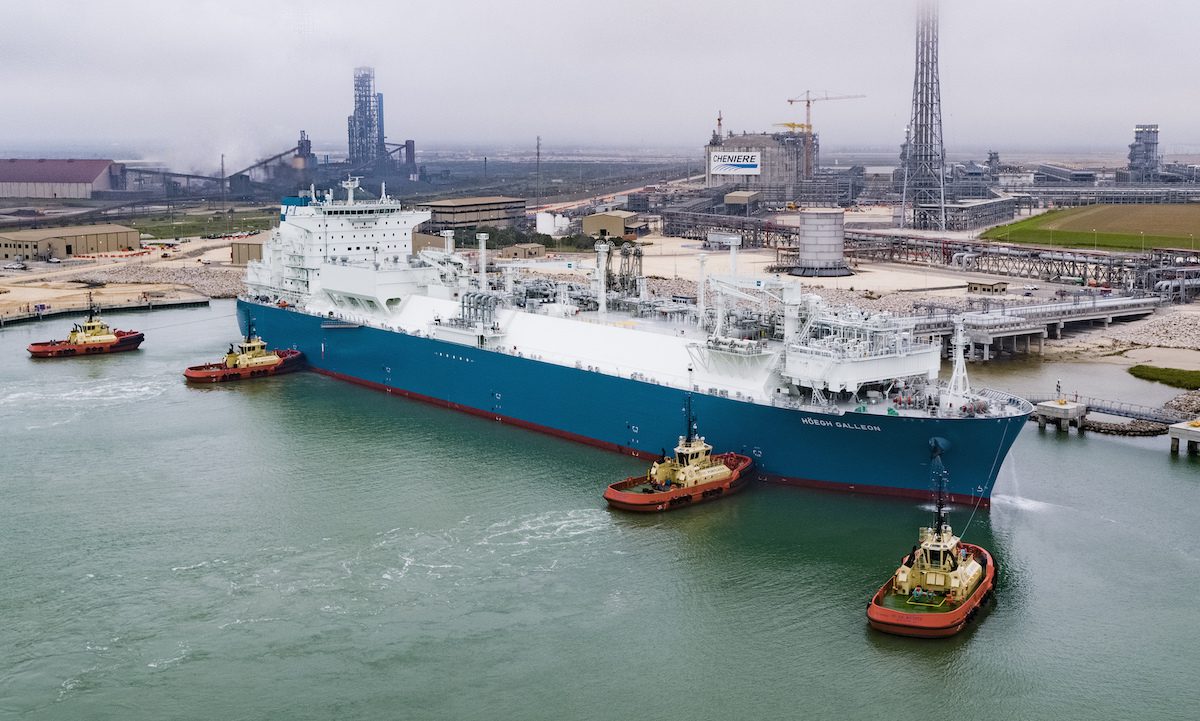
Cheniere Energy has completed its major Stage 3 expansion at the Corpus Christi LNG terminal in Texas while marking another milestone for its U.S. Gulf Coast export business with the...
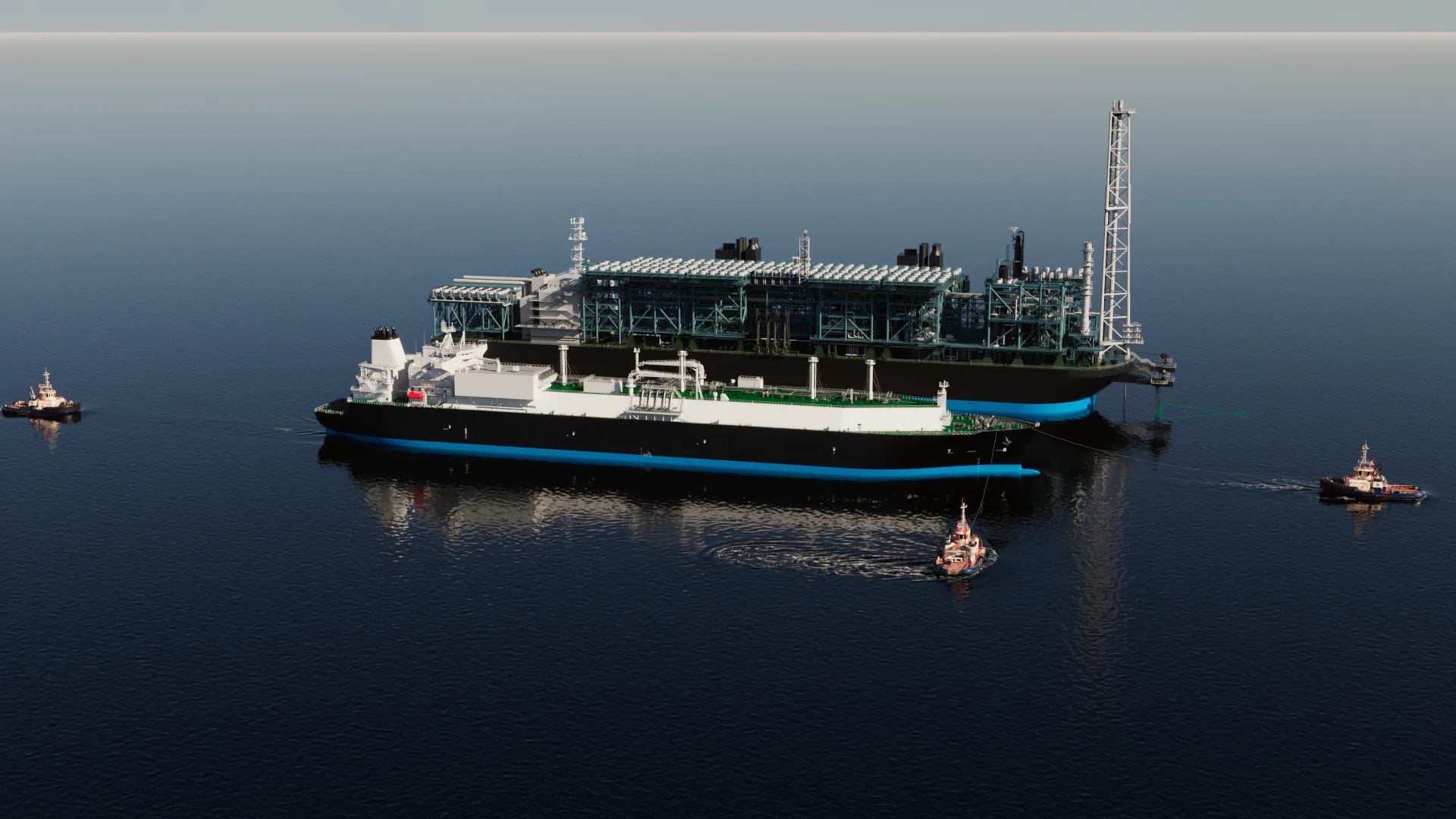
Delfin Midstream is moving ahead with plans for its second floating LNG export vessel off the Louisiana coast, announcing a new partnership with MidOcean Energy and authorizing the purchase of...
July 15, 2026
Total Views: 716
Get The Industry’s Go-To News
Subscribe to gCaptain Daily and stay informed with the latest global maritime and offshore news
— just like 106,535 professionals
Secure Your Spot
on the gCaptain Crew
Stay informed with the latest maritime and offshore news, delivered daily straight to your inbox
— trusted by our 106,535 members
Your Gateway to the Maritime World!
Essential news coupled with the finest maritime content sourced from across the globe.

 Join The Club