By Lucia Kassai, Devika Krishna Kumar, Charles Gorrivan and Archie Hunter
Nov 8, 2026 (Bloomberg) –Oil traders are seeking approval from the US government to use some tankers that were sanctioned for their involvement in shipping illicit oil, in an effort to address a vessel crunch and lower prices.
At least four companies, including Trafigura Group, Vitol Group, Mercuria Energy Group Ltd., and Abu Dhabi National Oil Co. are in discussions with US officials for licenses that would allow them to purchase or lease some ships that are blacklisted by the US government, according to people with knowledge of the matter.
The move comes as the Trump administration tries to lower oil prices that spiked after the US and Israel launched their war on Iran, triggering the worst supply disruption in history. Freight rates, a major component in the final price of oil, surged to a record in recent weeks amid tanker shortages and the risks of sailing through the Strait of Hormuz. Ships have been forced to take on longer voyages to secure supplies and charterers have been forced to cough up higher insurance fees.
Last month, US Energy Secretary Chris Wright said the administration is working with investors who buy idled sanctioned tankers, refurbish them and use the ships to transport non-sanctioned oil. The idea is to convert “dark tankers to legitimate tankers,” he said.
Treasury officials are reviewing applications and may issue authorizations on a case-by-case basis, rather than a blanket exemption, said the people, asking not to be named discussing private information. The talks cover about 50 of the roughly 1,600 ships currently sanctioned by the US. No decision is final and the timeframe for approvals is unclear, the people added.
Representatives for ADNOC, Trafigura, Mercuria and Vitol declined to comment.
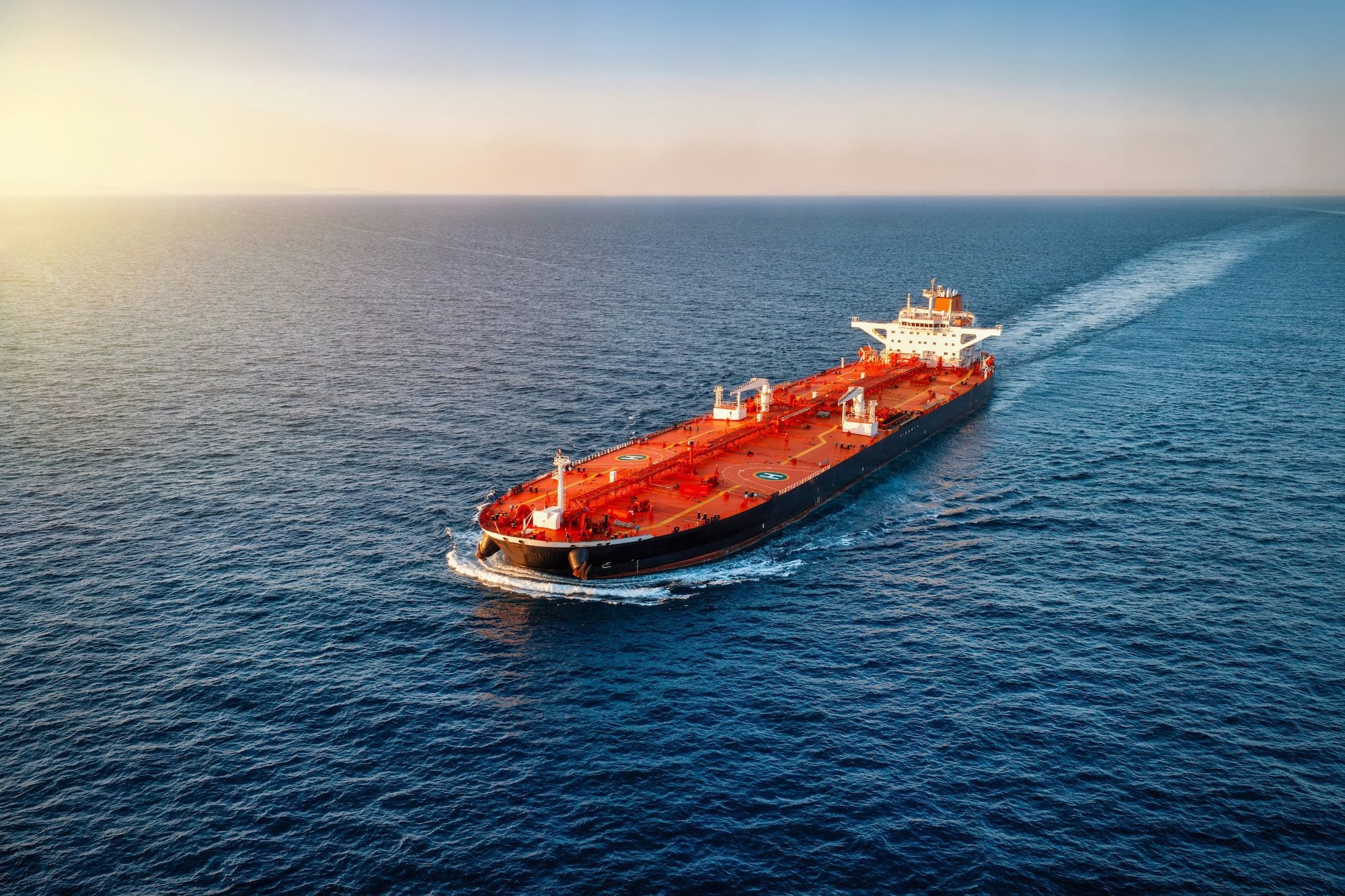
The applications include supertankers, the oil industry’s largest vessels, able to transport 2 million barrels, some of the people said.
The cost to send US oil to Asia in a supertanker climbed to nearly $40 a barrel in early October, up from $5, a year earlier. While rates have since softened, they remain near historical highs, contributing to oil prices that are hovering around $100 a barrel.
To be sure, any licenses from the US Treasury or the Office of Foreign Assets Control would only apply to vessels sanctioned by the US. The European Union and the UK have imposed significant restrictions on Russian and Iranian oil, and targeted the so-called “shadow fleet” used to circumvent restrictions on Russian energy exports.
It’s also unclear how much the measure would ultimately lower prices. The Trump administration has unleashed a series of measures aimed at lowering soaring energy costs for American consumers, including releasing millions of barrels from emergency reserves and waiving some fuel-related laws. Still, pump prices remain stubbornly elevated and were a major contributing factor to the Republican Party’s staggering losses in the midterm elections this week.
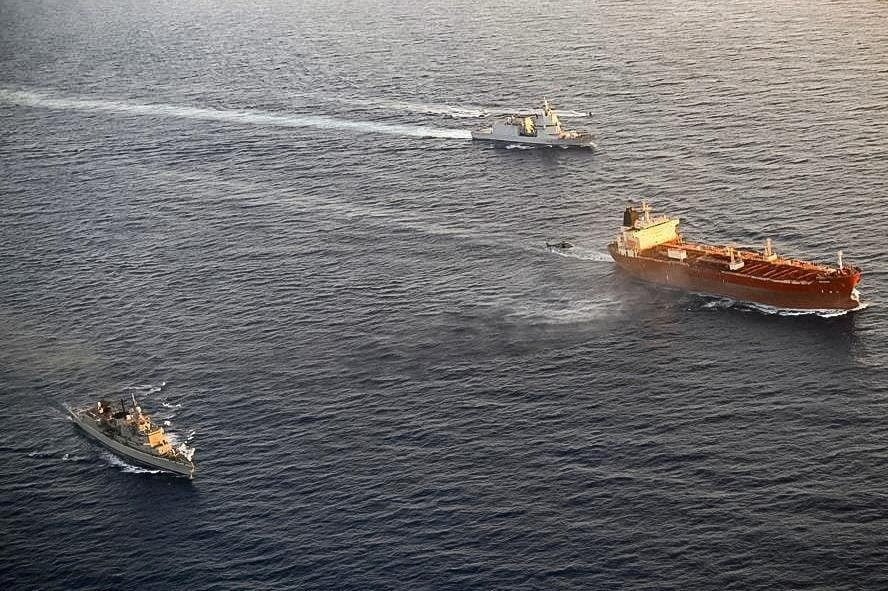
The effectiveness at lowering prices will also depend on the profile of the ships rehabilitated. Repurposing tankers that had been previously idled — such as the tanker named Skipper, which has been sitting off the coast of Texas since December — would have a greater impact than just changing the status of vessels operating in the dark fleet, one of the people said.
Related Article: U.S. Seizure of Shadow Fleet Tanker ‘Skipper’ Ends Years-Long Sanctions-Evasion Run
While most of the sanctioned ships are older than the mainstream fleet, raising concerns about maintenance and safety, they could still be used in short-distance trips such as between the US and the Caribbean or Latin America, freeing newer tankers for long-haul voyages, the person said.
The challenge for the Trump administration is to boost shipping capacity and lower oil prices while trying to prevent bad actors from get an influx of cash. As of Nov. 4, there are 1,568 ships hit by US sanctions, including 462 crude oil tankers, according to Treasury data compiled by Bloomberg. Most remain under the radar of enforcement authorities, typically switching off their satellite location signals.
© 2026 Bloomberg L.P.

 Join The Club