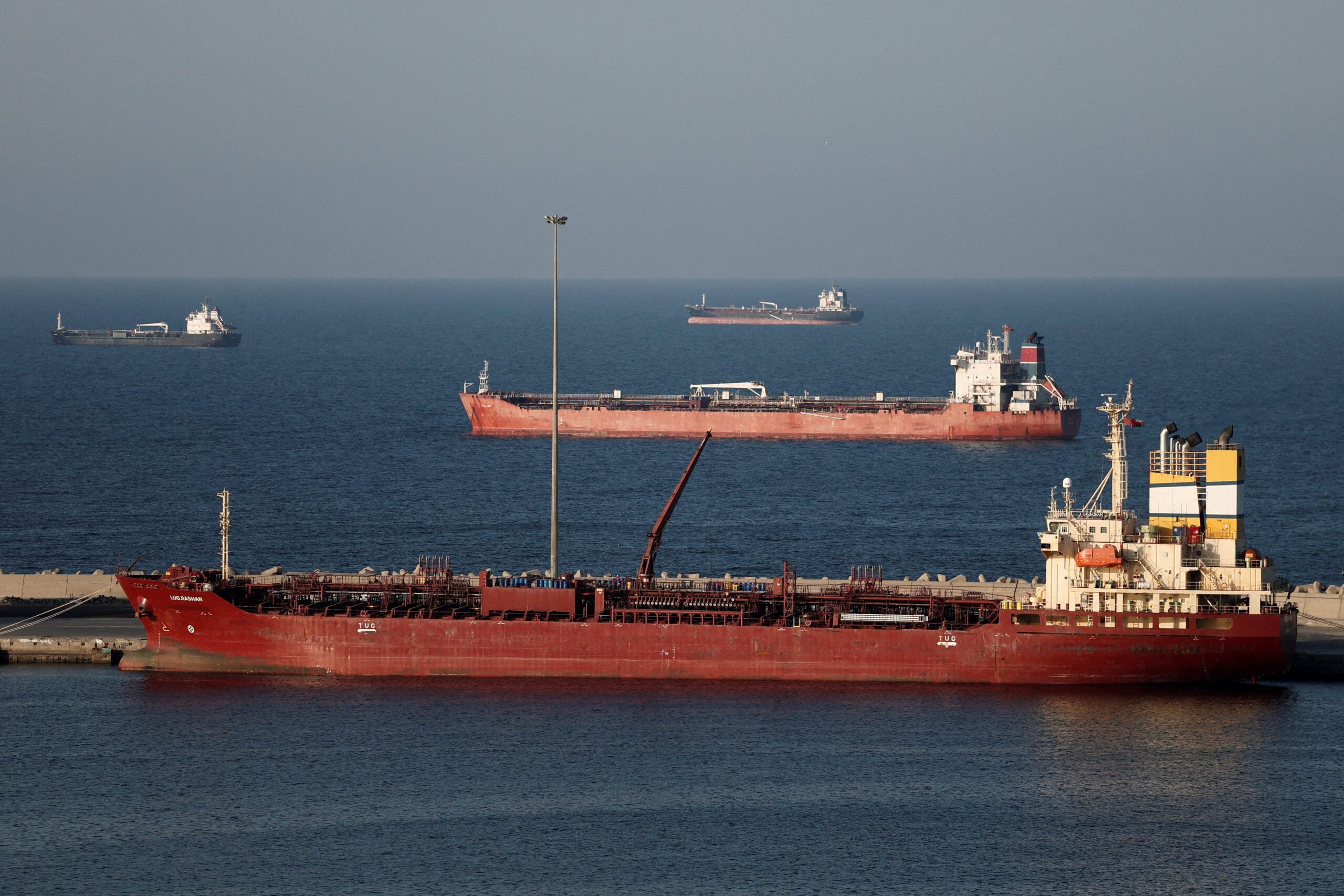
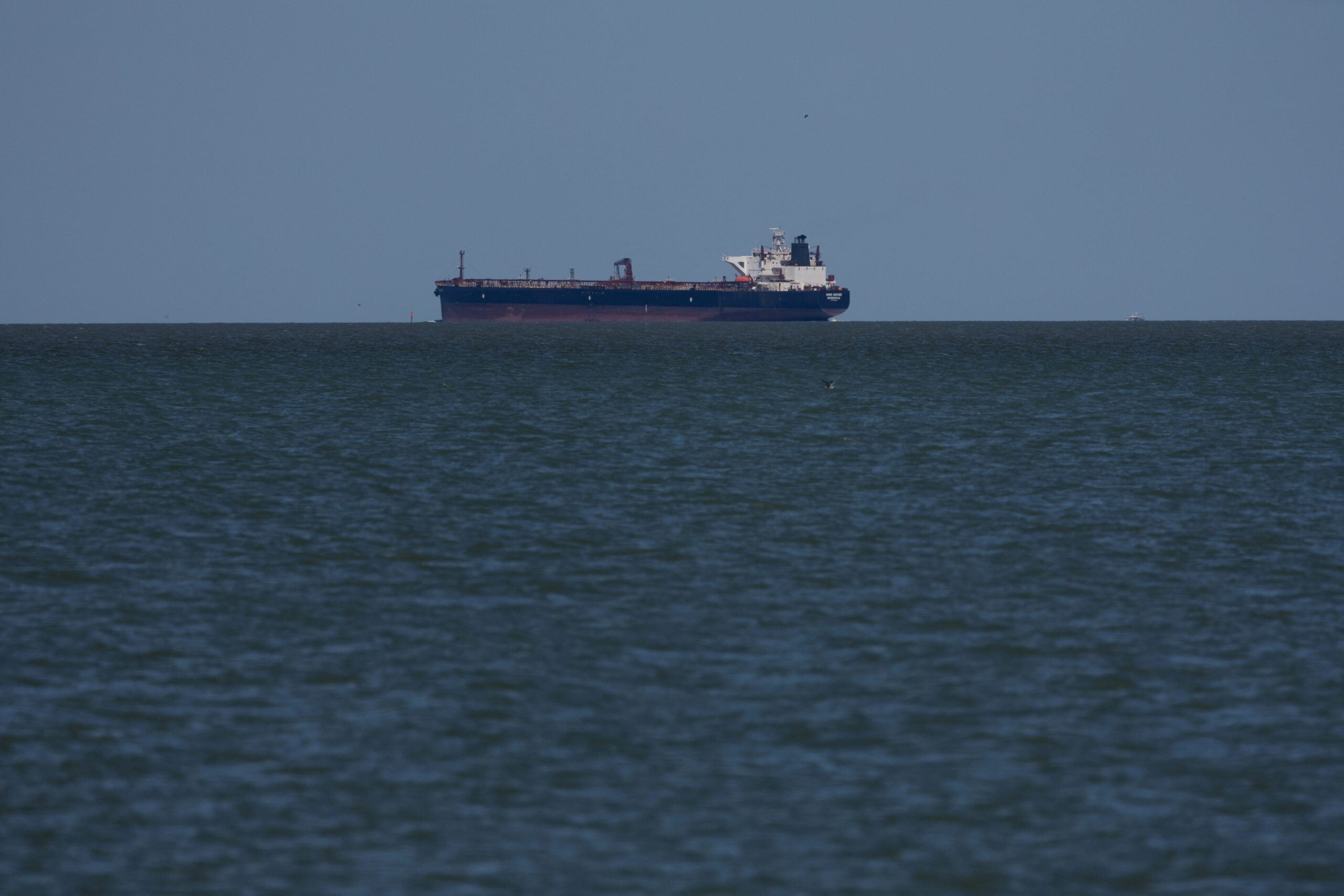
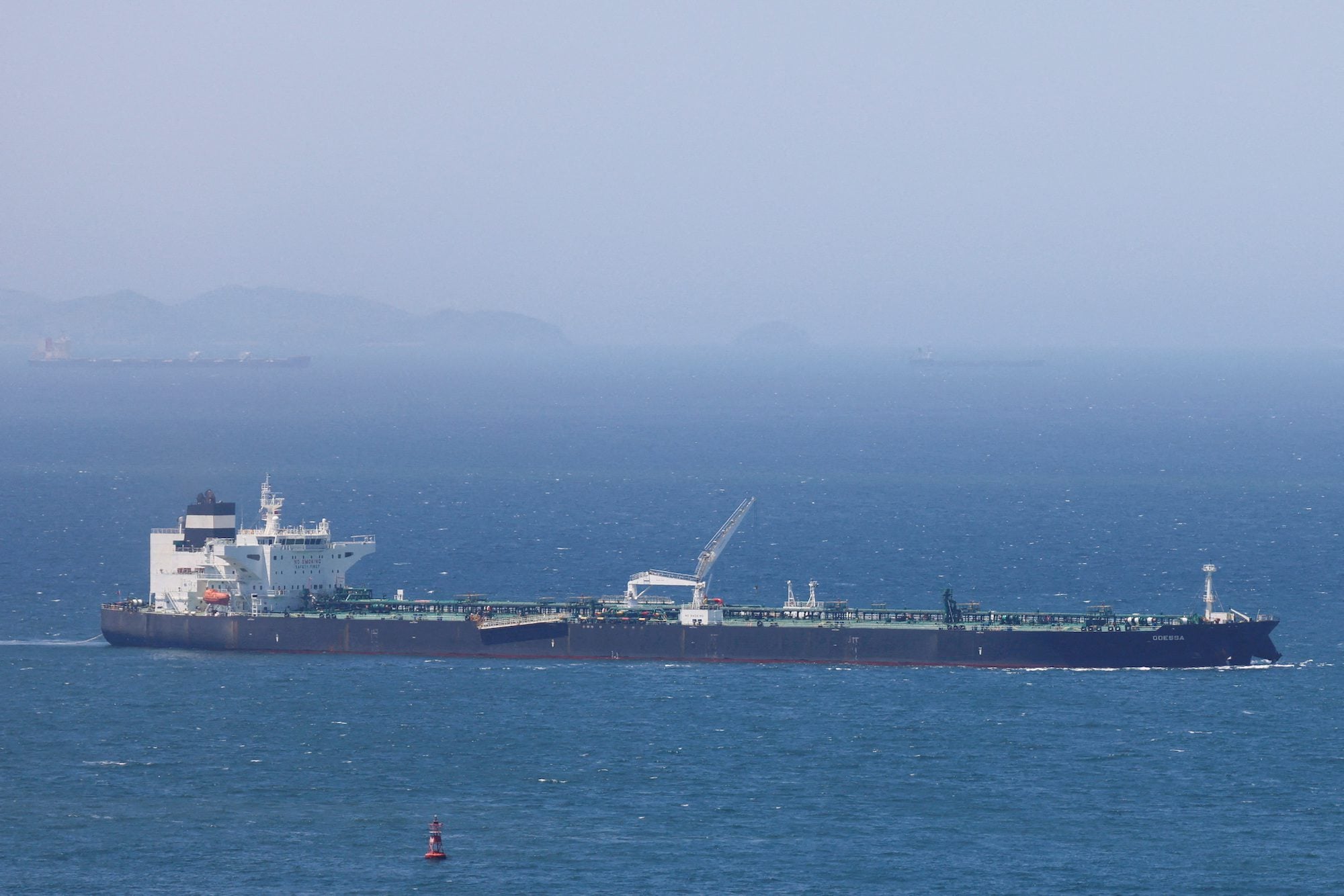
NEW YORK, April 27 (Reuters) – Oil prices climbed about 2% to a two-week high on Monday as peace talks between the U.S. and Iran stalled and shipments through the Strait of Hormuz remained limited, keeping global oil supplies tight.
Brent futures LCOc1 rose $2.16, or 2.1%, to $107.49 a barrel at 10:01 a.m. EDT (1401 GMT), while U.S. West Texas Intermediate (WTI) crude CLc1 rose $1.32, or 1.4%, to $95.72.
That put Brent up for a sixth day in a row for the first time since March 2025 and on track for its highest close since April 7.
Work has not halted to bridge gaps between the United States and Iran, sources from mediator Pakistan said, despite the failure of face-to-face diplomacy after U.S. President Donald Trump called off a trip by his envoys and said Iran should phone when it wants a deal.
“The diplomatic stand-off means that every day 10-13 million barrels of oil fail to get to the international market, worsening an already tight oil balance. Therefore, there is only one direction for oil prices to go,” said PVM Oil Associates analyst Tamas Varga.
At least seven ships – mainly dry bulk vessels – have crossed the Strait of Hormuz in the past 24 hours, in line with muted activity in recent days. That represents a fraction of the average 140 daily passages before the Iran war began on February 28 when around 20% of global oil supplies passed through the Strait.
INFLATION WORRIES
The European Central Bank meets on Thursday, with an Iran war ceasefire easing the pressure on it for an immediate interest rate hike.
But with the status of peace talks unclear and no sign of the Strait of Hormuz reopening soon, traders still anticipate high oil prices will boost inflation and force the bank to hike interest rates later this year.
Central banks like the ECB use interest rates to keep inflation in check. Higher interest rates increase consumer borrowing costs, which can reduce economic growth and oil demand.
Goldman Sachs raised its oil price forecasts for the fourth quarter to $90 a barrel for Brent and $83 for WTI, citing reduced output from the Middle East.
“The economic risks are larger than our crude base case alone suggests because of the net upside risks to oil prices, unusually high refined product prices, products shortages risks and the unprecedented scale of the shock,” GS analysts led by Daan Struyven said in a note on Sunday.
U.S. gasoline futures RBc1 closed on Friday at their highest prices since July 2022. That also boosted the gasoline crack spread RBc1-CLc1, which measures refining profit margins, to its highest since July 2022.
Elsewhere in the Middle East, the ceasefire between Israel and Lebanon was also on shaky ground.
The Israeli military began carrying out strikes in eastern Lebanon on Monday, expanding the scope of its bombing campaign during a ceasefire that has failed to fully halt hostilities with the Iran-backed Lebanese armed group Hezbollah.
(Reporting by Scott DiSavino in New York and Seher Dareen in London; Additional reporting by Florence Tan and Sudarshan Varadhan; Editing by David Goodman and Joe Bavier)
(c) Copyright Thomson Reuters 2026.

 Join The Club