Northern Lights has awarded a long-term time charter contract for a new 12,000-cubic-meter liquefied CO? carrier to a consortium of Japan’s Kawasaki Kisen Kaisha (“K” LINE) and Malaysia’s MISC Berhad, marking the latest step in the expansion of what is becoming the world’s first dedicated carbon dioxide shipping fleet.
The vessel will be constructed by Dalian Shipbuilding Offshore Co., Ltd. (DSOC) and will serve Northern Lights’ growing carbon capture and storage (CCS) business, transporting captured CO? from industrial customers across Europe for permanent offshore storage in Norway.
The award represents the second vessel chartered to the “K” LINE-MISC consortium following Northern Lights’ January announcement that it would add four new CO? carriers to support a planned expansion of its transport and storage network.
The fleet expansion comes as Northern Lights scales up operations to meet increasing demand from industrial emitters seeking to decarbonize. The company is expanding its transport and storage capacity to more than 5 million tonnes of CO? annually under its next development phase.
In January, Northern Lights awarded charter agreements for four new vessels. Two of the ships were allocated to the “K” LINE-MISC consortium, while Mitsui O.S.K. Lines (MOL) secured contracts for two additional vessels. The first three vessels announced will each have a cargo capacity of 12,000 cubic meters and are scheduled for delivery between the second half of 2028 and the first half of 2029.
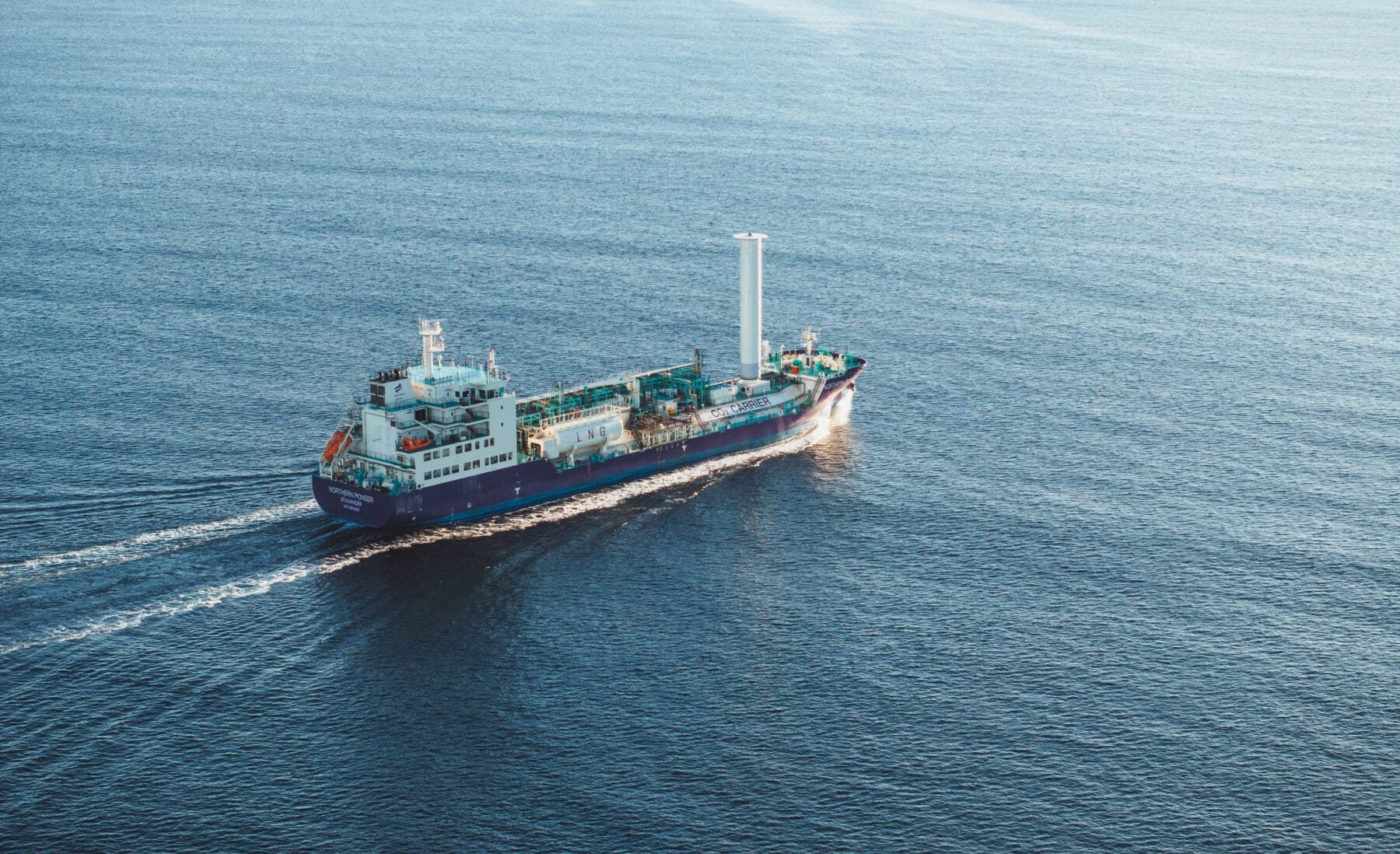
The latest award builds on an existing fleet already supporting Northern Lights operations. Since late 2024, the company has taken delivery of three 7,500-cubic-meter liquefied CO? carriers—Northern Pioneer, Northern Pathfinder, and Northern Phoenix—which were built in China and are managed by “K” LINE. A fourth sister vessel, owned and operated by Bernhard Schulte Shipmanagement, is expected to join the fleet later this year.
Northern Lights began injecting captured CO? for permanent storage beneath the North Sea in August 2025. The project forms part of Norway’s government-backed Longship initiative and is owned by a joint venture between Equinor, TotalEnergies, and Shell.
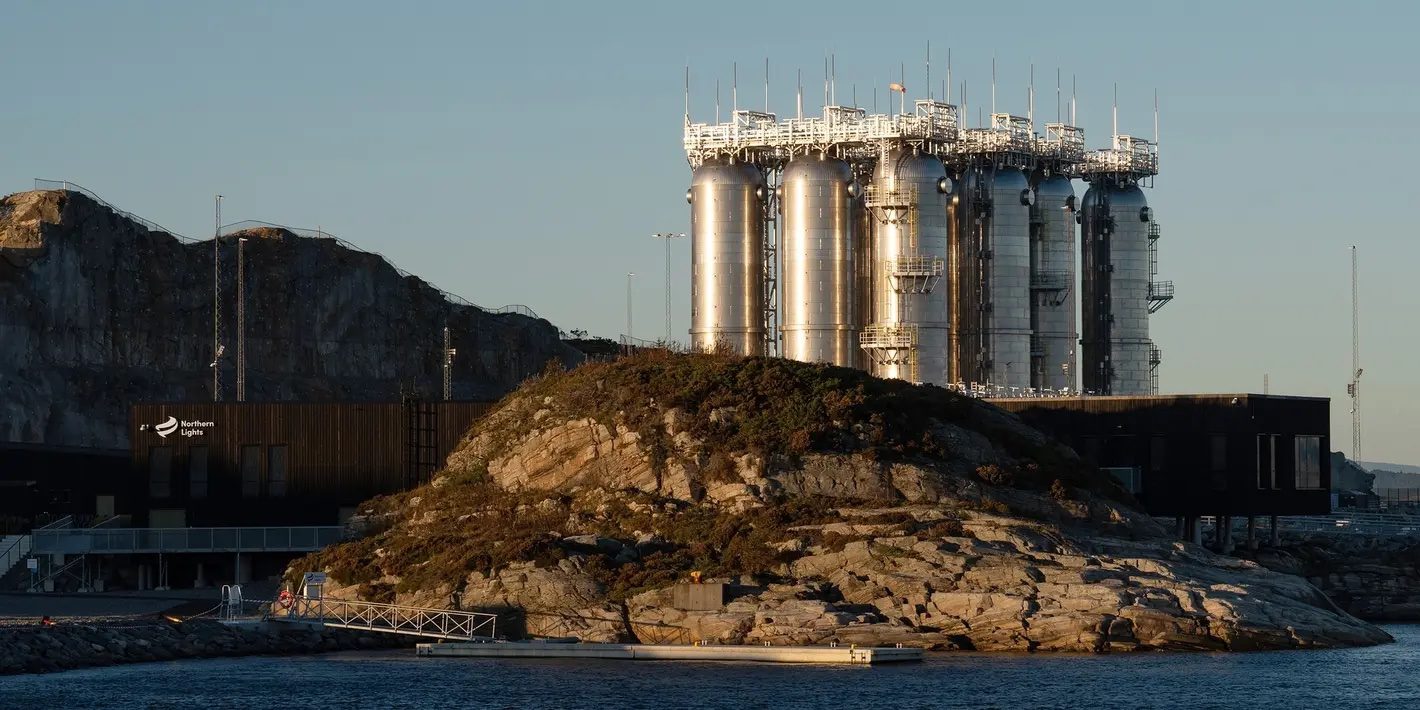
Captured carbon dioxide is transported by ship to Northern Lights’ receiving terminal on Norway’s west coast before being sent via pipeline to a storage reservoir located approximately 2,600 meters beneath the seabed.
The company has already signed commercial agreements with customers including Heidelberg Materials and Hafslund Celsio in Norway, as well as Yara in the Netherlands, Ørsted in Denmark, and Stockholm Exergi in Sweden, positioning Northern Lights as a key player in Europe’s emerging carbon transport and storage market.

 Join The Club