Don’t Miss Your Daily Briefing for the Maritime Industry
Join the leading maritime news network
— trusted by our 107,352 members
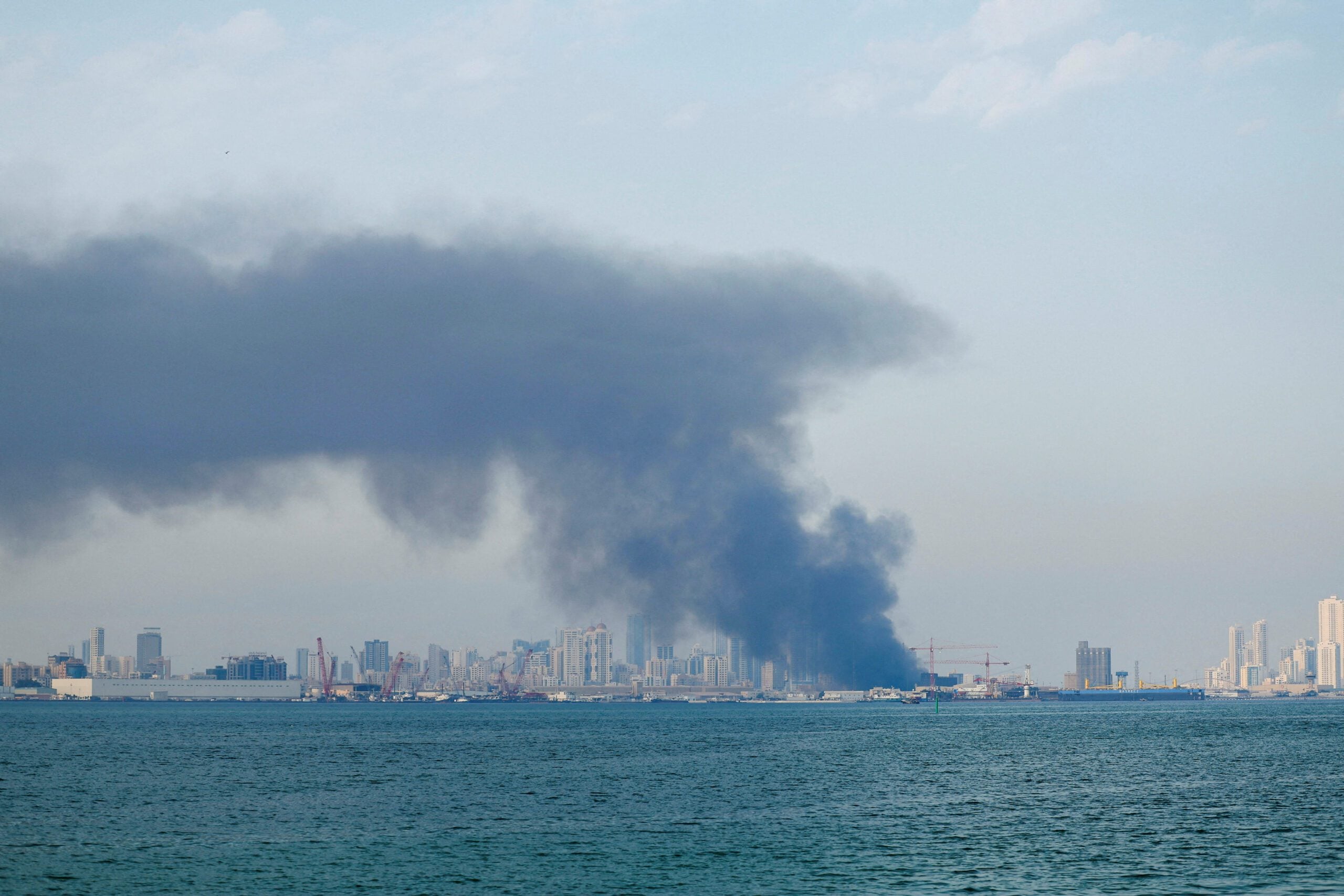
Smoke rises after reported Iranian missile attacks, following strikes by the United States and Israel against Iran, in Manama, Bahrain, February 28, 2026. REUTERS/Stringer TPX IMAGES OF THE DAY
U.S. Navy Declares Maritime Warning Zone Across Persian Gulf
by John konrad (gCaptain) The United States Navy declared a sweeping maritime warning zone across the Persian Gulf region on Saturday after large-scale U.S.-Israeli strikes on Iran triggered immediate retaliation from Tehran, throwing global energy markets into turmoil and forcing major oil companies to suspend shipments through the world’s most critical chokepoint.
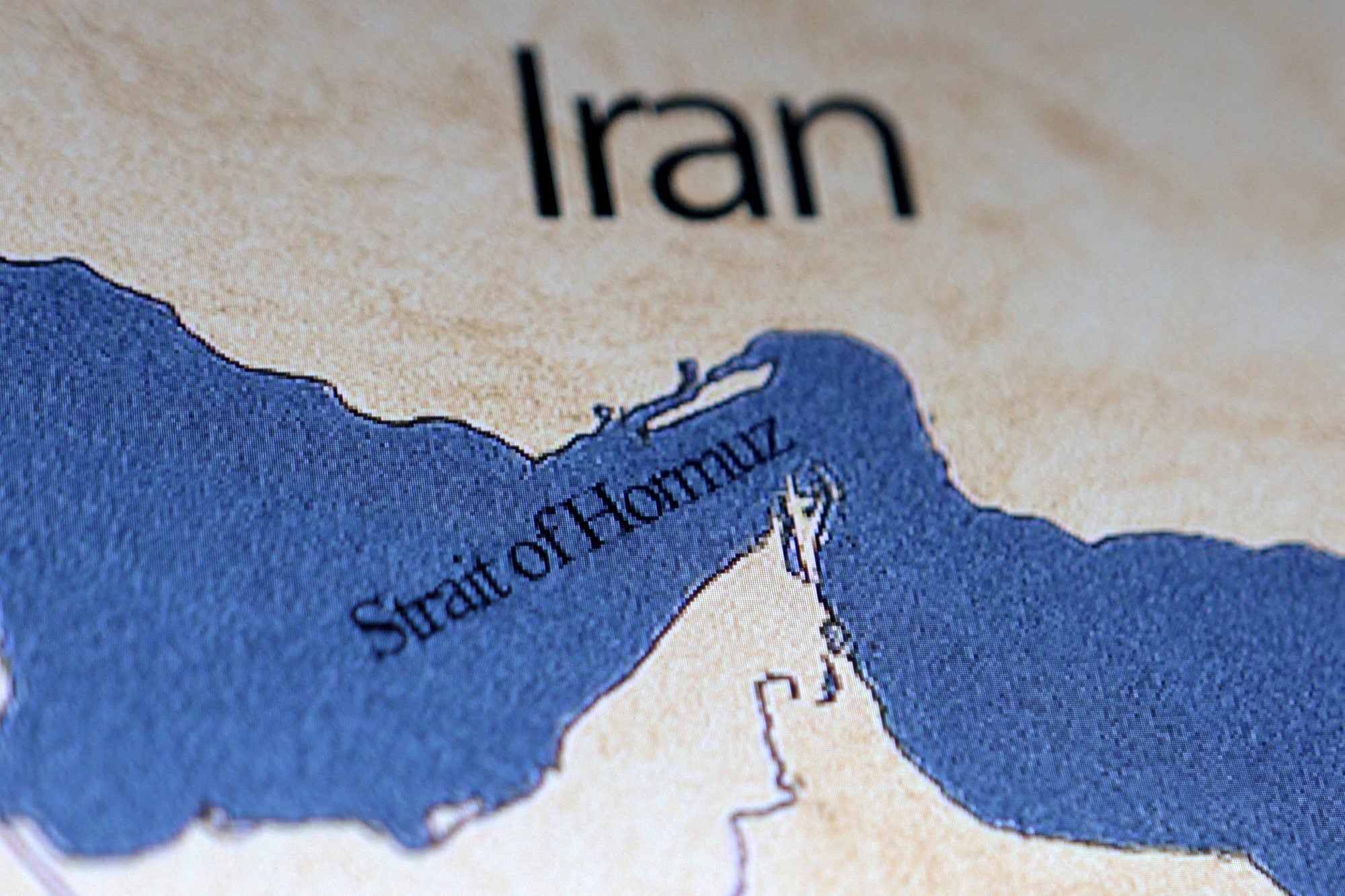
The warning zone, covering the Middle East Gulf, Gulf of Oman, North Arabian Sea, and Strait of Hormuz, came with an unusual admission from U.S. Navy Central Command: it could not guarantee the safety of neutral or merchant shipping within the area. Merchant vessels were advised to maintain a distance of at least 30 nautical miles from any naval vessel operating in what the Pentagon has designated “Operation Epic Fury.“
“The US/Israeli attack on Iran dramatically increases the security risk to ships operating in the Persian Gulf and adjacent waters,” warned Jakob Larsen, chief safety and security officer at shipping association BIMCO, in an interview with Lloyds List.
The strikes, which targeted Iranian leadership according to Reuters, prompted an immediate response from Tehran, which launched missiles toward Israel. Smoke was reported rising over Manama, Bahrain, following what were described as Iranian missile attacks, a stark indication that the conflict has already spread beyond the immediate combatants to affect neighboring Gulf states.
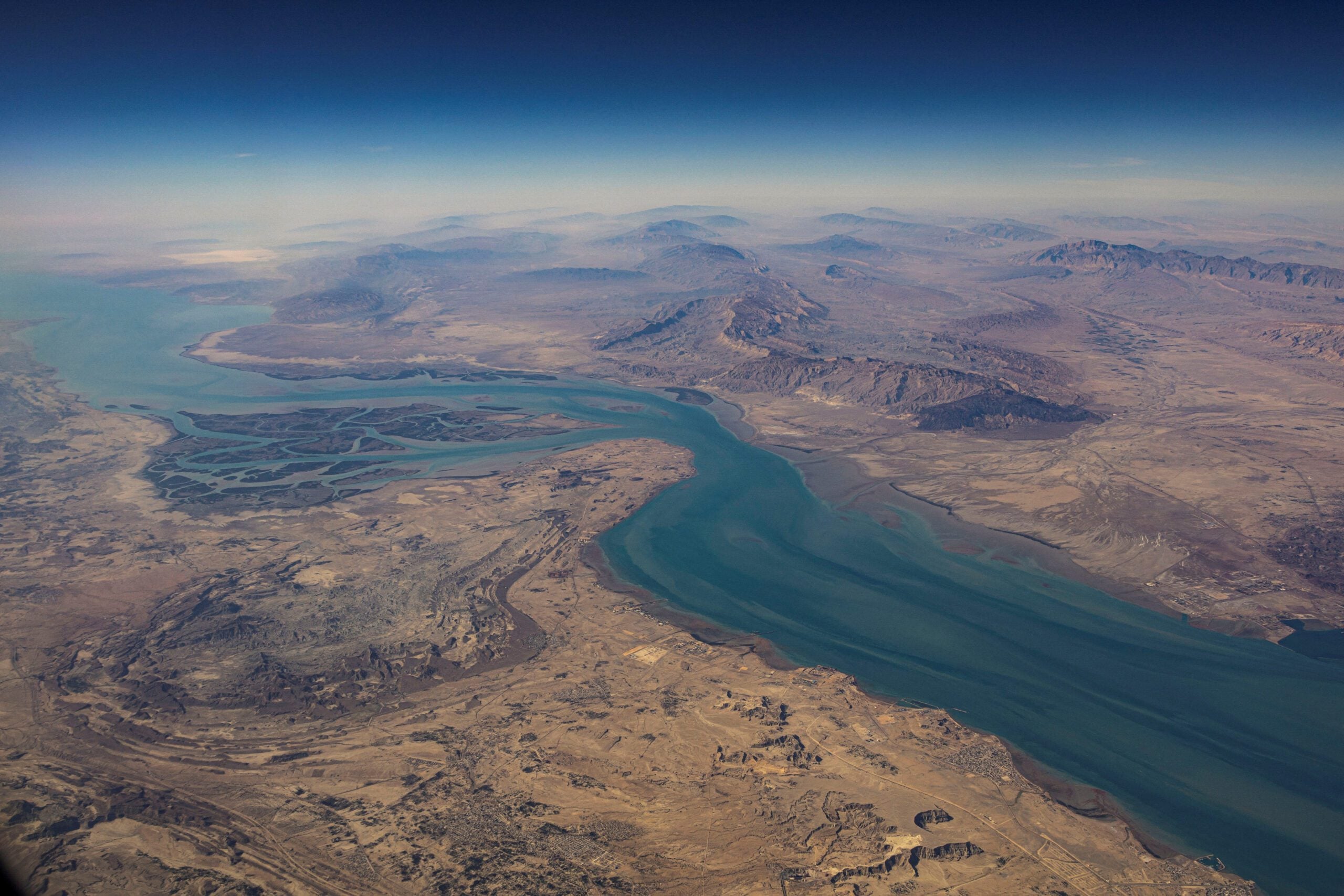
Some oil majors and top trading houses suspended tabnker shipments via the Strait of Hormuz on Saturday. The strait carries approximately 21 million barrels of oil daily from Iran, Iraq, Kuwait, Saudi Arabia, and the United Arab Emirates—making any disruption a potential shock to global energy supplies.
“It is very tricky,” a senior energy trader told the Financial Times. “Targeted attacks could result in chaos.”
Critical Infrastructure at Risk
Explosions were heard near Iran’s Kharg Island, according to Reuters reports cited by Lloyd’s List. The facility is Iran’s single most important energy asset—90 percent of the country’s crude oil exports flow through the terminal, located 15 miles offshore in deeper Gulf waters. In recent days, the terminal had stepped up exports and drained its crude inventories, suggesting Iran may have anticipated the strikes.
Kharg Island is Iran’s jugular.
80-90% of Iran’s crude exports flow through this supertanker terminal in the Persian Gulf. No Kharg, no oil revenue. No oil revenue, no regime. Every war plan, every sanctions package, every naval deployment in the Gulf orbits this one fact. https://t.co/E0mVmlC9eapic.twitter.com/mRuT3gTY1s
Iran pumped 3.45 million barrels per day in January, according to the International Energy Agency—less than 3 percent of global supply. However, the country holds the world’s fourth-largest proven crude reserves, and almost all of its exports flow to China, where Iranian crude accounts for roughly 13 percent of seaborne oil imports, according to energy data firm Kpler.
European Response
Greece’s Ministry of Maritime Affairs and Insular Policy issued an urgent advisory on Saturday directing all Greek-flagged vessels to exercise maximum vigilance and avoid key shipping lanes. The European Union is withdrawing non-essential personnel from the region, while the EU’s Aspides naval mission has been placed on high alert in the Red Sea.
EU foreign policy chief Kaja Kallas described the situation as “perilous.” In a statement, the Aspides mission warned shipping to “stay vigilant and be aware that attacks against all shipping can’t be excluded.”
Tanker owners association Intertanko issued an urgent advisory warning that Houthi militants—Iran-backed forces that have previously targeted Red Sea shipping—may recommence attacks on commercial vessels. There are also concerns that Iranian forces could seize ships with American or Israeli commercial interests.
Houthis Signal Renewed Red Sea Shipping Attacks After U.S.–Israeli Strikes on Iran https://t.co/1RH1f1KM2p
Multiple advisories warned that jamming and spoofing of satellite navigation systems is likely throughout the warning zone, adding another layer of danger for commercial vessels attempting to transit the area.
Market Impact
Brent crude rose as much as 3 percent on Friday to touch a seven-month high of $73 a barrel as expectations of conflict mounted. Oil prices have climbed nearly 12 percent over the past month and are up $10 per barrel since the start of the year. Oil tanker stocks, like crude oil transporter International Seaways (INSW), have climbed to highs not seen since before COVID.
“Oil prices are likely to remain elevated as production and passage remain prone to attacks and disruptions,” Vishnu Varathan, head of macro research for Asia ex-Japan at Mizuho, told Reuters. “OPEC may be under pressure to raise production to try and offset.”
Members of OPEC are scheduled to meet on Sunday to discuss April production levels, with analysts expecting an increase of 137,000 barrels per day. Markets will not reopen until Monday, when the full impact of the weekend’s events will be reflected in trading.
Historical Context
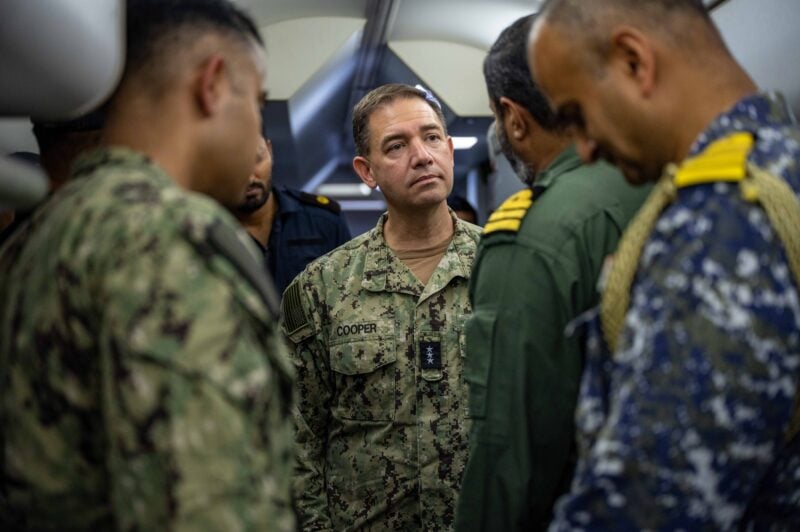
Admiral Brad Cooper, commander of U.S. Forces in the Middle East, speaks with crew members assigned to Indian Naval Air Squadron 316 aboard an Indian Navy P-8I maritime patrol aircraft in Muharraq, Bahrain, May 25, 2023. (U.S. Navy photo by Naomi Johnson)
The strikes follow a pattern established during last year’s 12-day conflict between Iran, Israel, and the United States. During that engagement, Israel attacked Iran’s fuel depots but steered away from other energy infrastructure. Each jump in oil prices during that brief war was followed by a sell-off once hostilities paused.
Iran has repeatedly threatened to close the Strait of Hormuz and laid mines across the waterway during the 1980s Iran-Iraq war. Years of U.S. sanctions have reduced Iran’s share of global oil supply, but the country remains a significant player in regional energy flows.
“The regime is hanging by a thread and if you added a cessation of oil exports, it would be a huge blow,” said Dan Marks, a research fellow in energy security at the Royal United Services Institute.
Iran is sending out warnings on VHF announcing the banning of all ships from the Strait of Hormuz.
— Sal Mercogliano (WGOW Shipping) ???????? (@mercoglianos) February 28, 2026
“Last year’s Red Sea disruptions provide some background for interpreting current energy risk,” said a senior US Navy officer gCaptain interviewed. “The more immediate systemic impact may emerge in freight markets and war-risk insurance rather than in export volumes. Previous regional disruptions increased tanker transit distances and insurance costs without materially reducing Gulf output, suggesting that price volatility may precede any measurable supply shortfall.”
Critical questions remain unanswered as the situation develops. The full extent of damage from the U.S.-Israeli strikes has not been disclosed, nor have casualty figures been released. It remains unclear whether Kharg Island’s terminal infrastructure was directly targeted or damaged and how bad the damage to the US Navy’s base in Bahrain is. Perhaps most significantly for global energy markets, Iran has not indicated whether it will be able to close the Strait of Hormuz, a threat it has made repeatedly over the years but never fully executed. While Iran possesses naval mines and has threatened to close the Strait in previous crises, sustaining a prolonged shutdown would likely require repeated mining or missile operations under conditions contested by U.S. Naval forces. The scale of any Houthi retaliation against commercial shipping is also unknown, as is the duration of the maritime warning zone now in effect across the Gulf region.
As the conflict in the Gulf widens, maritime insurance premiums for war coverage are surging -- in some cases by more than 1000% -- dramatically driving up the cost of moving energy through a critical maritime corridor.
Iran conflict has transformed container shipping from overcapacity concerns to a sudden supply crunch, with 750 ships trapped and insurers refusing coverage. Industry leaders at TPM conference warn of pandemic-style disruptions returning.
London's marine insurance market has expanded the Gulf high-risk zone to include Bahrain, Djibouti, Kuwait, Oman and Qatar as the Middle East conflict escalates. War risk premiums have surged fivefold following U.S.-Israel airstrikes on Iran, adding hundreds of thousands in costs per shipment.
March 3, 2026
Total Views: 780
Get The Industry’s Go-To News
Subscribe to gCaptain Daily and stay informed with the latest global maritime and offshore news
— just like 107,352 professionals
Secure Your Spot
on the gCaptain Crew
Stay informed with the latest maritime and offshore news, delivered daily straight to your inbox
— trusted by our 107,352 members
Your Gateway to the Maritime World!
Essential news coupled with the finest maritime content sourced from across the globe.

 Join The Club