Don’t Miss Your Daily Briefing for the Maritime Industry
Join the leading maritime news network
— trusted by our 107,340 members
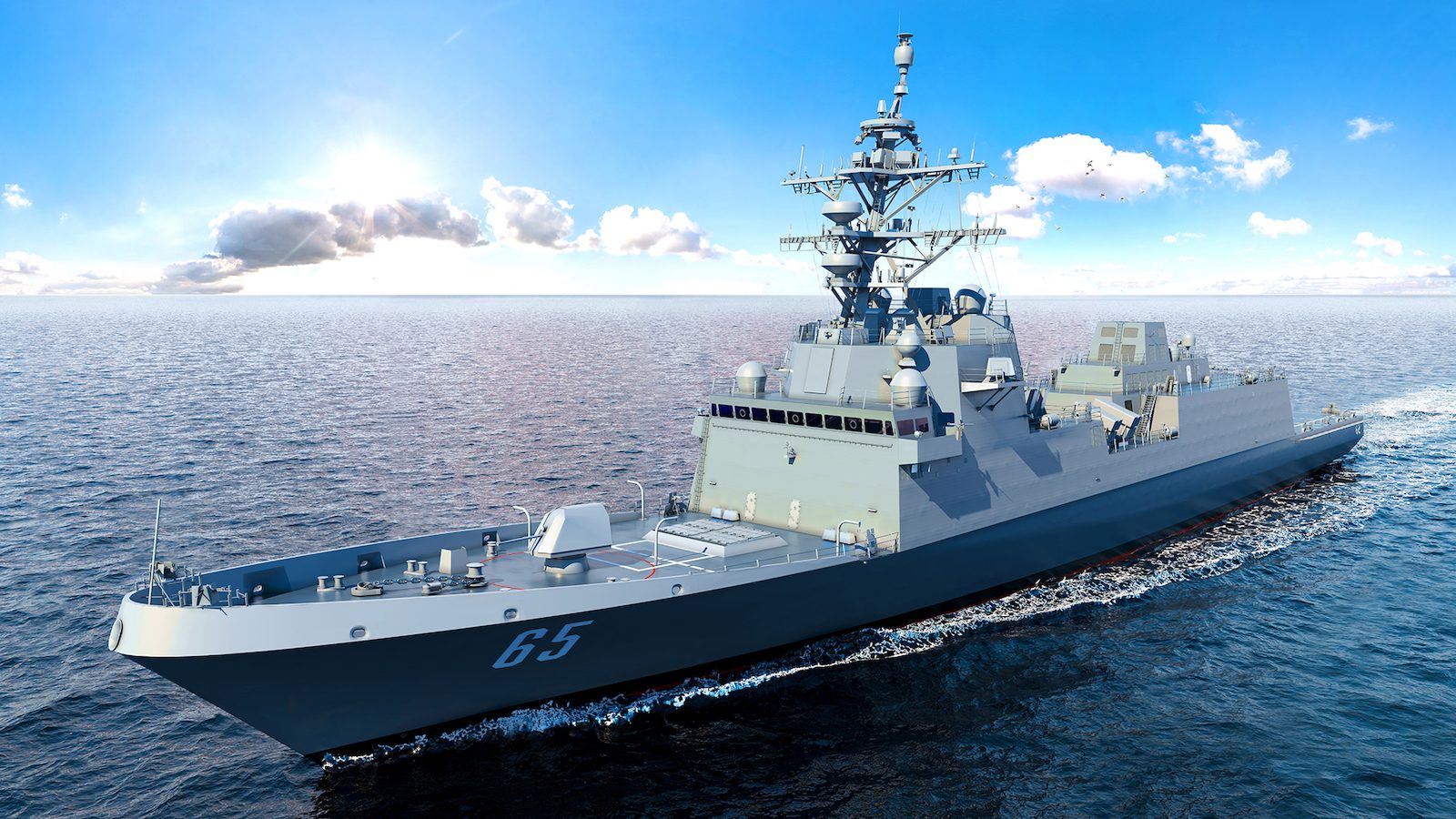
Graphic rendering of the future USS Lafayette (FFG 65), named in honor of Marquis de Lafayette and his service during the American Revolutionary War. USS Lafayette is the fourth of the new Constellation-class frigates, scheduled to commission in 2029. U.S. Navy image
Navy Cuts Constellation-Class Frigate Program Short as Shipbuilding Delays Mount
The U.S. Navy announced Tuesday it is terminating four ships from its troubled Constellation-class frigate program before construction begins, marking a significant strategic shift as the service grapples with mounting delays and seeks faster alternatives for fleet expansion.
Secretary of the Navy John Phelan revealed the decision on social media, stating that while the first two frigates—Constellation (FFG-62) and Congress (FFG-63)—will proceed to completion at Fincantieri Marinette Marine’s Wisconsin shipyard, the Navy has reached a “comprehensive framework” with the Italian-owned contractor to cancel the next four planned vessels in the class.
“We are reshaping how the Navy builds its fleet. Today, I can announce the first public action is a strategic shift away from the Constellation-class frigate program,” Phelan said in his statement. “The Navy and our industry partners have reached a comprehensive framework that terminates, for the Navy’s convenience, the last four ships of the class, which have not begun construction.”
The announcement comes as the program faces severe schedule challenges. The lead ship, originally slated for delivery in April 2026, is now expected three years later in April 2029—a 36-month delay that has raised concerns about the Navy’s ability to execute its modernization plans.
In response to the Navy’s announcement, Fincantieri Marine Group emphasized that the agreement represents a reshaping of the Constellation-class program to better support the evolving needs of the U.S. Navy, while strengthening their strategic partnership.
The agreement provides continuity of work for the two Constellation-class frigates currently under construction and discontinues the contract for the four other frigates already under contract. Crucially, Fincantieri stated that the Navy will indemnify the company on existing economic commitments and industrial impacts through measures provided as a result of the contractual decision made for the Navy’s convenience.
Looking forward, Fincantieri says it expects to receive new orders to deliver classes of vessels in segments that serve the immediate interests of the nation, including amphibious, icebreaking, and other special missions vessels. The company also stated it will support the U.S. Navy as it redefines strategic choices in the Small Surface Combatants segment, both manned and unmanned.
George Moutafis, CEO of Fincantieri Marine Group, commented: “The agreement reached with the U.S. Navy marks a new chapter in our strategic partnership, built on mutual trust, a shared vision and commitment to excellence. The path forward defined on the Constellation-class program provides for the necessary stability for our teams and the entire Wisconsin System of Yards, allowing us to continue investing in innovation and skills.”
Impact on Workforce and Facilities
The timing presents a complicated picture for Fincantieri Marine Group, which earlier this year celebrated what CEO George Moutafis described as “a U.S. shipbuilding renaissance.” The company added more than 600 workers to its U.S. operations between February and September 2025, bringing total employment to over 2,300 skilled workers across four shipyards. According to the company’s latest statement, it currently employs approximately 3,750 highly skilled workers in the United States, having recently increased its workforce by 850 workers.
The company emphasized that the new arrangement guarantees continuity and workload visibility for its personnel and the Wisconsin System of Yards—which includes facilities in Marinette, Green Bay, Sturgeon Bay, and Jacksonville. Over the past years, Fincantieri has invested more than $800 million in its four U.S. shipyards with the aim of ensuring maximum production efficiency, flexibility, and technological innovation.
The workforce expansion followed President Trump's April 9, 2025 executive order "Restoring America's Maritime Dominance," which aimed to revitalize domestic shipbuilding capacity amid growing concerns about China's dominance in global shipping.
Program Background and Challenges
A May 2024 Government Accountability Office report identified fundamental problems with the Constellation program's approach, noting that the Navy's decision to begin construction before completing the ship design was "inconsistent with leading ship design practices." The report warned that design delays had created "mounting construction delays" and that proceeding with the second frigate without addressing these issues risked "repeating the same errors."
These challenges mirror those faced by the U.S. Coast Guard's Polar Security Cutter (PSC) and Offshore Patrol Cutter programs. The GAO identified starting construction before completing designs as a key shortcoming in both programs.
The Navy originally planned to procure at least 20 Constellation-class frigates, with six already contracted through fiscal year 2024. The service's FY2025 budget requested $1.2 billion for a seventh ship, with plans for six additional vessels through 2029.
Fincantieri was awarded a fixed-price incentive contract for design and construction of up to 10 ships in the program. The company's U.S. portfolio also includes Littoral Combat Ships and various Coast Guard vessels, including icebreakers and response vessels.
The program cutback signals broader challenges facing U.S. naval shipbuilding as the service attempts to expand its fleet while managing cost overruns and schedule delays across multiple programs. Congressional oversight concerns have included cost growth potential, the timing of introducing a second shipyard, and overall technical risk in the program.
The termination of the four Constellation-class frigates also marks the latest federal shipbuilding program cancelled or significantly altered by the Trump Administration. Earlier decisions include scrapping the U.S. Coast Guard's planned eleventh Legend-class National Security Cutter at Huntington Ingalls and the partial shutdown of the troubled Offshore Patrol Cutter program at Eastern Shipbuilding, where construction of OPCs 3 and 4 was terminated amid years-long delays and escalating costs. Together, these decisions reveal a growing pattern of cutbacks across multiple maritime programs—even as U.S. naval and Coast Guard leaders warn that the nation's shipyards and industrial base already lag far behind China's.
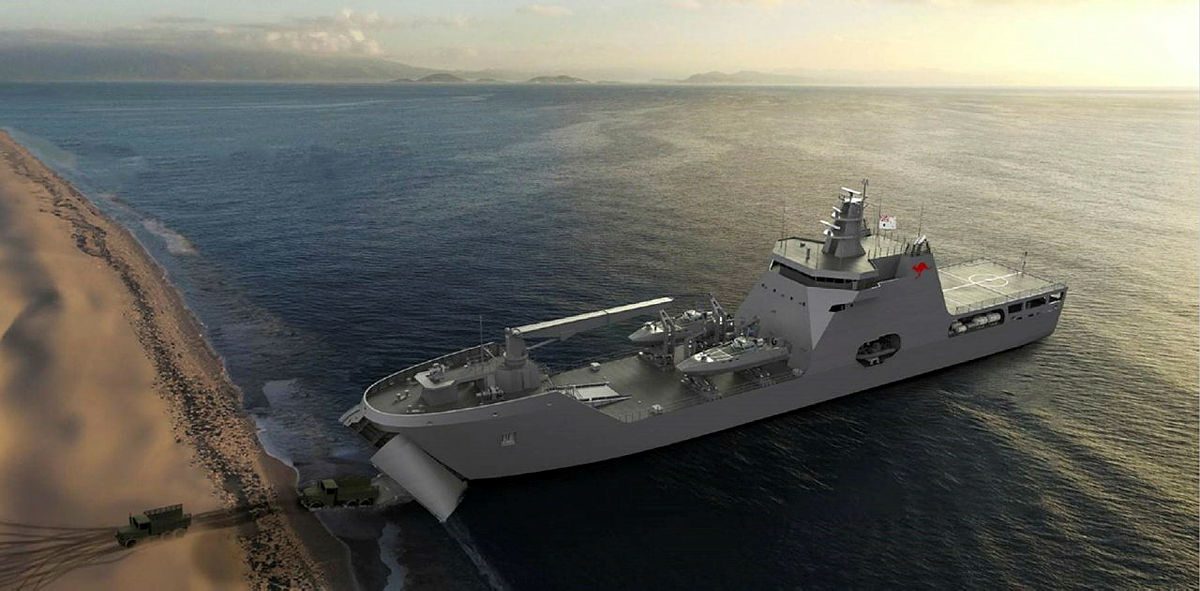
The U.S. Navy has issued a Request for Proposal for a Vessel Construction Manager (VCM) to oversee production of the Medium Landing Ship, marking a significant departure from traditional shipbuilding...
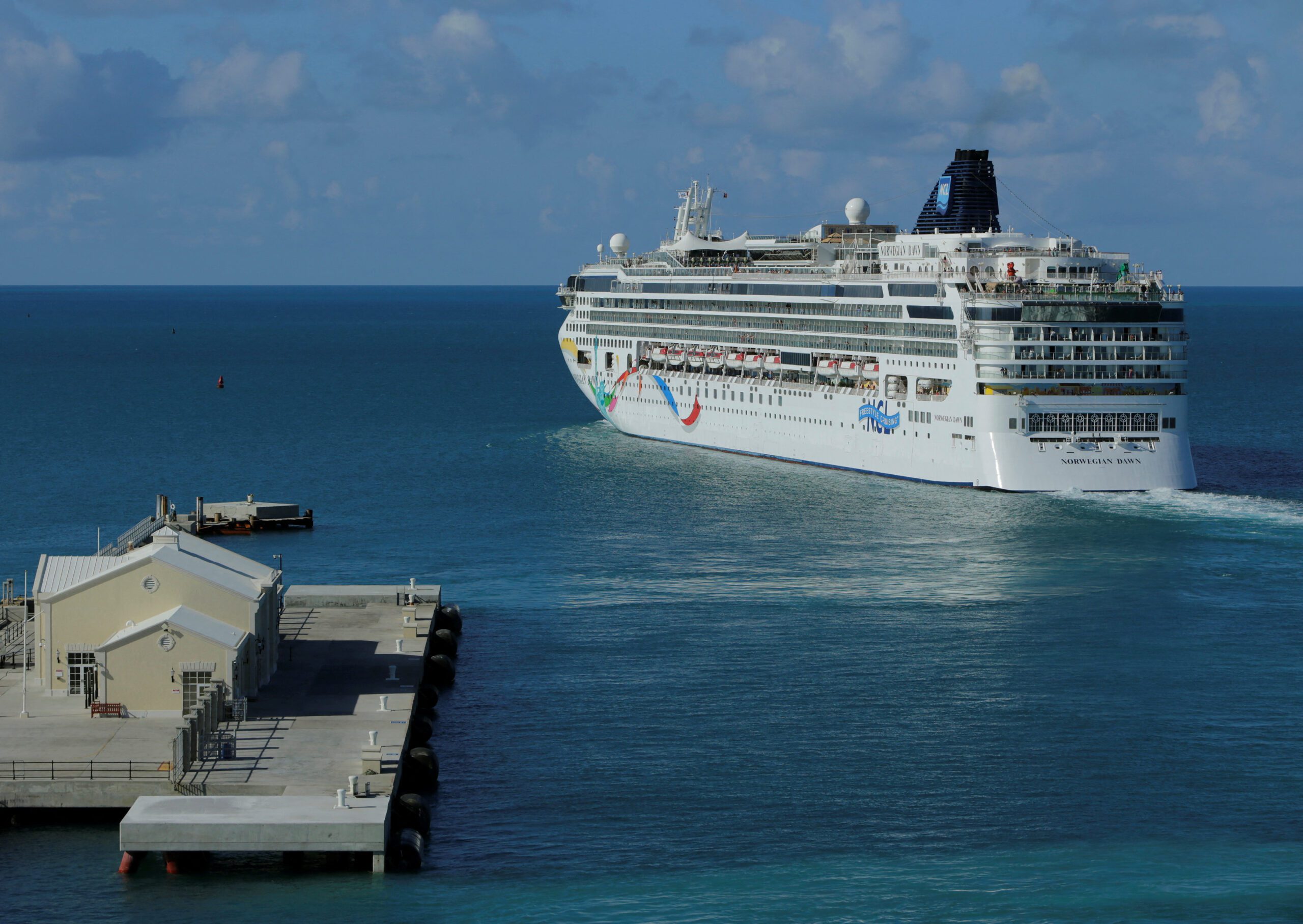
Norwegian Cruise Line Holdings has ordered three new cruise ships from Fincantieri—one each for Norwegian Cruise Line, Oceania Cruises, and Regent Seven Seas Cruises—with deliveries scheduled for 2036–2037. The deal secures valuable European shipyard capacity through 2037 and brings NCLH’s total orderbook to 17 vessels, supporting a projected 4% annual capacity growth through the next decade.
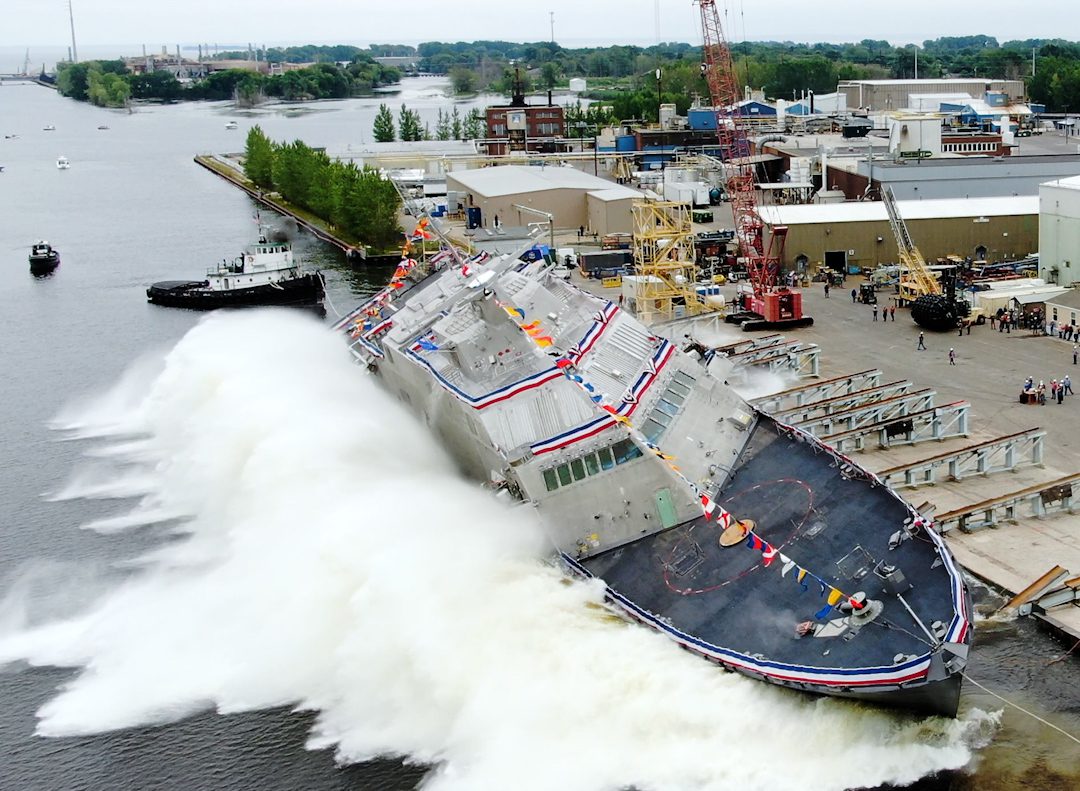
Fincantieri Marinette Marine has appointed Kenneth J. Braithwaite, the 77th Secretary of the Navy and former U.S. ambassador to Norway, as Chairman of its Board of Directors, bringing decades of...
December 22, 2025
Total Views: 8896
Get The Industry’s Go-To News
Subscribe to gCaptain Daily and stay informed with the latest global maritime and offshore news
— just like 107,340 professionals
Secure Your Spot
on the gCaptain Crew
Stay informed with the latest maritime and offshore news, delivered daily straight to your inbox
— trusted by our 107,340 members
Your Gateway to the Maritime World!
Essential news coupled with the finest maritime content sourced from across the globe.

 Join The Club