gCaptain made an unscheduled stop this week at the Maritime Security Expo in Long Beach. The event showcases new technology and ideas that improve the security of ports and vessels. The following is a sampling of the best new technology we tested at the event:
Incident Commanders’ Radio Interface
The Incident Commander’s Radio Interface is a system developed by C-AT to allow ‘bridges’ any two incompatible radio, cell, satellite, and landline phones, providing interoperability across frequencies. Developed to allow firefighters, police and other first responders to communicate together this device also has many uses aboard ship.
Having worked aboard a offshore drillship there were times, like during well testing, when half a dozen or more third party companies were working on deck. Each company operated a different type of radio broadcasting on a separate channel. This worked well during normal operations but during emergencies communication with these teams of workers became difficult.
How does it work?
After the emergency bells ring a representative for each party would bring a radio to the brige. The watchkeeper would plug each radio into the device and suddenly all radios in range can talk to each other!
The ICRI has one more killer feature… it serves as a repeater! The long cord on the wheel pictured above allows you to bring the unit deep within the hull of your ship but still maintain communication with the bridge.
ADASHI 3.0
.
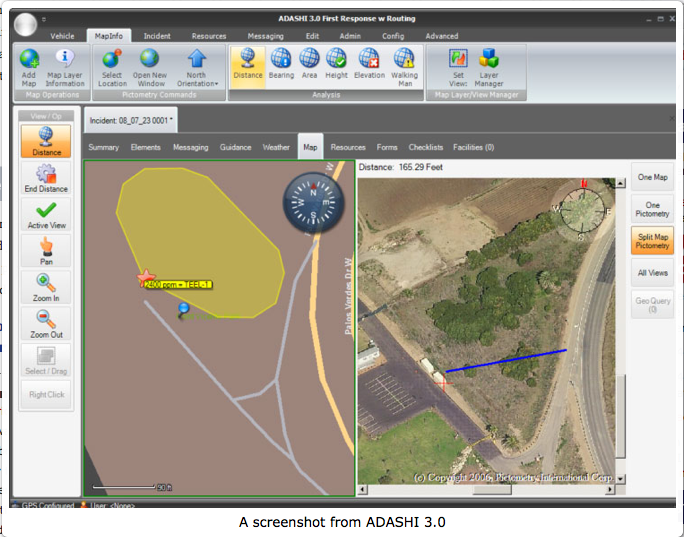
ADASHI stands for Automated Decision Aid System for Hazardous Incidents. James Genovese and a team of scientists at the U.S. Army Edgewood Chemical and Biological Research Center invented the ADASHI technology in 1999. The system is used to track assets and give emergency personel access to critical information like MSDS sheets, available emergency resources, sensor data…
Today this system can be used by shoreside emergency teams at your company’s headquarters to help direct response to a maritime incident but, as part of a custom solution, the software can be adapted to provide a vessel’s master to monitor both external and internal information during an emergency. The system is powerfull because it’s simple to use and touch screen. Information is displayed on an easy to learn menu screen that’s adaptable for many purposes.
VideoRay – MicroROV
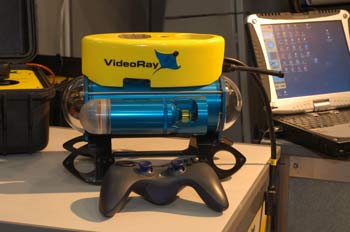
The Coast Guard arrived at the event with a few trailers full of gear but he most impressive unit had on display was a VideoRay MicroROV. What’s amazing about this miniture underwater surveliance unit? The amazingly small form factor coupled with solid performance. How portable? One person can transport the tiny 8-pound sub, control box and tether. The Scout system weighs less than 70 pounds and packs neatly in one rolling Pelican case. All other systems fit in two Pelican cases that can be transported in a car trunk or helicopter, or checked as airline baggage.
Despite it’s size this video shows it’s ability to outperform the average ROV:
.
This video shows the picture quality you can expect:
.
LRAD 100 – Now Portable
Our favorite Anti-Piracy device, the LRAD, is now available in a lightweight, handheld device. In the LRAD 100, ATC is utilizing its new advanced higher output technology, which achieves even greater output for a given surface area than previous LRAD technology. The STINGER transducers are applied in a specialized, multi-structural, phased array to maximize the high intensity column of sound that is generated by the handheld device. These high-powered arrays are very efficient using comparatively little electrical power.
Not only is this unit protable but can be purchased for less than $5000 US. This is a steep reduction in price from ATC’s other units and contains the same means of deterence.
If your company has a large budget be sure to look at the LRAD-R, remote operated version. This version consists of an LRAD emitter head, pan/tilt system for precise audio targeting, integrated devices (cameras, infrared sensors, illuminators and other detection/deterrent devices) and an easy to use software control interface. The vision and positioning system allows users to locate, communicate with, and deter specific potential threats from the safety of the bridge.
Yemen's Houthi forces stand ready to strike the Bab al-Mandab Strait in solidarity with Iran, threatening to revive Red Sea shipping chaos. The move could deepen the global oil crisis as the strategic chokepoint controls traffic to the Suez Canal.
As the conflict in the Gulf widens, maritime insurance premiums for war coverage are surging -- in some cases by more than 1000% -- dramatically driving up the cost of moving energy through a critical maritime corridor.
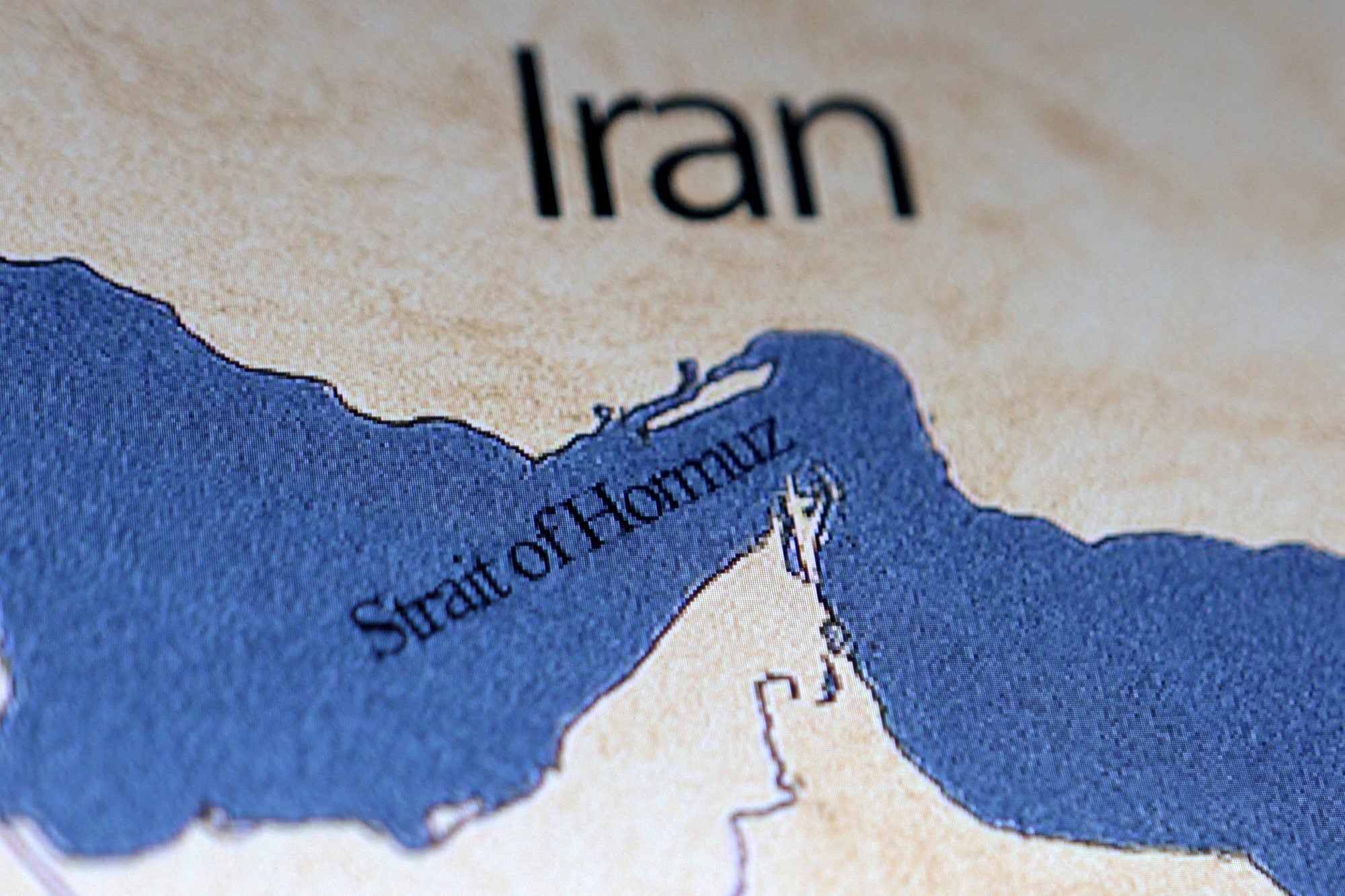
At least 150 tankers dropped anchor in Gulf waters after U.S.-Israel strikes on Iran, with Tehran threatening to close the Strait of Hormuz—a chokepoint for 20% of global oil supplies. U.S. Navy warns of increased naval presence and congestion.
March 1, 2026
Total Views: 1772
Get The Industry’s Go-To News
Subscribe to gCaptain Daily and stay informed with the latest global maritime and offshore news
— just like 107,374 professionals
Secure Your Spot
on the gCaptain Crew
Stay informed with the latest maritime and offshore news, delivered daily straight to your inbox
— trusted by our 107,374 members
Your Gateway to the Maritime World!
Essential news coupled with the finest maritime content sourced from across the globe.

 Join The Club