
 Join The Club



News
How the Houthis are Helping Iran Turn Saudi Arabia Into a Pressure Point
The Houthi attacks on Saudi Arabia are about more than Yemen.
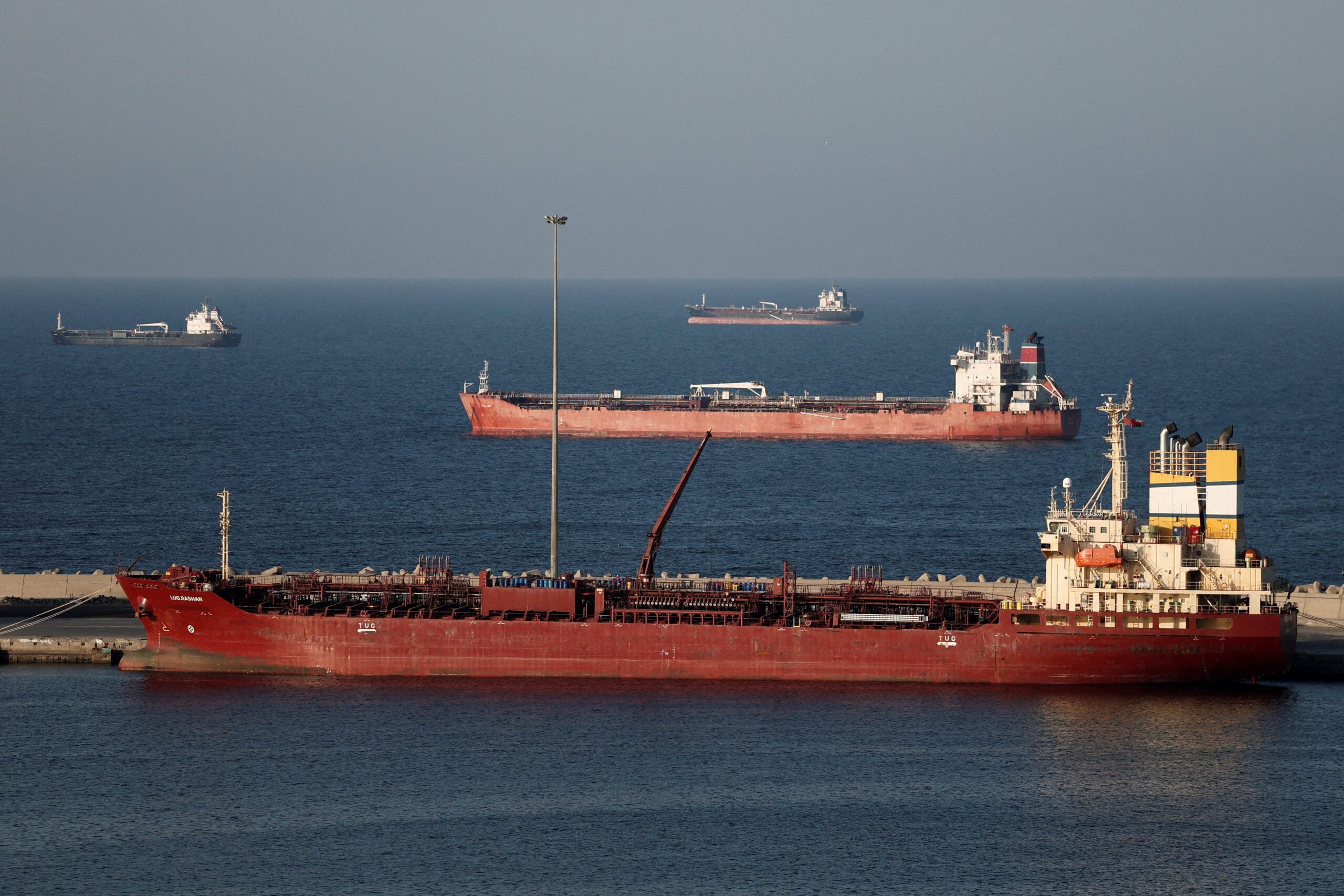
Luojiashan tanker sits anchored in Muscat, as Iran vows to close the Strait of Hormuz, amid the U.S.-Israeli conflict with Iran, in Muscat, Oman, March 7, 2026. REUTERS/Benoit Tessier
Iran has declared the Strait of Hormuz open to commercial shipping following the ceasefire in Lebanon, but the terms of that reopening—and how it interacts with ongoing U.S. enforcement measures—remain unclear.
Foreign Minister Seyed Abbas Araghchi said that “passage for all commercial vessels” through the Strait of Hormuz is “declared completely open” for the remainder of the ceasefire. He added that vessels should transit along a “coordinated route” along Iran’s coastline, already announced by Iran’s Ports and Maritime Organisation.
That reference is understood to point to an Iran’s permission-based corridor, raising immediate questions about how transit will work in practice. It is not yet clear whether vessels will be required to coordinate movements with Iranian authorities or obtain some form of permission to pass through waters under Tehran’s control.
Update: Fresh Attacks Shatter ‘Open Hormuz’ Narrative as Iran Pushes New Maritime Regime
U.S. President Donald Trump welcomed the announcement in a series of social media posts, writing that the “Strait of Iran is fully open and ready for full passage,” an apparent reference to Hormuz.
Oil prices plunged more than 10% on the news.
Shipping Industry Pushes Back on ‘Open’ Hormuz Narrative as Risks Persist
In a follow-up statement, he said the strait is “completely open and ready for business and full passage,” while emphasizing that the U.S. naval blockade would remain “in full force and effect” as it pertains to Iran until a broader deal is completed.
Taken together, the statements highlight a reopening that appears conditional rather than absolute. Iran is signaling that commercial shipping can resume, but along a defined route tied to the ceasefire, while the United States is maintaining pressure on Iranian trade through its blockade.
There is no indication yet how those positions will be reconciled operationally, particularly for vessels with any exposure to Iranian ports, cargoes, or counterparties.
The potential presence of sea mines in traditional Hormuz shipping lanes further clouds any return to normal operations. “Iran, with the help of the U.S.A., has removed, or is removing, all sea mines! Thank you!” President Trump posted.
“Iran has agreed to never close the Strait of Hormuz again. It will no longer be used as a weapon against the World!,” Trump wrote.
The uncertainty is compounded by the latest expansion of the U.S. blockade, which has evolved from a port-focused measure into a global interdiction campaign.
This week’s advisory from the Joint Maritime Information Center (JMIC) confirms U.S. forces will now stop, board, and potentially seize vessels well beyond Iranian waters under the “belligerent right to visit and search,” targeting not only sanctioned ships but also cargo deemed “contraband.” That definition extends far beyond weapons to include crude oil, refined fuels, metals, machinery, and other dual-use goods, effectively placing large portions of Iran-linked trade at risk.
While U.S. officials maintain that transit through the Strait of Hormuz remains open for neutral shipping, vessels may still be hailed, inspected, or diverted.
The lack of clarity extends to how insurers and operators will interpret the risk environment, and whether the waterway will be treated as functionally open or still constrained by security and compliance concerns.
For now, the announcement suggests a shift away from full disruption, but not a return to normal conditions by any means. With the arrangement explicitly linked to the duration of the ceasefire and key details still undefined, the situation in Hormuz remains fluid—and subject to rapid change.

Sign up for gCaptain’s newsletter and never miss an update
Essential maritime and offshore news, insights, and updates delivered daily straight to your inbox
The Houthi attacks on Saudi Arabia are about more than Yemen.
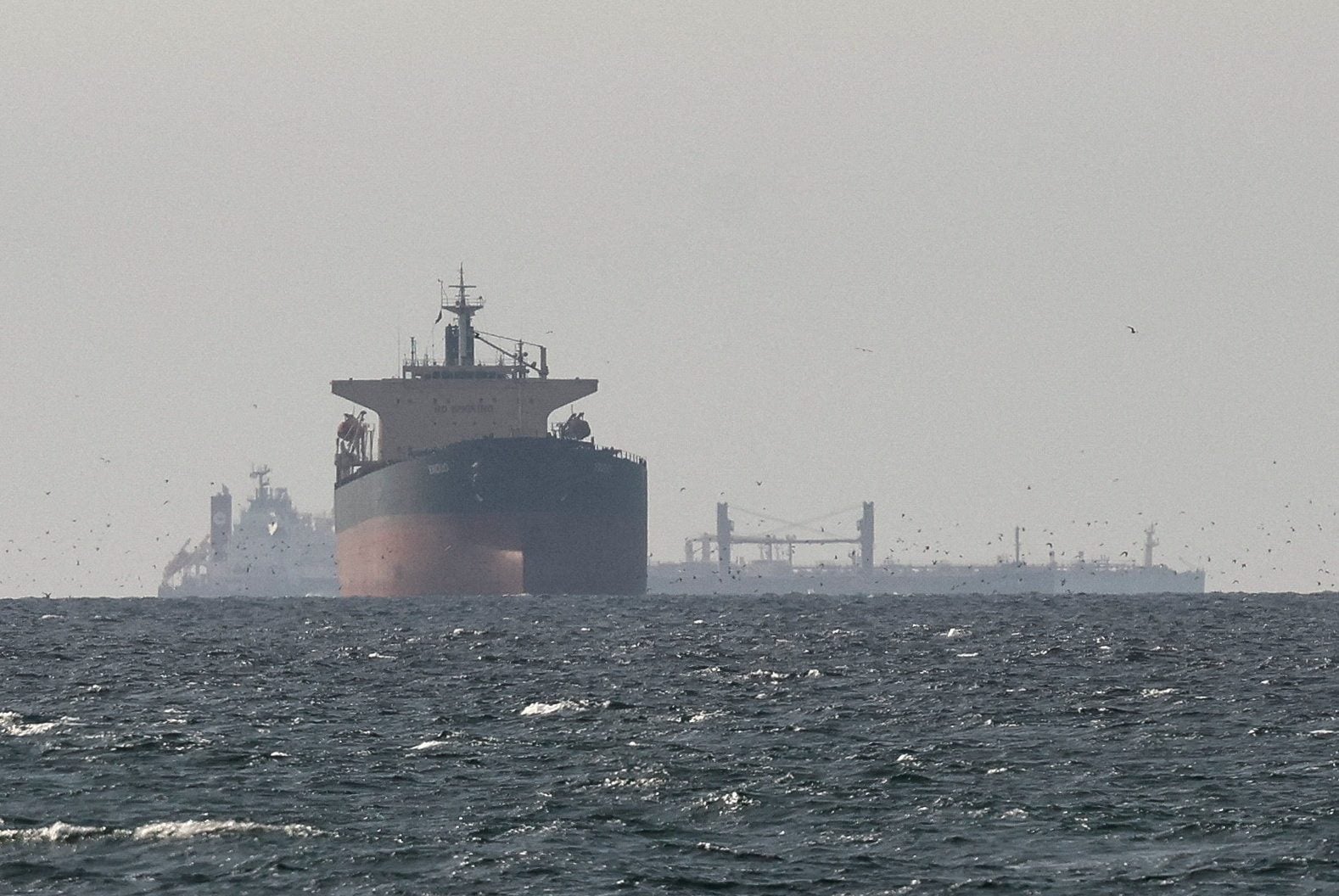
When the oil supertanker Esteem Explorer sails from the United States to Japan in late November, loaded with about 2 million barrels of crude, the journey will cost $81 million. The same journey would have cost $9.1 million last year, on average.
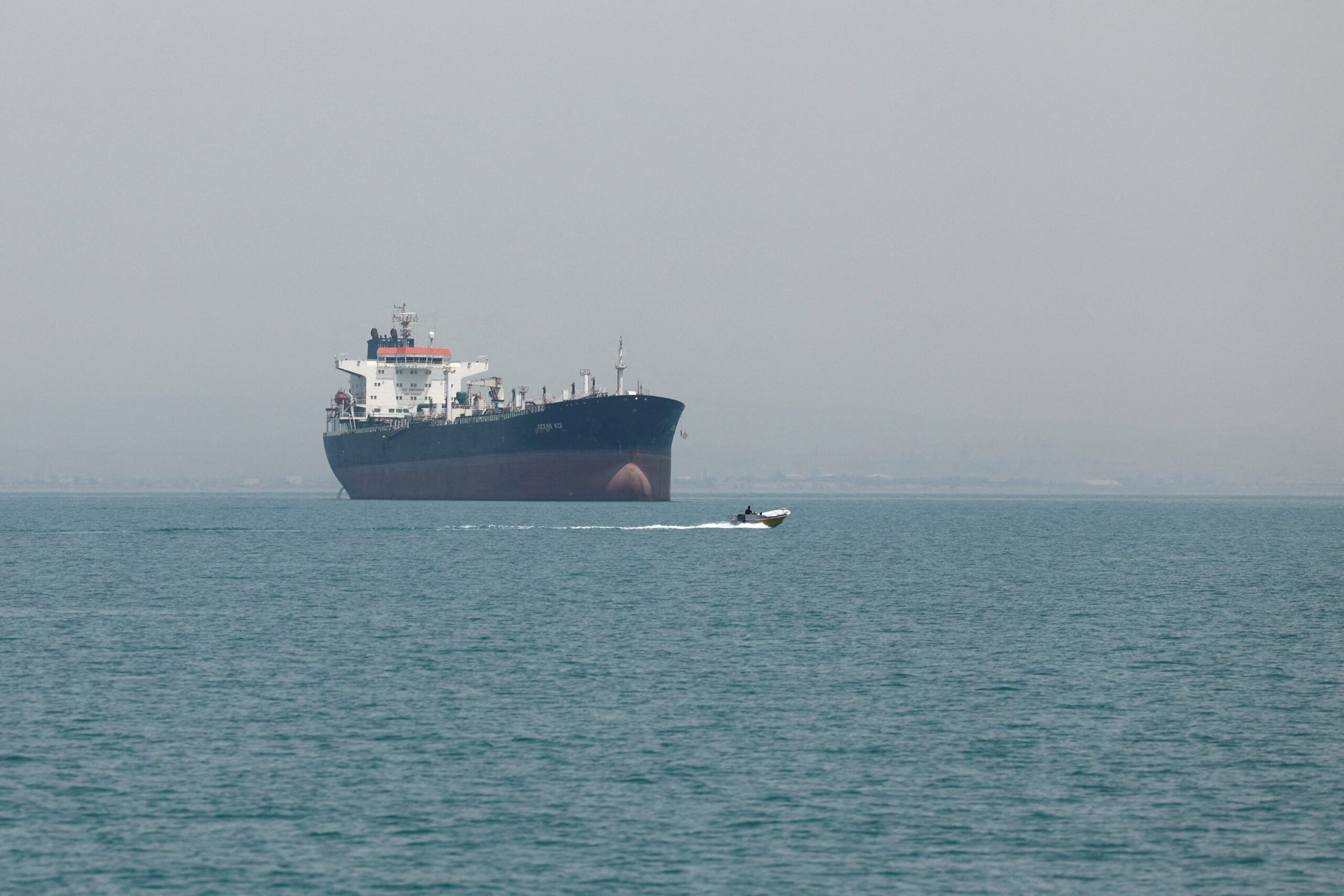
Shipowners are facing an increasingly fragmented fuel market as disruptions triggered by the Middle East conflict raise concerns about the availability and quality of supply.
Subscribe to gCaptain Daily and stay informed with the latest global maritime and offshore news



Essential news coupled with the finest maritime content sourced from across the globe.
Sign Up
