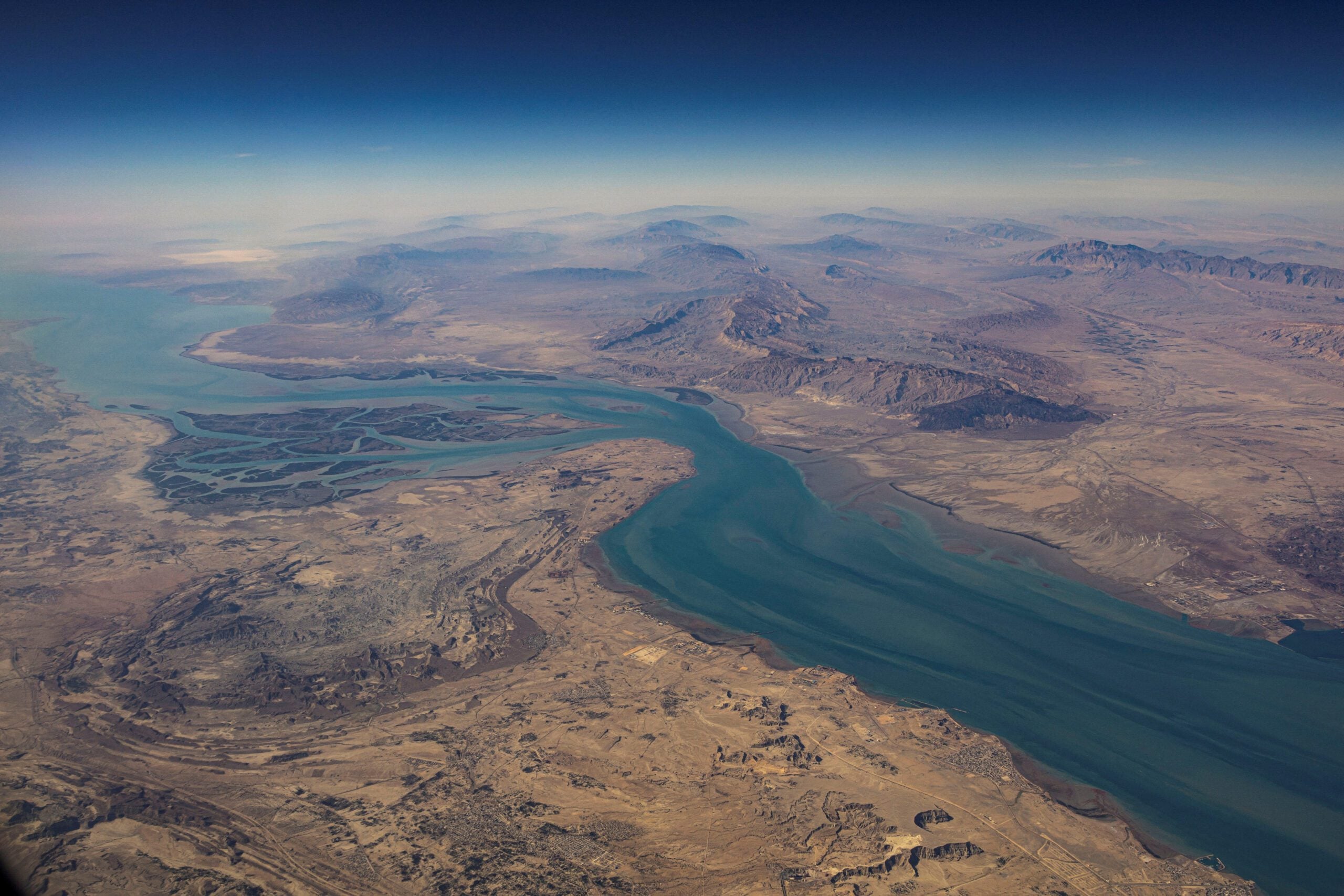
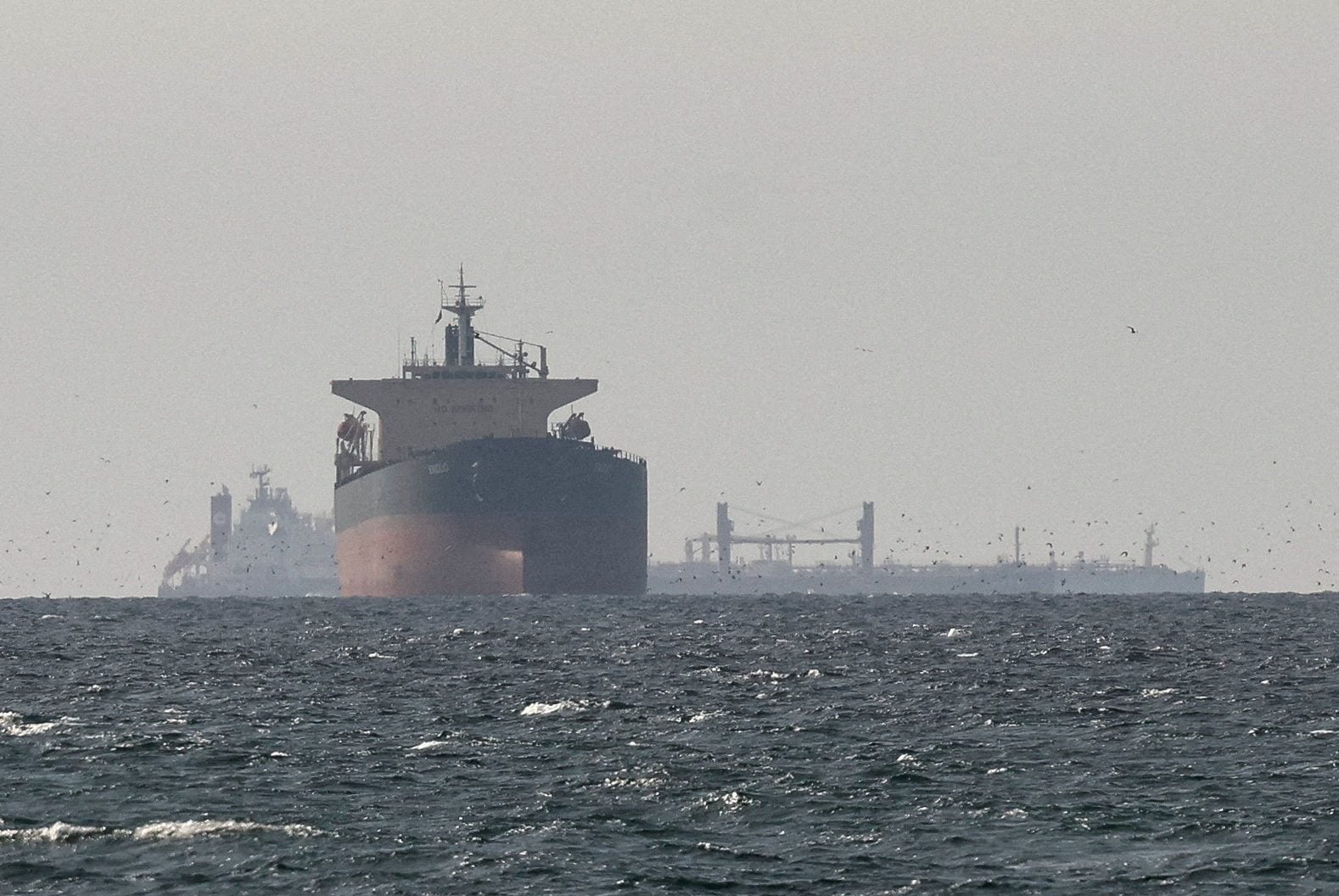
Two Indian liquefied petroleum gas carriers have successfully transited the Strait of Hormuz after receiving rare clearance from Iran, highlighting how the world’s most critical energy shipping corridor is increasingly being shaped by diplomacy rather than routine commercial navigation.
By Paul Morgan (gCaptain) – The vessels, Shivalik and Nanda Devi, both operated by the state-owned Shipping Corporation of India, were allowed to pass through the strait in what maritime analysts describe as an exceptional arrangement amid the ongoing security crisis in the Gulf.
According to reporting by Reuters, Shivalik had already crossed the strait while Nanda Devi was expected to follow shortly afterwards. The ships were carrying liquefied petroleum gas cargoes from the Gulf region destined for India, a country currently grappling with significant pressure on domestic gas supplies.
The successful transit came after a series of high-level diplomatic contacts between New Delhi and Tehran. Indian officials said discussions between the foreign ministers of India and Iran, as well as conversations between senior political leaders, focused heavily on securing safe passage for Indian shipping and ensuring continuity of energy supplies.
India’s dependence on Gulf energy flows gives the passage particular strategic importance. The country consumes more than 30 million tonnes of cooking gas each year, with roughly 60 percent supplied through imports. Around 90 percent of those imports originate in the Middle East, meaning any prolonged disruption to tanker traffic through Hormuz could quickly translate into domestic shortages.
The successful passage of the two vessels therefore represents more than a routine shipping movement. It underscores how access to the strait is increasingly becoming a matter of diplomatic negotiation as tensions in the region escalate.
Since the conflict between Iran and Western forces intensified in late February, commercial shipping activity through the Strait of Hormuz has slowed dramatically. Several merchant vessels have reported projectile strikes, drone attacks or suspicious explosions in recent weeks, prompting shipowners and insurers to treat the waterway as a high-risk operating environment.
Although Iran has not formally closed the strait, officials have signalled that vessels may need to coordinate with Iranian naval authorities when transiting the area. At the same time, Iranian diplomats have insisted that Tehran still respects the principle of freedom of navigation under international law.
For shipowners, that mixture of political messaging and security uncertainty has created a highly unpredictable operating environment. War-risk insurance premiums have surged, and dozens of vessels have delayed voyages or remained anchored outside the Gulf awaiting security updates.
The passage of the Indian tankers appears to have been facilitated by a combination of diplomatic assurances and naval monitoring. Sources cited by Reuters indicated that Shivalik may have transited under escort from the Indian Navy, though the precise details of the arrangement have not been publicly confirmed.
Despite the breakthrough, the wider situation for global shipping remains precarious. Reports suggest that more than twenty Indian-linked vessels remain stranded near the entrance to the strait, while many international operators continue to avoid the region entirely.
For the maritime industry, the episode signals a significant shift in how Hormuz is functioning. Traditionally regarded as a neutral commercial artery governed by international maritime law, the strait is increasingly becoming a strategically contested corridor where access may depend on diplomatic leverage, political relationships and security guarantees.
In the short term, the successful passage of Shivalik and Nanda Devi offers a rare example of shipping traffic moving through the crisis zone. In the longer term, however, it reinforces a troubling new reality for the global maritime economy: passage through the world’s most important energy chokepoint may no longer be routine, but negotiated.
Updated: March 31, 2026 (Originally published March 14, 2026)
Editorial Standards · Corrections · About gCaptain

 Join The Club