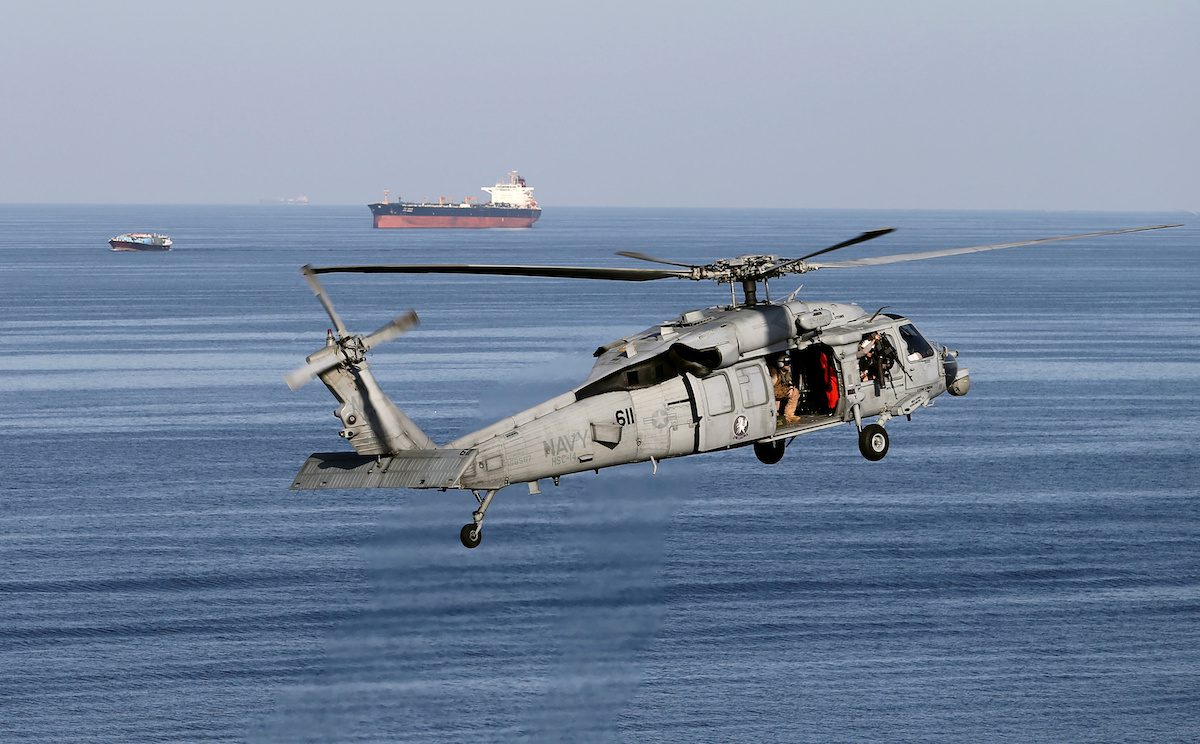
President Donald J. Trump said Saturday that allied nations could deploy warships alongside the United States to help secure the Strait of Hormuz, signaling a potential multinational naval effort to restore shipping through one of the world’s most critical energy corridors.
In a post on Truth Social early Saturday, Trump said countries affected by Iran’s attempted disruption of shipping would send naval forces to operate with the United States.
“Many countries… will be sending war ships, in conjunction with the United States of America, to keep the Strait open and safe,” Trump wrote.
The president mentioned China, France, Japan, South Korea and the United Kingdom as countries affected by the disruption, though no government has publicly confirmed plans to deploy warships to the region in response to the statement.
The White House and U.S. defense officials have not released additional operational details.
Trump also said U.S. forces would continue striking Iranian targets along the Gulf coastline while responding to maritime threats.
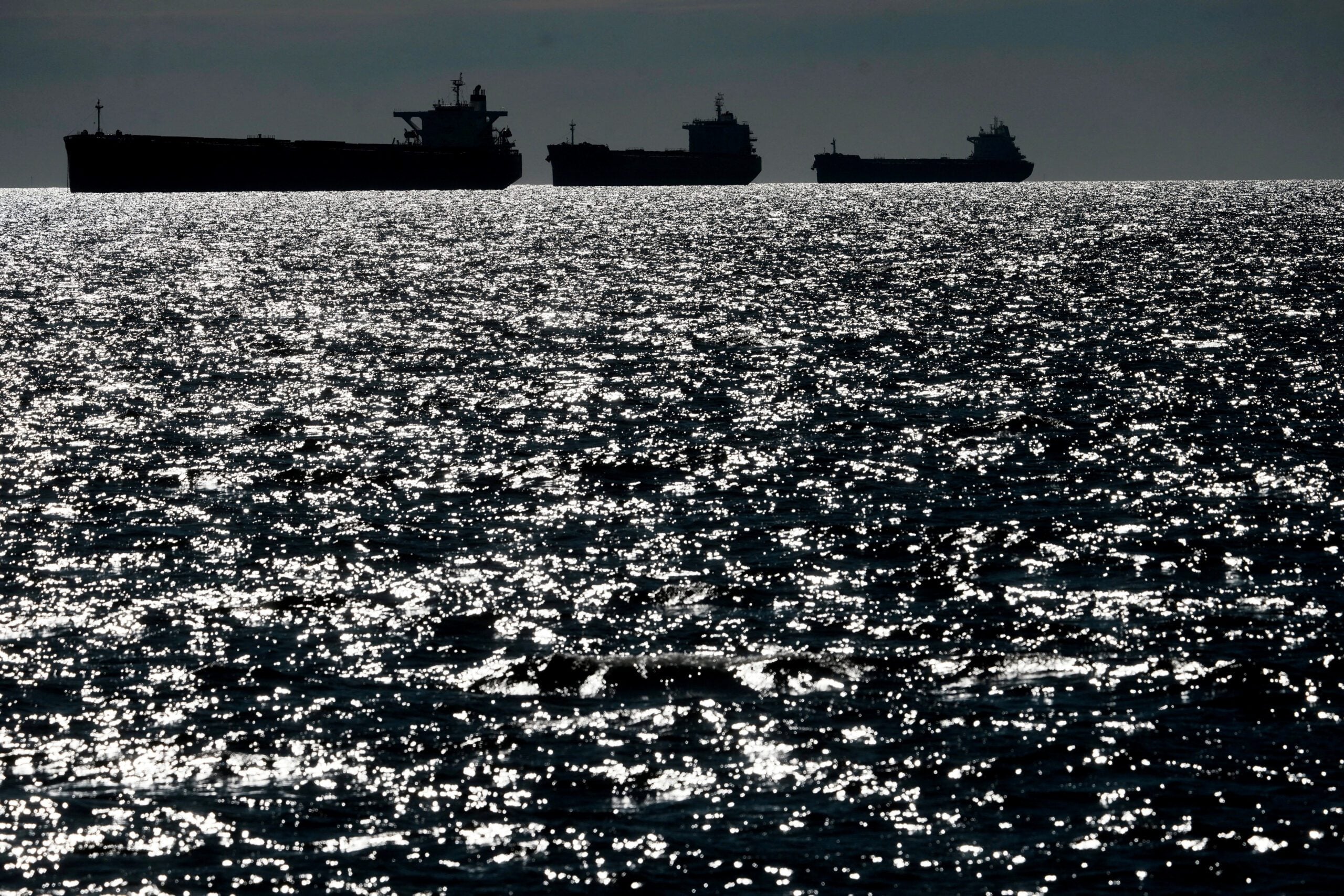
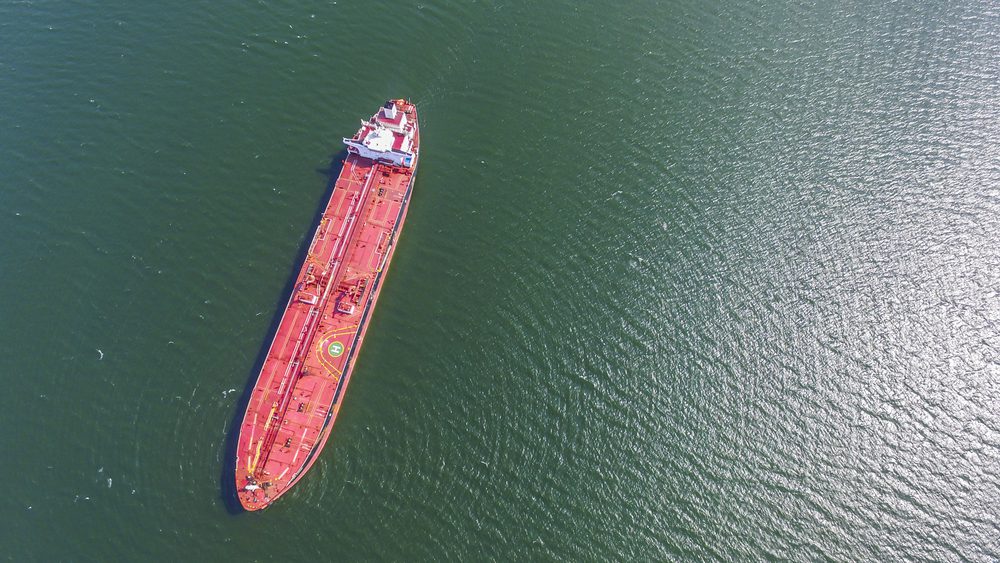
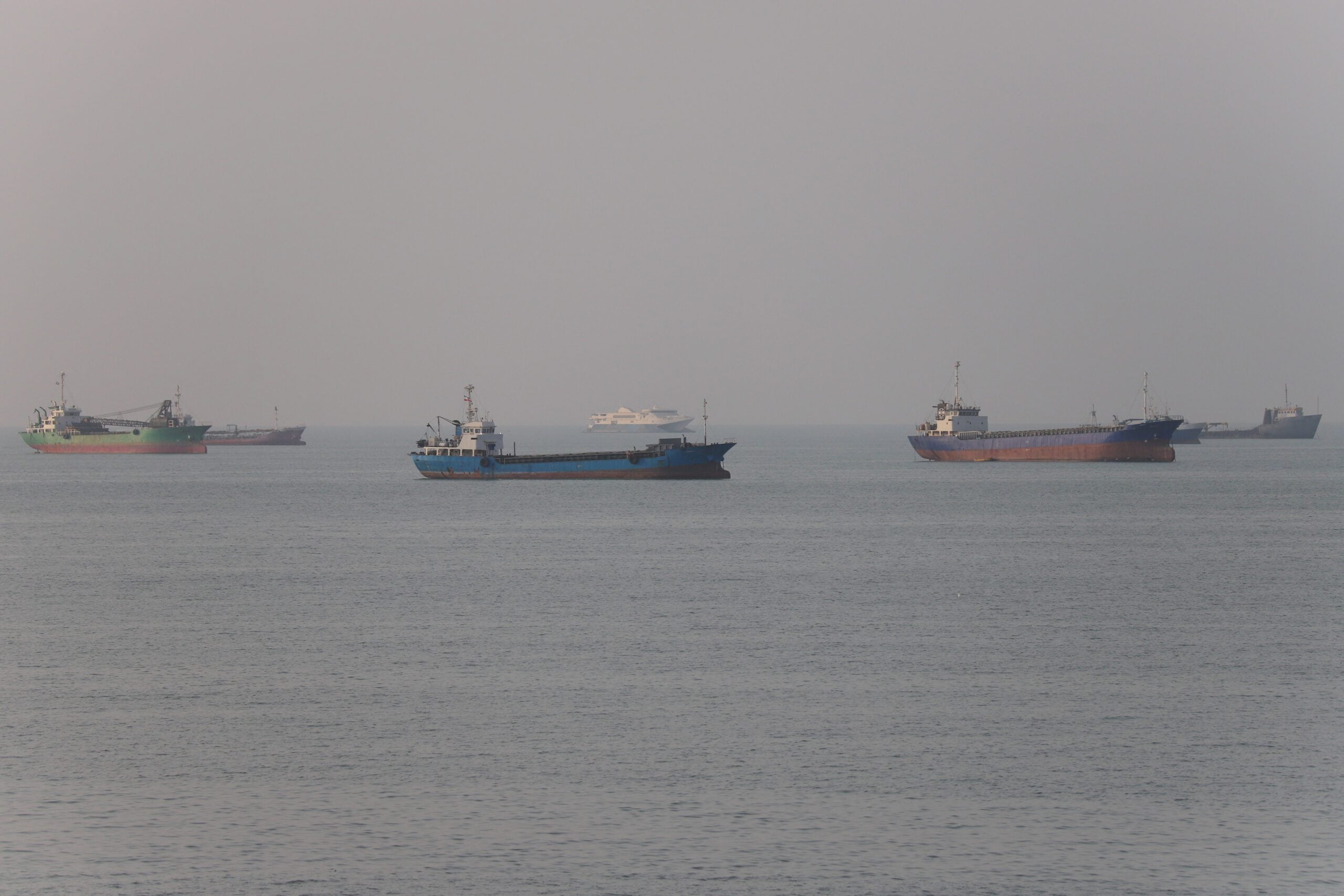
The remarks come as maritime traffic through the Strait of Hormuz remains severely disrupted following weeks of missile, drone, and small-craft attacks on commercial vessels across the Persian Gulf and Gulf of Oman.
Escalating U.S. Strategy in the Gulf
Trump’s comments build on a series of measures announced earlier this month aimed at stabilizing maritime trade through the region.
On March 3, Trump directed the U.S. government to establish a federal political-risk insurance backstop for vessels transiting the Gulf and signaled that U.S. Navy tanker escorts could begin “as soon as possible” if necessary.
The latest remarks also follow a major U.S. strike on Friday against military targets on Kharg Island, Iran’s primary crude export hub.
Trump said the strike destroyed military facilities on the island but that U.S. forces deliberately avoided targeting oil infrastructure. He warned that decision could change if Iran interferes with commercial shipping through Hormuz.
Shipping Through Hormuz Still Paralyzed
The Strait of Hormuz carries roughly one-quarter of global seaborne oil trade, making it one of the most strategically important chokepoints in global shipping.
Despite naval deployments and emergency insurance measures, vessel movements through the waterway have collapsed in recent weeks as shipowners suspend voyages due to escalating security risks.
Industry advisories cite missile strikes, drone attacks, naval mine threats, and persistent GPS interference as key factors driving operators away from the route.
Trump’s call for allied naval participation suggests Washington may be seeking to assemble a broader maritime security presence to stabilize the route and reassure shipping markets.

 Join The Club