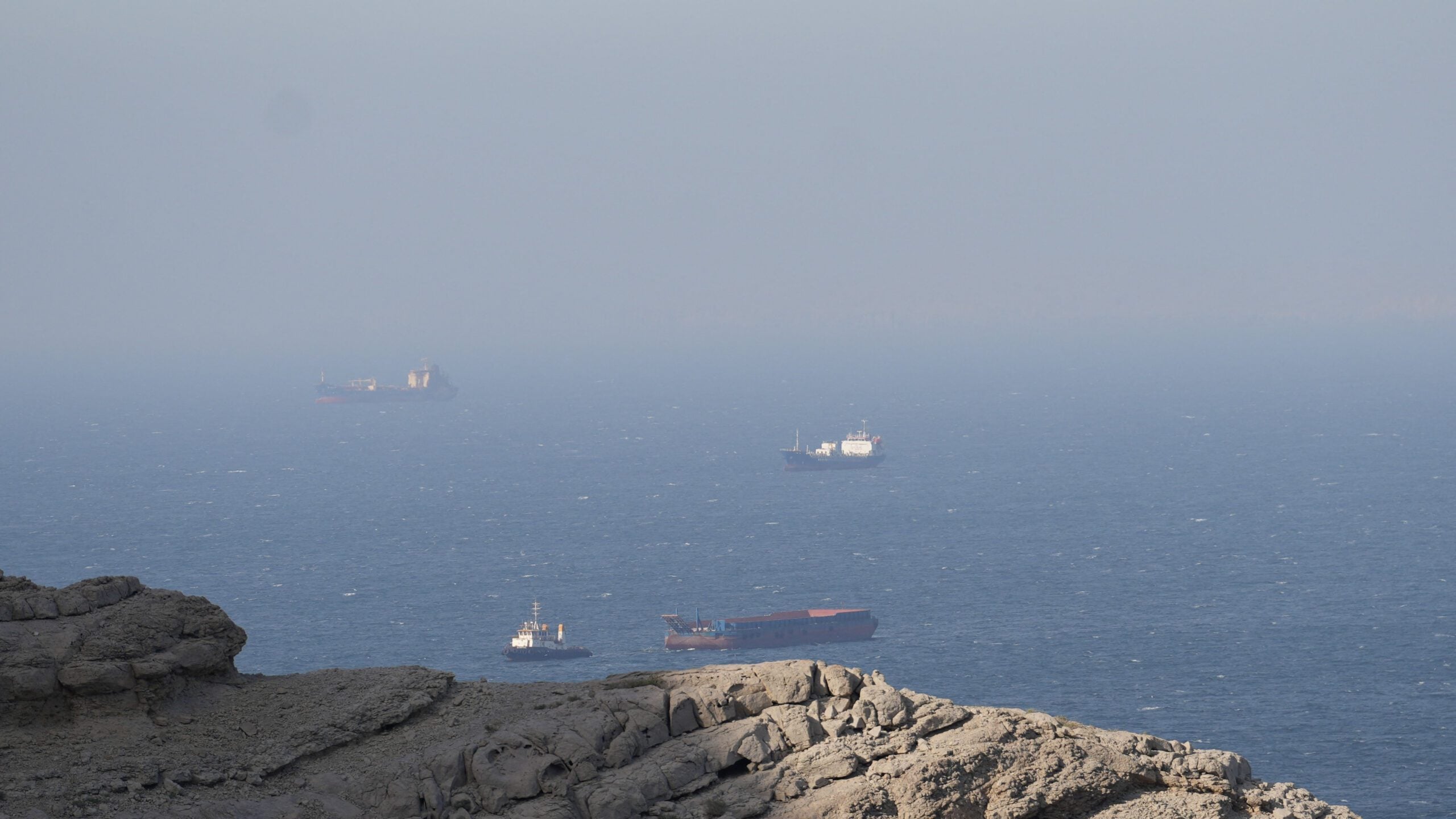
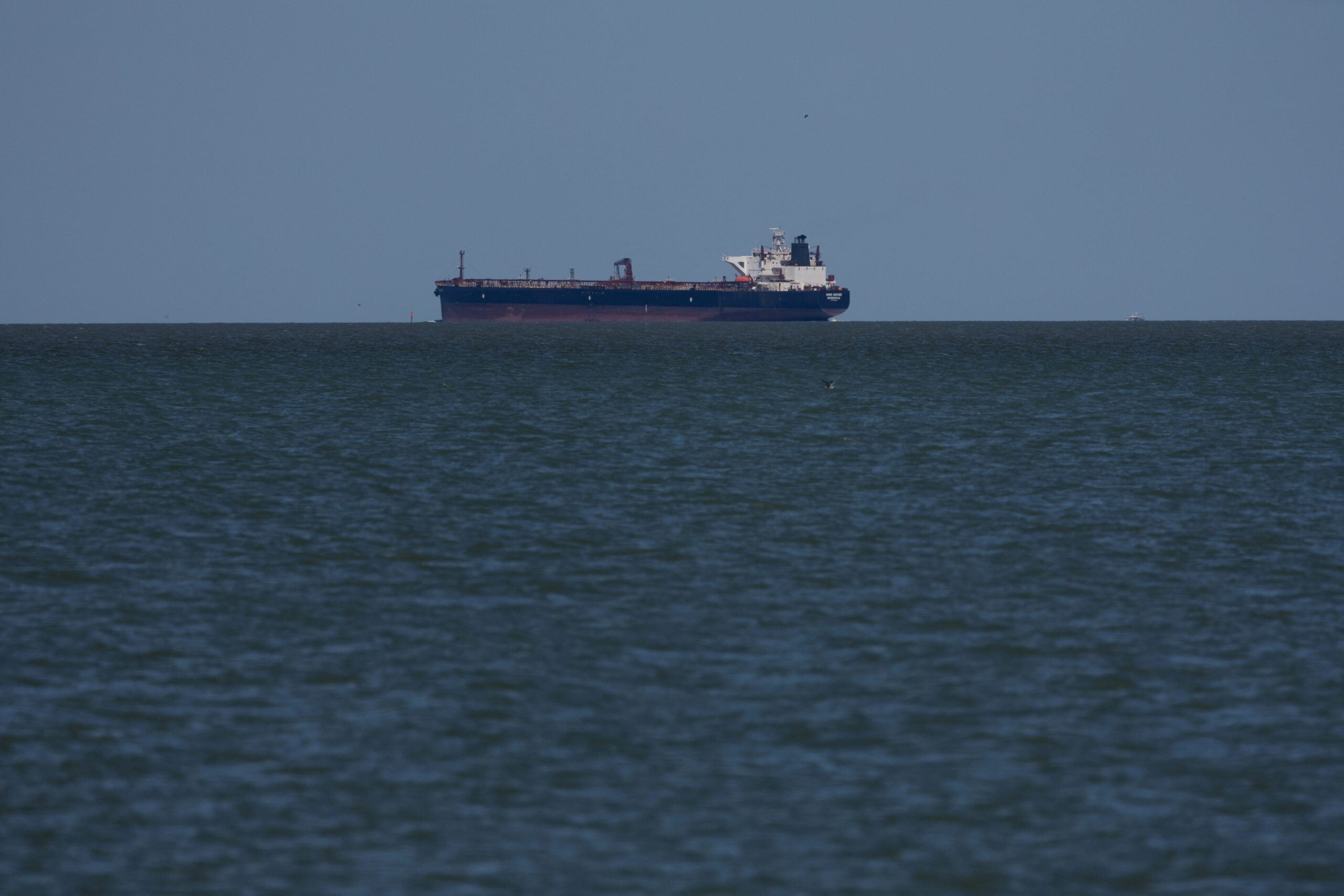
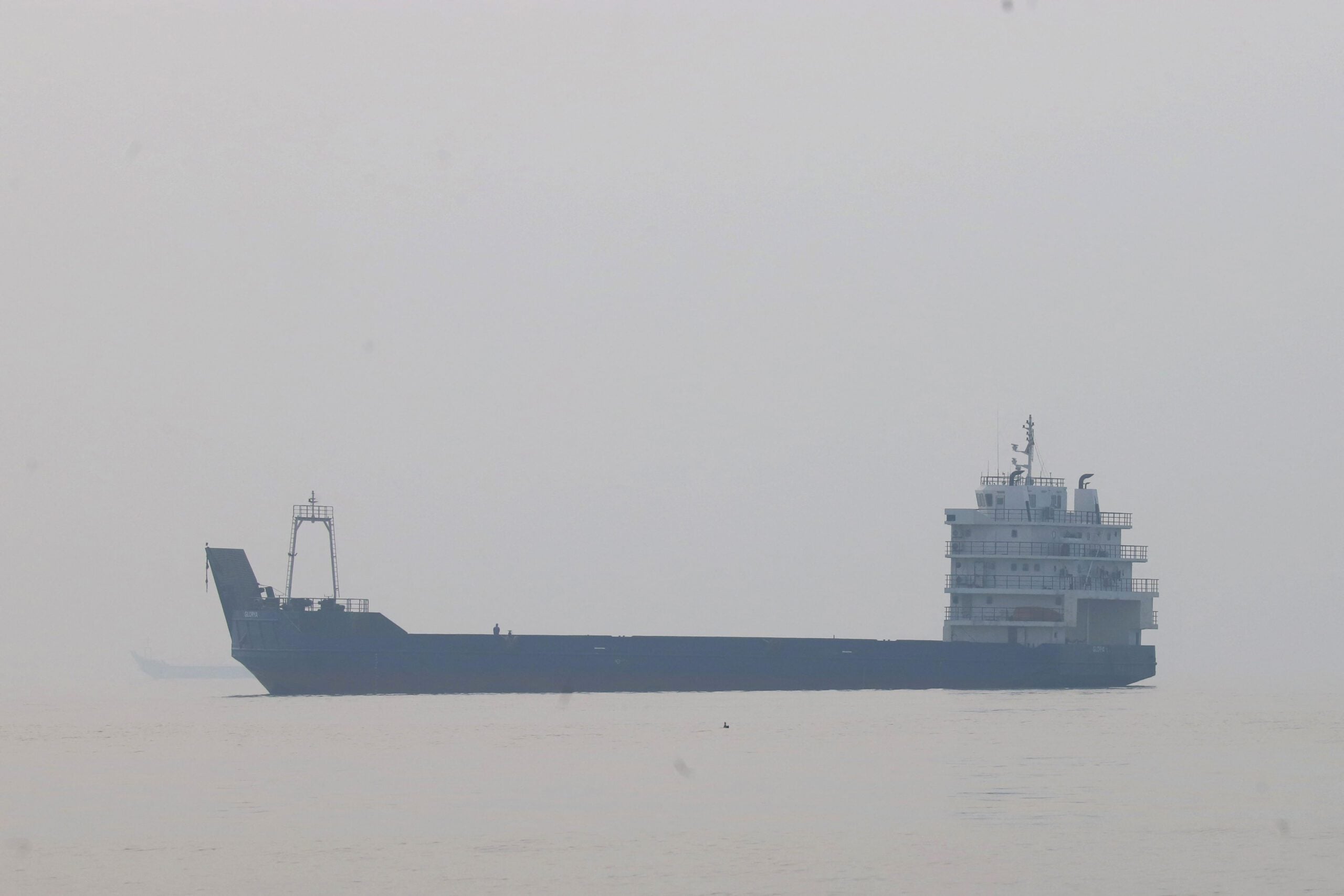
Apr 18, 2026 (Bloomberg) –Several oil tankers have u-turned in the Persian Gulf after appearing to try to transit the Strait of Hormuz, as shipowners and oil traders remain in a state of disarray as they try to figure out whether Iran would stick to its promise to keep the chokepoint open for all.
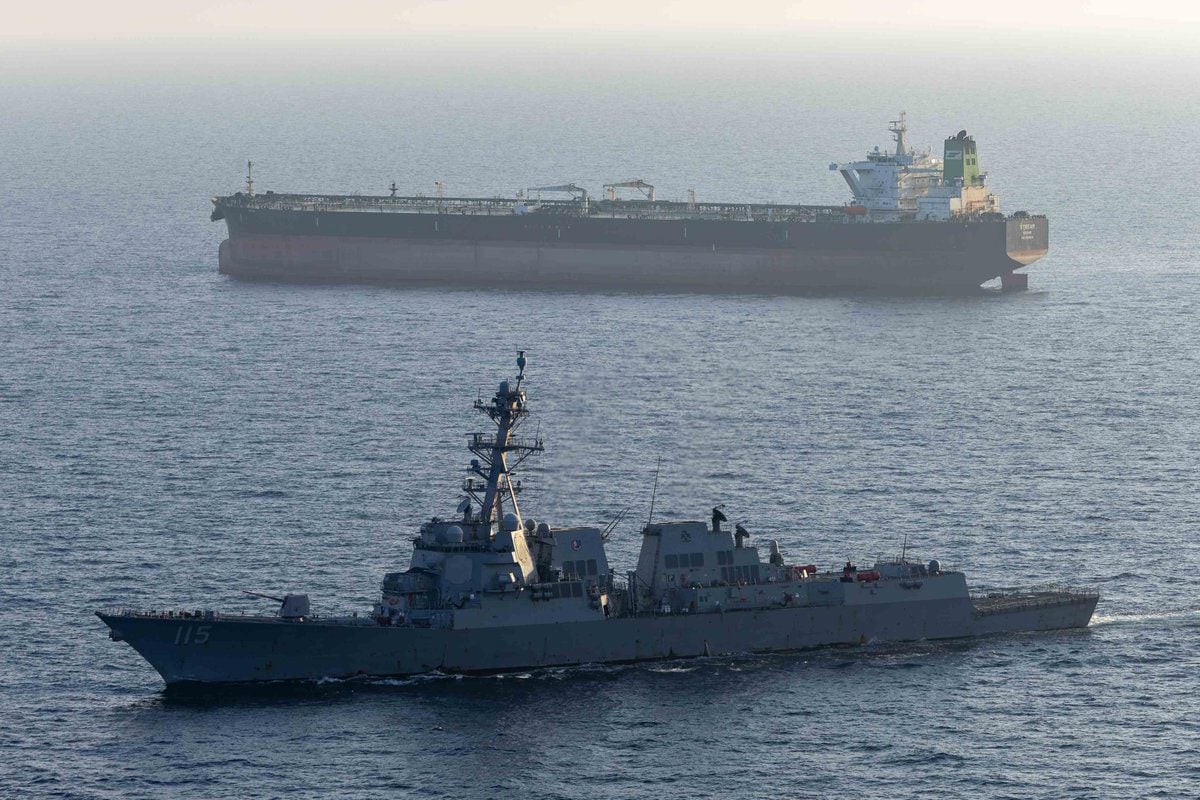
The halted journeys of five Greek and Indian tankers early Saturday paint the first picture of how traffic is navigating through the energy artery, after Iran’s foreign minister said on Friday that it was completely open. Iran’s semi-official Fars news agency later reported that the passage will still be closed if a US naval blockade was still in effect.
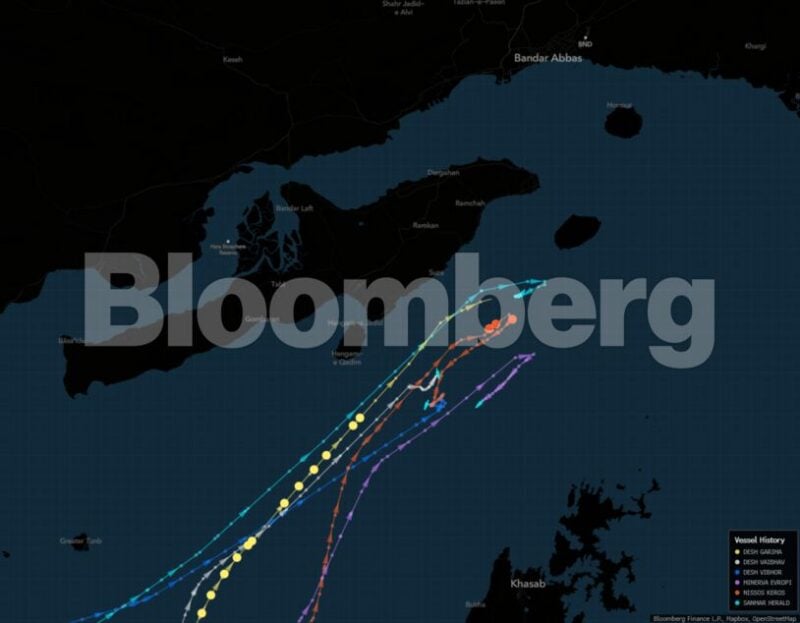
The Greek and Indian tankers had all made their journeys northeast toward Hormuz from waters off Dubai, filled with crude, before they began turning around on Saturday morning. Some are now idled in locations not far from where they u-turned, next to Iran’s Qeshm island, while a sixth has not sent a geolocation signal for several hours.
The six vessels were part of a grouping observed late Friday after the announcements to approach Hormuz. They were among a flotilla of tankers stuck inside the Persian Gulf as a result of the Middle East conflict.
Together, the six hold about 8.3 million barrels of non-Iranian crude and their successful transits would have meant the highest crude flows from the gulf in a single day since the war started.
Bloomberg News couldn’t immediately confirm if the tankers’ u-turns were the result of a decision to abort transit, or if there was some form of traffic control in place as several vessels flock toward the strait. Not long after the crude tankers’ U-turn, three liquefied petroleum gas carriers and an oil product tanker were seen taking the same way east and are now turning into the Gulf of Oman.
Shipowners with vessels in the gulf reported hearing warnings broadcast over radio late Friday that they would still need permission from the Iranian navy, according to people with knowledge of the matter.
There was no immediate response to emails sent by Bloomberg to the owners and managers of the six crude tankers outside of regular business hours.
Here are the movements of the six tankers. Vessels’ location signals may be impacted by severe electronic interference in the region, while some ships may switch off their tracking signals to avoid detection, making it hard to get an accurate picture of what’s going through.
Nissos Keros
The Nissos Keros, a supertanker laden with around 1.8 million barrels of United Arab Emirates crude, made the attempt to turn back after sailing toward the strait from waters off Dubai. It’s now idling near Qeshm island. The Marshall Islands-flagged ship is owned and managed by Greece-based Kyklades Maritime Corp.
Minerva Evropi
Minerva Evropi, a Greek-flagged Suezmax, made the similar move not long after Nissos Keros. The Turkey-bound ship was filled with more than 1 million barrels Iraqi Basrah crude. It’s managed by Athens-based Minerva Marine Inc.
Sanmar Herald
India-flagged VLCC Sanmar Herald, which was sailing just south of Iran’s Larak island, has also turned around and is now heading back into the Persian Gulf.
Desh Garima
The Aframax Desh Garima was sailing alongside Sanmar Herald, but has since gone dark. It has not sent a geolocation signal since about 4:20 a.m. local time in the Hormuz.
Desh Vaibhav
The India-flagged VLCC Desh Vaibhav was about an hour behind Sanmar Herald and Desh Garima. It has stopped near Nissos Keros.
Desh Vibhor
Desh Vibhor, another India-linked VLCC, was near Desh Vaibhav before u-turning near Nissos Keros.
Congressional scrutiny of the Trump administration’s Jones Act waiver is growing, with Rep. Salud Carbajal (D-Calif.) demanding answers about whether foreign vessels operating in domestic U.S. trades are complying with...
Iran’s main oil-loading terminals have remained empty for weeks, adding to signs that a US naval blockade of the country is throttling Tehran’s exports.
DUBAI, Oct 17 (Reuters) – Iran’s Revolutionary Guards Navy said on Saturday that two oil tankers had caught fire after hitting naval mines while crossing the Strait of Hormuz, the official Iranian news agency...
October 17, 2026
Total Views: 1544
Get The Industry’s Go-To News
Subscribe to gCaptain Daily and stay informed with the latest global maritime and offshore news
— just like 106,633 professionals
Secure Your Spot
on the gCaptain Crew
Stay informed with the latest maritime and offshore news, delivered daily straight to your inbox
— trusted by our 106,633 members
Your Gateway to the Maritime World!
Essential news coupled with the finest maritime content sourced from across the globe.

 Join The Club