The global shipping industry will need an additional 113,735 certified officers by 2030 to keep pace with fleet growth, according to a new workforce report from BIMCO and the International Chamber of Shipping (ICS), underscoring mounting concerns over the industry’s ability to recruit and retain qualified seafarers.
Released Thursday to coincide with the Day of the Seafarer, the Seafarer Workforce Report 2026 estimates that 2.57 million seafarers currently serve aboard the world’s 85,148 merchant ships. Despite that workforce, the report projects a shortage of 39,100 Standards of Training, Certification and Watchkeeping (STCW) certified officers this year, even as the industry maintains a surplus of 56,890 ratings.
The report concludes that shipping will need to recruit an average of 22,747 additional officers and 8,475 ratings each year through 2030 to meet expected demand. That equates to annual workforce growth of 2% for officers and 0.5% for ratings.
Published every five years, the BIMCO-ICS report provides one of the industry’s most comprehensive assessments of the global seafarer labor market.
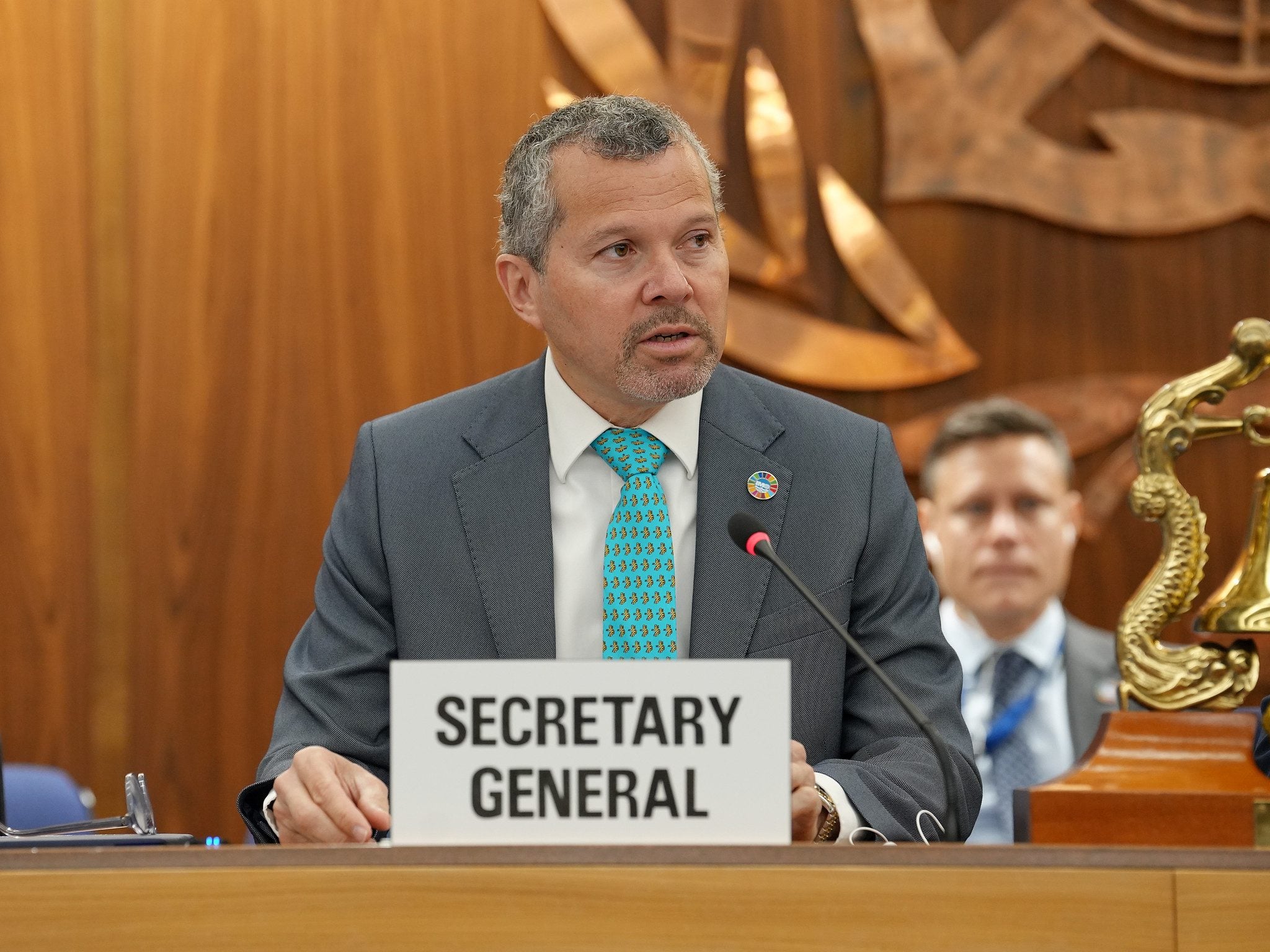
“The recruitment, training and retention of the seafarer workforce will be crucial to ensuring that our industry is prepared for the future,” said BIMCO Secretary General and CEO David Loosley.
“We have a big collective task ahead of us in working with all stakeholders and the countries that are the biggest suppliers of the seafarers operating our ships. The report can help ensure that recruitment and employment policies are future focused.”
The findings show demand for certified seafarers has accelerated sharply since the previous report in 2021. Overall demand for STCW-certified personnel has increased 35%, driven largely by the expansion of the global merchant fleet and the industry’s recovery following the COVID-19 pandemic.
Demand for officers has risen 23.1% since 2021, while demand for ratings has climbed 46.3%.
ICS Secretary General Thomas A. Kazakos said attracting new entrants while retaining experienced personnel will be essential as shipping undergoes major technological and environmental changes.
“Seafarers are the backbone of global trade, and this report reinforces just how important they are to keeping the world economy moving, especially in an increasingly fragmented world,” Kazakos said.
“As shipping continues to evolve, attracting more people to careers in maritime is essential. We must continue our long-standing efforts to engage with young people early and build a strong pipeline of future talent.”
Kazakos also emphasized that today’s workforce will need new skills as the industry adopts alternative fuels and emerging technologies.
“Seafarers play a key role in the industry’s transition to new fuels and technologies,” he said. “Ensuring they have access to the training and skills needed for this future will be critical. Without continued investment in both recruitment and training, the workforce gap risks growing at a time when the industry needs skilled seafarers more than ever.”
The report recommends expanding maritime education and training programs, promoting careers at sea—including pathways into shore-based maritime jobs—and improving monitoring of global recruitment and retention trends. The organizations say better workforce data will help governments and industry respond more effectively to future labor shortages.
The report’s release comes as the maritime industry marks the Day of the Seafarer amid heightened concern over the safety and welfare of crews operating in conflict zones.

 Join The Club