By Jonathan Saul
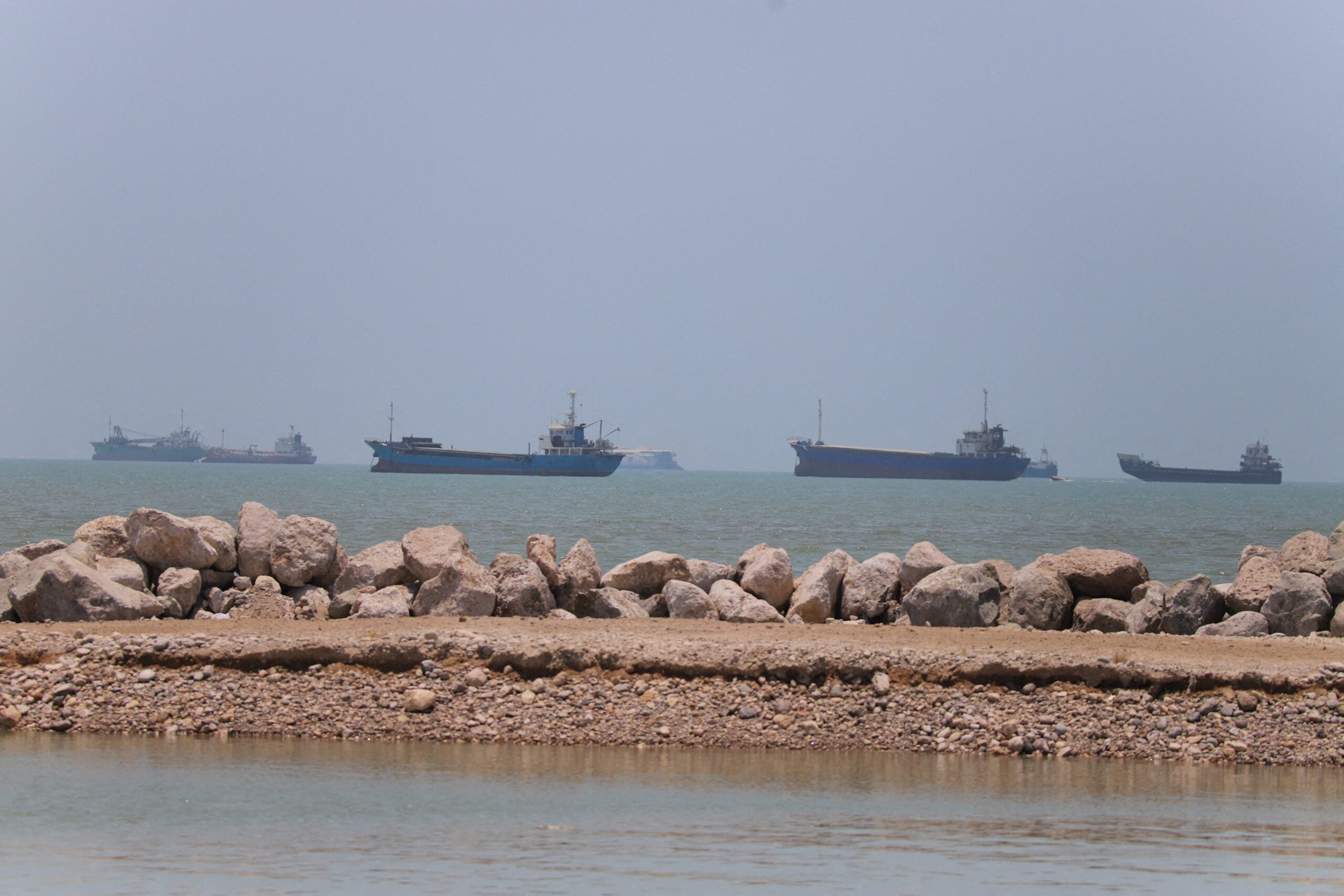
LONDON, June 26 (Reuters) – Fewer vessels transited the Strait of Hormuz on Friday than earlier this week, hours after a Taiwanese-operated ship was fired on by Iran, ship tracking data showed.
The U.N. shipping agency temporarily paused its voluntary scheme to evacuate hundreds of stranded ships and thousands of seafarers from the Gulf after the ship was damaged in the attack close to the Omani side of the waterway.
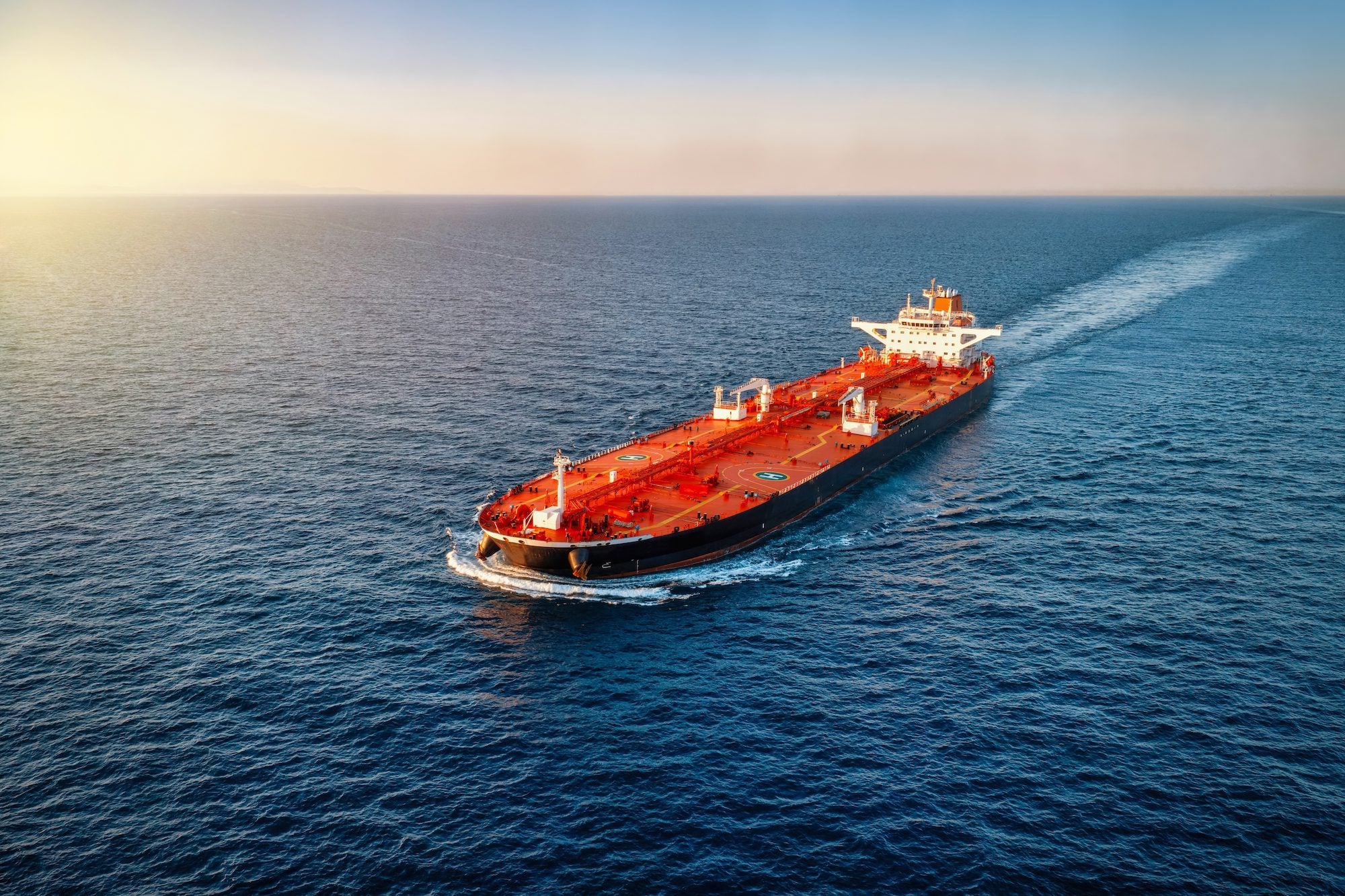
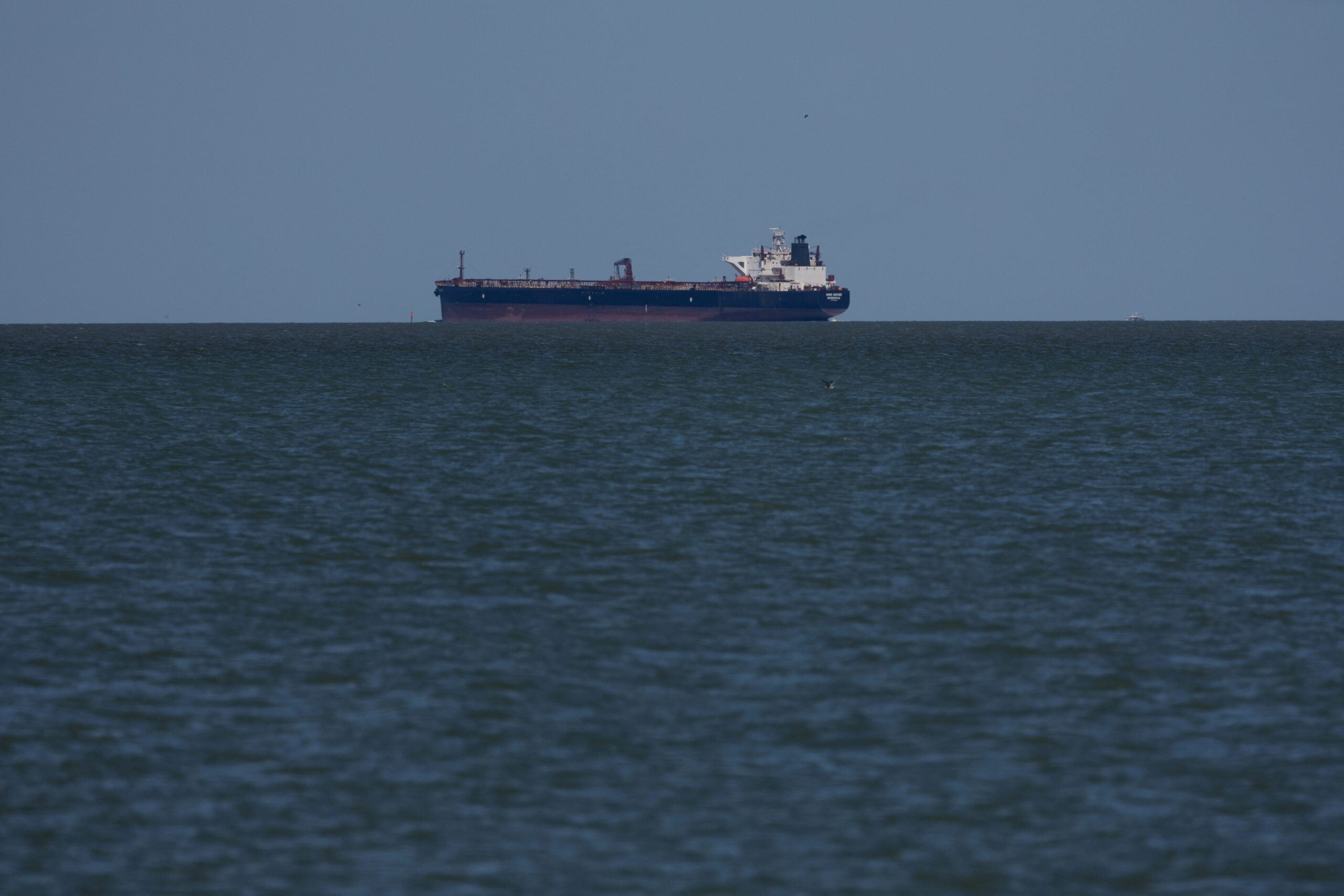
Nevertheless, at least four tankers including three very large crude carriers, which can each carry a maximum of 2 million barrels of oil, entered the Gulf to load oil, ship tracking data from LSEG and MarineTraffic showed on Friday.
And two separate supertankers entered the strait to load Iranian oil, separate shipping data showed, while a separate tanker exited the strait with 2 million barrels of oil via the Omani side of Hormuz, analysis from Kpler showed.
Oil buyers have hoped to secure stocks after months of disruption caused by the Iran war after a ceasefire deal was struck between Washington and Tehran.
Crude prices dropped by more than 3% on Friday, on course for steep weekly losses, on easing supply concerns, while top exporter Saudi Arabia resumed loadings in the Gulf, paving the way for more supply.
Before the conflict began, overall average daily sailings were around 125 ships.
Taiwan’s Evergreen Marine said on Friday its ship was hit close to Oman by an “unknown object” after U.S. officials told Reuters on Thursday that Iran had fired on the vessel.
“The attack is a setback in the plans to evacuate ships and resume transits through the Strait of Hormuz, although some transits can still be expected to take place,” said Jakob Larsen, chief safety and security officer at shipping association BIMCO.
“The situation underscores the importance of clear and unambiguous agreements between the U.S. and Iran regarding a resumption of maritime traffic through the strait,” he added.
Iran’s ?deputy foreign minister Kazem Gharibabadi said on Friday that safe passage through the strait could not be guaranteed without coordination with Tehran.
Tanker traffic, which includes crude oil, oil products and chemical tankers, reached 13 transits on Friday in both directions versus 24 on Thursday and 27 ships on Wednesday, the highest level since before the conflict began with U.S.-Israeli strikes on Iran on February 28, analysis from Kpler showed.
For overall sailings, through both directions of the strait including dry bulk ships, separate analysis from AXSMarine showed 62 transits on June 24, the highest single-day count since the conflict began. That represented 53% of the traffic recorded on the same day last year, AXSMarine said this week.
“Traffic has not yet normalized fully,” AXSMarine added.
(Reporting by Jonathan Saul and Florence Tan; Editing by Alexander Smith)
(c) Copyright Thomson Reuters 2026.

 Join The Club