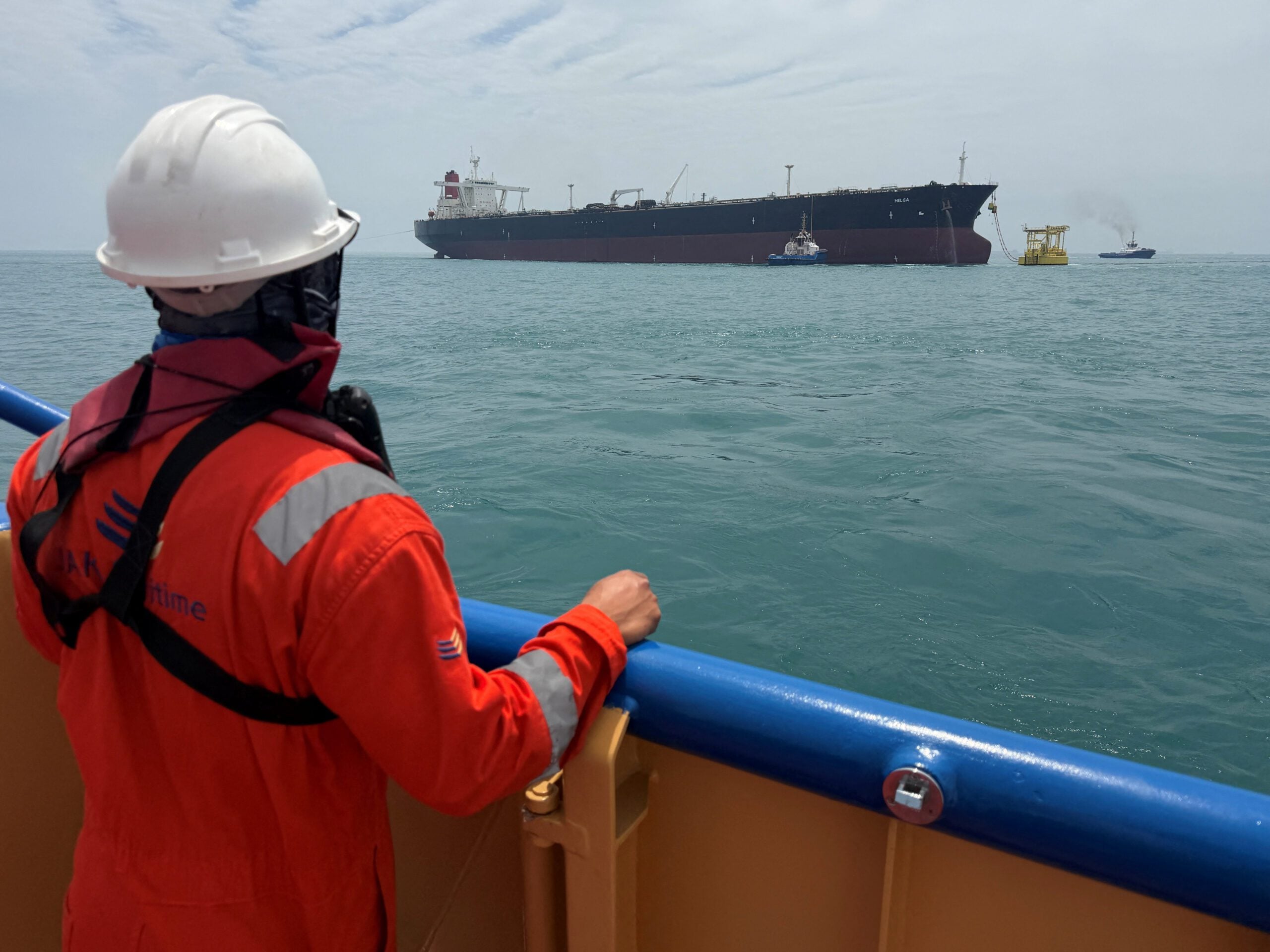
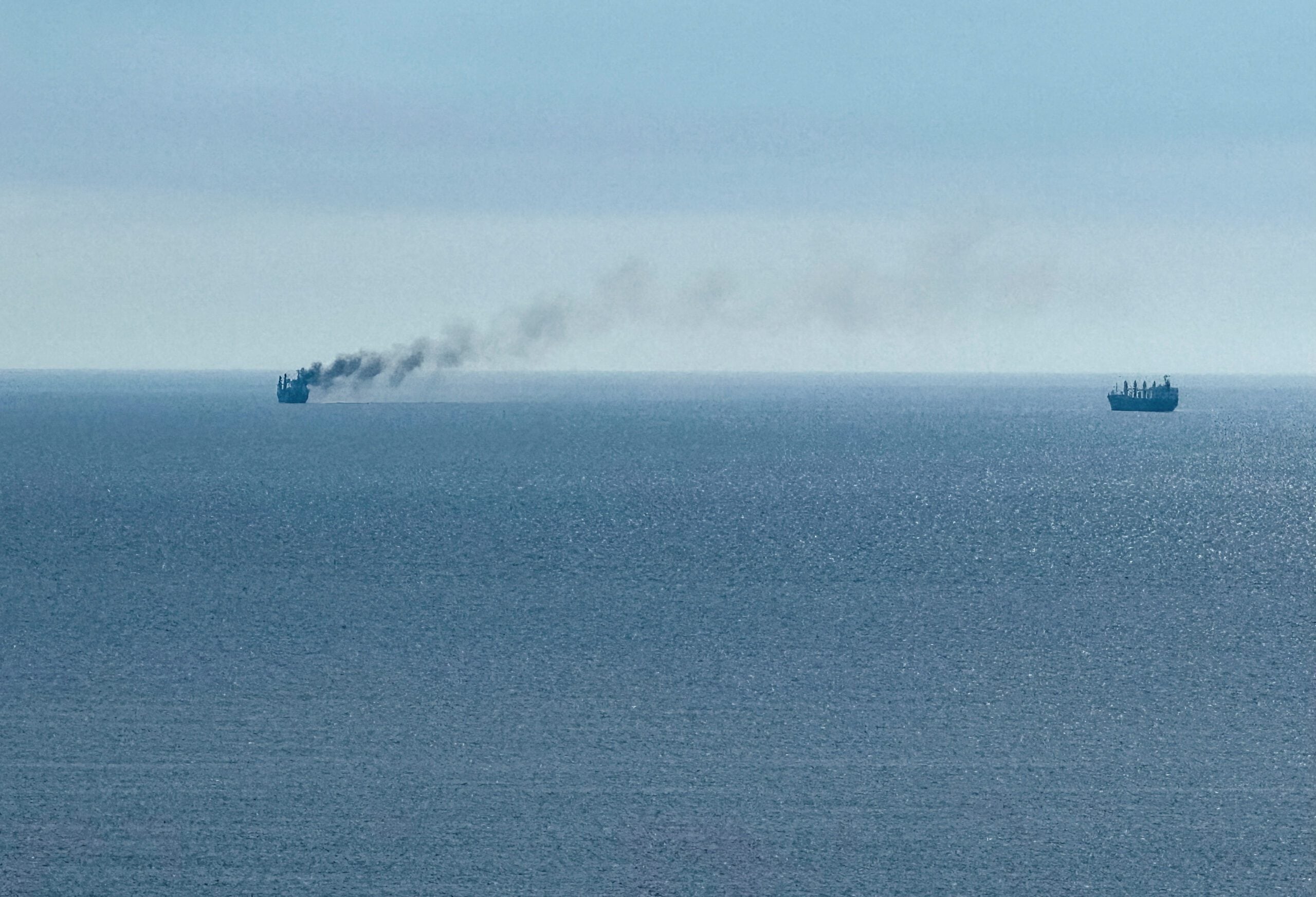
The global shipping industry is warning that civilian seafarers are increasingly being caught in the crossfire of geopolitical conflicts, as attacks on merchant vessels in the Middle East and Black Sea continue to mount.
In separate statements released this week, the International Chamber of Shipping (ICS) and dry bulk association INTERCARGO called on governments and parties to armed conflicts to uphold international law, protect civilian shipping, and ensure the safety of the world’s merchant mariners.
The appeals come nearly five months after fighting in the Middle East intensified and amid a sharp escalation of attacks on commercial vessels in both the Strait of Hormuz and the Black Sea.
“Seafarers keep global trade moving. They are civilians doing their jobs. They should never be treated as military targets,” INTERCARGO said in a statement.
The association warned that innocent merchant vessels uninvolved in the conflicts are increasingly being directly targeted, placing ordinary working seafarers at risk “for reasons that have nothing to do with their jobs.”
ICS Secretary General Thomas Kazakos said the maritime industry is now confronting simultaneous crises across several of the world’s most strategically important waterways.
“Today marks five months since the escalation of conflict in the Middle East. Meanwhile, in the Black Sea we are seeing an alarming rise in the attacks on international shipping,” Kazakos said.
“The pressure on shipping in and around the Strait of Hormuz, Black Sea and the Red Sea has highlighted the vulnerability of the global maritime network and the risks faced by those who keep it moving.”
He emphasized that freedom of navigation is essential not only for global trade but also for the safety of the men and women serving aboard merchant ships.
“Freedom of navigation is not negotiable. Neither is the safety of the seafarers who make global trade possible,” he said.
The shipping industry’s concerns echo warnings issued earlier this month by the International Maritime Organization (IMO). IMO Secretary-General Arsenio Dominguez condemned attacks on civilian merchant vessels operating in the Sea of Azov and Black Sea, urging all parties to conflicts to refrain from actions that endanger commercial shipping.
“Seafarers should never become casualties of conflicts to which they are not a party,” Dominguez said.
The International Transport Workers’ Federation (ITF), which represents transport workers worldwide, also warned that civilian transport workers are paying the price in conflicts stretching from the Middle East to Eastern Europe.
“The escalation in conflict… is once again costing the lives of innocent seafarers, and it must end now,” ITF General Secretary Stephen Cotton said.
The union noted that recent attacks in the Strait of Hormuz killed one Indian seafarer, injured several others, and left another missing following separate incidents involving merchant ships. At the same time, attacks on commercial vessels in the Sea of Azov and Black Sea have prompted the suspension of merchant shipping in the Sea of Azov while Russia has intensified strikes against Ukraine’s port infrastructure.
The deteriorating security environment has prompted industry groups to strengthen operational guidance for shipowners.
In its latest security advisory, INTERTANKO warned that the rhetoric between Iran and the United States remains highly inflammatory following multiple attacks on vessels transiting the Strait of Hormuz. The association advised operators to delay transits through the waterway where possible, maintain close coordination with military reporting centers, conduct enhanced voyage risk assessments, and consider AIS and LRIT transmission policies in high-risk areas. It also reiterated that shipowners should not pay transit fees to either Iranian or Houthi authorities.
The guidance also reflects growing concerns over Houthi threats against vessels trading with Saudi Arabia following the group’s announcement of a maritime blockade targeting Saudi ports.
The mounting security threats are already having broader economic consequences. Grain markets surged to two-year highs last week after renewed attacks on Black Sea shipping raised concerns over exports from one of the world’s most important agricultural trade corridors. Some shipowners have temporarily suspended calls at Ukrainian Black Sea ports while companies operating in southern Ukraine have halted operations amid escalating missile and drone attacks on port infrastructure.
For an industry that carries more than 90% of global trade, shipping organizations say the stakes extend well beyond freight markets.
“The seas must remain a space for trade and cooperation, not conflict,” INTERCARGO said. “Every seafarer deserves to do that job safely and to return home.”
Editorial Standards · Corrections · About gCaptain

 Join The Club