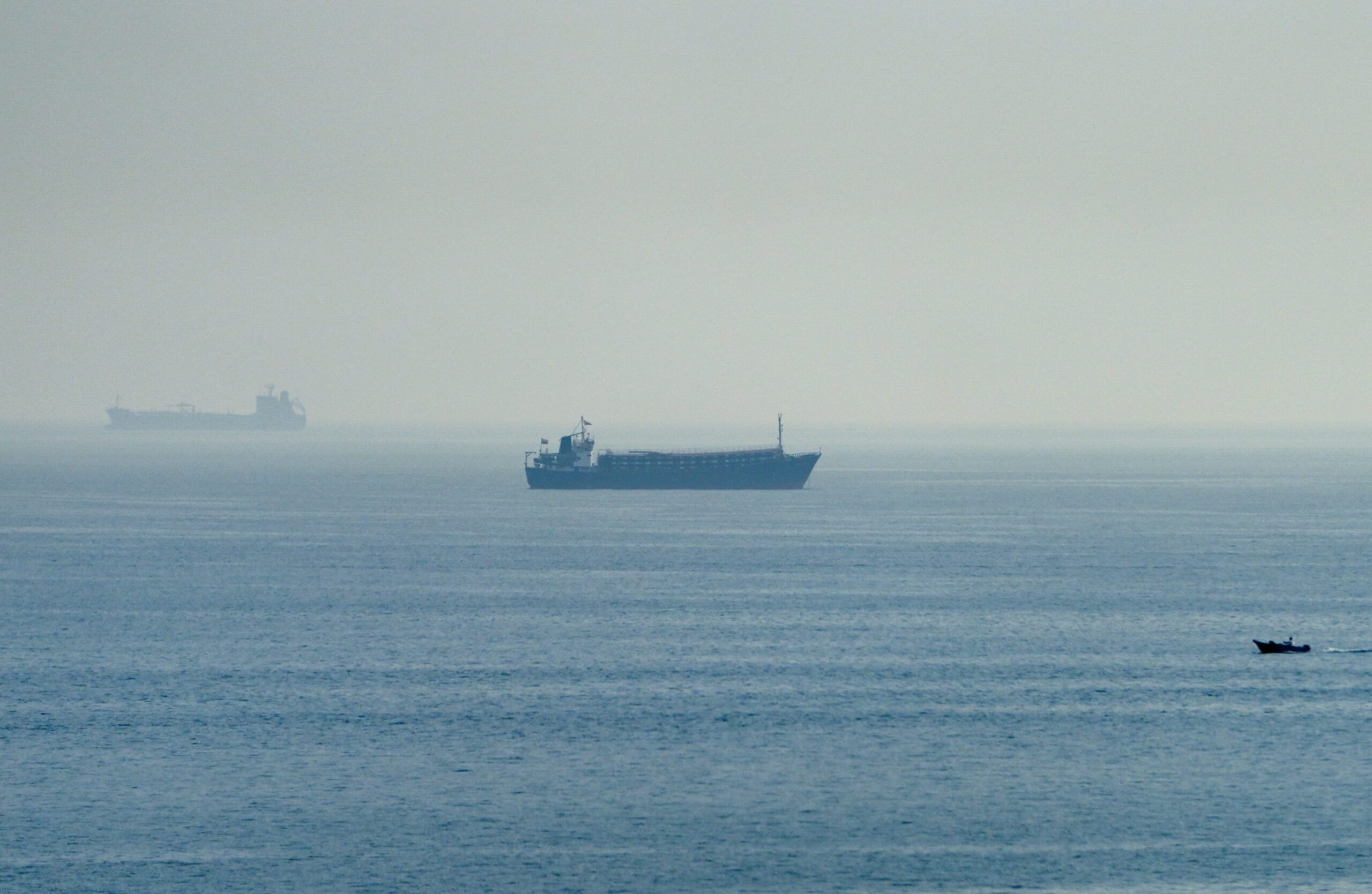
UKMTO has issued a new verified attack warning for the Strait of Hormuz after a cargo vessel was reportedly struck by an “unknown projectile,” underscoring the continued dangers facing commercial shipping despite Washington’s push to reopen limited traffic through the waterway.
The advisory was issued at 1830 UTC on May 5 and states that “a verified source reported a cargo vessel has been struck by an unknown projectile.” UKMTO said the environmental impact remains unknown and advised ships in the area to report suspicious activity while authorities investigate.
No vessel name, flag, ownership details, or exact location were included in the initial warning.
The latest incident comes less than 48 hours after the United States announced what it framed as the first successful escorted commercial transits through the Strait since the outbreak of the U.S.-Iran conflict in late February.
Since Sunday, the Trump administration has publicly promoted “Project Freedom,” a U.S.-led defensive maritime operation aimed at breaking Iran’s chokehold on the Strait of Hormuz and safely guiding merchant vessels out of the Persian Gulf through an “enhanced security corridor” running inside Oman’s territorial waters along the southern side of the strait’s traditional Traffic Separation Scheme.
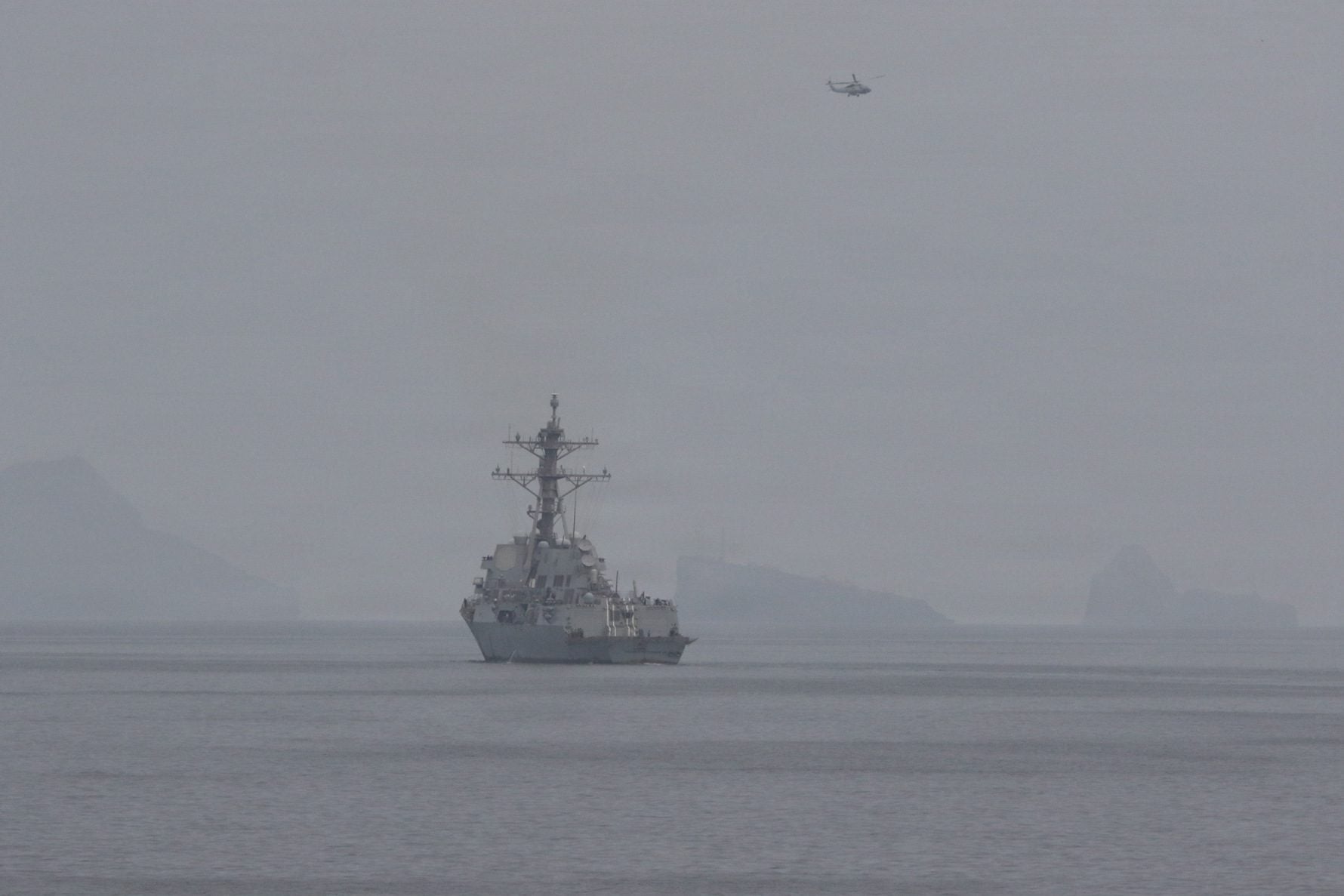
CENTCOM confirmed that two U.S.-flagged merchant vessels transited under the operation while accompanied by U.S. military assets.
Since then, Maersk and Crowley have both confirmed those transits. Maersk said its U.S.-flagged roll-on/roll-off vessel Alliance Fairfax successfully exited the Persian Gulf on May 4 under U.S. military escort after weeks stranded inside the Gulf amid missile, drone, and mine threats tied to the conflict. Crowley later confirmed that its managed vessel CS Anthem also safely completed a Strait of Hormuz transit under what appeared to be similarly coordinated security conditions.
The escorted voyages were immediately portrayed by the White House and some U.S. officials as evidence that commercial shipping is being restored through the waterway. President Donald Trump has repeatedly insisted ships should continue transiting the Strait, arguing Iran no longer possesses the naval capability to sustain a blockade.
But the new UKMTO warning is likely to reinforce skepticism across the maritime industry that the waterway has meaningfully reopened.
Despite the high-profile escorted passages, vessel traffic through the Strait remains far below normal levels, with most operators still avoiding the region due to persistent security threats including mines, insurance uncertainty, and fears of further attacks.
Industry groups including BIMCO, the International Chamber of Shipping, and multiple maritime security firms have continued warning that isolated naval escorts do not equate to restored freedom of navigation.
The security environment also remains highly volatile. In recent days, reports have emerged of additional attacks and suspicious incidents involving commercial vessels near the Strait and Gulf approaches. Several earlier UKMTO warnings documented vessels damaged north of Oman, east of Fujairah, and elsewhere in the broader Gulf region.
The latest strike could further complicate Washington’s effort to convince commercial operators, insurers, and crews that limited escorted traffic can safely resume.
Even before Tuesday’s warning, many shipowners viewed the recent U.S.-escorted voyages as tightly controlled extractions of strategically important U.S.-flagged vessels rather than evidence of a broader commercial recovery.
Analysts have also noted that the transits reportedly followed carefully coordinated southern routing near Oman’s coastline rather than a full restoration of normal traffic patterns through the Strait’s established shipping lanes.
For now, the new UKMTO advisory serves as another reminder that the Strait of Hormuz remains an active conflict zone where commercial shipping continues to face significant operational and security risks.

 Join The Club