Crowley has confirmed that one of its managed vessels has successfully transited the Strait of Hormuz, providing more visibility into the limited number of U.S.-flagged ships that have exited the Persian Gulf since the conflict began.
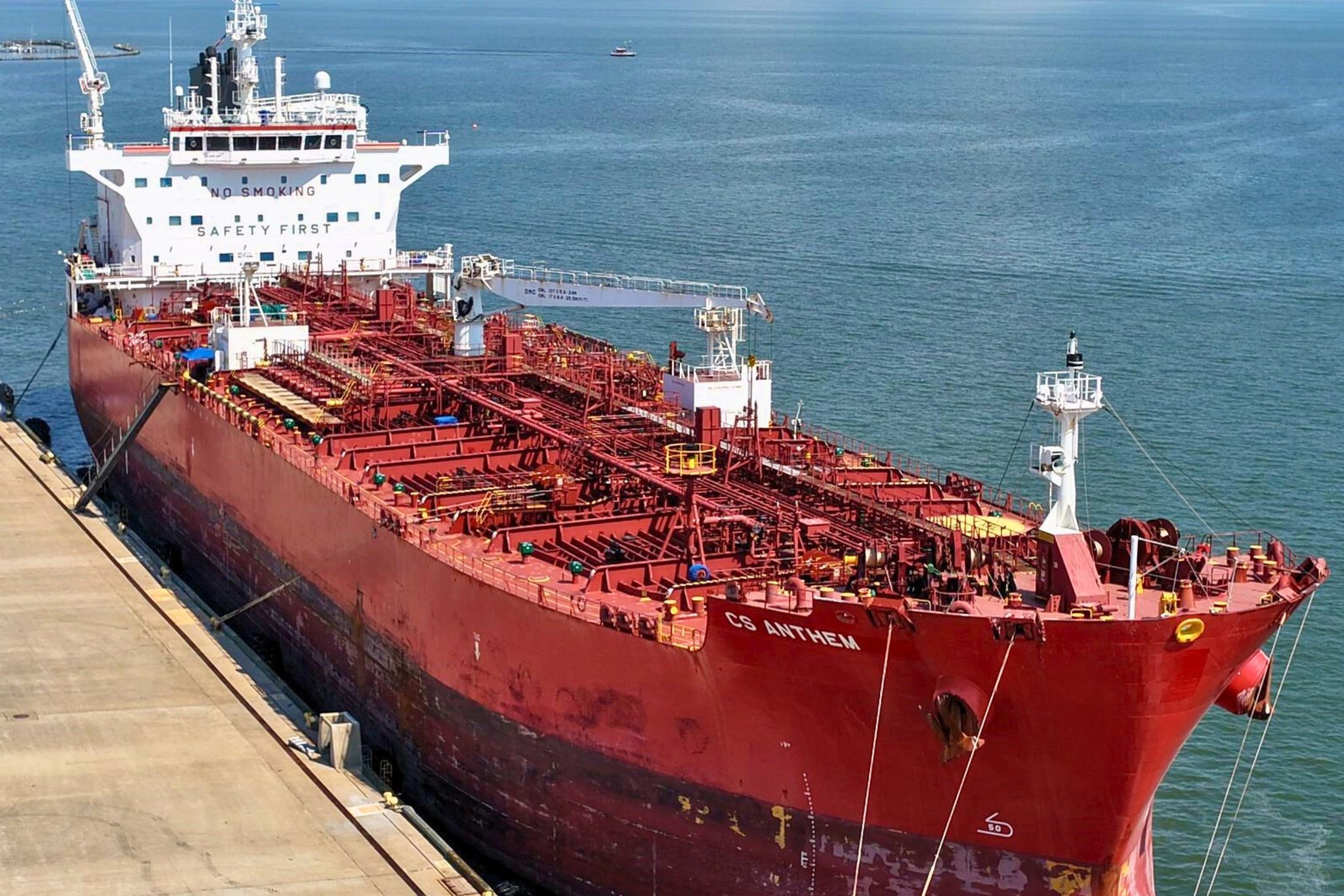
In a statement, Crowley Maritime said the Crowley-managed vessel CS Anthem “has safely completed its transit through the Strait of Hormuz.”
“The safety of our crews and vessel, and the continuity of service for our customers, remain our top priorities,” the company said, while also recognizing “the professionalism of U.S. Navy and government partners who work globally to support maritime safety.”
Crowley declined to provide further operational details, noting that “as a matter of policy, we do not discuss details of vessel routing or security arrangements.”
The CS Anthem is now one of two U.S.-flagged commercial vessels confirmed to have transited the waterway under the Trump administration’s newly launched “Project Freedom” operation, which seeks to evacuate ships via Oman’s territorial waters, within a U.S.-backed “enhanced security area” to the south of the traditional Traffic Separation Scheme.
A day earlier, A.P. Moller – Maersk confirmed that its U.S.-flagged roll-on/roll-off vessel Alliance Fairfax, operated by Maersk Line, Limited, had exited the Persian Gulf under U.S. military escort.
Taken together, the movements represent the first verified transits tied to Washington’s effort to guide stranded vessels out of the region. But they also underscore how tightly controlled those operations remain.
So far, only CS Anthem and Alliance Fairfax have been confirmed to pass through the strait under these enhanced security conditions, with industry observers viewing them as highly coordinated, one-off transits rather than evidence of a broader reopening.
“MLL was contacted by the U.S. military and offered the opportunity for the vessel to exit the Gulf under U.S. military protection,” Maersk said in a statement to gCaptain. “Following the development and coordination of a comprehensive security plan with the U.S. military, MLL’s shoreside and shipboard leadership approved the transit. The vessel subsequently exited the Persian Gulf accompanied by U.S. military assets.”
The confirmations align with earlier statements from U.S. Central Command that two American-flagged merchant vessels had transited the strait as part of the “Project Freedom” effort. While both ships are now identified, no additional commercial movements have been publicly confirmed.
Both vessels are among a small group of U.S.-flagged ships that had been effectively stranded in the Gulf since late February. They are enrolled in either the Maritime Security Program (MSP) or the Tanker Security Program (TSP), which ensure the availability of commercially operated U.S.-flagged vessels for military logistics during crises.
The CS Anthem, a 49,990-metric-ton medium-range tanker, is crewed and managed by Crowley under a bareboat charter arrangement and operates within the Tanker Security Program, replacing the Stena Immaculate following its 2025 collision.
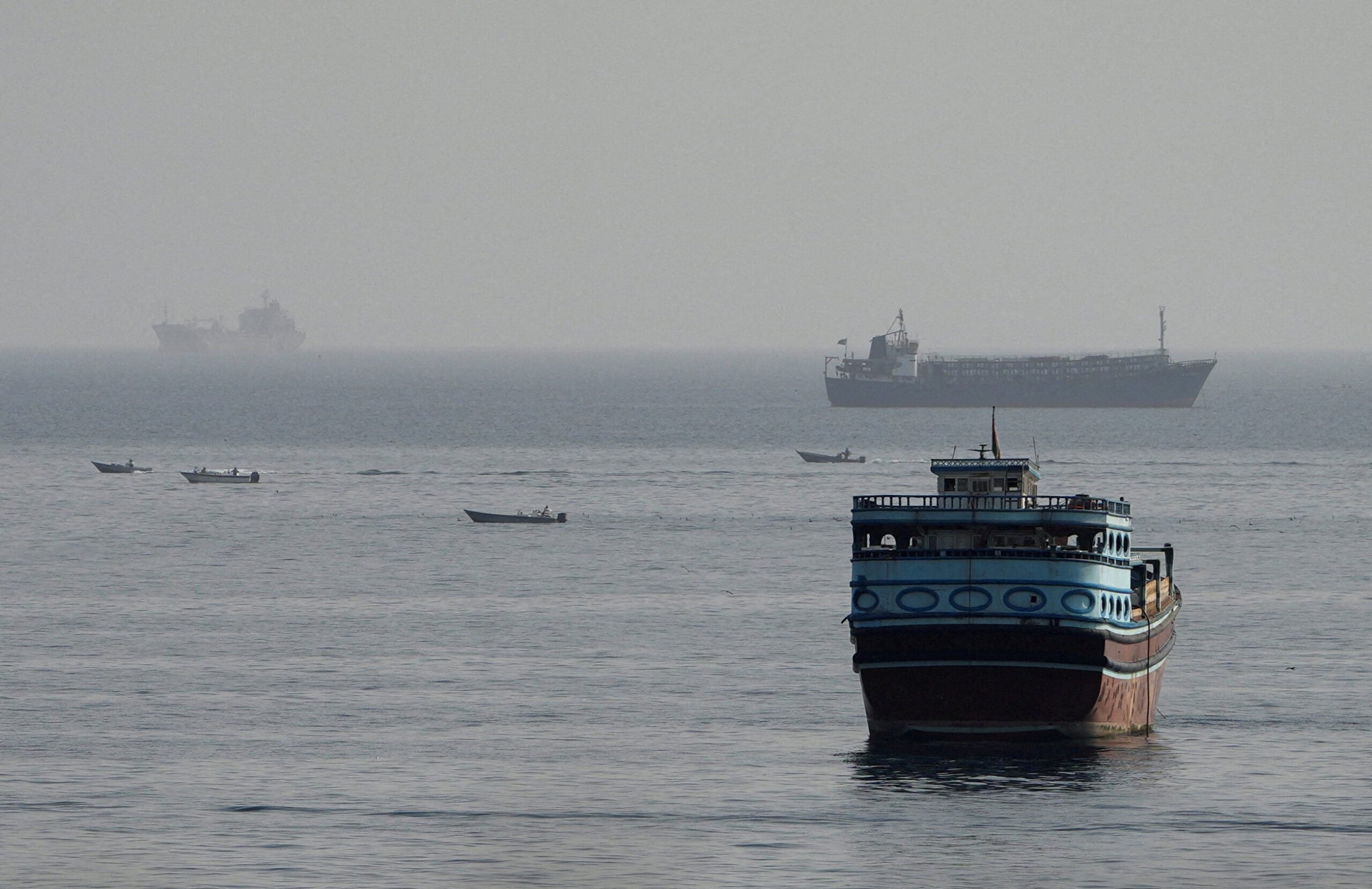
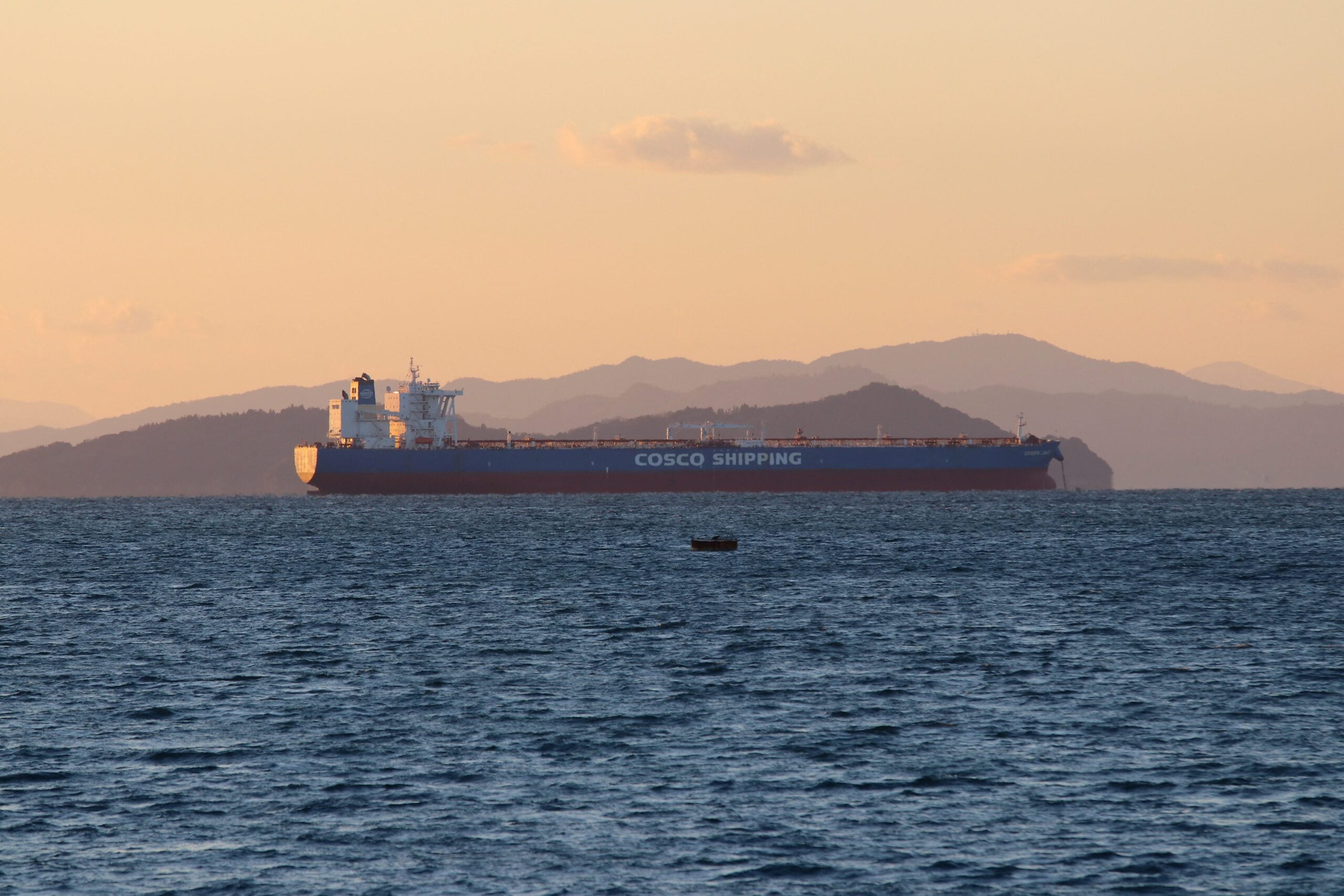
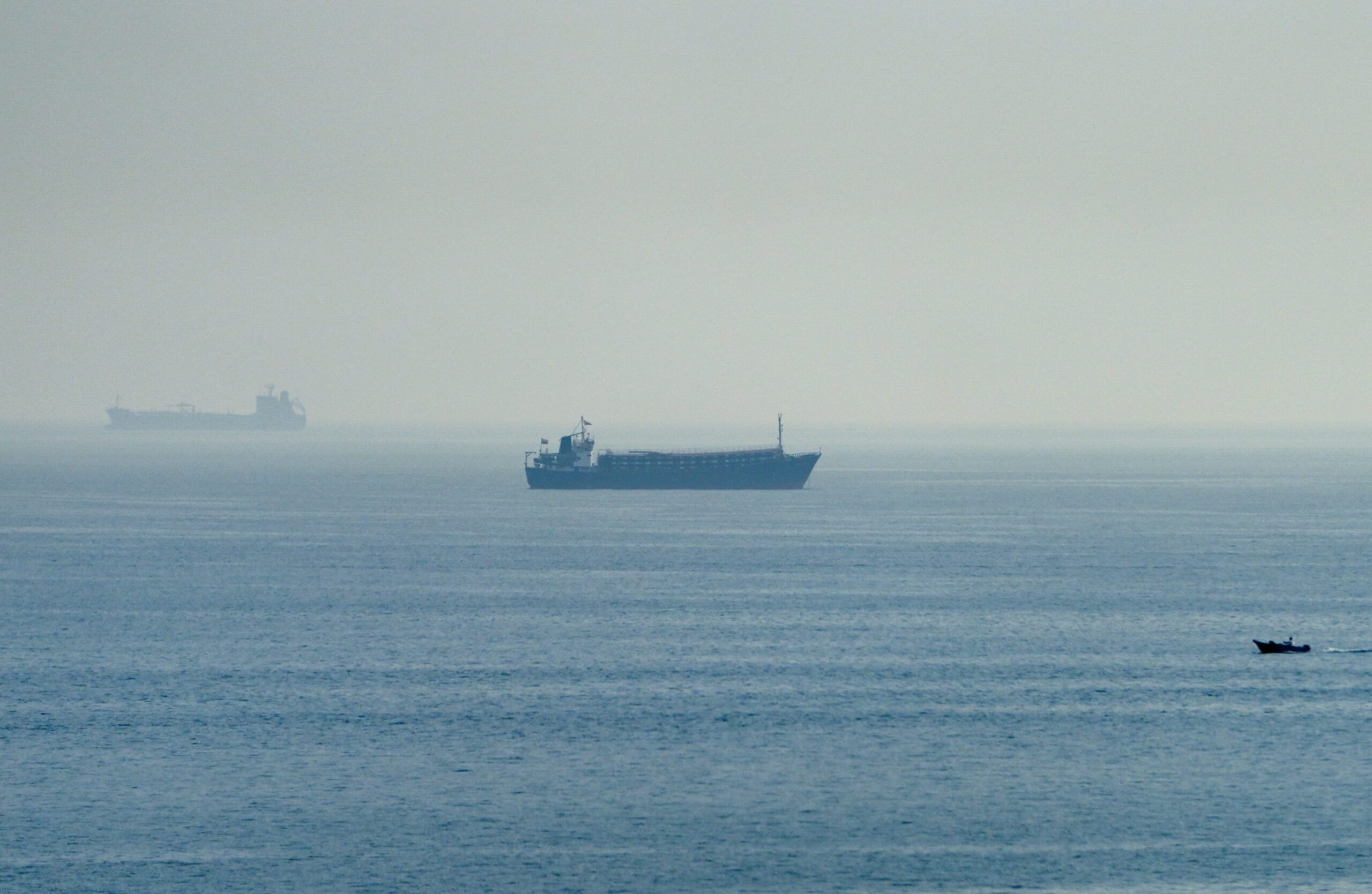
Despite these successful transits, shipping through the Strait of Hormuz—one of the world’s most critical energy chokepoints—remains sharply constrained. Persistent risks, including mine threats, drone activity, and an expanded military presence, continue to deter a broader return of commercial traffic.

 Join The Club